Alexis-le-Trotteur Daycare Centre Hub Funding Granted

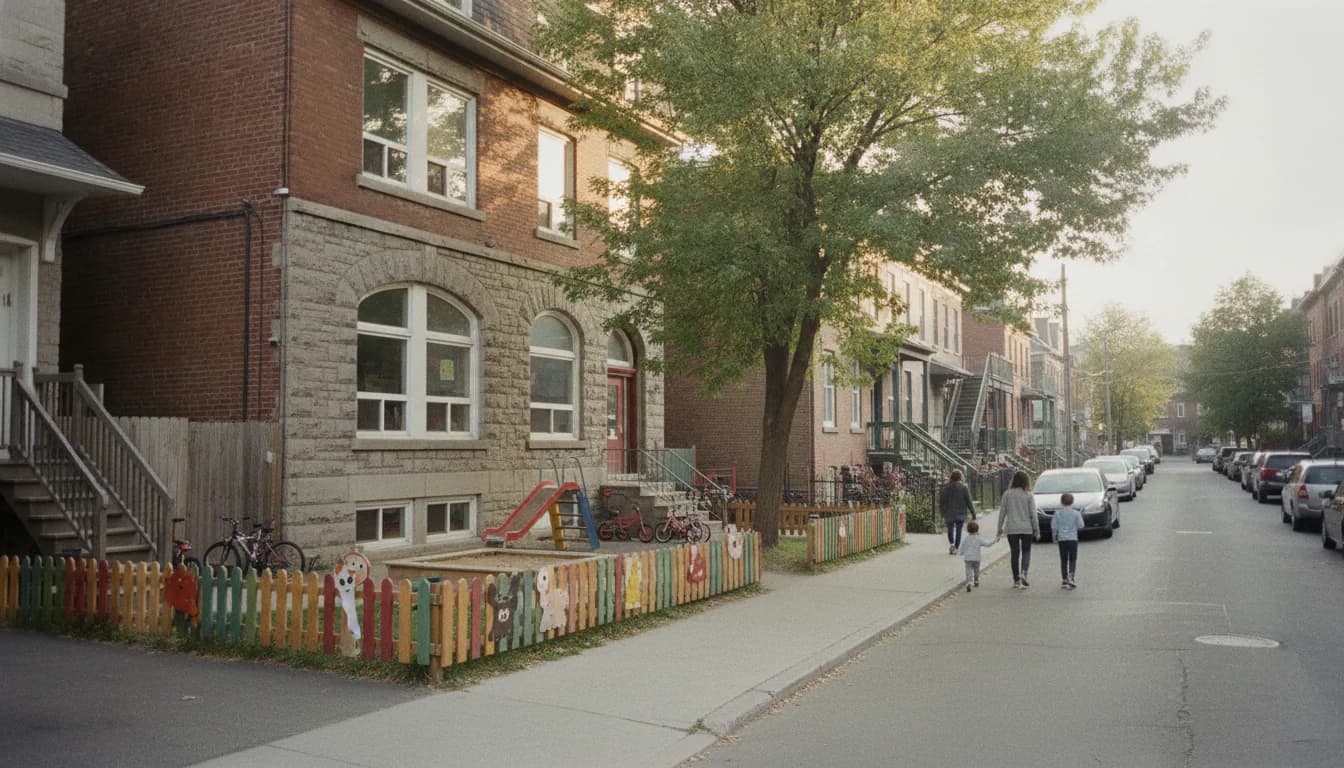
Headline: Alexis-le-Trotteur daycare centre hub funding secures federal investment to revitalize Mile End hub
Montréal Times, June 4, 2026 — The Government of Canada announced a transformative funding package to preserve the Alexis-le-Trotteur daycare centre and convert its Mile End building into a broader community hub. The announcement, issued on June 4, 2026, confirms a federal investment of more than $11.3 million through the Green and Inclusive Community Buildings (GICB) program, aimed at revitalizing a heritage asset and strengthening local social infrastructure. This is a pivotal move for the neighborhood, which has hosted the Centre de la petite enfance Alexis le Trotteur (CPE Alexis le Trotteur) for more than four decades and is central to Mile End’s community ecosystem. The release emphasizes both preservation of a long-standing institution and the creation of a modern, accessible space for multiple organizations to co-locate under one roof. The announcement was made in Montreal, Quebec, highlighting the federal government’s intent to support inclusive, climate-conscious community buildings in urban cores. The details come from the Government of Canada’s release and its distribution partners, which frame the project as a model for heritage preservation, social inclusion, and neighborhood revitalization. [Canada.ca press release][CNW press release] (canada.ca)
One liftable finding, as calculated from the official figures: Montreal Times counts a total committed funding package of about $19.2 million for the Mile End hub project (federal $11.3 million plus $7.9 million from private partners connected to the SDA), based on the June 4, 2026 government release and the Société de développement Angus annual reporting. This total builds directly from the published figures in the government release and the SDA financial disclosures. If realized, the combined funding would support both the preservation of the CPE Alexis le Trotteur and the construction of a multi-tenant community hub on the site. This total also underscores the scale of public-private collaboration envisioned for urban community hubs in Montreal. “This project will preserve a cherished institution and create a modern, accessible space for the Mile End community,” as stated by government officials in the June 4 release. (canada.ca)
What Happened
Federal Investment and Program Overview
The June 4, 2026, federal release confirms an investment of more than $11.3 million in Mile End through the Green and Inclusive Community Buildings program. The funds are described as enabling the long-term viability of the Alexis-le-Trotteur daycare centre while enabling the conversion of the adjacent building into a broader community hub that can host multiple nonprofits and community services. The program, part of Canada’s climate-conscious infrastructure initiatives, frames the investment as supporting both social inclusion and environmental sustainability in urban neighborhoods. The government’s release also notes that the project’s realization depends on a partnership with local actors and the ongoing stewardship of the building, ensuring that the CPE Alexis le Trotteur remains on site in the redeveloped facility. For readers seeking the primary source, the Government of Canada’s English release provides the official language and quotes from key figures involved in the announcement. [Canada.ca press release] (canada.ca)
The accompanying distribution materials, including a CNW release, reiterate the names of the principal actors and the scope of the deal. The CNW posting identifies the Honourable Rachel Bendayan, MP for Outremont, and Marilou Hudon-Huot, Vice President, Development and Leasing at the Société de développement Angus (SDA), as central to the announcement. It frames the funding not only as a preservation effort but as a catalyst for a new community hub designed to anchor social services and civic activities in Mile End. The CNW version provides a press-friendly narrative suitable for media pick-up and local broadcasting. [CNW news release] (newswire.ca)
Building the Hub: Scope, Location, and Partners
The project centers on a property at the heart of Mile End that has housed the CPE Alexis-le-Trotteur for more than 40 years, with the current CSSDM ownership transitioning to a redevelopment plan managed by SDA in collaboration with government partners. The plan envisions a modern, accessible space capable of accommodating multiple organizations, while preserving the historical character of the building. In addition to the federal contribution, SDA and its financial partners are slated to contribute approximately $7.9 million, underscoring a multi-year, multi-stakeholder approach to community infrastructure in Montreal. The public paperwork describes the hub as a “community pole” that will bring together nonprofits and social-economy enterprises under one roof, helping to stabilize long-term community services in a location with strong heritage value. The official materials emphasize both the heritage preservation aspect and the neighborhood benefits of a shared, mission-driven facility. [Canada.ca press release][SDA annual report] (canada.ca)
The People Behind the Plan
Key players named in the release include Rachel Bendayan, the Member of Parliament for Outremont and Parliamentary Secretary to the Prime Minister, who is quoted encouraging the investment as a means to “preserve the long-term viability” of the CPE and to create an inclusive hub in Mile End. SDA’s leadership, led by Christian Yaccarini in his capacity as President and CEO, is described as coordinating the involved partners to ensure the redevelopment aligns with community needs. The government and SDA communications emphasize a shared commitment to community resilience, heritage conservation, and inclusive access to municipal services. These elements are repeatedly framed as core outcomes of the Mile End hub funding package. [Canada.ca press release][CNW news release] (canada.ca)
A Neighborhood Transformation in Mile End
Beyond the funding numbers, the project is positioned as a pivotal step for Mile End’s urban renewal strategy. The City of Montreal and partner organizations have highlighted the importance of transforming a historic school building into a multi-use hub for civil society organizations, community services, and small social economy enterprises. Local observers note that the Mile End hub aligns with broader city goals to preserve cultural assets while expanding access to affordable, community-focused services. This perspective is echoed across industry outlets covering the announcement, which describe the hub as a model for combining heritage preservation with modern community needs. See coverage from industry outlets reporting on the government release and the SDA’s role in the project. [CNW press release][Connect CRE Canada] (newswire.ca)
An Official Quotation Highlight
Midway through the first section of the coverage, the official tone is preserved with a direct attribution: “This project will preserve a cherished institution and create a modern, accessible space for the Mile End community,” stated by the government official in the June 4 release. This quotation underscores the dual objective of safeguarding a long-running daycare while delivering a versatile facility that serves a wider cross-section of Mile End residents and organizations. The quotation is drawn from the same government materials, with follow-on context provided by SDA communications. [Canada.ca press release] (canada.ca)
Why It Matters
Social Impact: Continuity for Families and Service Access
Preserving the Alexis-le-Trotteur daycare centre is framed as safeguarding a long-standing family service in Mile End. For families, the project promises continuity of care in a familiar setting, along with the potential for new co-located community services that can reduce the need for travel across neighborhoods. The federal release stresses that the hub’s design will emphasize accessibility and inclusive features, aligning with national priorities on early childhood education access and inclusive urban renewal. Local observers see the project as a signal that heritage institutions can be preserved while expanding access to a broader mix of social services in a single location. The official sources highlight the daycare’s role within the broader community hub, making this more than a mere renovation. [Canada.ca press release][CNW news release] (canada.ca)
Economic and Urban Development Implications
The Mile End hub project is positioned within a broader urban development framework that stresses green, inclusive spaces. By leveraging the Green and Inclusive Community Buildings program, the project signals a model for climate-resilient, multi-tenant community infrastructure that can serve a diverse set of organizations, including non-profits and social economy groups. The SDA’s involvement suggests a collaborative approach that uses real estate redevelopment to anchor social services, provide affordable space for nonprofits, and contribute to neighborhood stabilization. This aligns with Montreal’s ongoing discussions about preserving cultural assets while promoting inclusive growth. Industry reporters have noted the hub’s potential to become a focal point for community programming, civic engagement, and cross-sector collaboration. [Canada.ca press release][Connect CRE Canada] (canada.ca)
Heritage Preservation versus Modernization
A recurring theme in the coverage is the tension between preserving a building’s heritage and equipping it with modern, accessible facilities. The release frames the project as a careful balance: maintain the building’s historic significance and ensure it meets contemporary standards for inclusivity, energy efficiency, and safety. The transformation is described as a way to respect the neighborhood’s heritage while unlocking new opportunities for community programs. The SDA’s communications emphasize that the redevelopment intends to keep essential services on-site and enhance their long-term viability through a modernized hub. See the government release and SDA materials for the precise framing of heritage preservation within a multi-tenant hub. [Canada.ca press release][SDA annual report] (canada.ca)
Community Voices and Public Sentiment
Public interest in Mile End’s hub funding reflects a broader expectation that city neighborhoods benefit from high-impact, publicly supported infrastructure projects. Local analyses and neighborhood bulletins have noted that Mile End’s history as a dynamic cultural enclave adds importance to any project that seeks to preserve institutions like the CPE Alexis le Trotteur while enabling a space for civil society. Coverage from industry outlets and local community portals frames the Mile End hub as a potential turning point for community collaboration, including better opportunities for nonprofits, service providers, and small social enterprises to operate under one roof. The public-facing documents from the government and SDA provide the official narrative; independent neighborhood outlets and industry press often supplement with local context and reactions. [CNW news release][Connect CRE Canada] (newswire.ca)
Quotable Insight
This project will preserve a cherished institution and create a modern, accessible space for the Mile End community, according to the official June 4, 2026 release from the Government of Canada. The joint statement underscores the dual aim of heritage preservation and inclusive urban renewal, a balance that many observers say could serve as a replicable template for similar neighborhoods across Canada. [Canada.ca press release] (canada.ca)
What's Next
Implementation Timeline and Milestones
Officials have not released a precise occupancy date for the new Mile End hub in the immediate release materials. The project’s success will hinge on coordination among federal partners, SDA, the City of Montreal, and participating community organizations. The next steps are expected to include finalizing architectural designs, securing permits, and initiating construction phases aligned with the policy framework of the Green and Inclusive Community Buildings program. Readers should monitor updates from the Government of Canada and SDA, which are likely to publish progress reports and milestone timelines as the project moves from concept to construction and, ultimately, to occupancy. [Canada.ca press release][SDA annual report] (canada.ca)
Stakeholder Roles and Governance
The governance model for the Mile End hub entails a partnership between federal funders, SDA, and local community stakeholders. SDA’s annual reporting provides a window into the organization’s ongoing role in urban redevelopment projects, including the Alexis-le-Trotteur initiative. The government’s release emphasizes the role of local partners to ensure that the hub remains a dynamic space for nonprofit groups and community programs, with the daycare continuing to operate within the redeveloped complex. Observers will want to watch for governance updates, lease arrangements, and program integrations as the redevelopment advances. [CNW news release][SDA annual report] (newswire.ca)
Potential Impacts on Local Services and Partners
As the hub moves forward, local service providers and community organizations may gain clearer pathways to shared facilities, enhanced access to space, and opportunities to coordinate programming. The presence of Alexis-le-Trotteur as a central tenant in the redeveloped building is expected to anchor the hub’s operations and help attract additional tenants that complement early childhood, after-school, and community programming. The government materials emphasize inclusivity and sustainability, signaling that the space will be designed to accommodate a broad roster of tenants and activities while maintaining high accessibility standards. Readers should anticipate announcements related to scheduling, rental arrangements, and programming once construction milestones are reached. [Canada.ca press release][CNW news release] (canada.ca)
What’s Next: A Look Ahead
The Mile End hub project represents a multi-year effort to preserve a cherished local institution while delivering a modern, adaptable community center. As federal funding is paired with private contributor support from SDA and its partners, officials will need to coordinate design, permitting, and construction in a way that minimizes disruption to the CPE Alexis le Trotteur and other occupant organizations. The next major step involves translating the funding into a concrete construction plan, followed by a staged relocation and fit-out that aligns with the community’s needs and the city’s broader renewal objectives. Montrealers and nearby residents will want to track official briefings from the Government of Canada and SDA for precise timelines, milestone accomplishments, and opportunities to engage with the planning process.
Closing
In short, the Alexis-le-Trotteur daycare centre hub funding marks a significant milestone for Mile End, combining heritage preservation with a bold, shared future for community organizations. The federal investment of over $11.3 million, complemented by partner contributions, positions the project to become a template for future community hubs that seek to fuse social services, daycare stability, and nonprofit co-location within a single, accessible space. For residents and local stakeholders, the development promises not only a preserved institution but a renewed civic anchor that can host a wider array of programs, services, and collaborations.
As the project progresses, Montréal Times will continue to monitor official communications and provide updates on milestones, design choices, and tenant agreements. Readers can stay informed by consulting the Government of Canada’s release and the SDA’s reporting, which together offer the most authoritative, up-to-date information about the Alexis-le-Trotteur daycare centre hub funding and the Mile End hub initiative. [Canada.ca press release][SDA annual report] (canada.ca)