Alo Ste-Foy Housing Project Breaks Ground

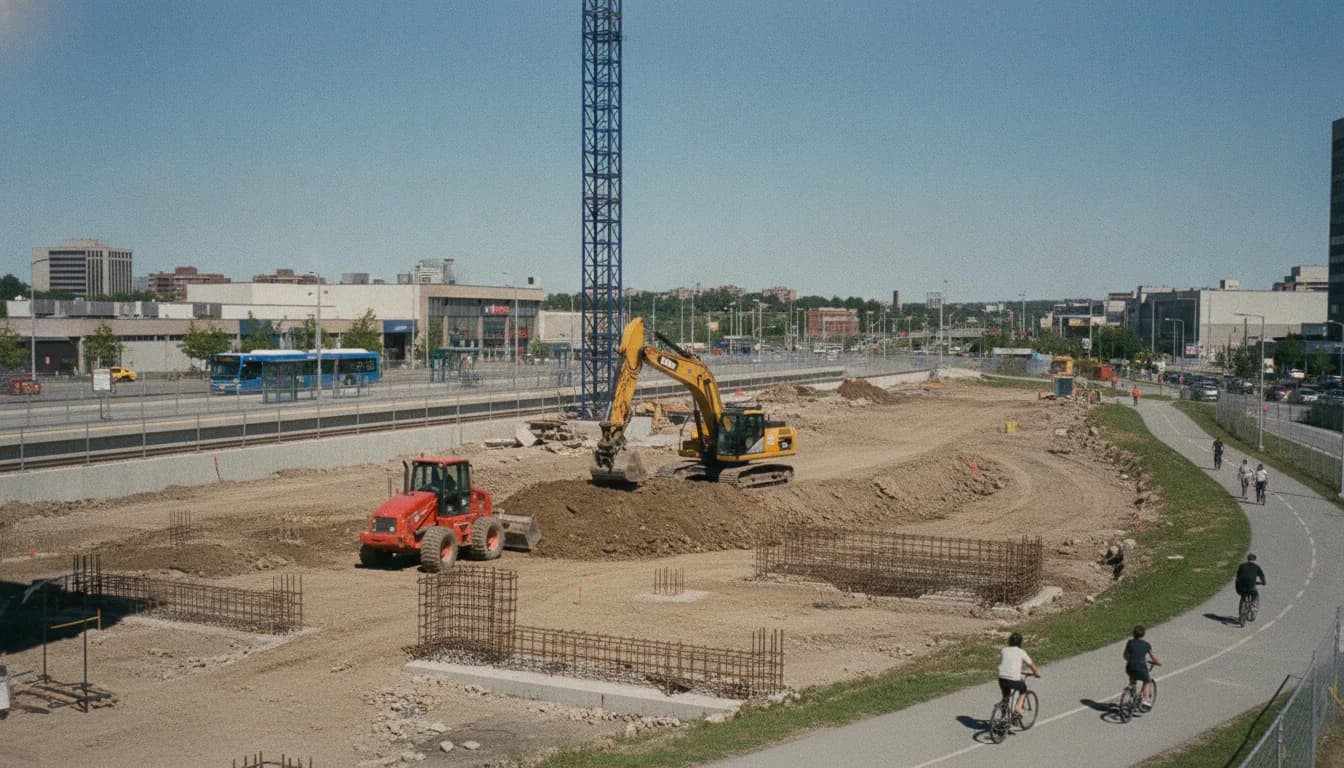
The Montréal Times reports a major new addition to Québec City’s urban fabric as the Alo Ste-Foy housing project moves from plan to construction. On May 7, 2026, iA Financial Group and Immostar announced the formal break ground for a seismic 18-story, 309-unit rental complex located in the Sainte-Foy transit hub. The project represents an investment of $118 million and signals a push toward transit-oriented, sustainability-focused housing in one of the city’s most strategic urban cores. First deliveries are anticipated in June 2028, with the project pursuing LEED certification as part of its sustainability objectives. This milestone matters for Montréal Times readers following technology-driven market trends and the evolving cityscape of Quebec’s urban centers. The collaboration between a major financial group and a seasoned developer underscores how public-private partnerships can catalyze densification while aligning with climate and mobility goals. According to the May 7, 2026 press release from iA Financial Group and Immostar, construction began in April 2026, and the development is designed to connect residents to a broader mobility network that includes the future tramway and regional bus routes. May 7, 2026 press release. (ia.ca)
What Happened
Announcement and Partners
- The Alo Ste-Foy project was officially announced on May 7, 2026, with representatives from iA Financial Group and Immostar detailing the start of construction on the 18-story, 309-unit complex. The release highlighted LEED certification goals and the project’s role in the Sainte-Foy transit hub, a key node for regional mobility. The investment figure accompanying the announcement was $118 million, reflecting the scale of the development and its potential to reshape housing supply at a transit-oriented site. The press release also emphasized the partners’ commitment to responsible urban densification and the integration of the project with the city’s evolving transit network. These details are documented in the official announcement. (ia.ca)
Project Scope and Design
- Alo Ste-Foy is described as an 18-storey rental condominium building offering 309 units, with unit configurations ranging from studios to larger family-sized homes. The project is designed to pursue LEED certification, underscoring a commitment to energy efficiency, high-performance building envelopes, and environmentally conscious design choices. Common areas are crafted to support work, leisure, and social interaction in a modern urban setting, reflecting Immostar’s emphasis on creating livable, sustainable living environments. The design approach aligns with the developer’s broader portfolio of green, WELL- and LEED-oriented projects, and signals a standard-bearer for sustainable dense housing in the region. (ia.ca)
Timeline and Delivery Milestones
- Construction began in April 2026, with a formal groundbreaking ceremony in May 2026 in the presence of project partners. The first units are scheduled for delivery in June 2028, marking a two-year construction horizon for the 309-unit complex. Delivery timing aligns with the project’s plan to bring new housing online in a densely populated mobility hub, supporting a growth in rental stock in a way that complements the planned tramway and other transit services. (ia.ca)
Location and Connectivity
- Located directly at the Sainte-Foy transit hub, Alo Ste-Foy maximizes proximity to multimodal transport options, including connections to the anticipated tramway, immediate access to North Shore and South Shore bus networks, and a bike-friendly footprint with a multi-use path and bike-sharing access nearby. The site sits on a parcel historically used for parking, which underscores a shift from surface parking to dense, contemporary housing that leverages existing transit infrastructure. This connectivity is a central pillar of the project’s value proposition for residents who prioritize mobility and reduced commute times. (ia.ca)
Why It Matters
Transit-Oriented Densification and Sustainability
- The Alo Ste-Foy project is presented as a concrete example of responsible urban densification, transforming underutilized parking space into a dense, vibrant living environment that integrates with a multi-modal transport network. The press release frames this as a model for future development, illustrating how dense urban housing can coexist with robust transit access and sustainable building practices. The bicycling and transit integration are highlighted as part of the project’s core strategy to reduce car dependence and encourage sustainable mobility. (ia.ca)
Broader Market Implications
- In the context of Québec City’s market and the broader Canadian urban housing landscape, Alo Ste-Foy contributes to the region’s rental supply at a time when demand for multifamily housing near transit hubs remains strong. The project’s scale—309 units—and the emphasis on LEED certification place it within a growing trend toward sustainability-driven housing that also seeks to maximize public transit usage, shorten commute times, and enhance quality of life for residents. The initiative is one of several accelerated housing projects enabled by recent urban policy changes in the area, reflecting a broader push toward faster approvals for transit-adjacent developments. For readers tracking market and policy dynamics, these elements provide a lens into how public policy and private investment intersect to shape urban growth. (quebecurbain.qc.ca)
Impact on Stakeholders and Community
- For tenants, Alo Ste-Foy promises modern units with varied configurations, designed for today’s lifestyles, including work-from-home amenities and social spaces that reflect contemporary living preferences. For the city, the project contributes to densification goals in Sainte-Foy, offering more housing options within a walkable, transit-connected environment. Local businesses stand to benefit from increased foot traffic in and around the Sainte-Foy hub, while the project’s emphasis on sustainability and transit access aligns with regional climate and mobility objectives. The project’s collaboration structure—Immostar as the developer and manager with iA Financial Group as a key investor and partner—also highlights a broader trend in which financial institutions participate directly in urban development to catalyze market activity. (immostar.ca)
Contextualizing Within Public Policy and Urban Trends
- Québec City’s accelerated housing initiatives, including expedited review under Loi 31, provide context for why Alo Ste-Foy is notable beyond its size and scope. The policy environment aims to shorten timelines for housing projects near major transit corridors, encouraging density in central urban areas while seeking to minimize friction with planning norms. The Quebec Urbain report on the Alo Ste-Foy site situates the project within this policy framework, noting the tramway’s proximity and the city’s use of accelerated processes to expedite construction on select sites. This backdrop helps explain why a project of this scale is feasible in a relatively short window and why it attracts attention from industry observers and local residents alike. (quebecurbain.qc.ca)
Mid-Body Quotable Judgment
- Alo Ste-Foy proves that you can do life in the city differently: better connected, more efficiently, without compromising on quality of life. This encapsulates the project’s core proposition and reflects the sentiment expressed by project partner leaders during the announcement. (ia.ca)
What’s Next
Construction Milestones and Milieu
- With the initial construction activity kicked off in early 2026, the Alo Ste-Foy project will proceed through multiple phases over the course of the two-year build-out, culminating in the delivery of the first units by mid-2028. The development emphasizes modern, bright living spaces, a high-performance envelope, and shared amenities designed to foster community among residents in a dense urban setting. Observers will be watching for milestones such as the completion of the building’s core structure, the installation of LEED-compliant systems, and steps toward achieving LEED certification. While the public schedule points to June 2028 as the first delivery window, additional updates will be necessary as the construction progresses toward occupancy. (ia.ca)
Delivery Timing and Market Readiness
- Immostar’s project overview confirms a summer 2028 delivery timeline, which aligns with the developer’s cadence for completing a complex of this scale in a high-demand urban corridor. This timing matters for the rental market in Québec City, offering a predictable influx of new stock in a market where demand for well-located, transit-connected housing remains robust. The combination of a ready-to-occupy product by mid-decade and LEED-focused design provides a compelling value proposition for tenants who prioritize sustainability and mobility. (immostar.ca)
Next Steps for Stakeholders and Residents
- For potential tenants, the Alo Ste-Foy housing project represents a new option within a dynamic transit-centric district. Prospective residents can expect ongoing updates from Immostar and iA as occupancy approaches, including details on leasing, unit layouts, and amenity rosters. For policymakers and planners, the project offers a case study in expedited, transit-oriented development that can inform future approvals, infrastructure integration, and sustainability standards. For the broader market, the Alo Ste-Foy project adds to the portfolio of developments that demonstrate how finance, development, and municipal policy can align to accelerate housing delivery while prioritizing transit access and environmental performance. (ia.ca)
Closing
The Alo Ste-Foy housing project marks a significant milestone in Québec City’s urban development, signaling a shift toward denser, transit-oriented living that leverages LEED standards and robust mobility connections. As construction advances through 2026 and 2027, the project will be watched closely as a barometer for how public policy, private capital, and sustainable design can converge to increase housing supply in a way that aligns with climate and mobility objectives. Readers seeking regular updates should monitor announcements from iA Financial Group and Immostar, along with coverage from local outlets such as Québec Urbain and Le Soleil, which have chronicled the project’s progress and context. The Alo Ste-Foy housing project stands as a focal point in the evolving narrative of urban housing, mobility, and sustainability in Quebec City.