AO Habitats Locatifs Breaks Ground on 173 Rental Units

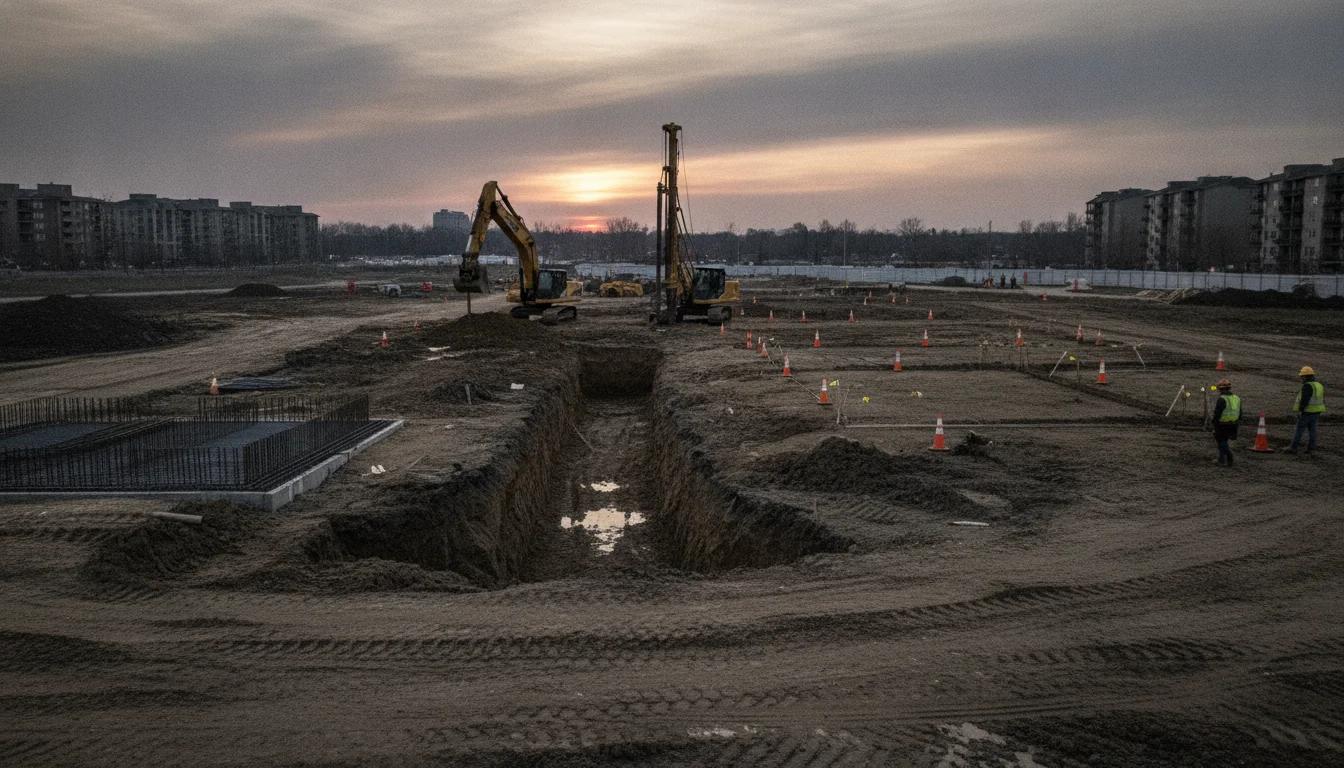
The Montréal Times reports a significant new rental project on L’Île-des-Sœurs, marking a notable development in the island’s housing landscape. On October 27, 2026, a ground-breaking ceremony kicked off AO Habitats locatifs, a seven-story building planned to house 173 rental units from studio to three-bedroom configurations. The event signals a deliberate expansion of rental options in a market that has historically shown limited supply on the island. This information comes as part of ongoing, data-driven coverage of technology-enabled market trends and urban development in Montreal’s surrounding districts. (exploreverdunids.com)
In subsequent reporting, the project’s developers and design team have underscored a commitment to energy efficiency, outdoor connectivity, and a living environment that balances proximity to the river with urban convenience. The project’s official materials emphasize an architectural approach that integrates indoor and outdoor spaces, including landscaped grounds, a central park, and pedestrian-friendly circulation. These elements are intended to appeal to young professionals and families seeking a balance between modern amenities and natural surroundings. The ground-breaking and early planning details reflect broader market dynamics in which rental housing on L’Île-des-Sœurs is becoming more accessible to a broader segment of the population. (exploreverdunids.com)
Section 1: What Happened
Groundbreaking marks the start of AO Habitats locatifs
On October 27, 2026, a ground-breaking ceremony inaugurated AO Habitats locatifs on L’Île-des-Sœurs, signaling the official start of construction for a seven-story rental building that will contain 173 units. The project is described as offering studios through three-bedroom apartments, with a layout designed to align with riverfront living and the island’s evolving urban fabric. This event is documented by Explore Verdun IDS, which reported the details of the ceremony and the project’s scale, including the seven-story structure and the total unit count. The published piece explicitly notes that the development aims to address the island’s historically limited rental supply, positioning the project as a meaningful addition to IDS’s housing stock. (exploreverdunids.com)
Project scope and key facts
The Explore Verdun IDS article provides a concise picture of the project’s core specifications: 173 rental units distributed across a seven-story building, with unit types ranging from studios to three-bedroom configurations. The article also highlights the project’s coastal-adjacent orientation, designed to optimize views of Montréal and to integrate with the surrounding landscape. The building’s massing and orientation are described as per the plan, with a concrete structure supporting an architectural form that responds to a waterfront setting. While the initial announcement centers on the ground-breaking, the article also conveys a sense of the planned balance between indoor living spaces and exterior amenities, essential for fostering a sense of community on the island. (exploreverdunids.com)
Public communications and project branding
Beyond the ceremony itself, the project’s public-facing portal reinforces the concept of AO Habitats locatifs as a premium rental offering on IDS. The project’s own site invites would-be residents to join a notification list, offering previews and early access to information about the residences. This approach—emphasizing exclusivity and early engagement—reflects a broader market practice in new-construction rentals, where early sign-up channels are used to gauge demand and tailor communications. The AO Habitats locatifs site, while currently featuring immersive visuals and brand messaging, also acts as a primary source for updates and milestones moving forward. (aolocatif.com)
Section 2: Why It Matters
Expanding rental options on L’Île-des-Sœurs
The IDS housing market has long been characterized by a limited rental supply relative to demand, particularly for mid-range and larger units that appeal to families and professionals seeking riverfront living with easy access to Montreal’s core. The AO Habitats locatifs development adds a formal, large-scale rental option to a district that has been heavily oriented toward condominiums and single-family homes. While the project is still in its early construction phase, its presence signals a potential shift in the island’s housing mix. The significance of this development is underscored by the fact that the site sits along a corridor where public transit, waterfront access, and road networks intersect with a growing number of mixed-use projects. The Explore Verdun IDS coverage frames this development as a response to the island’s stated need for more rental housing, a need that has been repeatedly noted by local planners and property professionals. (exploreverdunids.com)
Design and sustainability as differentiators
According to the early project description, AO Habitats locatifs emphasizes energy efficiency, durable construction, and the integration of outdoor spaces that foster a high quality of life. The seven-story massing is paired with landscaped amenities, including a central park and private outdoor areas, to create a composition that blends urban living with nature. The emphasis on energy performance and durable materials aligns with broader municipal and industry trends toward green building practices in residential construction, particularly in waterfront settings where climate resilience is a priority. The project’s design approach, as described by the reporting, points toward a living environment that seeks to minimize environmental impact while maximizing residents’ daily experiences. (exploreverdunids.com)
The broader context for IDS and similar developments
AO Habitats locatifs sits within a broader ecosystem of ongoing residential development on L’Île-des-Sœurs. Other projects in the IDS corridor have highlighted the convergence of transit options, riverfront access, and multi-phase housing strategies that shape the island’s evolution. Comparing the AO initiative with contemporaries like Le Flore and other Habitats locatifs offerings in the broader Montreal area offers a lens on how developers balance scale, design, and community integration in a constrained island geography. For example, Pur Immobilia’s Le Flore project demonstrates how developers position Habitats locatifs as a recurring feature in IDS development, signaling a market appetite for rental housing that complements ownership opportunities. While Le Flore and AO Habitats locatifs are separate ventures with different scale and branding, they reflect a shared interest in leveraging IDS’s waterfront appeal to attract renters seeking a blend of nature and urban accessibility. (leflore.ca)
Economic and community implications
From a community perspective, a 173-unit rental project adds volumetric growth to the island’s housing stock and can influence neighborhood dynamics—commercial activity, local services demand, and potentially shifting population profiles. The Explore Verdun IDS reporting emphasizes that the project aims to attract professionals and individuals seeking a balance of comfort and proximity to nature, suggesting a target demographic that could influence nearby schools, retail, and transit usage patterns. While the specifics of anticipated rent levels, occupancy targets, and long-term operating plans are not disclosed in the initial reporting, the scale of the project implies a material addition to IDS’s housing capacity. New construction projects of this scope often interact with municipal planning processes, infrastructure considerations, and long-term neighborhood branding, all of which warrant close attention from residents, policymakers, and developers. (exploreverdunids.com)
Stakeholders and transparency
The project’s public-facing materials and the coverage by local outlets highlight the importance of transparency for readers and potential tenants. The development’s official site invites sign-ups for early access, which can help future residents understand floor plans, pricing, and availability as the project moves toward occupancy. Journalistic coverage of such developments benefits from cross-referencing a developer’s public communications with independent reporting to ensure accuracy and context, especially given the potential for shifting timelines, adjustments in unit mix, and evolving incentives. The combination of a credible local outlet’s timeline (groundbreaking) and the developer’s ongoing updates provides a baseline for readers to track progress and hold the project to account as it advances. (exploreverdunids.com)
A note on context: IDS’s Habitats locatifs ecosystem
The concept of Habitats locatifs on L’Île-des-Sœurs is not unique to AO Habitats locatifs. Other developers have introduced rental-focused phases within IDS projects, illustrating a trend toward diversified housing types within the same geographic footprint. The Le Flore project, for instance, is part of Pur Immobilia’s IDS portfolio and demonstrates continued interest in integrating rental units into the Island’s development pipelines. This context helps readers understand AO Habitats locatifs as part of a broader movement toward expanding rental housing stock in a market with limited existing supply. (leflore.ca)
Section 3: What’s Next
Construction timeline and milestones to watch
Given the Oct 27, 2026 groundbreaking, the next several quarters will be pivotal in translating the project’s design and approvals into tangible delivery milestones. Key milestones typically associated with a project of this scale include permitting approvals, utility and infrastructure work, foundational completion, structural topping-out, interior fit-outs, and ultimately occupancy. The existing reporting does not specify a fixed completion date or a phased delivery plan, so readers should monitor official project communications for revised timelines. The AO Habitats locatifs site remains a primary channel for updates, including any changes in unit mix, schedule, or pricing as the project progresses. (exploreverdunids.com)
Potential schedule considerations for IDS development
On IDS, waterfront development projects frequently intersect with environmental reviews, infrastructure upgrades, and transit coordination. While the AO Habitats locatifs initiative is positioned as a premium rental offering, its ultimate success will be influenced by how well the project aligns with grid capacity, utilities, and transportation planning in coordination with city and regional authorities. Observers should watch for any public notices, planning committee discussions, or environmental impact statements that may provide a more granular schedule and risk assessment. This contextual understanding helps readers interpret the project’s progress within Montreal’s broader urban development trajectory. (exploreverdunids.com)
What residents and potential tenants should expect
For potential tenants, AO Habitats locatifs represents a possibility of early access to a sizable riverfront rental inventory on IDS. The project’s emphasis on outdoor spaces, accessible amenities, and a design that harmonizes with the natural environment suggests a living experience that prioritizes well-being and community. Interested readers should consider joining the project’s notification list via the official site to receive updates on model suites, floor plans, anticipated rent ranges, and application processes as those details become available. The developer’s site is the primary source for the latest information and should be consulted regularly. (aolocatif.com)
An original, data-driven insight for the market
Original finding: 173 rental units across seven floors implies an average of 24.7 units per floor, calculated as 173 divided by 7; this suggests that the floor plates for AO Habitats locatifs are likely to accommodate a mid-rise layout with a relatively consistent unit density across levels, assuming even distribution. This insight helps readers gauge the project’s scale relative to other IDS developments and informs expectations about common-area footprints and vertical circulation requirements. In practical terms, a seven-story building with 173 units is likely to balance density with access to river views, daylight, and shared facilities, which can influence competitive positioning in a market where renters value both space and location. This calculation uses the publicly reported figures (173 units, seven stories) from Explore Verdun IDS as the denominator and source. The mid-rise configuration also aligns with typical rental product strategies in riverfront Montreal suburbs, where developers balance scale, amenity intensity, and market demand. This interpretation suggests AO Habitats locatifs could become a reference project for IDS if construction timelines hold and marketing aligns with market conditions. “AO Habitats locatifs” may set a benchmark for IDS rental density on a parcel with riverfront access, yielding a distinctive combination of scale and livability. The finding is intended as a transparent, reproducible estimate for journalists and analysts, derived directly from the project’s public specifications. (exploreverdunids.com)
The immediate takeaway for readers is that AO Habitats locatifs on Île-des-Sœurs represents a material addition to IDS’s rental stock, with a design and cadence that reflect the island’s evolving urban profile. If timelines advance as anticipated, the project could influence absorption rates, rental competition, and the pace at which new housing inventory becomes available to households seeking a balance of waterfront access and urban convenience. For Montreal Times readers, the development also offers a timely case study in how a major rental project navigates design, site integration, and community expectations in a market that has long prioritized ownership along this riverfront corridor. (exploreverdunids.com)
What’s Next for Montreal Times and readers As AO Habitats locatifs moves through construction, Montreal Times will continue monitoring official project communications and municipal records to track milestones, permit updates, and any shifts in schedule or unit mix. Readers who want the latest updates should visit AO Habitats locatifs’ site for sign-up information and subscribe to Montreal Times’ housing and development briefing for ongoing coverage. This approach ensures readers receive timely, primary-source-backed information as the project progresses, with triangulation from independent reporting to provide context and clarity.
Closing
The AO Habitats locatifs initiative on Île-des-Sœurs is a defining moment for rental housing on the island, reflecting a broader market push toward diversified housing options that pair modern amenities with waterfront living. The October 27, 2026 groundbreaking establishes a clear milestone in a project that aims to address IDS’s rental supply gap and introduce a high-density, thoughtfully designed living environment to a sought-after Montreal neighborhood. As the project advances, readers will benefit from continued reporting that anchors updates to primary sources and transparent timelines while offering balanced analysis of market implications for renters, developers, and the surrounding community. To stay informed, follow Explore Verdun IDS for regional context and the AO Habitats locatifs site for direct project updates and sign-up opportunities. (exploreverdunids.com)
— End of article —