Arctic diplomacy Canada Greenland Alaska: New consulates

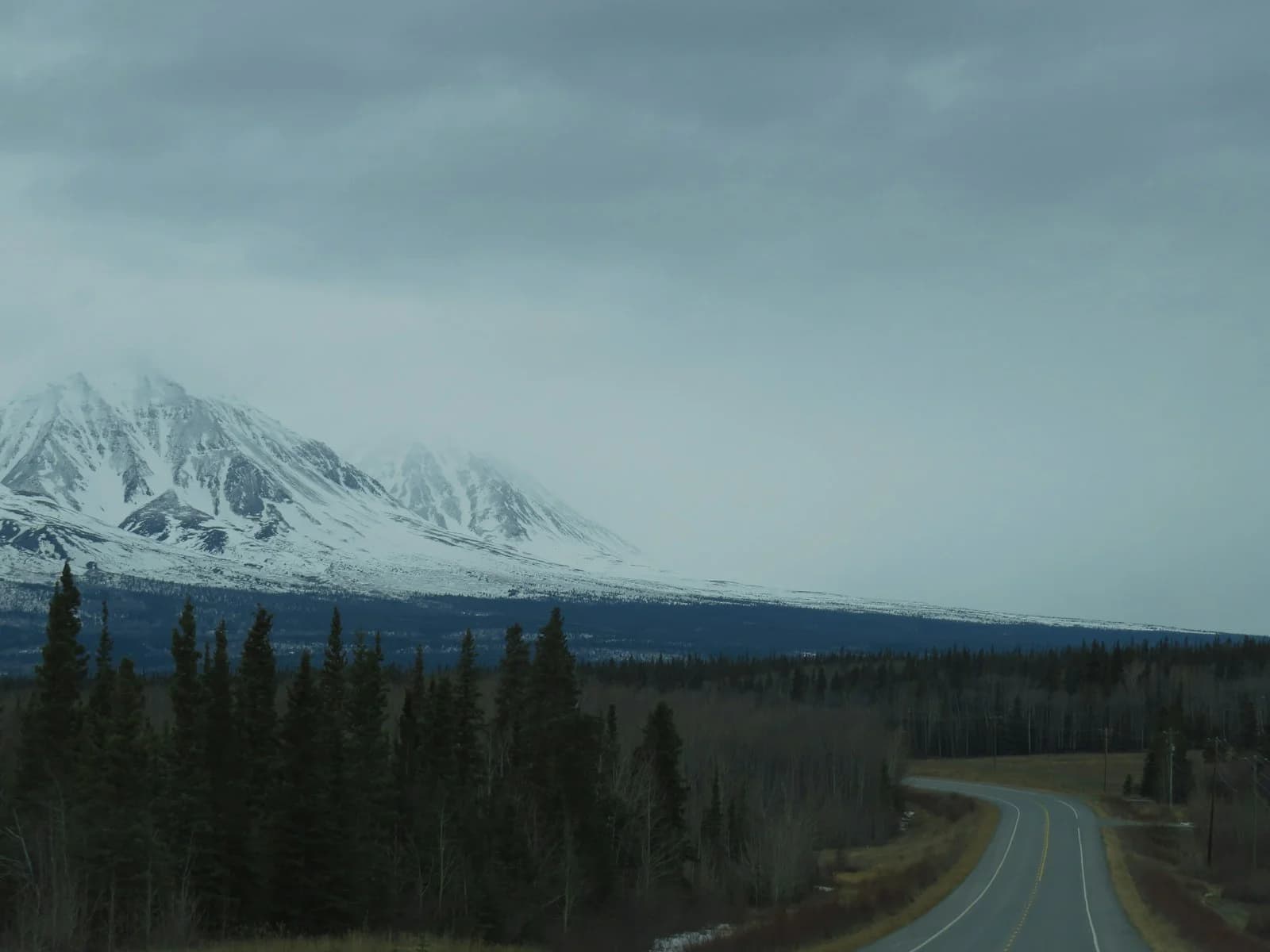
Canada’s Arctic diplomacy has entered a new phase as Ottawa moves to deepen its presence in the northern extremities of North America. On December 16, 2025, Canada’s foreign affairs leadership announced plans to open two new consulates in Nuuk, Greenland, and Anchorage, Alaska. The announcement underscores a wider Arctic foreign policy push that aims to bolster sovereignty, security, economic collaboration, and scientific cooperation in a region undergoing rapid political and environmental change. Minister of Foreign Affairs Anita Anand framed the decision as a practical step to reinforce Canada’s role in the Arctic amid shifting geopolitics, melting sea ice, and expanding interest from major powers. The news arrives as Canada’s Arctic Foreign Policy framework continues to take shape, building on a formal plan released in late 2024 that outlined the creation of an Arctic ambassador, new consulates, and expanded security and diplomatic dialogues. (reuters.com)
The government’s plan to establish a permanent diplomatic foothold in Greenland and Alaska is part of a broader strategy to connect Canada’s domestic Arctic reality with its international posture. The mid-2024–mid-2025 policy outline emphasized the Arctic as a central foreign policy priority, highlighting the role of Indigenous partners, regional governance, and cross-border collaboration with the Nordic states and the United States. The formal Arctic Foreign Policy document also signals a willingness to channel funding into Arctic governance, diplomacy, and security measures. In practical terms, the Nuuk and Anchorage offices are expected to serve as hubs for diplomacy, trade liaison, science partnerships, and people-to-people ties across the circumpolar north. The government notes that this diplomatic expansion will make the Canadian and North American Arctic more secure and create new opportunities for economic cooperation, scientific collaboration, and cultural exchange. (international.gc.ca)
In interviews surrounding the announcement, Foreign Affairs Minister Anita Anand described the Arctic as Canada’s top foreign policy priority, citing strategic shifts as nations modernize their Arctic infrastructure and navigation becomes more feasible with changing ice conditions. The Reuters interview captured Anand stressing that the Arctic is “so, so important now” as Russia’s activity increases in northern regions and the Northwest Passage becomes more navigable. She also signaled that a future Anchorage consulate date would be set in due course, while Nuuk had faced weather-related delays earlier in the year. These concrete steps align with a coordinated push across Nordic partners and NATO to ensure Canada’s sovereignty and to encourage multilateral cooperation in Arctic security and governance. The United States has already intensified Arctic activity in recent years, amplifying the stakes for Ottawa’s diplomatic moves. >, Anand’s remarks in the Reuters report reflect a broader regional concern about strategic competition in the Arctic. (reuters.com)
What this means for readers of the Montréal Times is twofold: first, a more visible Canadian diplomatic footprint in the High North; second, a clearer policy signal that Arctic leadership hinges on a blend of sovereignty, security, and cooperative development. The Arctic Foreign Policy framework published by Global Affairs Canada in 2024 envisioned a suite of concrete deliverables to support this expanded presence, including opening consulates in Anchorage and Nuuk, appointing an Arctic ambassador, and creating new channels for Arctic security dialogue with like-minded states. The official policy package underscores that the Arctic Council remains a central multilateral forum for governance, while bilateral and regional relationships—especially with the United States and Nordic partners—assist Canada in managing cross-border challenges such as border security, resource development, indigenous rights, and environmental stewardship. (international.gc.ca)
Section 1: What Happened
Announcement and key figures
On December 16, 2025, Ottawa confirmed a bold expansion of Canada’s Arctic diplomacy by announcing two new consulates: one in Anchorage, Alaska, and another in Nuuk, Greenland. The public disclosure came through Foreign Affairs Minister Anita Anand, who has positioned the Arctic as the central axis of Canada’s foreign policy portfolio. The Reuters report signals that Prime Minister Mark Carney’s government intends to bolster Canada’s military and security footprint in the Arctic as part of a long-term plan. Anand framed the Arctic as a region of growing strategic importance, noting that Moscow’s infrastructure activity northward and the increasingly navigable Northwest Passage are reshaping regional dynamics. The government’s stated aim is to strengthen Canada’s sovereignty and to facilitate closer cooperation with the United States, Denmark, and other Arctic stakeholders. (reuters.com)
In parallel, Ottawa’s official policy documents outline a structured approach to implementing these goals. The Arctic Foreign Policy framework, released in 2024, details a spectrum of tools and institutions designed to support a more integrated Arctic strategy—from appointing a dedicated Arctic ambassador to launching formal security dialogues with like-minded Arctic states. The policy notes that the Alaska and Greenland locations are intended to deepen diplomatic engagement, support science and culture exchange, and spur cross-border trade and investment. The policy also documents the expectation that Arctic governance will be enhanced through ongoing collaboration with Indigenous peoples and northern communities. (international.gc.ca)
Locations, timelines, and scheduling
A central element of the announcement is the selection of Anchorage, Alaska, and Nuuk, Greenland, as key nodes in Canada’s Arctic diplomacy network. The Nuuk consulate was initially scheduled to open in November of the previous year but was postponed due to weather conditions, with no precise date given for Anchorage as of the initial disclosure. Anand indicated that the two offices would be integrated into a broader Arctic policy framework designed to advance Canada’s strategic priorities, including security, research collaboration, and economic partnerships across the circumpolar region. While the exact launch date for Anchorage remains to be confirmed, government communications emphasize that both offices will play a critical role in linking Canada’s domestic Arctic governance with international diplomacy and regional security architectures. (reuters.com)
In essential background, Canada’s Arctic Foreign Policy lays out the structural logic behind this move: a central coordinating role for an Arctic ambassador, offices in northern Canada, and the establishment of new consulates overseas to strengthen Canada’s presence in the North American Arctic and the broader Nordic region. The APF document also highlights the anticipated benefits of these steps—greater trade visibility, enhanced cooperation on climate resilience and environmental protection, and stronger cross-border indigenous and cultural ties. The official materials confirm that the Anchorage and Nuuk consulates are not isolated moves but integral components of an overarching diplomatic plan intended to give Canada a more continuous, visible footprint in a rapidly changing Arctic. (international.gc.ca)
Policy framework and groundwork
The 2024 Arctic Foreign Policy package provides the policy scaffolding for these diplomatic moves. It explicitly calls for appointing an Arctic ambassador who will coordinate with Indigenous groups, territorial governments, and northern partners to align domestic and foreign priorities, and to elevate Canada’s polar interests in multilateral settings. It also anticipates the creation of an Arctic security dialogue among foreign ministers of like-minded Arctic states, ensuring that cross-border security concerns—ranging from border co-operation to defence modernization and information sharing—are addressed in a formal, ongoing forum. The framework’s emphasis on pragmatic diplomacy, indigenous inclusion, and cross-border market access underlines the rationale for establishing Nuuk and Anchorage as durable, embassy-like presences that can catalyze concrete outcomes. (international.gc.ca)
Section 2: Why It Matters
Sovereignty and security implications
Canada’s Arctic diplomacy push—articulated through high-level government policy and reinforced by the recent consulate announcements—reflects a broader calculation about sovereignty in a region experiencing rapid geopolitical and environmental change. The Arctic is moving from a relatively low-tension environment to a more contested space as climate change expands navigation routes and as non-Arctic states seek greater influence. The Arctic Foreign Policy document explicitly frames the Arctic as an arena where Canada must defend its sovereignty, strengthen its security posture, and coordinate with allied states to deter potential coercion or interference. The inclusion of an Arctic ambassador and a formal security dialogue mechanism signals a move toward more structured, routine attention to Arctic security threats, including foreign interference, cyber activity, and the enforcement of international norms in a changing environment. The Reuters report captures the heightened importance of the region as a strategic chessboard, with Russia and other powers intensifying their Arctic presence. (international.gc.ca)
Moreover, the plan to open consulates in Nuuk and Anchorage aligns with a longer-running pattern in Arctic diplomacy: coastal and circumpolar states seeking closer cross-border cooperation to manage shared challenges—such as search-and-rescue coordination, environmental monitoring, and the protection of maritime boundaries—within a rules-based international order. The Arctic Council, alongside bilateral channels, remains central to these efforts. Canada’s approach, as outlined in official materials, emphasizes pragmatic diplomacy and secure, predictable governance in the Arctic while also projecting Canadian leadership in Arctic governance, science, Indigenous rights, and northern development. (international.gc.ca)
Economic and scientific implications
The Arctic is increasingly seen as a hub of mineral resources, energy potential, and strategic trade routes, with climate-driven changes unlocking new opportunities for research, mining, fisheries, and logistics. Canada’s Arctic Foreign Policy highlights market access and Indigenous-led development as core goals, with the Nuuk and Anchorage offices positioned to facilitate cross-border business ties, research partnerships, and investment dialogues. The government’s funding framework—announced in late 2024 and reinforced through subsequent policy documentation—allocates resources to support Arctic leadership initiatives, including the Global Arctic Leadership Initiative and the new Arctic ambassador’s office. These investments are designed to accelerate collaboration with Arctic allies and Indigenous partners while advancing Canadian interests in scientific research, environmental protection, and sustainable economic activity in the North. (canada.ca)
Independent observers and scholars have noted that expanding diplomatic footprints in the Arctic can catalyze practical collaborations: joint research programs on climate resilience, shared infrastructure planning, and synchronized search-and-rescue capabilities across North American and Nordic partners. The Arctic Yearbook’s recent notes on Canada’s policy suggest that while much of the policy’s early language is aspirational, the combination of ambassadorial leadership, new consulates, and security dialogues creates a framework for measurable progress in governance, security, and Northern economic development. The new consulates can be seen as enabling platforms for Canadian firms, universities, and Indigenous organizations to partner with counterparts in Alaska and Greenland on multiyear, cross-border initiatives. (arcticyearbook.com)
Indigenous and northern perspectives
A robust thread running through Canada’s Arctic diplomacy is the central role of Indigenous Nations and Northern communities. The Arctic Foreign Policy places Indigenous voices, self-determination priorities, and cross-border mobility at the core of its diplomacy, signaling that the Nuuk and Anchorage posts should operate in close consultation with Indigenous partners and northern governments. This approach aligns with a broader Canadian policy tradition that emphasizes co-management, direct engagement with Indigenous authorities, and respectful knowledge exchange as essential to Arctic governance. In practice, the new consulates are expected to support not only formal state-to-state relations but also people-to-people ties, academic collaborations, and cultural exchange programs that reflect the Arctic’s diverse communities. The official materials articulate these goals clearly, describing a diplomacy that is informed by Indigenous perspectives and designed to benefit northerners. (international.gc.ca)
Section 3: What’s Next
Timeline and next steps
Looking ahead, Ottawa’s announcements outline a set of concrete steps and milestones. The Arctic ambassador position—highlighted in the Arctic Foreign Policy framework—will serve as a central coordinator, bridging domestic northern governance with international diplomacy, research initiatives, and multilateral engagement. The establishment of Anchorage and Nuuk as consulates is expected to catalyze enhanced trade and investment dialogues, environmental monitoring collaborations, and joint science projects with Alaska and Greenland. The policy framework also contemplates a formal Arctic security dialogue among foreign ministers, a mechanism that could see annual or semi-annual meetings aimed at sharing analyses, coordinating responses to security threats, and aligning joint capabilities with like-minded Arctic states. Finally, the policy envisions increased domestic information sharing with territorial governments and Indigenous leaders to ensure a national security lens informs Arctic research and development. These are not speculative ideas; the policy documents and ministerial statements lay out precise deliverables and governance mechanisms that will unfold over the next several years. (international.gc.ca)
What to watch for in the near term
Several concrete indicators will reveal how quickly Canada translates this diplomacy into tangible outcomes:
-
A formal date for the Anchorage consulate opening, and a confirmed launch schedule for Nuuk’s consulate, enabling bilateral programs in trade, research, and cultural exchange. Reuters reports indicated Nuuk faced weather-related delays but did not set a firm Anchorage date as of December 16, 2025; observers will watch for updated timelines in Canada’s diplomatic announcements and Nordic partner communications. (reuters.com)
-
The appointment of the Arctic ambassador and the establishment of the Arctic security dialogue, with initial meetings among foreign ministers of Arctic states. The policy framework explicitly calls for these steps, and subsequent official statements will likely publicize candidate appointments, office locations, and scheduling milestones. (international.gc.ca)
-
Funding disbursements tied to the Arctic Foreign Policy and the Global Arctic Leadership Initiative, including the multi-year financing to support Arctic-based diplomacy, security, and Indigenous engagement. The government’s backgrounder provides specific numbers that will guide budget allocations and program activities. (canada.ca)
-
Cross-border cooperation initiatives with Alaska and Greenland in areas such as border management, environmental protection, climate resilience, and Arctic science. The Arctic Foreign Policy emphasizes pragmatic diplomacy with a focus on market access and Indigenous participation, and the consulates are expected to serve as focal points for these efforts. (international.gc.ca)
Public and industry implications for readers
For business leaders, researchers, and policymakers in Montréal and beyond, the announcement signals a potential expansion of opportunities in Arctic science, mineral exploration, logistics, and cross-border trade. Alaska’s energy and mineral sectors, Greenland’s evolving mining landscape, and Canada’s northern provinces and territories could experience increased cooperation in supply chains, technology transfer, and research collaboration. Canadian and Nordic institutions are likely to seek more formal partnerships with Alaskan and Greenlandic researchers, potentially accelerating joint climate studies, Arctic infrastructure pilots, and Indigenous-led enterprise development. The official documents repeatedly emphasize that these efforts are designed to be inclusive, governance-forward, and aligned with Indigenous rights and northern livelihoods, making sure that the benefits of Arctic diplomacy are broadly shared with northerners. (canada.ca)
Closing
As Arctic diplomacy Canada Greenland Alaska takes shape, Montréal Times will monitor how the consulates in Nuuk and Anchorage translate policy commitments into real-world outcomes. The decision to broaden Canada’s Arctic footprint reflects a broader trend among northern states to treat the Arctic as a strategic theatre for governance, science, and commerce, rather than a peripheral frontier. The government’s stated objective is clear: a secure, prosperous, and collaborative Arctic that respects Indigenous voices and strengthens cross-border ties while safeguarding Canadian sovereignty. In the months ahead, readers can expect regular updates on consulate operations, ambassadorial appointments, security dialogues, and new partnership frameworks that bring Canada’s Arctic foreign policy into closer alignment with northern realities and global currents. The story of Arctic diplomacy is still unfolding, and the next chapters will reveal how effectively Canada’s Arctic Foreign Policy translates into durable, tangible benefits for northern communities and for international partners alike. (reuters.com)
In sum, the December 16, 2025 announcement marks a milestone in Arctic diplomacy, signaling a more durable Canadian presence in Greenland and Alaska and signaling long-term cooperation across the circumpolar north. The confluence of sovereignty, security, trade, science, and Indigenous engagement defines this next phase of Arctic policy, as Canada seeks to ensure that its northern neighbors—Greenland and Alaska—are not only regions of strategic interest but also sites of constructive collaboration in a changing world. (reuters.com)