Ashton Montreal Restaurant Opening Reshapes Downtown Dining

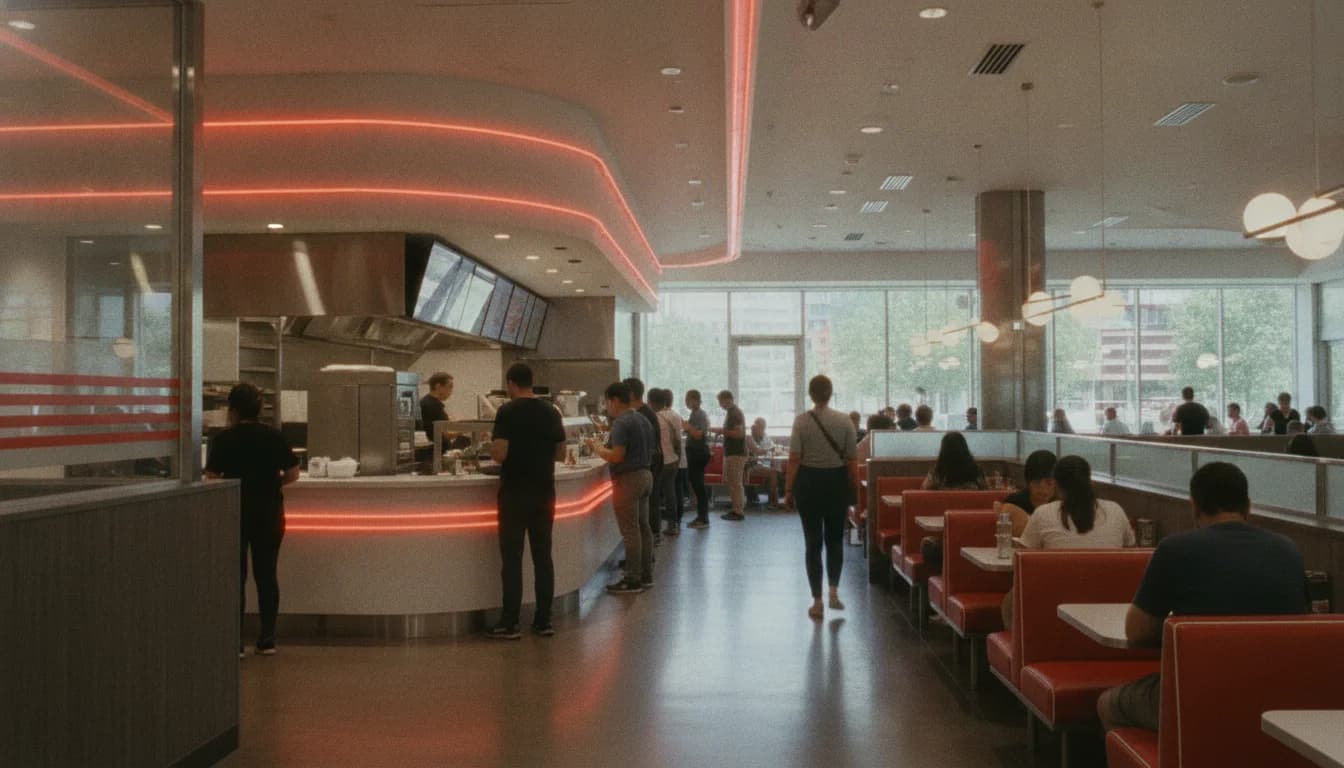
Montréal Times reports a significant development in the city’s dining and tech-enabled service landscape: Ashton, the Quebec-based poutine and fast-casual brand, has announced its first full Montreal island location. The new Counter concept is slated to open this summer, with the venue located in the Complexe Desjardins food court in downtown Montréal. The announcement signals a deliberate expansion into Montreal’s urban core and raises expectations for how tech-enabled ordering and delivery will intersect with a high-traffic, festival-oriented city environment. The plan underscores Ashton’s franchised growth model as a foothold for rapid scale in the Greater Montréal area, a strategy the company has reiterated as part of its broader expansion across the island. The opening is framed as a milestone for both the brand and the local Montreal market, where residents have long anticipated an Ashton presence on the island. This development matters because it places a well-known Quebecois staple—poutine—into a dense, transit-rich downtown setting with an emphasis on online ordering and delivery, aligning with broader market trends toward digital channels in foodservice. As the city gears up for festival seasons and a thriving lunch-and-dinner economy, the Ashton Montreal restaurant opening sits at the intersection of traditional Quebec cuisine and modern hospitality technology. (tvanouvelles.ca)
The opening also arrives on the heels of Ashton’s prior expansion milestones. The Mirabel location opened in October 2025, providing a proof point that the brand’s model resonates beyond its Québec City roots and into Montréal’s demographically diverse landscape. This summer timing positions the Montreal operation as a test case for franchise-driven growth in a market known for strong brand loyalties and competitive poutine options. Industry observers frame this move as part of a broader trend where successful regional chains extend into urban centers via franchised formats, leveraging delivery and online ordering to reach new customer segments. In Montréal, this approach aligns with a city that already hosts a dense network of food halls, office clusters, and cultural venues—factors that can amplify foot traffic and digital order volume during peak seasons. The plan to open in Complexe Desjardins, a central hub near the Quartier des Spectacles, is noted as a strategic choice to maximize exposure while testing an efficient, lower-overhead footprint for a first Montreal island location. (journalmetro.com)
Section 1: What Happened
Announcement confirms Montreal debut and scope
Ashton publicly announced its intention to open a restaurant on the Île de Montréal this summer, marking the brand’s first full Montreal island presence. The official notice specifies that the new counter will operate inside the Complexe Desjardins’ food court in downtown Montréal, with an emphasis on maintaining Ashton’s classic menu offerings, including poutine in multiple formats, burgers, and other comfort-food staples. The plan also includes online ordering and delivery services, extending access beyond traditional dine-in hours. This development was reported by major Montreal outlets in late February 2026, establishing a clear timeline for the opening window and the venue's format. (tvanouvelles.ca)
Location, timing, and menu specifics
The Montreal opening is described as a franchised operation, signaling a scalable model intended to fuel additional island growth in the coming years. The Montreal outlet is positioned to complement an existing Mirabel location that opened in October 2025, suggesting a measured, test-driven expansion into the metropolitan area. In terms of timing, Journal Métro has reported the counter is expected to open toward the end of June or the beginning of July 2026, aligning with a pivotal window when downtown foot traffic rises during summer events and festivals. This precise timing detail—late June to early July 2026—offers readers a concrete date range to anticipate, even as exact opening hours may adjust closer to launch. (journalmetro.com)
Franchise model and growth plans
Ashton’s leadership describes a franchise-first approach to accelerate Montreal-area growth, a strategy reinforced by the company’s public statements and coverage in local outlets. The Journal Métro piece notes the franchised nature of the Montreal location and frames this as the first step in a broader ambition to establish additional Montreal sites in the years ahead. The owners, Émily Adam and Jean-Christophe Lirette, have billed the Desjardins project as a strategic entry point to test market viability before pursuing broader expansion. Additional context from coverage of Ashton’s broader corporate moves indicates a deliberate sequence: acquiring La Banquise in November 2023, leveraging existing assets to support growth, and then pursuing direct exposure in central Montréal via Complexe Desjardins. These milestones collectively illustrate a measured, asset-light expansion philosophy designed to balance brand strength with local market dynamics. (journalmetro.com)
Section 2: Why It Matters
Downtown Montreal as a strategic testing ground
Downtown Montréal’s Complexe Desjardins sits in a high-foot-traffic corridor adjacent to Place des Arts and the Quartier des Spectacles—areas known for concerts, festivals, and a dense daytime workforce. The new Ashton counter’s placement in this location is more than a symbolic first for the island; it creates a live testbed for measuring customer flow, ordering patterns, and delivery efficiency in a setting where cultural events and business activity converge. Observers note that this strategic choice could yield valuable data on how a franchised, fast-casual concept with a robust online and delivery footprint performs in a compact, high-density urban environment. Local coverage underscores the venue’s potential to capture lunch, post-theater, and weekend crowd segments, reinforcing the business case for urban franchises in foodservice. (journalmetro.com)
Technology and customer experience as differentiators
A central theme in Ashton’s Montreal rollout is the integration of technology to streamline ordering, pickup, and delivery. Journal Métro’s reporting highlights that the new counter will offer online ordering and delivery options, ensuring consistent access to Ashton’s full menu beyond regular hours. This emphasis on digital channels aligns with broader restaurant technology trends that many operators adopted during the pandemic era and have since embedded as standard practice. Industry analyses cited in 2025–2026 reports point to continued growth in online ordering, delivery logistics, and front-of-house tech like digital kiosks and mobile payments as key drivers of efficiency and customer satisfaction. While numbers vary by market, the underlying trend is clear: operators that optimize digital channels tend to perform better on order accuracy, speed, and repeat business. In Montreal, Ashton’s adoption of an omnichannel approach could set a precedent for other regional players seeking to translate a strong brand into a downtown, tech-enabled experience. (journalmetro.com)
Franchise strategy and market implications
Ashton’s expansion into Montréal represents more than a single store opening; it demonstrates a deliberate franchising strategy to scale quickly through partner operators while leveraging an established menu and brand identity. Coverage notes that the Mirabel location’s early success helped validate the Montreal island opportunity, encouraging the franchised model to push forward into a dense urban market. For local consumers, this means a familiar brand is entering a competitive environment where La Banquise and other Quebecois staples vie for attention. For investors and franchisees, the move signals potential returns tied to brand loyalty, efficient delivery, and the ability to standardize operations across multiple sites while sheparding growth in a city known for both culinary appetite and strong regional competition. (journalmetro.com)
The cultural and economic context for poutine in Montreal
Montreal has long embraced a diverse foodscape where poutine is both a cultural icon and a commercial magnet. Ashton’s arrival on the island taps into a broader narrative about regional brands extending their reach into urban cores, balancing heritage with modern consumer expectations. Media coverage surrounding Ashton’s Montreal entry emphasizes not only the brand’s heritage—rooted in Quebec’s long-standing love affair with poutine—but also the strategic logic of scaling via franchised operations, a model that may influence neighboring operators to pursue similar growth paths. The dynamic tension between tradition and modern delivery systems is likely to shape how Montreal’s food scene evolves over the next several years, potentially accelerating investments in digital ordering, delivery infrastructure, and data-driven marketing. (mtltimes.ca)
Section 3: What’s Next
Short-term milestones to watch
The most immediate milestone is the scheduled opening window: late June to early July 2026, with a formal entrance in the Complexe Desjardins food court. As readers, monitor official Ashton channels and Montreal trade coverage for any updates on the exact opening date, hours, and any soft-launch events designed to introduce the brand to downtown shoppers and theatergoers. The Journal Métro reporting explicitly ties the June/July window to the brand’s downtown rollout, and Baron Mag’s industry-focused coverage also reinforces the same timeline, highlighting the significance of this summer introduction. Readers should also expect ancillary activations around festival seasons in downtown Montreal, which could drive early traffic bursts and social-media engagement. (journalmetro.com)
Potential expansion and long-term plans
If the Desjardins project proves successful, Ashton’s franchise-led approach could accelerate further Montreal-area openings beyond the initial island entry. Coverage of Ashton’s growth notes the strategic intent to expand within Montreal through franchised units, building on Mirabel’s performance as a proving ground. The company’s leadership has indicated a broader plan to extend into Montréal in the coming years, with the downtown Desjardins location serving as a pivotal test case. Observers will be watching how this expansion unfolds in a market with established poutine loyalties and a high bar for quality, consistency, and value. For industry watchers and potential franchisees, the Desjardins launch may signal a doorway into a larger urban footprint if the concept aligns with market demand and operational scalability. (journalmetro.com)
What to watch in the tech-enabled dining space
Beyond the physical opening, the Ashton Montreal restaurant opening is a bellwether for how tech-enabled dining performs in a central urban hub. Key indicators include the balance between in-person traffic and digital orders, the efficiency of online ordering and delivery workflows, and the ability to handle peak periods during festivals and concerts. Analysts and operators alike will be keen to see how a franchised model handles supply chain, back-of-house coordination, and customer experience at scale in a downtown food court setting. In this context, Ashton’s strategy to offer online ordering and delivery is not simply a convenience feature; it is a core capability that could influence staffing, kitchen flows, and the brand’s overall value proposition in a crowded Montreal market. (journalmetro.com)
Closing
Ashton Montreal restaurant opening marks a notable milestone for both the brand and Montreal’s urban dining scene. With a downtown Desjardins location, a franchised growth approach, and a strong emphasis on digital ordering and delivery, the launch is poised to provide a real-world read on how traditional Quebecois comfort foods perform in a tech-forward, high-traffic environment. The decision to colocate within the Complexe Desjardins food court places Ashton at the heart of Montreal’s cultural and economic activity, offering a unique window into how new entrants navigate the city’s festival-driven cycles and competitive food landscape. As the summer window approaches, readers should expect continued updates from local outlets and the brand itself as opening dates firm up and first impressions crystallize.
In the weeks ahead, Montréal Times will continue to track the Ashton Montreal restaurant opening, including any additional locations announced under the franchise strategy and the evolving technology stack that supports ordering, pickup, and delivery. Stay tuned for on-site reporting as Downtown Montréal prepares to welcome a new entrant that promises to blend heritage poutine with contemporary convenience in a city known for both.