Ax-C Startup Hub Montreal Reshapes Tech Scene in 2026

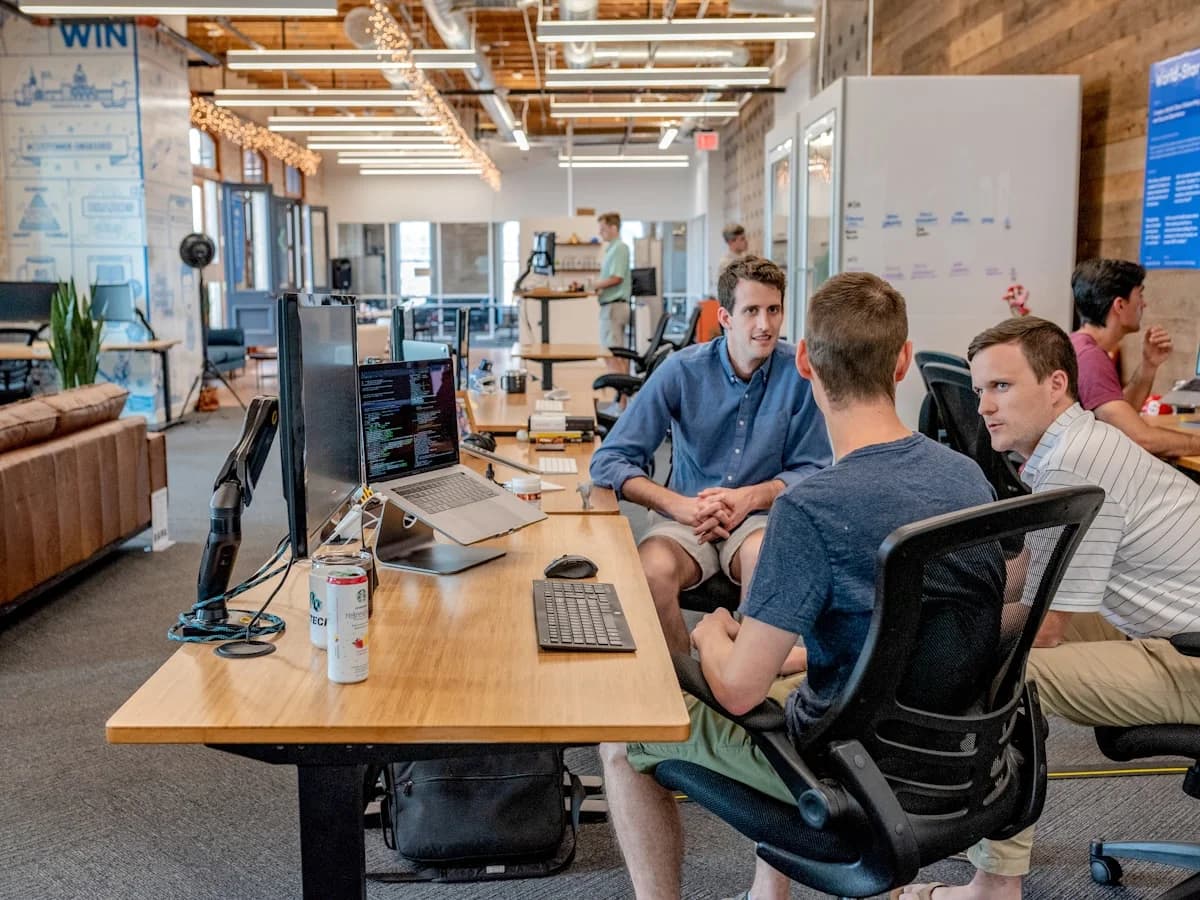
Montreal’s tech scene received a tectonic shift with the emergence of Ax-C startup hub Montreal, a purpose-built innovation campus anchored in the city’s downtown core. Officially announced in 2023 and brought to life in the Place Victoria Tower, Ax-C is designed to fuse startups, universities, investors, and industry partners under one roof. The project sits at the intersection of public policy and private sector pull, embodying a broad, long-range plan to advance Quebec’s position as a global hub for innovative entrepreneurship. With a 100,000-square-foot footprint and a promise to host dozens of high-growth startups, Ax-C signals a new era for Montreal’s capital-intensive tech economy. Its opening has been framed as a milestone in Quebec’s 2022–2027 innovation strategy, and early momentum has sparked interest from cities around Canada and beyond seeking a model for open collaboration between academia, government, and industry. (newswire.ca)
The project’s leadership emphasizes a global outlook for Montreal, aiming to welcome investor delegations and scale-up activity in a way that parallels world-class hubs. Geneviève Leclerc, who leads Ax-C, has framed the hub as a destination for international discovery in Quebec’s technology landscape, while working in tandem with Québec Tech (the rebranded Startup Montréal) to deliver a complementary service mix alongside established incubators and accelerators. The official narrative positions Ax-C as more than a coworking space: it’s a curated ecosystem that integrates accelerators, labs, and dedicated event spaces to accelerate the commercialization of innovations developed in Montreal and surrounding regions. (meet.mtl.org)
Section 1: What Happened
Announcement and anchors
In December 2023, government and partner institutions announced the creation of Ax-C as a major downtown Montreal anchor, anchored in the Place Victoria Tower’s trading-floor heritage. The press materials highlighted a public investment total of $48 million and the involvement of multiple government levels, with École de technologie supérieure (ÉTS) positioned to operate the real estate component and Startup Montréal coordinating ecosystem services. The announcement underscored the goal of creating an international-caliber space where tech startups, incubators, accelerators, and corporate partners could converge to drive growth, export, and job creation. This moment established the core geometry of Ax-C—an open, inclusive hub designed to catalyze collaboration across the innovation value chain. (newswire.ca)
Public investment and anchor institutions
The December 2023 CNW release framed Ax-C as a flagship initiative within the 2022–2027 Quebec innovation strategy and a revitalization effort for downtown Montreal. It emphasized that Ax-C would be delivered through a collaboration among federal, provincial, and municipal governments, ÉTS, and Startup Montréal (Québec Tech), with a clear mission to provide accelerators, incubators, and technology startups with an inspiring, inclusive space and the resources required for growth. The anchor location—Place Victoria Tower, the former Montreal Exchange trading floor—was presented as both symbolic and practical, linking Montreal’s financial district heritage with a forward-looking tech ecosystem. (newswire.ca)
Private-sector reinforcement and milestones
A critical inflection point arrived in October 2024, when BetaKit reported that Ax-C had secured an additional $5.25 million CAD in private-sector support from Bell, Google Canada, Desjardins, and the Fonds de solidarité FTQ. This investment was presented as more than a check—it would translate into spaces inside Ax-C where partner organizations could offer services and resources to startups. BetaKit also noted that Québec Tech—still aligned with Ax-C as a partner—had expanded its mandate to help scale high-potential startups. The funding package complemented the substantial public investment, reinforcing a balanced financial model intended to sustain operations through at least 2029. (betakit.com)
Opening and early operations
Industry observers anticipated a spring 2025 opening, with the project described as a grand-scale startup hub designed to welcome startups, universities, and businesses into a shared ecosystem focused on innovation and entrepreneurship. Tourisme Montréal highlighted Ax-C as a “grand-scale startup hub” capable of offering affordable workspace, prototyping facilities, and access to both public and private financing. The organization also confirmed the hub’s downtown location, its proximity to major universities, and the transport-laden urban fabric that makes Place Victoria a magnet for collaboration. Innovations-focused outlets later documented the formal inauguration and early occupancy, noting that the hub opened its doors to a growing cohort of startups and that a robust ecosystem around Ax-C was already forming. (meet.mtl.org)
Tenant mix and facilities
Ax-C’s footprint covers approximately 100,000 square feet across two floors, with a design that accommodates around 50 startups in private offices and a 40-seat coworking area, plus expansive event spaces. The design includes an atrium on the former stock-exchange floor capable of hosting hundreds of attendees, a dedicated theatre-like space, and VIP lounges to support investor and corporate access. The site places Ax-C as a hub where incubators, accelerators, and large enterprises converge, delivering a coordinated set of support services, mentorship, and access to capital. The official Ax.c site, along with Tourisme Montréal’s detailing, confirms a downtown core location, proximity to the Palais des congrès, and a direct link to Place Victoria’s architectural and symbolic significance. (espaceaxc.com)
Context and Notman House
As part of the broader Montreal ecosystem story, Ax-C emerged in the wake of Notman House’s closure in 2023, an event that left a gap in community-driven entrepreneurship spaces. BetaKit’s coverage positioned Ax-C as a structured, scalable alternative designed to serve both emerging startups and established ecosystem partners, helping Montreal re-center its entrepreneurial efforts in a modern, policy-aligned hub. The NotmanHouse pivot highlighted the broader shift toward large-scale, mission-driven hubs backed by public funding and private-sector engagement. (betakit.com)
Section 2: Why It Matters
Impact on the local and regional ecosystem
Ax-C startup hub Montreal represents a deliberate attempt to concentrate and accelerate entrepreneurial activity in the heart of downtown Montreal. A 100,000-square-foot, two-floor campus is designed to host roughly 50 startups, with flexible spaces to accommodate the evolving needs of young companies and scale-ups. The combination of open coworking space, private offices, prototyping facilities, and dedicated event spaces provides an integrated platform for ideation, product development, and go-to-market execution. The Downtown Montreal anchor, Place Victoria Tower, positions Ax-C at a crossroads of policy, academia, and industry, reinforcing the city’s ambitions to create an internationally competitive tech economy. This alignment with Quebec’s 2022–2027 strategy marks Ax-C as a flagship project intended to export innovation and attract international attention. (meet.mtl.org)
Ecosystem integration and stakeholder benefits
Key partners—ÉTS, Startup Montréal (Québec Tech), and the private sector—signal a broad coalition designed to maximize knowledge transfer, access to capital, and collaboration across sectors. The loan of expertise from universities and the close involvement of large technology firms (such as Google and Desjardins) create synergies that can shorten the cycle from concept to market. BetaKit’s reporting on the private-sector commitments emphasizes a dual role: financial support and hands-on engagement through partner spaces within Ax-C to deliver services and mentorship to resident startups. The resulting ecosystem effects can include faster recruitment of skilled workers, more robust investor networks, and stronger ties to global markets. The project’s modular service approach—incubation, acceleration, corporate partnerships, and investment connections—embodies a comprehensive model for regional growth. (betakit.com)
Economic impact and funding dynamics
Public-sector backing—valued at 48 million CAD—underpins the Ax-C initiative, with federal, provincial, and municipal bodies contributing to the creation and ongoing operation of the hub. The scale of this investment is notable in the context of Montreal’s broader innovation agenda and reflects a national strategy to anchor large-scale innovation campuses in major urban centers. The private-sector contribution of 5.25 million CAD complements this framework, enabling Ax-C to offer specialized services and dedicated tenant spaces to anchor tenants. Taken together, the funding mix signals a long-term commitment to building a stable, globally visible hub for tech entrepreneurship. (newswire.ca)
Strategic implications for Montreal and Quebec
Ax-C’s downtown presence aligns with a long-standing goal to reimagine Montreal as a global innovation hub. The site’s location on the former Montreal Exchange trading floor carries symbolic resonance—turning a historic financial hub into a living machine for modern entrepreneurship. Tourisme Montréal’s coverage emphasizes the hub’s intent to attract international delegations and to function as a showcase for local innovations, which could translate into more international collaborations, research partnerships, and talent flows. By connecting universities, accelerators, and corporate partners under one roof, Ax-C could help Montreal compete for global startups, capital, and talent in a way that mirrors other renowned innovation districts. (meet.mtl.org)
Challenges and risks to monitor
While the prospects are strong, analysts and observers have flagged potential challenges. The innovations-focused piece from Innovations.fr notes the importance of balancing Notman House’s community ethos with Ax-C’s more formal, structured approach, ensuring that the hub remains accessible and inclusive even as demand rises. The piece also highlights the risk of rapid scaling outpacing the ability to maintain program quality and personalized support, a common tension for large-scale hubs. Montreal’s leadership will need to balance speed with quality and equity, ensuring that opportunities within Ax-C are broadly accessible and that the ecosystem remains open to a diverse set of startups and services. (innovations.fr)
Global ambition and export potential
A recurring theme in the Ax-C discourse is Montreal’s aspiration to export innovation beyond provincial and national borders. The Betakit coverage frames the initiative as part of a broader strategy to position Quebec’s startup ecosystem as a global player, with a focus on cross-border collaborations, international markets, and scalable tech ventures. The combination of public funding, private-sector involvement, and a robust academic anchor sets the stage for Montreal to compete with other major innovation hubs worldwide. The goal is not only to house startups but to accelerate their growth into export-ready companies that can compete on the global stage. (betakit.com)
Section 3: What’s Next
Key milestones and near-term plans
Looking ahead, Ax-C’s trajectory appears to be moving from construction and onboarding to full operational maturity. Early occupancy targets, as reported by Tourisme Montréal and contemporaneous sources, included around 40 startups already installed and several dozen more in the pipeline, with the possibility of rapid expansion as more tenants come online. The hub’s event programming—ranging from investor salons to startup showcases and educational sessions—will likely become a central feature, elevating Montreal’s profile as a center for entrepreneurial exchange. The official Ax.c calendar demonstrates ongoing activity, including partner-led events and a broad schedule of industry gatherings that will drive visibility and engagement. The ongoing work of Québec Tech and ÉTS in curating tenant mixes—incubators like LE CAMP, V1 Studio, and Axelys—suggests a strong, curated pipeline of tenants and activities. (innovations.fr)
Timeline overview
- December 14, 2023: Ax-C announced as a downtown anchor with Place Victoria Tower as the anchor location; 48 million CAD in public funding committed; ÉTS and Startup Montréal named core partners. (newswire.ca)
- March 2023–2024: Public funding pledge solidifies as part of the Quebec government’s broader 2022–2027 strategy, with ongoing collaboration among federal, provincial, and municipal authorities. (newswire.ca)
- October 8, 2024: Private-sector contributions totaling 5.25 million CAD announced, with participating firms including Bell, Google Canada, Desjardins, and FTQ. (betakit.com)
- Spring 2025: Ax-C geared for opening; Tourisme Montréal’s coverage points to a spring 2025 start. (meet.mtl.org)
- June 9, 2025: Inauguration of Ax-C, marking a formal milestone for the hub and its integration into downtown Montreal’s innovation ecosystem. (innovations.fr)
What to watch for and how the market will respond
- Tenant recruitment and retention: With a competitive, multi-tenant environment, Ax-C will need to maintain a steady pipeline of startups and incubators to fill the 100,000-square-foot space and sustain a vibrant community. Early reporting indicates a strong start, but the long-term health of the hub will depend on ongoing tenant success stories and the ability to attract new cohorts. The BetaKit piece underscores the hub’s commitment to providing not only physical space but also access to resources and networks that accelerate growth. (betakit.com)
- Public-private partnership dynamics: The Ax-C model hinges on coordinated funding and shared services. The interaction between government support and private-sector engagement will be critical to ensuring financial stability, program quality, and a diversified tenant mix. The public-private balance has been a central feature since the initial announcements, and observers will be watching how this balance evolves as Ax-C scales. (newswire.ca)
- International positioning: Montreal’s ability to attract international delegations and to export its startup success stories will depend on Ax-C’s ability to demonstrate measurable outcomes—company formation, job creation, export revenues, and cross-border collaborations. Tourisme Montréal frames Ax-C as a globally legible symbol of the city’s innovation ambitions, a narrative that will need to translate into tangible metrics over the coming years. (meet.mtl.org)
What’s next for Ax-C includes a continued emphasis on scaling startups, deepening collaboration with Québec Tech and ÉTS, and expanding the hub’s ecosystem reach through events and partnerships. The hub’s strategy to connect investors with entrepreneurs inside a single, purpose-built space is designed to shorten the path from concept to market, with the aim of producing Quebec-grown companies that can compete on the global stage. As Montreal and Quebec position themselves as major nodes in the international tech map, Ax-C’s evolution will be a bellwether for policy-driven, ecosystem-wide growth in the Canadian tech sector. (betakit.com)
Closing
In a city where the tech economy has long hinged on a mix of boutique community hubs and university-led innovation, Ax-C startup hub Montreal marks a significant strategic expansion. With a robust funding package, a high-profile downtown location, and a carefully curated tenant ecosystem, Ax-C has set out to become a catalyst for growth, collaboration, and global visibility. The project’s early milestones—anchored in Place Victoria Tower, backed by government funding, and reinforced by private-sector partnerships—suggest a durable platform for Montreal to compete on the world stage for talent, capital, and market access. As the first waves of startups settle in, observers will watch how the hub translates ambition into measurable outcomes, and how Ax-C’s ecosystem design translates into durable, scalable success for Montreal’s technology economy.
Montreal’s newsroom ecosystem—comprising government agencies, universities, accelerators, and industry players—will continue to monitor Ax-C’s progress. Readers can stay updated through Ax-C’s official channels, Startup Montréal’s ongoing ecosystem work, and Montreal’s city-led innovation reporting, which collectively will illuminate how this downtown anchor evolves and what it means for the broader tech market in Quebec and Canada. The Ax-C story is still unfolding, and its impact on Montreal’s tech landscape will become clearer with each new cohort, partnership, and milestone achieved.