Best Way to Plan Your Trip From Montreal Winter Holidays

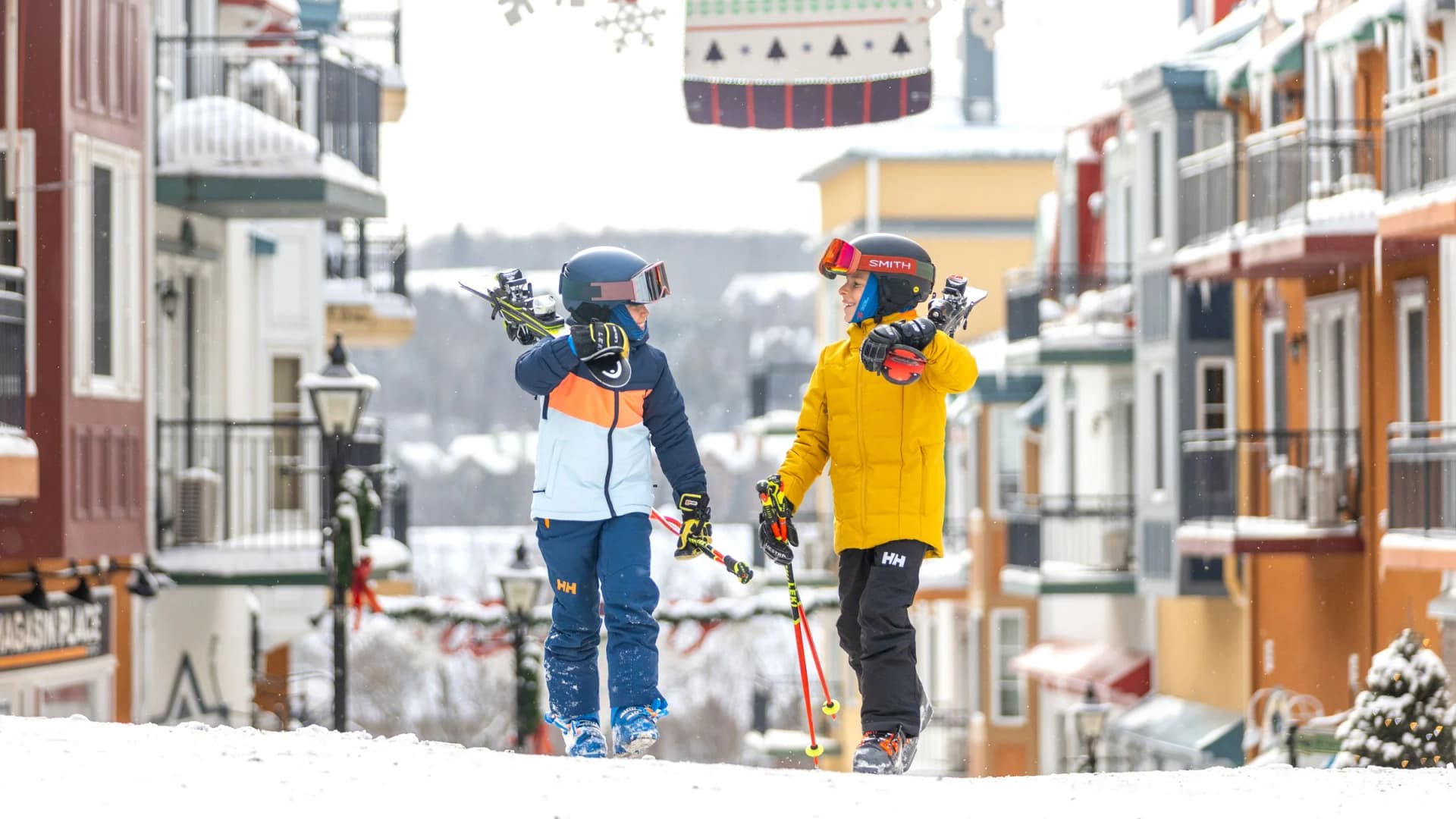
The best way to plan your trip from Montreal for your winter holidays is not simply about booking a flight or a hotel. It’s an art of aligning routes, winter weather realities, and Canadian culture to craft a memorable, low-stress escape. At Montral Times, we believe that high-quality travel coverage should weave together practical planning with a deeper look at the communities you’ll visit. In this guide, produced by Montral Times — independent journalism covering Montral, Qubec, and Canada — you’ll find a comprehensive framework for winter getaways that starts from Montreal and branches into Tremblant, Saint-Sauveur, Quebec City, and beyond. The goal is to help readers from Canada and around the world discover how to travel smarter, safer, and more enjoyably during the icy season. The best way to plan your trip from Montreal for your winter holidays is to consider both the scenic value of your destination and the realities of winter travel in a vast country where weather can shift quickly. This overview draws on widely available travel guidance, regional guides, and practical safety considerations to provide a robust starting point for your winter itinerary. (en.wikipedia.org)
Why Montreal is the springboard for winter escapes
Montreal sits at a geographic crossroads that often makes it the launchpad for winter escapes across Quebec and the wider eastern Canadian region. From here, the Laurentians form a natural playground for weekend ski trips, restorative spa weekends, and family-friendly getaways. Tremblant, Saint-Sauveur, and other classic Quebec winter destinations are located within a few hours’ drive, making car trips feasible for many travelers. Mont-Tremblant, for instance, lies about 130 kilometers from Montreal, a distance that makes a long weekend or extended break entirely manageable by car, train, or shuttle services. The Tremblant area is renowned for its year-round appeal, with winter sports at the fore and a village atmosphere that appeals to couples, families, and solo travelers alike. (en.wikipedia.org)
A practical advantage of starting from Montreal is the diversity of winter activities in close proximity. Tremblant alone offers a broad spectrum of winter experiences, from alpine skiing to snowshoeing, fat biking, and luminary or après-ski options that capture the seasonal mood. Saint-Sauveur, located roughly an hour north of Montreal, offers a more intimate ski experience with a well-regarded nightlife and a compact village feel. Together, these destinations illustrate how The best way to plan your trip from Montreal for your winter holidays can begin with a flexible, multi-stop itinerary that synchronizes driving times, slope conditions, and festive activities. (en.wikipedia.org)
For readers who prefer rail or bus options, Montreal’s connections to nearby cities like Quebec City are well-documented, with multiple modes of transport available for travellers aiming to explore the region without relying exclusively on a car. Quebec City, reachable by train, bus, or car, can serve as a winter anchor for a broader itinerary that includes historic neighborhoods, markets, and nearby ski hills. Our guide to planning a ski trip to Tremblant and related routes offers a lens into the practicalities of moving between these destinations, including typical travel times and pricing ranges. (montrealtips.com)
A note on the evolving travel landscape in Canada: developments such as high-speed rail plans between major hubs could reshape winter getaway logistics in coming years. Thoughtful travellers keep an eye on these advancements as they plan future trips. For example, coverage about Alto, a proposed high-speed rail network in Canada, highlights potential reductions in travel time between key cities and the broader implications for winter tourism and regional connectivity. (businessinsider.com)
The best winter escapes within a few hours of Montreal
To build a strong winter itinerary from Montreal, we can categorize destinations by proximity, ski culture, and ambiance. Below are three core options that consistently resonate with Montrealers and travellers seeking reliable winter experiences in Quebec.

Tremblant: The flagship winter resort within easy reach
Mont Tremblant is the premier ski-and-resnow destination in the Laurentians, positioned roughly 130 kilometers from Montreal. The resort combines a world-class ski terrain with a pedestrian village that feels like a separate winter town. The ease of access—by car, shuttle, or even direct airport connections—helps make Tremblant a go-to choice for weekend warriors and longer winter breaks alike. Tremblant’s status as a top après-ski and family-friendly destination is well-documented and widely celebrated by travellers and industry observers. (en.wikipedia.org)
Beyond the slopes, Tremblant offers a diverse range of activities across the winter season, including cross-country skiing in nearby parks, snowshoeing in forested trails, and spa experiences that provide a well-rounded escape after a day outdoors. The resort’s capacity to bundle lift tickets, rentals, and activities into convenient packages is particularly attractive for families and first-time Tremblant visitors—an approach described by Tremblant-focused guides and lodging providers. For families and first-timers, Tremblant’s combination of accessibility, atmosphere, and robust on-site amenities frequently lands it on “must-visit” lists for Quebec winter travel. (lessuitestremblant.com)
Pro tip: when planning Tremblant, consider a two-day or longer stay to maximize slope time while still soaking in the village ambiance. Our linked Tremblant guides lay out practical steps for booking, gear, and après-ski opportunities, including dining and entertainment options that complement a ski vacation. (lessuitestremblant.com)
Saint-Sauveur: A cozier northern escape with a classic charm
Saint-Sauveur is a shorter hop from Montreal and offers a compelling alternative if you crave a more intimate resort atmosphere with a classic Quebec feel. The Saint-Sauveur area features a mix of slopes for all levels and a village scene that’s walkable, food-focused, and lively after sundown. Its proximity makes it ideal for a long weekend or a spontaneous mid-winter break when you want high-quality skiing without the longer drive or travel time associated with larger resorts. (en.wikipedia.org)
While Tremblant attracts the broader media spotlight, Saint-Sauveur’s compact scale and easy access often translate into lower planning frictions, shorter commutes, and a more relaxed pace. For Montrealers seeking a “big resort feel” without the longer drive, Saint-Sauveur remains a reliable winter base, offering convenient lodging, dining, and après-ski scenes that are easier to navigate in a short weekend window. (en.wikipedia.org)
Quebec City and the broader eastern corridor: culture as a winter anchor
A winter trip from Montreal can also thread toward Quebec City, a city that embodies a distinct cultural layer—historic charm, fortified architecture, and seasonal markets that glow in the cold months. Quebec City is efficiently reachable by train, bus, or car, and it can serve as a cultural anchor to a longer winter itinerary that includes day trips to nearby towns or ski areas. Our practical travel guides sketch out transport options, time estimates, and cost ranges to help you compare modes of travel and decide what fits your pace and budget. (montrealtips.com)
How to compare travel modes: a practical table
To help readers visualize the trade-offs between transportation options for winter getaways from Montreal, here is a concise comparison you can use when planning. The figures reflect common ranges and typical experiences cited by travel guides and transport operators.
| Travel mode | Typical travel time (Montreal → destination) | Typical cost range (CAD, one-way) | Pros | Cons |
|---|---|---|---|---|
| Train (VIA Rail, Montreal → Quebec City) | 3–3.25 hours | CAD 35–130 (advance bookings) | Comfortable, reliable, scenic; no driving in winter weather | Slightly slower than driving or flying for some routes; schedules vary by day |
| Bus (Orléans Express to Quebec City) | 3–4 hours | CAD 25–68 | Budget-friendly; frequent departures | Less comfortable for long rides; limited luggage flexibility |
| Car (Montreal → Tremblant) | ~1.5 hours | Fuel + tolls; parking varies | Maximum flexibility; door-to-door reliability in snow | Winter driving hazards; parking in resort villages can be tight |
| Plane (Montreal → Quebec City) | ~45–60 minutes flight; total time 2–3 hours | CAD 90–130+ | Fastest air option; good for tight schedules | Airport procedures add time; weather delays possible |
| Shuttle or guided transfer | 2–4 hours depending on stops | CAD 40–100 | Stress-free; fewer logistics; great for groups | Less flexibility; schedule-dependent |
The ranges above reflect common patterns in winter travel planning, with Tremblant’s proximity often making driving appealing for many Montreal travelers, while Quebec City and other destinations offer varied options. For precise, up-to-date pricing and timetables, consult operator sites and booking portals. (montrealtips.com)
Practical planning elements for winter travel from Montreal
The best winter trips from Montreal combine practical gear, safety awareness, and budget-conscious choices. Here are the core components we recommend you consider before you depart.
- Weather resilience and road readiness
- Winter conditions in Quebec can shift rapidly; prepare with proper tires, emergency kits, and a weather-aware mindset. For road trips, verify road conditions and plan for potential delays. This preparedness aligns with general winter travel safety guidance for Canada and parallels expert travel-insurance advisories about weather-impacted journeys. (allianztravelinsurance.ca)
- Insurance and health coverage
- Travel insurance remains a prudent hedge against winter mishaps. Several industry guides emphasize purchasing robust coverage before you travel, especially for medical emergencies outside your home province or country. This is particularly relevant for cross-border trips or longer winter itineraries. (allianztravelinsurance.ca)
- Packing for extreme cold and movement
- Layered clothing, weather-appropriate footwear, and accessories that keep extremities warm are essential. Canada’s winters demand careful gear choices, and many safety-focused resources offer practical packing checklists and strategies for staying warm outdoors. (1cover.ca)
- Cultural and logistical versatility
- From Tremblant’s resort-driven weekends to Quebec City’s historic winter ambiance, successful trips balance outdoor activity with indoor comforts, dining, and local culture. The Montreal-to-Tremblant model—combining activity with rest and gastronomy—serves as a blueprint for many winter itineraries. (lessuitestremblant.com)
“Travel is the only thing you buy that makes you richer.” This simple travel maxim captures the spirit of winter escapes from Montreal: small investments in time and planning yield lasting memories across mountains, villages, and city streets.
The “Montral Times” lens: independent journalism lighting the way
Montral Times brings independent journalism to readers across Montral, Quebec, and Canada, focusing on local news, culture, politics, and Canadian affairs. In the winter travel space, our coverage aims to blend practical guidance with broader context—how tourism adapts to weather, how regional economies shift with the snow season, and how cultural events shape the winter calendar. The best way to plan your trip from Montreal for your winter holidays is not just about routes and gear; it’s also about understanding the communities you’ll encounter and the economic and cultural rhythms that define them. Our coverage highlights the interplay between tourism, local businesses, and community resilience during Quebec’s winter months. This perspective is informed by regular reporting on travel trends in Canada and the Atlantic-Northeast corridor, as well as ongoing coverage of major transportation developments that influence winter travel. (montrealtips.com)
Case studies: sample itineraries from Montreal for a winter weekend or week
Below are three representative itineraries designed to illustrate The best way to plan your trip from Montreal for your winter holidays in action. Each plan assumes a winter departure from Montreal, modest budgets, and a desire to balance outdoor activity with cultural experiences.
- Tremblant family ski weekend (3 days)
- Day 1: Drive from Montreal to Mont-Tremblant, check-in, afternoon slope time, evening dining in the pedestrian village.
- Day 2: Full ski day with a mid-day break in the resort village; après-ski options and spa in the late afternoon.
- Day 3: Short morning ski or snowshoe in nearby trails, lunch in town, return to Montreal.
- Why Tremblant? It offers a comprehensive winter experience with a ready-made resort ecosystem and abundant gear options. (lessuitestremblant.com)
- Saint-Sauveur weekend for two (2–3 days)
- Day 1: Montreal → Saint-Sauveur; settle into a cozy lodge; explore the village and a casual dinner.
- Day 2: Ski day with routes catering to a range of abilities; evening stroll through the quaint streets.
- Day 3: Optional spa or shopping, then return to Montreal.
- Why Saint-Sauveur? Its compact scale makes it ideal for a shorter escape with a strong après-ski atmosphere and straightforward logistics. (en.wikipedia.org)
- Quebec City winter culture immersion (3–4 days)
- Day 1: Montreal → train or drive to Quebec City; check into a historic hotel; stroll Old Quebec at dusk.
- Day 2: Guided winter walking tour, markets, and a traditional Quebecois meal; evening concert or performance.
- Day 3: Day trip to nearby countryside or a ski area; return for a final stroll through the walled city.
- Day 4: Depart for Montreal.
- Why Quebec City? The winter ambiance and historic architecture provide a very different transportation and culinary experience compared with Tremblant or Saint-Sauveur, broadening the “winter holiday” repertoire. (montrealtips.com)
The future of winter travel from Montreal: rails, routes, and responsible planning
As travel infrastructure evolves, Montreal’s role as a gateway to Canada’s winter landscapes may gain even more prominence. Major highway corridors, rail improvements, and cross-border connections influence how travelers plan. For example, high-speed rail ambitions announced in 2025 promise faster connections between Montreal, Toronto, and beyond, potentially transforming winter itineraries that currently rely on air or conventional rail. While these projects are long-range, they shape current planning by offering a glimpse of future efficiency gains and regional economic impacts tied to tourism. In the near term, travellers should monitor official transportation updates for schedule changes or service adjustments during peak winter periods. (businessinsider.com)
Quick-start guide: The best way to plan your trip from Montreal for your winter holidays in 60 seconds
- Decide on 2–3 destinations within a 2–4 hour travel radius from Montreal (e.g., Tremblant, Saint-Sauveur, and Quebec City). (en.wikipedia.org)
- Choose your transport mode based on budget and tolerance for winter driving: train, bus, car, or short flight. Include a contingency day for weather delays. (montrealtips.com)
- Build a flexible two-to-four day schedule that balances outdoor time with indoor cultural experiences and dining. (lessuitestremblant.com)
- Pack for extreme cold: layers, waterproof footwear, gloves, and a compact emergency kit for roads. Include travel insurance as a safeguard. (allianztravelinsurance.ca)
- Stay attuned to local events and seasonal markets that enrich your trip with authentic Canadian winter culture. (montrealtips.com)
Quotes and cultural notes: travel wisdom from the road
Travel broadens the mind and warms the heart, even when the weather is fierce outside. The best journeys are the ones that blend landscape, culture, and human connection.
Montral Times’ approach to winter travel journalism emphasizes not only itineraries but also the stories of places you’ll encounter—local economies, winter traditions, and community resilience during the snow season. This perspective aligns with broader Canadian travel culture where winter is both a test and a celebration of local life.
FAQ: The best way to plan your trip from Montreal for your winter holidays
Q: When is the best time to travel from Montreal for a winter holiday? A: It depends on your tolerance for crowds and snow conditions. Tremblant and Saint-Sauveur see peak activity in mid-December through February, while Quebec City shines with holiday markets and historic charm from late November through January. Always consider weather forecasts and road conditions during peak winter periods. (lessuitestremblant.com)
Q: Are there affordable options beyond Tremblant? A: Yes. Saint-Sauveur offers a more compact, budget-friendly alternative with strong skiing and après-ski culture, and Quebec City provides a cultural winter experience that’s distinct from mountain resorts. Our travel guides compare transit times and costs to help you choose. (en.wikipedia.org)
Q: Is winter travel insurance essential for these trips? A: While not legally required, robust travel insurance is highly recommended given the potential for weather-related delays, medical needs, and cancellations in winter travel. Allianz and industry coverage emphasize securing proper insurance for winter journeys. (allianztravelinsurance.ca)
Q: What about future rail options from Montreal? A: High-speed rail plans such as Alto could transform travel times between major hubs, potentially shortening Montreal-to-Toronto and related routes, with implications for winter tourism and regional economies. Stay tuned to official transport updates for the latest developments. (businessinsider.com)
The bottom line: Montral Times’ synthesis for winter travel
The best way to plan your trip from Montreal for your winter holidays is to approach it as a layered experience: start with your departure hub, choose 2–3 complementary destinations that offer different flavors of winter—from Tremblant’s alpine mastery to Saint-Sauveur’s intimate charm and Quebec City’s historic winter mood—and then weave in practicalities like transport options, safety, and budgeting. By combining robust destination knowledge with safety-focused planning and a dash of cultural curiosity, travelers can craft winter getaways that respect both the beauty of Quebec’s landscapes and the realities of cold-season travel. Montral Times will continue to monitor transportation developments, regional winter events, and the stories of the communities that make these trips worthwhile, so readers can keep refining their own itineraries with confidence. (en.wikipedia.org)