Canada EV Charging Funding in Quebec Expands with Chargers

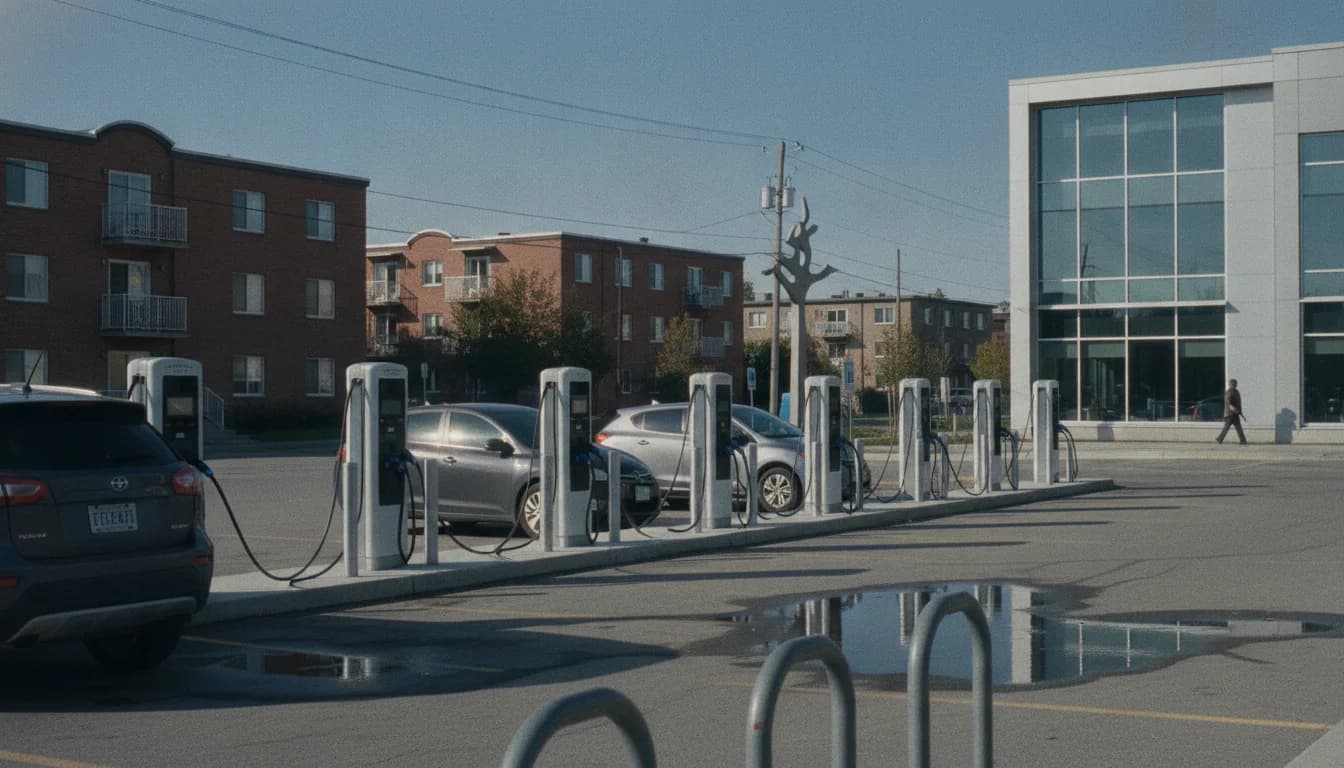
The Montréal Times presents a data-driven update on Canada EV charging funding in Quebec, focusing on a dated federal announcement and its implications for the province’s charging network. On August 30, 2023, a Government of Canada release outlined a significant push to expand public EV charging across Quebec. In plain terms, the funding aims to accelerate the deployment of charging infrastructure where drivers need it most, from coastal cities to interior corridors. The announcement is part of a broader strategy to advance clean transportation while supporting economic growth in Quebec and beyond. Canada EV charging funding in Quebec is a central piece of the country’s plan to build a coast-to-coast network of charging stations—and today’s coverage examines what happened, why it matters, and what comes next. Montréal Times counted that the NRCan release dated August 30, 2023 announced nearly $29.4 million to deploy 1,151 Level 2 and 481 Level 3 chargers across 18 projects, with 1,578 chargers located in Quebec. (canada.ca)
This data-driven update places the August 30, 2023 event within the context of Quebec’s longer-term electrification commitments and the federal push to diversify charging options across the province. It’s a milestone for policymakers, utilities, and local businesses alike, signaling how public funding can accelerate the rollout of reliable charging across urban cores and sprawling rural corridors. The briefing also situates the Quebec effort within national programs designed to reduce greenhouse gas emissions from transportation and to support the growth of EV adoption in tandem with regional strategies. The event matters not only for the numbers but for the infrastructure reality it implies: more charging access, faster intercity travel, and stronger alignment with Quebec’s own EV charging strategy. The figures and dates cited here trace back to the Government of Canada’s news release and related program materials, which readers can verify through primary sources linked in this article. This is a news brief of record intended for citation by other journalists and policy observers.
What Happened
Announcement details
-
The announcement was made by The Honourable Jonathan Wilkinson, Canada’s Minister of Energy and Natural Resources, and occurred during a zero-emissions vehicle tour from Montréal to Québec City. The news release identifies the funding amount, the scope of charging deployments, and the project catalog across Quebec. The core message: federal support for the deployment of EV charging infrastructure as part of a broader national strategy. This event is anchored to August 30, 2023, in Quebec City, Quebec. The release highlights that the funding comes through Natural Resources Canada’s Zero Emission Vehicle Infrastructure Program and targets the installation of a substantial number of chargers nationwide, including a heavy emphasis in Quebec. (canada.ca)
-
The scope described in the release includes nearly $30 million in federal investment to deliver more than 1,500 additional EV chargers across Quebec, including well over 400 fast chargers. The program’s goal is to expand charging coverage to highways, public places, workplaces, and multi-unit residential buildings, ensuring reliability for EV drivers across the province. The press materials emphasize a “coast-to-coast-to-coast” network approach, with Quebec representing a major portion of the province-level deployments. (canada.ca)
Funding breakdown and project roster
-
The NRCan release provides a multi-project roster detailing how funds are allocated. Specifically, 18 projects are funded with a mix of Level 2 and Level 3 chargers, with the Quick Facts section enumerating the totals. For example, the package includes funding to Hydro-Québec to install 1,194 chargers (including 385 fast chargers) and additional funding to other partners (e.g., CN Rail, Bell Canada, and various regional actors) to deploy dozens of Level 2 and fast chargers across Quebec. The funding is described as part of a broader effort to reach the government’s charging infrastructure targets and to support the adoption of zero-emission vehicles. (canada.ca)
-
The press materials also indicate that the funding is complemented by other federal and provincial initiatives intended to create a robust charging ecosystem—both publicly accessible and workplace-focused. As part of the filing, NRCan notes the integral role of the program in driving down emissions and supporting the transition to electric transportation. The actual project-specific allocations (e.g., Hydro-Québec, CN Rail, Bell Canada) illustrate the diversified approach to charging deployment, spanning utilities, rail, and private sector venues. (canada.ca)
Key partners and locations
-
Hydro-Québec is highlighted as a principal partner in the plan, with a major subset of the chargers to be deployed through The Electric Circuit network and other Hydro-Québec initiatives. While some project details face access limitations at partner sites, the release confirms Hydro-Québec’s central role in scaling public charging across Quebec. Additional partners include the Canadian National Railway Company and a mix of regional and municipal groups. The collaboration signals a cross-sector approach to scaling charging infrastructure in both metropolitan and rural settings. (canada.ca)
-
The release underscores the geographic reach of the deployment by naming projects across multiple regions, including urban centers and transit endpoints, and emphasizes that the majority of the chargers planned would be in Quebec. The effort reflects the federal government’s intent to finance charging capacity in places where Canadians drive and travel, including highways and public spaces. The stated objective is to have most of the chargers available by 2025, with the broader network continuing to expand under ongoing funding cycles. (canada.ca)
What it looked like on the ground
- The news release frames the funding as a practical step toward a more accessible charging network, making it easier for Quebec residents and visitors to drive electric with less range anxiety. The emphasis on both Level 2 and Level 3 charging indicates a balance between slower, home-base charging and fast-charging corridors that reduce downtime for longer trips. The program’s practical design—supporting charging facilities in public spaces, workplaces, and multi-unit dwellings—speaks to a holistic approach to EV infrastructure. The project-level details illustrate a vision of a more connected charging grid, with concrete milestones tied to the French-language and English-language program materials. (canada.ca)
Section 2: Why It Matters
The broader policy context
-
Quebec has a formal Electric Vehicle Charging Strategy that outlines targets and pathways for expanding charging capacity, including public fast-charging and Level 2 stations. The province aims to support widespread EV adoption while addressing infrastructure gaps for residents in multi-unit dwellings and remote communities. The strategy sets ambitious targets for 2030 and beyond, including the planned expansion of public charging facilities in line with the growing number of EV drivers. This context helps explain why the August 30, 2023 federal announcement aligns with provincial objectives and how funding from Ottawa interacts with provincial programs. (cdn-contenu.quebec.ca)
-
The Quebec government has also detailed a suite of financial incentives and programs to accelerate electrification, including the Roulez vert program that provides rebates and support for charging installations at homes, workplaces, and multi-unit residential buildings. These measures are designed to complement federal funding, creating a coordinated, province-wide push to improve EV charging access and reduce the cost burden for households and organizations adopting electric mobility. The Roulez vert program and related subsidies are actively described by the Quebec government and related sources, illustrating how provincial and federal efforts converge to produce a broader charging network. (quebec.ca)
Economic and environmental implications
-
The federal funding for Quebec’s charging network aligns with national emissions targets and climate commitments. Transportation remains a substantial source of greenhouse gas emissions, and expanding EV charging infrastructure is a practical lever to encourage electric vehicle adoption and reduce emissions from road transport. The NRCan release notes that the network is part of a larger effort to reduce emissions and improve air quality, consistent with Canada’s climate and energy priorities. The initiative helps create jobs in construction, manufacturing, and related services, while building a more robust clean-energy economy around Quebec’s automotive and tech sectors. In broader terms, the program supports the shift toward a net-zero pathway identified in federal planning documents. (canada.ca)
-
The program’s geographic breadth matters for regional equity in charging access. While urban centers often have higher charging density, the inclusion of projects across Quebec’s varied landscapes—coastal towns, mid-sized cities, and interior corridors—shows an attempt to reduce “charging deserts” and create consistent access for EV drivers regardless of where they live or travel. This approach is reinforced by the provincial strategy’s emphasis on equitable access to charging for people living in multi-unit buildings and in rural areas. (cdn-contenu.quebec.ca)
Who benefits and who pays attention
- The funding supports a coalition of participants: provincial utilities (like Hydro-Québec), rail operators (CN Rail), private sector collaborators (Bell Canada and others), and municipal or regional bodies. This cross-sector partnership model may accelerate the deployment timeline and spread the costs and benefits across multiple institutions. For readers, this underscores a broader trend: EV charging is increasingly a shared responsibility among federal, provincial, and private actors, with Quebec serving as a test bed for scalable, multi-stakeholder deployment. (canada.ca)
What it means for readers
- For individual EV drivers and fleets in Quebec, the influx of charging infrastructure signals broader access to faster charging options and more predictable charging opportunities during road travel and workdays. It also supports broader consumer confidence in EV ownership, particularly as public charging becomes more available along key corridors and in dense urban areas. This aligns with national incentives and provincial programs designed to keep total cost of ownership competitive with internal combustion engine vehicles while delivering environmental benefits. (canada.ca)
Section 3: What’s Next
Timeline and next milestones
-
The NRCan release sets a timeframe for charger availability, with a target for many of the new chargers to be online by 2025. Observers should monitor project milestones, including procurement, site installation, and commissioning, as outlined in the NRCan program materials and in the project-specific allocations. The 18-project roster will be tracked against updates from Hydro-Québec, CN Rail, and other participating organizations as the deployments move through procurement and construction phases. The federal program continues to operate in tandem with Canada’s broader EV infrastructure initiatives, including ongoing funding rounds and program adjustments as needed. (canada.ca)
-
The national program itself—Zero Emission Vehicle Infrastructure Program (ZEVIP)—continues to fund charging projects across Canada, with a framework that prioritizes stations in public places, on-street locations, workplaces, and multi-unit residential buildings. The program’s design anticipates future rounds and potential redirection of larger projects toward alternative funding channels if they exceed program thresholds, ensuring continued support for Quebec’s charging expansion as part of a nationwide network. For readers, this means ongoing visibility into public funding and potential new opportunities for proponents and landowners seeking to install or upgrade charging facilities. (natural-resources.canada.ca)
-
There is a strong likelihood of follow-on partnerships and announcements as the province advances its charging strategy and as federal funds cycle through new calls for proposals. The Quebec government’s ongoing electrification program documents indicate that additional measures will complement the 2023 funding, including upgrades to electrical infrastructure in multi-dwelling buildings, which may be relevant for condo associations and building managers seeking to install charging stations. Stakeholders should stay tuned to both federal and Quebec-level channels for updates. (quebec.ca)
What to watch for in the near term
-
Deployment progress and site-by-site updates will matter for understanding how quickly the announced chargers become usable and reliable. Journalists and policymakers will want to track the pace of installation, the share of Level 2 versus Level 3 chargers installed, and the extent to which the projects improve access in under-served communities. The NRCan release provides a project-by-project snapshot; readers should look for continued reporting on the status of these sites, including commissioning dates and any operational challenges. (canada.ca)
-
Regulatory and policy developments at both the federal and Quebec levels could influence future funding and the mix of projects. As the province pursues its own electrification strategy, updates to incentives, building codes, and utility sector rules could shape how quickly charging expands and how it integrates with grid management and demand response programs. The Quebec strategy document and related policy pages offer a baseline for these developments. (cdn-contenu.quebec.ca)
What’s next for the public and private sectors
- Public agencies, utilities, and private companies will likely adjust timelines, site selections, and partnerships based on evolving funding cycles and policy priorities. Quebec’s strategy emphasizes both the expansion of charging capacity and ensuring access for residents in apartments and multi-unit buildings, which will require coordinated investments in electrical upgrades and urban planning. Observers should expect a steady stream of announcements detailing new charging sites, funding rounds, and partnerships that reflect the province’s evolving electrification plan. (cdn-contenu.quebec.ca)
Closing
As of August 30, 2023, the federal government’s EV charging funding in Quebec represents a meaningful step toward a more accessible charging network and a cleaner, lower-emission transportation future. For readers in Quebec and across Canada, the funding signals both opportunity and accountability: opportunity for new charging sites and easier EV access, and accountability for project timelines and real-world impacts on drivers and businesses. The coordination between federal initiatives and Quebec’s own charging strategy underscores a broader national push to normalize electric mobility. Stay tuned to official channels for project updates, site announcements, and performance data as the charging network expands to meet growing demand and evolving climate commitments. For ongoing coverage, the next few quarters will be pivotal in translating plan into practice and turning investment into reliably available charging for Quebec’s drivers.
In short, the August 2023 funding wave is not a one-off headline; it’s a signal of how Canada and Quebec are weaving together public dollars, private expertise, and regional planning to build a more resilient, low-emission transportation future for all Quebec residents and visitors. (canada.ca)