Canada PM in trouble: Montreal Perspective

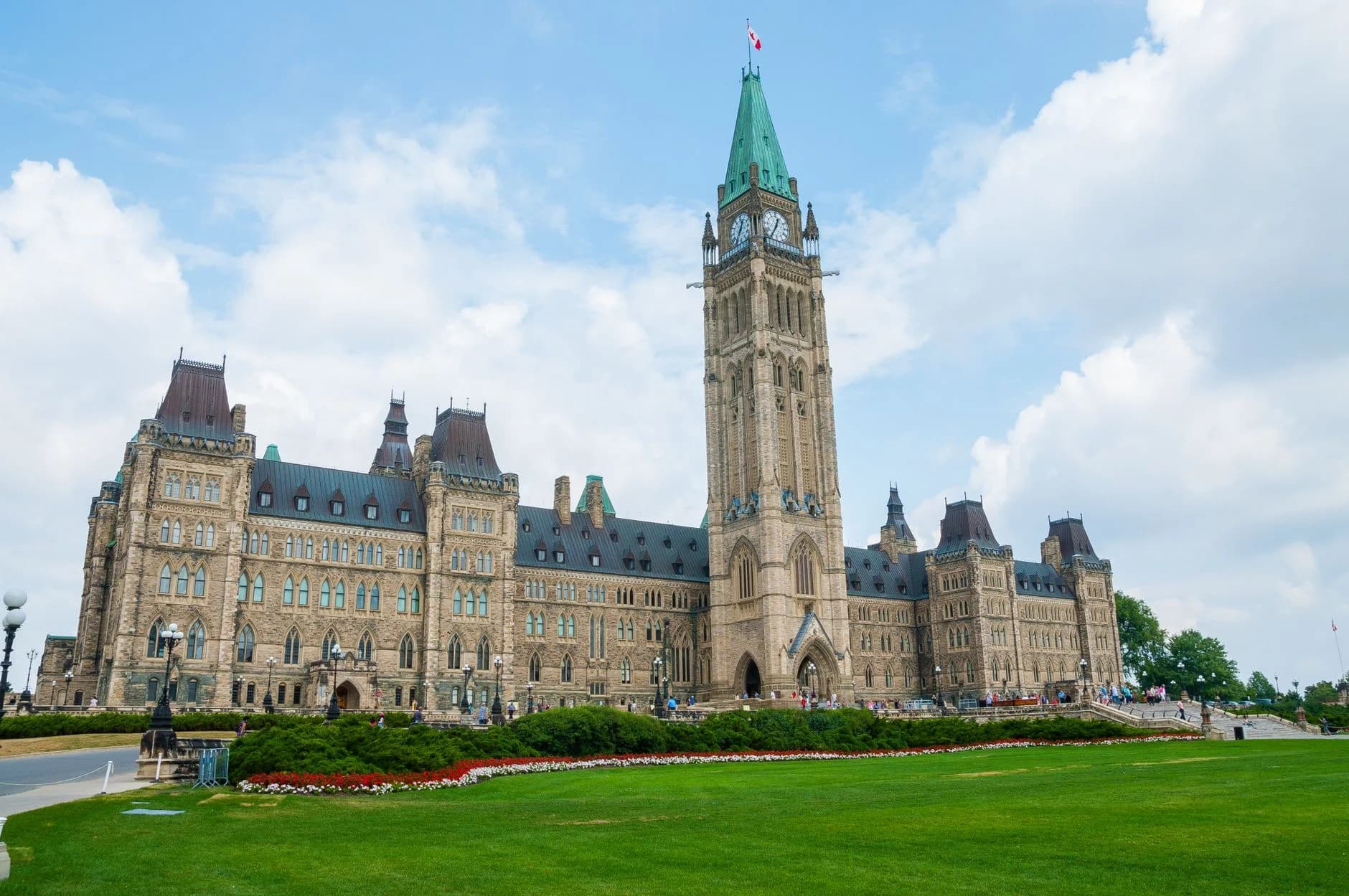
Canada PM in trouble has become a phrase that echoes through boardrooms, coffee shops, and editorial rooms across Montreal and the broader Canadian landscape. At Montral Times, we approach this keyword with a commitment to independent journalism that dissects the forces shaping national leadership from a local vantage point. The Canada PM in trouble storyline is not just a headline grab; it reflects a confluence of economic pressures, governance questions, regional dynamics, and media narratives that affect how Canadians in Montreal and beyond view federal leadership. This piece blends data, analysis, and on-the-ground reporting to explain why the Canada PM in trouble framing persists, what it might mean for policy and daily life, and how Montreal fits into the national puzzle.
What fuels the Canada PM in trouble narrative in a federalist landscape
When readers in Montreal scan the broader coverage of federal politics, the Canada PM in trouble framing often emerges where economic anxieties meet questions of accountability. Across Canada, publics evaluate leadership through a mix of policy outcomes and perceptions of integrity. In 2025, polls have shown shifting attitudes toward who would best lead Canada, with Liberal and Conservative contenders jockeying for position, while Quebec demonstrates its own distinctive political calculus. These patterns contribute to the Canada PM in trouble narrative, because leadership viability depends on regional coalitions, party discipline, and the ability to translate national policy into tangible benefits for diverse constituencies. In early 2025, Ipsos and other polling organizations offered snapshots that fed into the Canada PM in trouble storyline by highlighting perceived leadership strengths and weaknesses, particularly in Quebec and major provinces. For example, Ipsos data indicated changes in who the public views as the best PM and how respondents weigh economic stewardship and health care in the judgment of national leadership. (ipsos.com)
Forecasts and preferences in national politics are rarely static, and pieces of the Canada PM in trouble puzzle can shift with momentary tremors in policy, governance, or party cohesion. A separate Ipsos survey published in mid-2024 and refreshed into 2025 captured divergent viewpoints about leadership, with Trudeau’s standing fluctuating while alternate leaders emerged as potential replacements or contenders. These shifts feed the Canada PM in trouble narrative not as inevitability but as a probabilistic picture of a government navigating unprecedented political headwinds. (ipsos.com)
The news cycle amplifies this dynamic. A 2024 Guardian piece captured the mood of a leadership contest and the perception that the incumbent prime minister was facing pressures from within his own party and across the political spectrum. While the Guardian piece focuses on late 2024, it helps illustrate how the Canada PM in trouble narrative can crystallize when internal dissent collides with external challenges. In Montreal, readers recognize that federal leadership debates have direct ramifications for bilingual policy, immigration, housing, and funding for urban infrastructure, all of which affect daily life in the city. (theguardian.com)
Meanwhile, international perspectives in early 2025, including coverage in Le Monde, signaled a broader sense that leadership challenges were culminating in leadership transitions at the national level. Le Monde’s reporting around January 2025 framed Trudeau’s resignation as part of a broader national and party reconfiguration, suggesting a turning point in Canada’s governance and political expectations. For Montreal readers, that news carried implications for how regional parties and civic groups recalibrate their stances on federal collaboration, fiscal policy, and language rights—the stuff of the Canada PM in trouble discussion as it plays out in provincial and municipal forums. (lemonde.fr)
To ground the Canada PM in trouble narrative in data, it’s useful to compare public sentiment across provinces and to observe how Quebec differs from western Canada or Atlantic Canada. In Quebec, polls frequently show distinctive preferences, and the province’s political culture often translates federal leadership questions into regionally tailored responses. A 2025 survey summarized in Canadian media pointed to a strong Liberal presence or preference in Quebec in certain poll snapshots, even as the national mood could tilt toward other leaders or parties. These regional dynamics feed the Canada PM in trouble storyline by highlighting that leadership stability depends on cross-country coalitions and the ability to navigate Quebec’s unique political landscape. (cp24.com)
The economics of a possible Canada PM in trouble
Economic conditions are a central thread in the Canada PM in trouble narrative. Inflation, housing affordability, interest rates, and public debt shape how people judge leadership decisions and the resilience of the governing party. In many analyses, voters separate personal economic experience from broader policy debates, yet the Canada PM in trouble framing often arises when economic conditions appear misaligned with public expectations or when policy responses escalate tensions among diverse groups. Notable polling in 2025 emphasizes ongoing debates about economic stewardship, with Canadians weighing tax policy, climate measures, and social programs against the need for fiscal restraint. In Quebec, where public services and provincial responsibilities intersect with federal transfers, the Canada PM in trouble frame can gain traction when residents perceive that national economic policy fails to deliver locally relevant relief. (ipsos.com)
Within this economic context, the question of leadership durability becomes a function of the perceived ability to manage economic headwinds and to implement reforms that benefit ordinary Canadians. Polls from 2025 show mixed assessments of the federal government’s economic management, with pockets of approval in some regions and more skepticism in others. The Canada PM in trouble narrative thus aligns with a broader global pattern where economic stress translates into political risk for incumbents, even if the underlying data are nuanced and region-specific. (ipsos.com)
Governance, ethics, and accountability as catalysts for trouble
Beyond macroeconomics, governance questions—ethics, transparency, and the perceived credibility of decision-making—play a critical role in the Canada PM in trouble storyline. The idea that leaders must demonstrate accountability to the public and to their caucuses is a constant in Canadian political culture. When scandals surface or when policy decisions appear inconsistent with stated values, the Canada PM in trouble framing grows stronger among pundits and publics who demand robust checks and balances. In late 2024 and into 2025, international outlets reported on governance challenges and leadership churn in Canada, which Montreal readers may observe through coverage that connects national issues to municipal implications—funding for transit, social housing, and urban renewal projects that depend on federal coordination. While such reports are not definitive proofs of cascading crisis, they contribute to a climate in which the Canada PM in trouble label finds fertile ground in commentary and analysis. (lemonde.fr)
Several studies and surveys focus on leadership credibility and policy risk. For example, polls tracking “best PM” perceptions show that leadership confidence shifts are a recurring theme in the Canadian political landscape, with several leaders competing for the public’s attention in ways that complicate incumbency. These data points are often invoked in the Canada PM in trouble narrative to explain why a seemingly stable government can devolve into a period of intense political negotiation and realignment. In Montreal and Quebec more broadly, the local press frequently frames these dynamics within the lens of regional policy outcomes, public service quality, and the day-to-day impact on residents. (ipsos.com)
Regional dynamics, especially Quebec, and their effect on the Canada PM in trouble narrative
Quebec’s role in federal politics is a constant force multiplier in any discussion about Canada’s leadership. When Quebec voters are asked who would be best to lead the country, their preferences do not always mirror those of voters in Ontario or the Prairies. This regional differentiation matters deeply in the Canada PM in trouble narrative because the federal government’s stability depends on Quebec support or a workable arrangement with Quebec-based parties. Montreal, as a cultural and political hub, often serves as the barometer for how federal leadership plays out in policy debates around language rights, immigration, and social services. Poll data from 2025 indicate that province-wide sentiment can swing the national mood, which further entrenches the Canada PM in trouble storyline in public discourse. (cp24.com)
Media, public discourse, and the amplification of the Canada PM in trouble storyline
Media cycles amplify any perceived vulnerability in leadership. In the digital age, social media and rapid news cycles compress complex policy debates into digestible narratives—sometimes oversimplifying the stakes but often accelerating public response. The Montreal press, national outlets, and international partners all weigh in on the Canada PM in trouble storyline, producing a chorus of voices that shapes public perception. Montreal’s local media, with its focus on city-level impact, contributes a distinct texture to the conversation by highlighting how federal decisions affect housing, transit funding, and cultural policy in Montreal. As the Canada PM in trouble discourse evolves, the city’s journalists and commentators often bring attention to how leadership questions translate into concrete policy outcomes for urban residents. (theguardian.com)
Quote to frame leadership in times of trial: "Leadership is not about a title or designation. It's about impact, influence and inspiration." This sentiment underscores why readers care about the Canada PM in trouble narrative: leadership is judged by real-world results and the ability to mobilize people toward shared goals. — Robin S. Sharma. (brainyquote.com)
A Montreal-informed look at data and uncertainty
The Canada PM in trouble framing benefits from a Montreal lens that emphasizes policy relevance to bilingual communities, urban infrastructure, and cross-Canada economic resilience. Polls show fluctuations in the public’s preferred PM candidates, with Mark Carney, Pierre Poilievre, and other leaders contending for strategic advantage in a changing political environment. In Montreal, where bilingual governance and municipal-federal cooperation are daily realities, the Canada PM in trouble storyline resonates when national leadership is perceived as slow to deliver on city-centered priorities. CP24’s coverage of the 2025 political landscape points to a Liberal lead in national surveys but acknowledges that regional dynamics—especially in Quebec—create a complex, evolving picture for the federal government. While these data points provide signals, they also leave room for interpretation and data gaps that future reporting must address. (cp24.com)
Montreal lens: Local implications of the Canada PM in trouble narrative
Montreal readers expect leadership that translates into tangible benefits for urban life: affordable housing, transit upgrades, healthcare access, climate resilience, and vibrant cultural policy. The Canada PM in trouble framing matters here because it affects funding priorities and the pace of policy implementation that Montreal depends on. When the federal government appears unsettled, municipal leaders must navigate a more precarious policy environment, balancing the need for timely federal support with the realities of political flux at the top. In practice, this translates into questions about how quickly federal transfers will flow for housing and infrastructure, whether bilingual programs receive the protection and attention they deserve, and how climate and energy policies align with the city’s development goals. Montreal Times tracks these threads through reporting, expert commentary, and interviews with policy practitioners on both sides of the aisle. (cp24.com)
Economy at the street level of Montreal often demonstrates the disconnect between national narratives and local experience. People in Montreal look at the Canada PM in trouble discussion and ask: Do leadership changes alter the day-to-day costs I face in housing, groceries, and transit? Will changes in federal tax policy or provincial-federal transfer formulas affect my job, my mortgage, or my child’s education? These questions animate the Montreal edition of the Canada PM in trouble conversation, which is why our coverage emphasizes not only political theater but the policy mechanics behind major shifts in leadership. In Montreal, the conversation also intersects with identity politics, language policy, and regional autonomy debates—topics that frequently complicate national leadership narratives and lend texture to the Canada PM in trouble discourse. (cp24.com)
A data-driven look at leadership risk: the Canada PM in trouble risk matrix
Below is a synthesized risk matrix that helps readers understand the major levers that contribute to the Canada PM in trouble storyline. This is a heuristic device, designed to help readers evaluate which factors are most likely to push a prime minister toward or away from political stability. Data points cited after the matrix come from polling and reporting sources cited in this article.
| Risk Factor | Likelihood (Low/Moderate/High) | Potential Impact on Canada PM in trouble narrative | Key Montreal implications | Data/Source |
|---|---|---|---|---|
| Economic headwinds (inflation, housing, debt) | High | Pressure on leadership credibility; policy paralysis or missteps risk accelerating the Canada PM in trouble framing | In Montreal, housing affordability and transit funding become immediate touchpoints; residents notice federal inaction or delays | Ipsos, CP24 polls 2025; economic coverage (ipsos.com) |
| Governance and ethics scrutiny | Moderate-High | Heightens the Canada PM in trouble framing; caucus and public demand for accountability | Montreal media scrutinizes ethics in federal decisions that affect bilingual funding and urban programs | Guardian/Le Monde coverage; governance reporting (theguardian.com) |
| Regional and Quebec dynamics | Moderate-High | Shifts in national leadership viability; could redefine the Canada PM in trouble narrative | Quebec’s political calculus strongly shapes national expectations and coalition-building | CP24 poll summary; Quebec-centric reporting (cp24.com) |
| Media amplification and social discourse | Moderate | Rapid intensification of the Canada PM in trouble framing; public perception can harden quickly | Montreal newsroom cycles and commentary push the narrative into local policy debates | General media coverage; Montreal-focused reporting (theguardian.com) |
| Internal party cohesion | Moderate | Elevates or dampens the Canada PM in trouble storyline depending on caucus response | Potential shift in leadership discussions and candidate recruitment in Montreal’s networks | 2024–2025 political crisis overview (en.wikipedia.org) |
Note on data gaps: While polling provides signals, the Canada PM in trouble narrative remains contingent on shifting events. As of October 26, 2025, there are ongoing debates about leadership futures, and a formal ruling on the long-term trajectory of the Liberal Party remains subject to party rules, leadership conventions, and the electorate’s evolving priorities. Readers should consider this matrix as a framework rather than a prophecy. If new data arrives—such as official leadership changes, election results, or policy breakthroughs—the matrix should be updated accordingly.
Case studies and comparative insights: lessons from Canada’s leadership arc
Historical patterns in Canadian politics show that leadership crises often cluster around policy missteps, economic shocks, or intense caucus disputes. The 2024–2025 period has been cited by observers as a time of significant party realignment and leadership reflection, with briefing documents and media accounts describing a “crisis” period and leadership renegotiation. While these accounts include varying degrees of certainty, they illustrate that the Canada PM in trouble framing can crystallize quickly when a party faces by-election losses, internal dissent, or reputational damage. For Montreal readers, the translational lesson is that national leadership risk has concrete consequences for urban policy, funding cycles, and the federal-provincial dynamic that shapes city planning and public services. (en.wikipedia.org)
A pivotal moment frequently cited in analyses of Canadian leadership is the period surrounding Justin Trudeau’s tenure and subsequent leadership tensions in late 2024 and early 2025. The Guardian’s reporting on what some described as an “iceberg revolt” within Trudeau’s Liberal ranks, coupled with subsequent coverage of his resignation and the party’s leadership transition, demonstrates how the Canada PM in trouble frame can transition from theoretical risk to immediate political restructuring. Montreal’s political reporters and political scientists interpret these events as a stress test for federal institutions and intergovernmental cooperation—precisely the kind of dynamic that the Montreal newsroom follows closely. (theguardian.com)
Historical leadership transitions in Canada also remind readers that the Canada PM in trouble narrative is not a permanent label. The lifespan of such a frame depends on the electorate’s response to new leadership, the ability of a party to present a compelling alternative, and the capacity of leaders to deliver on core priorities. In the Montreal context, this means that if a new federal leadership emerges with a clear policy program—particularly in areas such as housing, transit, climate action, and language rights—the Canada PM in trouble discourse could transition into a more policy-driven phase, where the focus shifts from crisis talk to governance and results. As 2025 poll data show shifts in preferred PMs, this transition remains possible, underscoring the dynamic nature of political narratives in Canada. (ipsos.com)
Expert voices, quotes, and the leadership philosophy behind the Canada PM in trouble discussion
Leadership in turbulent times demands both clarity and humility. A widely cited leadership quotation—for context about what Montreal and national audiences expect from leaders—states: Leadership is not about a title or designation. It's about impact, influence and inspiration. This perspective, attributed to Robin S. Sharma and widely quoted in business and leadership circles, emphasizes that the effectiveness of political leaders is measured by tangible outcomes and the ability to mobilize people toward shared goals. In a year when the Canada PM in trouble frame dominates discourse, such a principle serves as a reminder that policy outcomes and public trust are the real tests of leadership. (brainyquote.com)
Academic and policy voices often remind readers to distinguish between short-term headlines and long-term governance. The Canadian political science community emphasizes structural factors—federal-provincial relations, regional party dynamics, and economic conditions—as the foundational drivers of leadership stability. This lens helps readers interpret the Canada PM in trouble narrative as a composite of multiple, interacting forces rather than a single startling event. The Montreal Times engages with these expert perspectives to translate national governance issues into city-relevant analysis that resonates with residents, business leaders, and policymakers alike. (en.wikipedia.org)
FAQs: Understanding the Canada PM in trouble conversation
-
What does “Canada PM in trouble” typically imply in Canadian politics? It signals perceived vulnerabilities in the prime minister’s leadership, often tied to economic pressures, governance questions, internal party dynamics, or regional tensions. It is a narrative device used by media and commentators to discuss the viability and credibility of national leadership. (ipsos.com)
-
How does Montreal factor into the national leadership conversation? Montreal, as a cultural and political hub, reflects the intersection of language policy, urban governance, and federal funding priorities. The Canada PM in trouble framing plays out in Montreal through coverage of housing, transit, healthcare, and cultural policy, where residents feel the effects of federal decisions most acutely. (cp24.com)
-
Are there credible data points about leadership preferences in 2025? Yes. Polls from 2025 show shifting preferences among Canadians for who would be best PM, with variations by region and demographic group. Headlines and summaries from CP24 and Ipsos reflect these dynamics and illustrate how the Canada PM in trouble narrative can be both developed and contested in real time. (cp24.com)
-
Has there been a real leadership transition related to this narrative? In some outlets, yes; there were reports in late 2024 and early 2025 about leadership challenges and, in some accounts, resignation talk or leadership transitions within Canada’s governing parties. Readers should treat these as evolving events; the landscape can change with new leadership announcements and electoral results. (theguardian.com)
-
What can Montreal residents or readers take away from this discussion? The Canada PM in trouble framing matters because it connects national political dynamics to regional realities. Montreal readers should monitor federal policy shifts on housing, climate, immigration, and language rights, and consider how changes at the top influence funding and policy that affect the city’s infrastructure, culture, and daily life. (cp24.com)
Richest leaders and how leadership lessons travel across sectors
- Elon Musk
- Bill Gates
- Jeff Bezos
- Warren Buffett
- Mukesh Ambani
This list underscores a broader point for readers: leadership strategies—vision, execution, resilience, and ethical considerations—transfer across sectors. In Montreal’s business community and among policymakers, the Canada PM in trouble discussion invites comparisons between political leadership and corporate stewardship, especially in contexts where public policy and private sector innovation intersect. By watching how leaders balance ambition with accountability, Montreal audiences can glean insights not only about politics but about leadership more broadly.
Data gaps and what to watch next
- As of October 26, 2025, public sentiment around Canada’s federal leadership remains fluid. Real-time updates—from party leadership conventions to budget announcements and provincial-federal policy tradeoffs—will shape the ongoing Canada PM in trouble narrative.
- More granular provincial data, especially for Quebec, would help readers understand how local priorities influence national leadership trajectories. Future polls should be parsed by region, language, and urban/rural divides to provide a clearer picture of how the Canada PM in trouble frame plays out in Montreal and beyond.
- Official election results, party leadership outcomes, and policy implementations will be the ultimate tests of any Canada PM in trouble narrative. Readers should track the next electoral cycle for definitive turning points.
Notable callouts for readers and readers’ takeaways
- Stay critical of headlines. The Canada PM in trouble framing can be seductive, but it’s often the product of a moment’s political weather rather than a forecast of permanent decline or collapse.
- Track policy specifics, not just personalities. The city of Montreal benefits most when federal policy is transparent, timely, and aligned with urban needs—housing, transit, climate adaptation, and cultural funding.
- Consider the regional lens. Quebec’s role in federal leadership remains pivotal; the Canada PM in trouble discourse should be read in light of regional priorities and federal-provincial dynamics.
From a Montreal perspective, the Canada PM in trouble conversation is not just about a single leader or a single moment in time. It’s about how a diverse, bilingual, economically dynamic region navigates the complexities of national governance while preserving local autonomy, language rights, and urban vitality. Montral Times is committed to continuing in-depth reporting that explains how federal leadership decisions ripple through Montreal’s neighborhoods, businesses, and cultural institutions—offering readers a grounded, nuanced understanding of what the Canada PM in trouble frame means for today and tomorrow.