Canada readies itself for the veteran's day — Montral Times

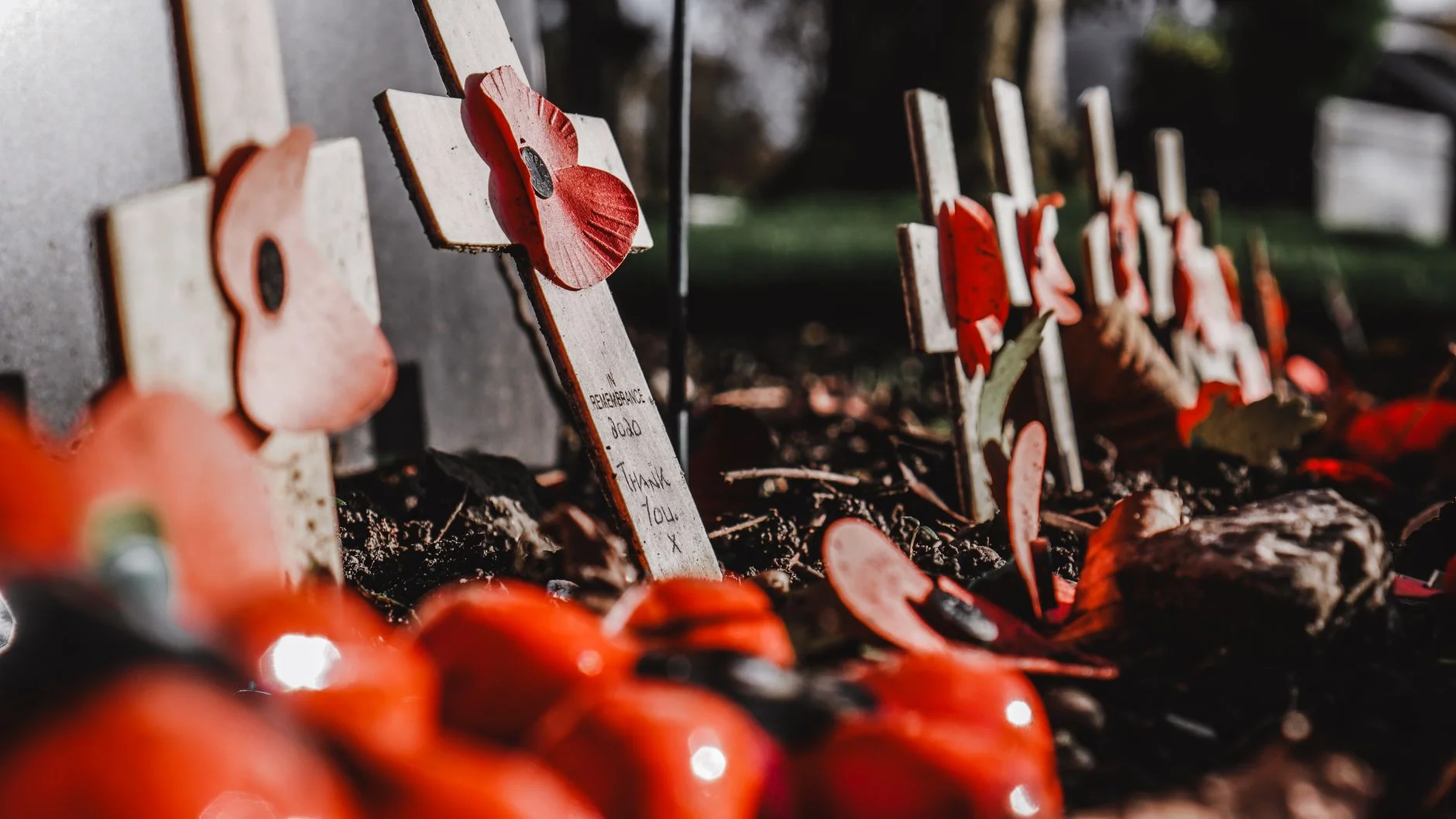
Canada readies itself for the veteran's day is not merely a date on the calendar; it is a nationwide moment that pulls communities, schools, veterans, families, and readers of Montral Times into a shared memory. At Montral Times, our aim is to present independent journalism that illuminates how Canadians across Quebec and the rest of the country prepare for, participate in, and reflect on Remembrance Day—often described in Canada as a day of remembrance, a day to honour those who served, and a day to teach younger generations about the costs of war. In this piece, we explore how Canada readies itself for the veteran's day in 2025, weaving together official guidance, local ceremony habits, cultural expressions, and the lived experiences of people in Montréal and beyond. Our coverage reflects Montreal Times' commitment to in-depth reporting on local news, politics, culture, and Canadian affairs, all through a lens of independence and clarity.
A Canadian framework for remembrance: how Remembrance Day is organized and observed
Remembrance Day in Canada is anchored in a long-standing tradition of honouring veterans and remembering the sacrifices made during wars and conflicts. The most recognizable symbol of that remembrance is the red poppy, which has become a national emblem associated with acts of memory, care for veterans, and a pledge to never forget. The poppy campaign is a significant, nationwide initiative that unfolds across communities from October through November, culminating on November 11. The campaign is managed locally by branches of the Royal Canadian Legion, with funds directed to veterans and their families while also supporting commemorative activities. The central idea is simple in its moral clarity: display the poppy as a visible sign of respect, and contribute to the welfare of those who served. The official sources emphasize that the poppy is distributed free of charge, and donations are welcomed to support veterans. This is the core of how Canada readies itself for the veteran's day in practice, year after year. (legion.ca)
The Canadian government and Veterans Affairs Canada provide practical tools and guidance for communities planning Remembrance Day ceremonies, including an official toolkit and a set of recommended practices. The Remembrance Day toolkit offers templates, multilingual readings, and resources to plan commemorations that reflect local languages and communities. The emphasis on accessibility, education, and reverence is designed to help towns, cities, and schools stage meaningful observances while maintaining a national standard of respect and remembrance. This official scaffolding is part of what makes Canada readies itself for the veteran's day a coordinated national activity as well as a deeply personal moment for individuals. (veterans.gc.ca)
Across the country, the poppy campaign and Remembrance Day observances unfold in a rhythm that blends tradition with contemporary community life. The Royal Canadian Legion’s poppy campaign is a central thread in this tapestry, with tens of millions of Canadians wearing the poppy and contributing to the Poppy Fund, which supports veterans and their families. The campaign is presented as a grassroots, locally driven effort—run by Legion branches in communities large and small. This local-to-national connection is a hallmark of how Canada readies itself for the veteran's day, ensuring that many communities have a tangible entry point into remembrance through local ceremonies, poppy distribution, and fundraising. (legion.ca)
The official calendar and rituals also include ceremonial elements such as the Act of Remembrance and multilingual readings. The Act of Remembrance is a critical ritual in Remembrance Day services, read by a veteran and often translated into multiple languages to reflect Canada’s diverse communities. Teachers, students, and community leaders participate in letters, readings, and reflections that emphasize memory, gratitude, and a commitment to never forget. This framework—rooted in history yet adapted to contemporary Canadian society—illustrates how Canada readies itself for the veteran's day each year through a combination of symbol, ceremony, and community action. (veterans.gc.ca)
In Montréal and other urban centers, the rhythm of Remembrance Day includes both traditional ceremonies and modern public engagements. For example, Parliament Hill and national landmarks periodically feature light shows or public displays that visually reinforce the memory of veterans while inviting the public to engage with remembrance in new ways. The Poppy Campaign’s national reach includes digital and in-person components designed to attract participation across linguistic and cultural communities. The national-to-local flow in these observances demonstrates how Canada readies itself for the veteran's day by blending historical practice with contemporary forms of participation. (qc.legion.ca)
"They shall grow not old, as we that are left grow old; Age shall not weary them, nor the years condemn." These lines from the poem For the Fallen, commonly recited as part of the Act of Remembrance, anchor the emotional core of Canada’s Remembrance Day rituals. The poem’s ode to memory and sacrifice is a touchstone that many communities invoke during ceremonies across the country. The Lines are widely cited in Canadian remembrance materials and public ceremonies, reinforcing the sense that the day belongs to both veterans and every ordinary citizen who remembers. (toronto.ca)
The Poppy Campaign: symbol, fundraising, and civic participation
The red poppy is a simple flower that carries a heavy, collective history. Its origin as a remembrance emblem is linked to the WWI era and the famous wartime poem In Flanders Fields, and its adoption as a national symbol of remembrance in Canada has made it a familiar sight every fall. The Poppy Campaign runs from the last Friday in October until November 11, and while the poppy is freely distributed, the fund that supports veterans is largely funded by donations collected during the campaign. This model of community-driven contribution—local branches raising funds for veterans in their own communities—exemplifies how Canada readies itself for the veteran's day through both memory and material support. (veterans.gc.ca)
The poppy display is not merely decorative; it is a fundraiser and a mnemonic device. It invites civilians to participate in a national memory project by wearing the poppy or contributing to the Poppy Fund. In addition to physical poppies, some cities stage public displays—folding in light, digital projections, and interactive exhibits—to convey the solemnity of the day in a way that resonates with contemporary audiences. This combination of symbolism, community fundraising, and public memory demonstrates how the Poppy Campaign operates as a key mechanism through which Canada readies itself for the veteran's day, year after year. (legion.ca)
Montral Times will note that the Poppy Campaign and related Remembrance Day activities also carry an educational dimension. The campaign and related activities provide learning resources for teachers and students, including translations of ceremonial readings and references to In Flanders Fields, enabling classrooms to connect history with today’s Canadian realities. Veterans Affairs Canada has developed resources for educators, with multilingual and culturally inclusive materials designed to help schools teach about Veterans Week and Remembrance Day. By integrating education with ceremony, Canada readies itself for the veteran's day as a shared social project that educates while it commemorates. (veterans.gc.ca)
Multilingual readings, education, and inclusive remembrance
Canada is proud of its linguistic and cultural diversity, and Remembrance Day ceremonies reflect that diversity through ceremonial readings in many languages. The Veterans Affairs Canada ceremonial readings page emphasizes that ceremonies can be tailored to reflect dozens of Indigenous and international languages, ensuring that acts of remembrance are accessible to all participants. This inclusive approach is a natural extension of the broader Canadian social contract: remember the fallen, and recognize the communities that make up the nation. The emphasis on multilingual readings and customizable ceremonies supports the idea that Canada readies itself for the veteran's day by meeting people where they are, linguistically and culturally. (veterans.gc.ca)
In Montréal and Québec more broadly, educational programs and school-level observances often highlight local connections to national memory. Operation Remembrance, for instance, demonstrates how Canadian students contribute to the Remembrance Day narrative. A Montréal-based example from 2024 shows students in Montreal producing a video tribute tied to Pass the Poppy, a nationwide project that involves the Prime Minister and other public figures. This kind of activity illustrates how local communities in Canada readies itself for the veteran's day through youth engagement and creative expression, while linking to national leadership and memory practices. (veterans.gc.ca)
Montral Times perspective: Montréal, national memory, and independent journalism
Montral Times—our publication for Montreal Times and Canadian Perspectives—provides context for readers seeking a bilingual, independent look at how Remembrance Day is observed in Montréal, across Québec, and in Canada as a whole. Our reporting aims to connect national memory practices with local experiences, and to explain how the Remembrance Day framework translates into events on the ground. While the national framework provides structure, it is the local realities that give Remembrance Day its texture: school ceremonies, community vigils, veterans' marches, and church or secular services in neighborhoods across Montréal. By balancing national guidance with local voices, Montral Times gives readers a fuller picture of how Canada readies itself for the veteran's day in 2025, and how those practices evolve over time. (veterans.gc.ca)
In practice, Montréal communities may host a range of Remembrance Day activities—from formal city ceremonies to intimate gatherings at veterans' centers and schools. The Montreal region, with its own distinct cultural landscape, contributes to the national mosaic of remembrance, and Montral Times will continue to report on these local expressions while situating them within the broader Canadian tradition. Our independent journalism approach means we will seek multiple perspectives—from veterans and their families to educators, students, faith leaders, and civic officials—so readers understand both the shared national routine and the unique local adaptations that shape how Canada readies itself for the veteran's day in Montréal. (veterans.gc.ca)
A practical guide: a side-by-side look at Remembrance Day rituals in Canada
To help readers grasp the practical differences and commonalities in Remembrance Day celebrations across the country, below is a concise comparison that reflects the national framework and local variations. The table highlights core elements such as date, symbol, participant roles, and recommended practices for communities.
| Element | Canada (national framework) | Montréal/Québec (local practice) | Notes |
|---|---|---|---|
| Date of observance | November 11, Remembrance Day | Local ceremonies on or around November 11; many communities observe on the 11th or the closest weekend when logistics demand | National standard with local adaptation for accessibility and participation |
| Primary symbol | Poppy (red) | Poppy remains central; local poppy displays, school ceremonies, and public commemorations | Poppy is distributed by Legion branches; donations support veterans and families |
| Official readings | Act of Remembrance, Commitment to Remember; multilingual ceremonial readings | Readings often translated; local schools may incorporate bilingual or multilingual components | Inclusion of Indigenous and international languages is encouraged nationwide |
| Education and outreach | Veterans Affairs Canada education resources; school resources; posters and campaigns | Local schools and institutions participate in Operation Remembrance; youth involvement is common | Education links memory to civics and community service |
| Public engagement | National and local ceremonies; digital and social media campaigns | Community vigils, school programs, and local media coverage; digital campaigns and social sharing | Canada readies itself for the veteran's day through both memory and action |
| Fundraising and support | Poppy Fund administered by Legion; funds allocated to veterans and families | Local Legion branches manage fund distributions; communities participate in fundraising | Local-to-national flow ensures broad support for veterans |
| Notable public signals | Parliament Hill light displays and public exhibits; national communications | Montreal-specific events; local ceremonies and media reporting | Visual and narrative signals tie local memory to national identity |
This table is intended to illustrate, in digestible form, how the national architecture of Remembrance Day interacts with local realities. The core ethos—remembering the fallen, supporting veterans, and educating younger generations—remains constant, while the ways people participate can vary from city to city. The underlying legal and ceremonial scaffolding is supported by official sources, including the general guidance on ceremonies and the history of the Act of Remembrance, which helps anchor the practice in a shared language of memory. (veterans.gc.ca)
Voices from the field: veterans, educators, and students
Remembrance Day is a living, evolving practice that continues to inspire new voices. Veterans share a sense of continuity as they participate in ceremonies that connect past and present. Educators describe how memory activities—like the Act of Remembrance and classroom readings—help students understand the costs and responsibilities of peace. Students, in turn, often bring fresh perspectives and creativity to commemorations, including youth-led videos, art installations, or digital storytelling that links Remembrance Day to current global and local issues.
The moral core remains clear: to honor those who served, and to leave to future generations a record of courage, sacrifice, and the imperative to strive for peace. The language of memory—"We will remember them"—has both a solemn cadence and a practical charge: to support veterans while teaching the next generation to weigh the consequences of conflict. These sentiments are echoed across official materials and veteran-led ceremonies, and they provide a throughline for readers of Montral Times as we explore how the veteran’s day is observed, remembered, and reinterpreted in 2025. (commissionaires.ca)
"We will remember them." The succinct refrain from the Act of Remembrance encapsulates a civic compact: memory as a public good that binds the nation and communities together. This line, along with the broader poem “For the Fallen,” is widely cited in Canadian commemorations and public materials, underscoring how remembrance is both a personal and national practice. (toronto.ca)
Case study: Montréal schools and community groups in action
Montral Times has observed the interplay between formal ceremonies and community-based remembrance. In Montréal, schools have engaged students in projects that connect Remembrance Day to contemporary civic life. An example from 2024 shows Montreal students producing a “Pass the Poppy” video in collaboration with a high school in the city (John F. Kennedy High School) and with participation by local educators and community leaders. Such initiatives demonstrate how Montréal communities contribute to the national memory project while also offering a platform for youth voices and cross-cultural collaboration. Through these programs, Montral Times notes, Canada readies itself for the veteran's day not only through formal ceremonies but also through creative, youth-led expressions of remembrance. (veterans.gc.ca)
Other Montréal-based observances may involve veterans’ centers, community centers, and local cultural organizations that host small, intimate events—yet these local expressions feed into the national memory system. The national toolkit and guidelines support these local efforts by providing resources that communities can adapt to their own languages and cultural contexts. For reporters and readers, Montréal’s local Remembrance Day scene offers a window into how memory is lived at the neighborhood level, offering a counterpoint to more centralized, ceremonial displays and providing a more complete picture of Canada readies itself for the veteran's day. (veterans.gc.ca)
A broader lens: Remembrance Day in context with international memory cultures
Remembrance Day is part of a larger global conversation about how nations remember war and honor those who served. In many Commonwealth countries, including Canada, the Ode of Remembrance from the poem "For the Fallen" remains a touchstone—the ritual of reading the Act of Remembrance is mirrored in various ceremonies around the world. While the specifics differ by country, the shared impulse to remember, to reflect on the consequences of conflict, and to honor veterans is a common thread. This global context helps readers appreciate why Canada readies itself for the veteran's day with such care: memory, after all, travels beyond borders, linking Canadian ceremonies with international commemorative practices. (en.wikipedia.org)
In the Canadian public sphere, major events and ceremonies are often accompanied by official communications and media coverage that help sustain a consistent national narrative about Remembrance Day. Government and veteran organizations publish posters, translations, and planning guides to ensure that communities across the country—especially in multilingual and multicultural neighborhoods—can participate meaningfully. This is the texture that makes memory accessible: a blend of official guidance, local initiative, education, and civilian participation. The result is a robust national practice that remains adaptable to local realities—a hallmark of how Canada readies itself for the veteran's day in 2025 and beyond. (veterans.gc.ca)
The Montral Times editorial voice: independent journalism shaping memory
As an independent publication focused on Montréal, Québec, and Canada, Montral Times approaches Remembrance Day with a purpose: to connect the dots between national memory protocols and local, lived experiences. We report not only on the formal ceremonies but also on the personal narratives, school projects, community fundraisers, and cultural expressions that accompany the day. Our coverage recognizes that memory is a dynamic process—one that evolves with social change, demographic shifts, and the ongoing work of veterans and their families.
In practice, this means we will highlight:
- How communities in Montréal implement multilingual ceremony options and educational materials to reflect local linguistic diversity.
- How schools incorporate Remembrance Day into curricula and student projects that tie memory to civic engagement.
- How local veterans’ groups and charitable organizations raise funds that support veterans and their families, while also sustaining the memory landscape for future generations.
- How national symbols, such as the poppy, and global memory practices intersect with Montréal’s unique cultural milieu.
This approach aligns with Montral Times’ broader mission: to deliver in-depth reporting on local news, politics, culture, and Canadian affairs through independent journalism that respects readers’ intelligence and curiosity. The result is a more nuanced understanding of Canada readies itself for the veteran's day that respects both the national structure and the local variations that make Montréal’s Remembrance Day feel intimate and relevant. (legion.ca)
Practical takeaways for readers preparing for Remembrance Day 2025
- If you are organizing or participating in a Remembrance Day ceremony, consult the Veterans Affairs Canada toolkit for planning resources and recommended ceremonial readings. The toolkit also highlights multilingual options to reflect the diverse Canadian communities. (veterans.gc.ca)
- Consider engaging students and families in local memory projects, such as creating digital tributes, art, or classroom readings of In Flanders Fields and the Act of Remembrance in multiple languages. Educational resources are available to guide these activities, helping to unify memory with learning. (veterans.gc.ca)
- Support the Poppy Campaign through Legion branches in your area, and consider donating to the Poppy Fund to assist veterans and their families. The local-to-national model ensures contributions have tangible, community-level impact. (legion.ca)
- Attend or organize local Remembrance Day ceremonies in Montreal and neighboring communities, and look for opportunities to participate in youth-led or community-run remembrance projects such as video tributes or school events. These activities help keep memory alive while inviting new voices into the conversation. (veterans.gc.ca)
Quotes to reflect on memory and service
- “They shall grow not old, as we that are left grow old; Age shall not weary them, nor the years condemn. At the going down of the sun and in the morning We will remember them.” This ode, drawn from Laurence Binyon’s poem For the Fallen, is central to Canadian Remembrance Day rituals and is often cited in official ceremonies and public materials. Its enduring resonance is part of why Canada readies itself for the veteran's day with such care and solemnity. (toronto.ca)
- “We will remember them.” The final line of the Act of Remembrance is recited to close ceremonies and to reaffirm the collective pledge to memory and service. It appears in many ceremonial contexts and is widely echoed in Canadian remembrance materials. (commissionaires.ca)
Frequently asked questions (FAQs)
- What is Remembrance Day in Canada, and how does it relate to veteran’s day observances in other countries?
- Remembrance Day in Canada is observed on November 11 to remember veterans and those who served in the nation’s armed forces. It shares a global lineage with other commemorations, including the Ode of Remembrance and the Act of Remembrance, but it has its own national rituals, symbols (notably the poppy), and official guidance through Veterans Affairs Canada and the Royal Canadian Legion. (veterans.gc.ca)
- What is the significance of the poppy in Canadian remembrance?
- The poppy is a symbol adopted by the Royal Canadian Legion that represents remembrance and support for veterans and their families. It is distributed freely during the campaign, which runs from the last Friday in October to November 11, and donations fund veteran services. This symbol is central to how Canada readies itself for the veteran's day by linking memory with practical support. (legion.ca)
- How do schools contribute to Remembrance Day in Canada?
- Schools engage in a variety of activities, including learning about the Act of Remembrance, translations of ceremonial readings, and youth projects that connect memory to civic action. Educational resources are provided by Veterans Affairs Canada to help educators plan lessons and commemorations that resonate with students’ diverse languages and cultures. (veterans.gc.ca)
- What role do Montréal communities play in Remembrance Day?
- Montréal communities contribute through local ceremonies, school programs, veteran-centered events, and media coverage, all within the national framework. Local projects, such as youth-led videos and community vigils, help bridge national memory practices with Montréal’s vibrant cultural landscape. (veterans.gc.ca)
Closing reflections: memory as a living practice
Canada readies itself for the veteran's day through a disciplined interplay of symbol, ceremony, education, and community action. The poppy campaign, multilingual ceremonial readings, and official guidance form a sturdy scaffolding that supports local expressions of remembrance—from Montréal’s classrooms and community centers to towns and cities across the country. This is not mere ritual; it is memory in motion, a living practice that invites every Canadian to participate in honoring veterans while engaging with questions about peace, memory, and civic responsibility.
Montral Times remains committed to reporting on how these practices unfold in real life—how communities adapt ceremonies to reflect language, culture, and local histories, and how veterans and families experience Remembrance Day in the modern era. Our coverage will continue to trace the connections between national memory protocols and local acts of remembrance, offering readers a nuanced, independent perspective on how Canada readies itself for the veteran's day in 2025 and beyond.