Canada-Ukraine aid package December 2025: Tech Trends

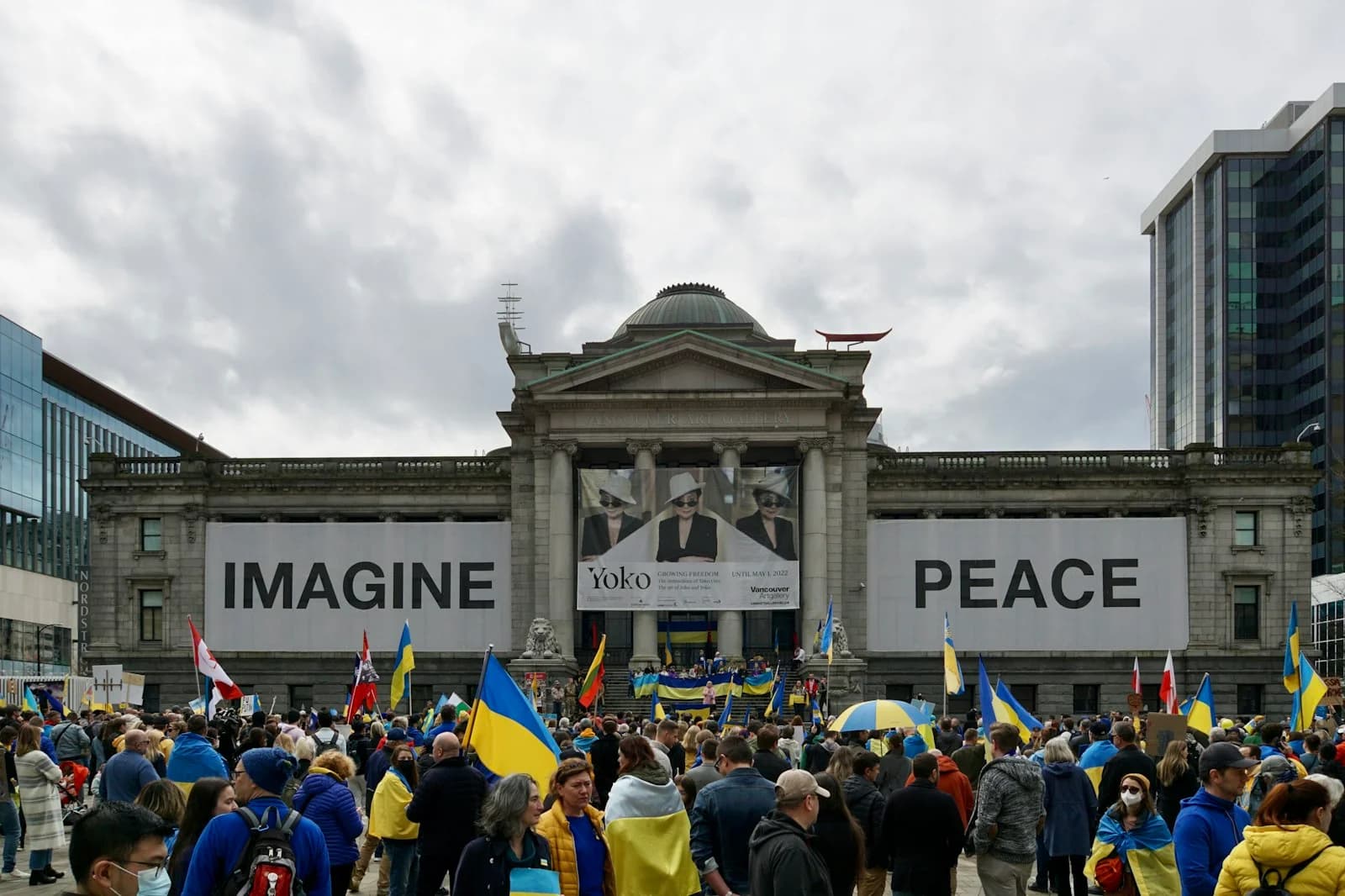
A data-driven look at the Canada-Ukraine aid package December 2025 reveals how Canada is orchestrating a comprehensive mix of financing, military assistance, and multilateral support to Ukraine. On December 27, 2025, Prime Minister Carney announced a new round of measures designed to unlock IMF financing for Ukraine, bolster debt relief mechanisms, and reinforce energy security—an approach that underscores Canada’s continued role as a major international partner. The announcement came during Zelenskiy’s visit to Halifax, a moment that Canada’s government framed as a demonstration of its commitment to a just and lasting peace. The package includes an additional 2.5 billion Canadian dollars in economic aid, with financing and guarantees that will enable Ukraine to secure critical loans and reduce the risk of financing gaps in the near term. This latest move sits within a broader, ongoing Canadian strategy that has already mobilized substantial military and humanitarian assistance in 2022–2025. (pm.gc.ca)
Beyond the headline figure, the Canada-Ukraine aid package December 2025 stacks multiple instruments that touch on finance, defence, and reconstruction. In the same week, Canada signaled continued multilateral engagement by advancing NATO’s Comprehensive Assistance Package (CAP) for Ukraine with $35 million in CAP funding, bringing Canada’s CAP total to about $180 million, and committing an additional $50 million to the Drone Capability Coalition (DCC). These steps complement Canada’s earlier NATO-related commitments and carve out a path for sustained, tech-enabled support to Ukraine. Together, these components illustrate how Canada is blending macro-finance with targeted technology and security investments to influence both short- and longer-term outcomes for Ukraine and allied markets. (canada.ca)
Canada’s total footprint in Ukraine aid has grown rapidly since the invasion began. According to Prime Minister Carney’s December 27 statement, Canada has provided nearly $22 billion in multifaceted assistance, including more than $12 billion in direct financial support. This places Canada among the largest contributors to Ukraine’s recovery and reconstruction and frames the December 2025 package as part of an expansive, ongoing program rather than a one-off disbursement. The scale of Canada’s commitment has important implications for public finances, domestic industry, and international markets—particularly in the defence, cyber, and advanced-technology sectors that frequently intersect with humanitarian and stabilization efforts. (pm.gc.ca)
Opening notes on the news cycle and timeline help anchor the broader story. On December 3, 2025, Canada announced $35 million in CAP funding for Ukraine at a NATO ministers meeting in Brussels, increasing the total CAP commitment to roughly $180 million. This early-month move established a structure for multi-year capacity-building and security assistance and signaled Canada’s willingness to leverage its industrial base—cyber resilience, defence collaboration, and reconstruction—to support Ukraine’s immediate and longer-term security needs. Then on December 16, 2025, at the Ukraine Defense Contact Group meeting, Canada pledged an additional $50 million to the Drone Capability Coalition, expanding Canada’s involvement in unmanned systems and related technologies. Finally, on December 27, 2025, the Prime Minister announced the centerpiece of the Canada-Ukraine aid package December 2025—a deepening of IMF lending support, debt-service relief, and new loan guarantees to underpin Ukraine’s reconstruction. These sequential steps create a coherent, technology-forward aid architecture that aligns with Canada’s broader innovation and defense priorities. (canada.ca)
Section 1: What Happened
Announcement Details
Canada’s IMF-financing push and debt-relief framework
The December 27, 2025 announcement centers on enabling Ukraine to access additional financing from the IMF, with Canada contributing to an extended financing program that expands Ukraine’s liquidity and stabilizes its credit position during a fragile macroeconomic period. The package also contemplates extended and expanded debt-service suspension for 2025–26, potentially freeing resources for critical reforms and reconstruction projects. The combination of IMF financing, debt relief, and multi-donor financial guarantees is designed to reduce execution risk in Ukraine’s stabilization plan and to attract further private and public sector capital. This is not just a one-time expenditure; it is presented as a scalable framework that seeks to sustain Ukraine’s reform agenda through 2026 and beyond. The details were outlined in the Prime Minister’s Halifax remarks and corroborated by official government releases. (pm.gc.ca)
NATO CAP and PURL: The multi-laceted financing spine
Canada’s December 2025 package also advances NATO’s Prioritised Ukraine Requirements List (PURL) and the NATO CAP—tools designed to pool resources from multiple allies to deliver high-priority capabilities to Ukraine. In early December, Canada announced a CAD $200 million contribution to the PURL, with the package valued at roughly USD $500 million and designed to secure air defense and other critical capabilities. This action builds upon August 2025 commitments to a PURL element and ties into Canada’s broader strategy of integrating with allied procurement efforts to accelerate delivery of essential equipment. The PURL mechanism highlights a key trend in security markets: multinational sourcing of advanced military capabilities through multi-donor funding pools, which can spur domestic suppliers to scale and collaborate on cross-border programs. (canada.ca)
Drone and unmanned systems: Expanding capabilities
The December 16, 2025 Ukraine Defense Contact Group meeting saw Canada pledge an additional CAD $50 million to the Drone Capability Coalition (DCC), supplementing earlier contributions and reinforcing Canada’s role in unmanned systems support. The DCC initiative complements Canada’s earlier investments in drone technology and related surveillance and targeting capabilities, including more than CAD $296 million in optical and infrared imaging and targeting systems since 2022, with 140 units delivered and more on the way. This pattern reflects a growing emphasis on precision-enabled technologies in international security and stabilization efforts, underscoring a broader Canadian technology export trajectory linked to defense and security markets. (canada.ca)
The CAP and capabilities: Broader capabilities for Ukraine
Together with CAP and PURL initiatives, Canada’s December 2025 actions include a pledge to provide advanced capabilities—ranging from air defense to other high-priority systems—through multinational channels. The December 27 release explicitly notes the net effect of Canada’s package as a combination of IMF financing, debt relief, and guarantees intended to support Ukraine’s rebuilding and resilience in the face of ongoing hostilities. The security and defense-focused disbursements are framed as part of a long-term bilateral and multilateral strategy to deter aggression and sustain Ukraine’s sovereignty. (pm.gc.ca)
A broader context: Milestones in 2025
It’s important to place the December 2025 package in the arc of 2025 Canadian actions. In August 2025, Prime Minister Carney announced a NATO-backed PURL package of approximately USD $500 million to strengthen Ukraine’s air defense and related capabilities, signaling a sustained push to align Canada’s defense procurement with allied efforts. The December 3 CAP funding and the December 27 IMF-focused package collectively illustrate how Canada has been layering finance, defense, and stabilization tools to support Ukraine’s security and recovery. These actions are part of a broader policy approach that includes ongoing military training and equipment donations under Operation UNIFIER and related NATO initiatives. (canada.ca)
Timeline and Key Facts
- August 2025: Canada announces a NATO CAP package worth roughly USD $500 million, earmarked for urgent Ukrainian security needs and defense collaboration. This sets the stage for later CAP and PURL actions. (canada.ca)
- December 3, 2025: CAP funding of CAD $35 million is announced, bringing Canada’s CAP contributions to approximately CAD $180 million total. The release emphasizes non-lethal assistance, capacity building, and interoperability improvements. (canada.ca)
- December 16, 2025: Canada pledges an additional CAD $50 million to the Drone Capability Coalition (DCC), expanding Canada’s unmanned systems support and signaling deeper integration with Ukraine’s drone operations. (canada.ca)
- December 27, 2025: Prime Minister Carney announces an additional CAD $2.5 billion in economic aid to Ukraine, including IMF lending facilitation, debt-service suspension, and loan guarantees to support reconstruction and energy security. The package also references ongoing multilateral coordination with NATO and partner countries. (pm.gc.ca)
Who Is Affected and Immediate Impacts
- Ukraine: Gains access to enhanced financing and a broader mix of security and defense support, including air defense capabilities, drones, and targeting systems, aimed at preserving sovereignty and stabilizing the country’s economic trajectory during war. Official statements emphasize immediate and medium-term security needs while also supporting longer-term reconstruction. (canada.ca)
- Canada: Strengthens its strategic alliance with Ukraine and its NATO partners, while advancing domestic capabilities in security, cyber resilience, and defense-industrial collaboration. Canadian firms in defence technology, imaging, and unmanned systems stand to benefit from collaborative procurement and export opportunities tied to the DCC and PURL ecosystem. (canada.ca)
- Global markets and technology sectors: The combination of financial guarantees, debt-relief instruments, and targeted defense tech programs signals a pattern where security assistance is increasingly intertwined with advanced technology markets, potential supply-chain stabilization, and policy-driven demand for high-tech security solutions. (pm.gc.ca)
Section 2: Why It Matters
Strategic and Economic Implications for Ukraine and Canada
Security architecture and multilateral finance
The Canada-Ukraine aid package December 2025 embodies a layered approach to security and stabilization: IMF financing to improve macro stability, debt-service relief to preserve fiscal space, and loan guarantees to mobilize reconstruction efforts. This combination reduces near-term financing risks and creates a more predictable environment for Ukraine’s reform program, while also signaling to markets that Canada is committed to coordinated, long-term support. Such a framework can influence investor confidence and donor behavior in wider European security financing, potentially encouraging additional contributions and co-financing from other allied nations. (pm.gc.ca)
Defense technology and supplier ecosystems
The integration of NATO CAP, PURL, and DCC initiatives demonstrates how technology and procurement are increasingly central to geopolitical support. With Canada’s PURL package backing urgent capabilities—such as air defense and related munitions—Canada’s defense-industrial ecosystem has new incentives to collaborate with U.S. and European suppliers. This alignment can accelerate technology transfer, stimulate domestic R&D, and create cross-border supply chains that benefit Canadian companies specializing in imaging, targeting systems, and unmanned platforms. For Montreal’s technology sector, this creates potential diversification opportunities in defense tech exports, cybersecurity partnerships, and advanced manufacturing. (canada.ca)
Market, energy security, and reconstruction
The inclusion of energy-security-oriented loan guarantees to support Ukraine’s gas imports under the EBRD framework highlights the interconnection between geopolitical risk management and energy markets. By reinforcing Ukraine’s energy resilience, Canada helps stabilize a region critical to European energy security, which can influence energy pricing, pipeline governance, and regional procurement strategies. The reconstruction component signals a longer horizon for market participation in infrastructure and industrial projects—areas where Canadian firms with engineering, construction, and technology capabilities could play a role. (pm.gc.ca)
Who Benefits Most: A Targeted View for Tech and Market Audiences
Tech and defence sectors
- Drones, imaging, and targeting: Canada’s DCC commitment and the substantial investments in optical and infrared technologies position the country as a key player in unmanned systems and precision sensors. This has direct implications for Canadian drone manufacturers, sensor developers, and defense integrators, who may see expanded demand from allied missions and reconstruction programs. (canada.ca)
- Interoperability and cyber resilience: CAP funding emphasizes capacity-building, training, and cyber resilience, creating opportunities for Canadian cybersecurity firms and IT service providers to partner with NATO and Ukraine-focused initiatives. The CAP framework’s emphasis on interoperability may accelerate standards alignment and export opportunities for Canadian tech firms. (canada.ca)
- Training and capacity building: Ongoing support for Ukraine’s security sector includes training through Operation UNIFIER and related NATO-capacity initiatives, which can translate into long-term demand for Canadian training programs, simulation technologies, and educational partnerships. (canada.ca)
Market dynamics and public finance
- Multilateral financing signals: IMF-backed lending tied to debt relief and investment in reconstruction creates a constructive environment for risk-aware investors who follow sovereign stabilization programs. The Canadian approach demonstrates how public finance can be used to de-risk large-scale international projects that involve technology deployment, infrastructure development, and modernization efforts. (pm.gc.ca)
- Domestic industrial participation: As Canada coordinates with multinational coalitions, there is a potential for increased participation by Canadian suppliers in multinational procurement pools, spurring export growth and domestic capacity expansion in high-tech sectors. This could have a measurable impact on Canada’s tech job market, supplier development programs, and regional innovation clusters such as those in Montreal. (canada.ca)
Global Context and Comparisons
- The Canada-Ukraine aid package December 2025 aligns with a broader global pattern: countries blending security assistance with targeted technology investments to reinforce resilience and support reconstruction. Similar multilateral financing mechanisms have been observed in NATO and allied forums where CAP, PURL, and other donor coordination efforts are used to deliver critical capabilities and stabilize partner nations. These mechanisms can influence global defense procurement trends, technology transfer norms, and collaborative R&D activities across North America and Europe. (canada.ca)
Section 3: What’s Next
Near-Term Milestones and 2026 Outlook
Financial commitments and disbursement cadence
- IMF financing and debt-service suspensions: The December 27 package anticipates timely disbursements and policy actions by Ukraine to satisfy IMF program conditions, with Canada’s support designed to reduce funding gaps and reassure IMF lenders. Monitoring reports and quarterly updates will be essential to tracking the effectiveness of the financing envelope and ensuring that funds reach planned reconstruction and stabilization activities. (pm.gc.ca)
- CAP and DCC implementation: CAP disbursements and DCC contributions are expected to unfold over the first half of 2026, with potential additional top-ups tied to Ukraine’s security needs and procurement progress. The December 3 CAP funding and December 16 DCC pledge indicate a structured, multi-month implementation timeline that policy watchers will be watching closely. (canada.ca)
Military and security engagements
- PURL-driven acquisitions: The PURL package, valued around USD $500 million, is expected to drive procurement cycles that involve U.S. and NATO-related suppliers. Canada’s involvement in this program—through a CAD $200 million contribution—will likely influence Canada-U.S. defense supply chains and related industrial partnerships, with potential spillover into domestic production opportunities for Canadian firms. Deliveries and integration of air-defense capabilities will be key milestones to watch in early 2026. (canada.ca)
Reconstruction and energy security
- Energy security integration: The EBRD loan guarantees for Ukraine’s gas imports will be operationalized through 2026, potentially shaping energy import contracts and security arrangements in Ukraine and Europe. Observers in Canada and Europe will be watching how these guarantees influence bilateral energy discussions and related infrastructure investments. (pm.gc.ca)
What to Watch For: Indicators and Signals
- Delivery timelines for DCC and imaging systems: As Canada moves forward with DCC and optical/IR imaging deployments, the pace of deliveries, testing, and interoperability with Ukrainian forces will be a critical signal of program effectiveness and supplier performance. The December 16 and December 27 announcements highlight the scale and cadence of these deployments. (canada.ca)
- IMF program milestones and Ukraine’s reform progress: IMF conditionality and Ukraine’s reform actions will continue to influence funding flows and debt-relief measures. Analysts will be watching for quarterly IMF reviews and Ukraine’s progress on structural reforms as a barometer of the package’s success. (pm.gc.ca)
- Domestic industrial outcomes in Canada: Montreal-area firms and other Canadian tech players could see new collaboration opportunities with NATO and Ukraine-focused programs. Trade and defense procurement data released in early 2026 will provide a concrete read on how the Canada-Ukraine aid package December 2025 is translating into domestic market activity. (canada.ca)
Closing
The Canada-Ukraine aid package December 2025, anchored by IMF financing, debt-service relief, and a suite of NATO-enabled capabilities, marks a deliberate blend of macro-financial support and technology-forward security assistance. As Canada coordinates with international partners through CAP, PURL, and the DCC, the immediate and longer-term implications for Ukraine, Canadian industry, and global markets are becoming clearer. The strategic emphasis on unmanned systems, advanced imaging, and interoperability suggests an elevated role for Canadian tech firms in defense and security markets, while the macro-financial elements aim to stabilize Ukraine’s economy and unlock reconstruction opportunities. Readers should monitor official updates from Global Affairs Canada, the Department of National Defence, and the Prime Minister’s office as 2026 unfolds to gauge the ongoing impact of these decisions on technology and market dynamics.
To stay updated, Montréal Times will continue reporting on how these initiatives influence technology adoption, market signals, and policy developments across Canada and Europe, with a particular focus on the Montreal tech ecosystem and related industries.