Canadiens Lose Kirby Dach to Injury Shakes Montréal

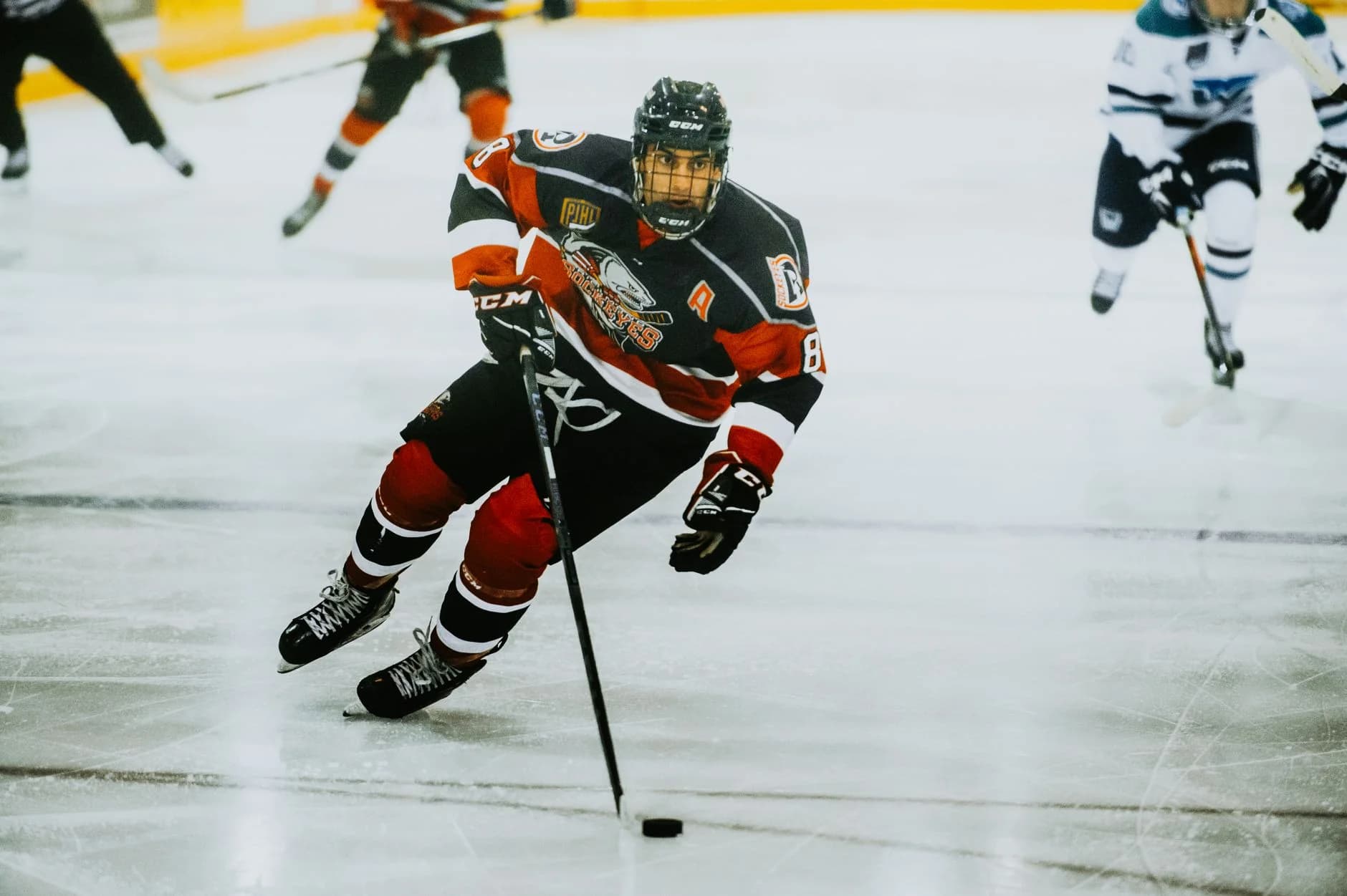
Montrealers woke up to a somber truth on the hockey front: Canadiens Lose Kirby Dach to Injury. The news sent ripples through the Bell Centre faithful and the broader hockey community in Montréal and across Canada. As an independent voice covering Montréal, Québec, and Canada, MontréAL Times approaches this development with a commitment to thorough context, medical updates, and strategic analysis that goes beyond the initial shock. The phrase Canadiens Lose Kirby Dach to Injury isn’t just a headline; it’s a signal of where the Canadiens’ season might head in the wake of a significant absence. For readers who follow local sport with a lens on culture, economy, and regional identity, this injury story intersects with fan sentiment, market dynamics around ticketing and sponsorship, and the practical realities of life in a city where hockey is more than a game—it’s a social event. The Canadiens’ decision to place Dach on the shelf has immediate and long-term ramifications for lineup composition, development timelines for younger players, and the timetable for playoff contention.
Canadiens Lose Kirby Dach to Injury marks a turning point for the team’s forward corps. Dach, a 24-year-old center acquired from the Chicago Blackhawks in 2022, has been a central figure in Montreal’s push to regain top-six chemistry and veteran presence. The report trails back to a clear fact: Dach’s injury is not simply a setback for one game or one season. It resonates across the franchise’s planning horizon, from on-ice strategy to the corporate calendar that includes partnerships, broadcast schedules, and fan-engagement initiatives. Dach’s absence will necessitate quick, decisive adjustments for head coach and management, while fans assess the depth charts and the growth trajectories of younger talents like Owen Beck and Josh Roy in his stead. The latest medical updates suggest rehabilitation timelines that will influence not only this season but potentially the start of the 2025-26 campaign as well. This analysis relies on the latest official updates from Canadiens communications and trusted outlets reporting on Dach’s status. (reuters.com)
Dach’s Injury: What We Know Right Now The Canadiens announced that Kirby Dach has sustained injuries that will keep him out for a defined period, altering the forward group’s makeup. In late November 2025, the club’s medical staff said Dach would be sidelined for an estimated four to six weeks after a fracture in the right foot. The timeline is important not only for this season’s standings but for how the team reshuffles its lines and absorbs minutes. The news cycle around Dach’s injury quickly shifted from a reactive update to a longer-range planning discussion about who will shoulder the scoring load in Dach’s absence and how Montreal will approach its upcoming schedule. For fans following the team’s injury report cadence, the official NHL Canadiens communications team provided the most authoritative update, which has been corroborated by Reuters reporting that highlighted the fracture as the cause of the setback. This is the current reality, and it frames the team’s immediate future with a necessary emphasis on depth and adaptability. (reuters.com)
Contextualizing Dach’s Injury in His Montreal Tenure Kirby Dach’s journey to Montréal in 2022 was marked by high expectations. Drafted No. 3 overall in 2019 by the Chicago Blackhawks, Dach joined the Canadiens in a trade that signaled Montreal’s willingness to push for a quicker competitive arc. His early years with the Canadiens were punctuated by a blend of leadership potential, physical presence, and the inevitable learning curve that accompanies a player stepping into a prominent role in a hockey market as intense as Montréal. Dach’s injury history has cast a long shadow over the club’s planning narratives. In 2023, Dach faced knee injuries that required surgery and sidelined him for the remainder of that season. The subsequent seasons saw him tasked with rebuilding form and consistency, a challenge familiar to teams contending in a league as physically demanding as the NHL. The combination of past knee issues and the November 2025 fracture underscores the evolving risk profile for players in high-contact roles and the importance of proactive medical management for athletes who are central to a team’s identity in a city where hockey is a cultural fabric. (nhl.com)
Strategic Implications for the Canadiens When a player of Dach’s caliber and role is sidelined, the most immediate consequence is on the attack’s potency and line balance. Montreal’s coaching staff must recalibrate the top six, reallocate minutes, and experiment with combinations that preserve chemistry while addressing talent gaps created by Dach’s absence. The tactical implications stretch beyond the ice. Team executives are faced with decisions about player development pipelines, the risk-reward calculus of calling up AHL talent, and the schedule pressure that comes with a condensed calendar. For a city that lives and breathes hockey narratives, the absence of a player like Dach intersects with fan expectations, media coverage cycles, and the broader economic ecosystem that supports the Canadiens, including sponsorships that are often tied to player availability and marquee matchups. In this context, Canadiens Lose Kirby Dach to Injury becomes a focal point for examining how the team maintains competitive integrity while continuing to build for the longer arc of the season and the prospects of playoff contention. The official injury update and subsequent analyses from reputable outlets provide the backbone for this assessment. (reuters.com)
A Look at the Timeline and What It Means for Return Prospects The fracture in Dach’s right foot places him on a recovery timeline that will be watched closely by fans and analysts alike. The four-to-six-week window is a disciplined projection, though in hockey, variables such as rehabilitation pace, response to treatment, and the team’s performance in his absence can influence a player’s return. Canadiens general managers and medical staff are known to coordinate closely with players’ rehabilitation teams to optimize a safe return, especially after a fractured foot, which can be a tricky injury given the need to push off, pivot, and sustain edge work. In parallel, the team must manage the current roster’s health dynamics, noting that Dach’s absence compounds other injury concerns that have periodically affected Montreal’s depth. The public record indicates a careful approach to Dach’s timeline, and the franchise’s communications reinforce a commitment to a cautious, player-first recovery strategy. As Montreal navigates this period, the question of when Dach will rejoin the lineup remains tied to his medical clearance and on-ice readiness signals from the training staff. (reuters.com)
Table: Injury Impact and Team Options
| Topic | Before Dach Injury | After Dach Injury | Notes |
|---|---|---|---|
| Offensive depth | Top-six scoring forward with 10+ goals and 12+ assists in a typical season pace | Reduced secondary scoring; lines must be rebalanced to protect other scorers | Depth testing; potential call-ups from Laval Rocket or shifts in power-play responsibilities |
| Line combinations | Preferred chemistry with Dach as a central pivot | Need to reassemble lines with veterans and younger players to fill the gap | Coaches will test multiple configurations in the coming weeks |
| Special teams | Dach contributed on both 5-on-5 and special teams units | Special-teams workload redistributed among remaining forwards | Power play structure may adapt temporarily |
| Schedule pressure | Regular cadence with Dach providing steady minutes | Increased burden on other forwards; potential impact on fatigue | Scheduling density in December could be a factor |
| Team morale | A stabilizing presence in the locker room | Locker-room leadership still strong but tested by extended absence | Leadership roles redistributed to captains and senior players |
This table summarizes a pragmatic perspective on how Montreal can navigate the injury without surrendering ground in a season that already tests depth. It is based on standard NHL roster-management dynamics observed during past injuries in similar contexts. The official medical updates and game reports provide the authoritative frame for these inferences. (reuters.com)
Cultural and Fan Reactions in Montréal Hockey in Montréal isn’t merely a sport; it’s a social and cultural touchstone. When a prominent player like Dach goes down, the immediate chatter in sports bars, on social media, and within community clubs centers on resilience, regional pride, and the sense that the team must adapt quickly to preserve its standing among North American hockey powers. The Montréal market often responds to injuries with a blend of pragmatic analysis and narrative depth, exploring not only the tactical adjustments but the human stories behind the players and their families. In many ways, this moment offers an opportunity for fans to rally around the team’s depth, celebrate emergent players, and reflect on the city’s enduring relationship with the sport. The injury becomes part of Montréal’s ongoing hockey folklore, contributing to a longer arc about the Canadiens’ identity, the vitality of the sport in the province, and the role of sports media in shaping public sentiment. This is a dynamic that a local newspaper like MontréAL Times aims to capture with nuance, ensuring readers see both the numbers and the mood behind the headlines. (reuters.com)
Historical Context: Dach’s Injury Timeline and Recovery Lessons To understand the current moment, it helps to look back at Dach’s injury history. The initial knee injury in October 2023 sidelined him for the remainder of that season and required surgical repair, a setback that shaped his development arc in Montreal. The road to recovery involved rehabilitation milestones and a cautious ramp-up to NHL-level competition. That experience informs how the organization approaches his current foot fracture recovery, as medical teams apply lessons learned from prior surgeries to optimize the return timeline, while monitoring for re-emergence of any other issues. This historical lens is essential for readers who want to see how the Canadiens have managed past injuries and how those choices affect present-day strategy. It’s not just about a single injury; it’s about a pattern of resilience and careful medical oversight that Montreal has cultivated. (nhl.com)
Economics of Injury: Ticketing, Sponsorships, and Local Impact Beyond on-ice matters, injuries influence the business side of sports in Montréal. Fans’ willingness to travel to games, purchase merchandise, and engage with premium experiences can shift when a star forward is sidelined. Local businesses around the arena and partner brands watch injury timelines closely, as the absence of a top-six forward can affect game-day attendance projections, broadcast ratings, and in-venue activations tied to home games. For independent journalism outlets like MontréAL Times, this intersection of sports, economy, and culture provides rich material for readers who care about both performance and community impact. As the team recalibrates, advertisers and sponsors also adjust messaging to stay aligned with the Canadiens’ evolving storyline, which now includes depth-chart experimentation and a potential re-sequencing of the lineup. The commercial implications, while less visible than the medical updates, are real and worth analyzing in a city where hockey seasons intersect with the broader economic calendar. (reuters.com)
Quotations and Perspectives In the face of adversity, quotations can offer both inspiration and pragmatic guidance. As the late hockey icon Wayne Gretzky once noted, “You miss 100% of the shots you don’t take.” That sentiment echoes through Montreal’s approach to injuries: the team will need to seize opportunities and push forward, even when a key player is sidelined. The organization’s leadership—coaches, general managers, and medical staff—will emphasize resilience and strategic adaptation to keep momentum alive. The city’s fans, too, will lean on collective spirit and shared narratives to sustain enthusiasm during a period of lineup reshuffling. These perspectives, while rooted in sports lore, have broader resonance for Montréal’s cultural identity, where communal memory often centers on overcoming obstacles together. (reuters.com)
Case Studies: Comparable Injuries in the NHL and Their Lessons To place Dach’s situation in a broader context, consider comparable situations in recent NHL history where injuries to top forwards altered team trajectories. In cases where a leading scorer was sidelined for weeks or months, teams typically leaned on younger players to step up, rebalanced line structures, and leaned on goaltending to stabilize results. While every team’s dynamic is unique, the recurring themes—depth testing, strategic experimentation, and a renewed emphasis on team-wide buy-in—hold across leagues. For Montreal, a club with a storied tradition and a devoted fan base, the challenge is to translate those general lessons into a concrete on-ice plan that maximizes the contribution of players who previously had smaller roles but now face elevated responsibilities. The ongoing reporting from Canadiens PR and major outlets will help readers track how close Dach is to returning and which replacement players are making the strongest case for extended responsibilities. (nhl.com)
A Reader-Centric Guide: How to Follow the Dach Injury Story Montréal Times aims to deliver a reader-centric experience that blends timeliness with deeper context. Here’s how to stay informed as the Canadiens navigate this injury period:
- Follow official updates from the Montreal Canadiens’ communications channel for the most precise timelines and medical notes. These releases anchor the narrative in verifiable facts. (reuters.com)
- Track game-by-game performance and lineup changes, focusing on how new line combinations perform in each tilt. Data on goals, assists, and Corsi metrics can illuminate whether the team is maintaining their scoring edge despite the absence. (reuters.com)
- Compare media analyses to identify consensus views and divergent opinions about the team’s strategy, depth players stepping up, and potential trades or call-ups. A balanced view helps readers understand the broader implications beyond a single injury report. (nhl.com)
- Listen for quotes from team management and coaches about recovery timelines and risk management, which provide insight into the organization’s long-term planning and commitment to player health. (nhl.com)
Fan Voices and Social Discourse The injury story has a social dimension. Montreal’s hockey culture thrives on fan engagement, post-game analysis, and the emotional cadence of a season that often mirrors the city’s own pace. Social discussions may pivot toward the emergence of a new top-six slot for a rising star, the reallocation of power-play duties, or the pressing need to extend opportunities for young players who previously watched Dach from the wings. By chronicling these conversations, MontréAL Times offers readers a holistic sense of how the city is processing the setback—beyond box scores and press releases.
FAQ: Canadiens Lose Kirby Dach to Injury — Common Questions Q: When is Dach expected to return? A: The latest official projections indicate a four- to six-week recovery window for the fracture, with a return potentially in late December or early January, depending on healing progress and medical clearance. (reuters.com)
Q: Will this injury affect playoff chances? A: While Dach’s absence is a challenge, hockey seasons are long and depth becomes a more critical factor as the schedule progresses. Montreal will need other players to step up and contribute consistently. Historical patterns show teams often compensate through improved secondary scoring and tactical adjustments, but the outcome depends on many variables, including health of other players and performance of the goaltender. (reuters.com)
Q: Have there been comparable injuries to Dach in the past? A: Dach has a documented injury history, including a knee injury that required surgery in 2023. This context informs how the team manages his rehabilitation and how quickly he can be integrated back into the lineup. (nhl.com)
Q: Could Dach’s absence prompt roster changes beyond call-ups? A: Yes. When a top-six forward is unavailable, teams often explore trades, signings, or a strategic reshuffle in the bottom six to preserve scoring balance and prevent overworking remaining veterans. Montreal’s management has historically weighed these options with attention to long-term roster health. (reuters.com)
The Montreal Identity: Why This Injury Belongs to the City Narrative Montréal is a city where sports teams carry regional identity and culture in a way that influences everyday life. When the Canadiens lose a key player to injury, the event becomes a focal point for discussions about local pride, municipal spirit, and the collective resilience of a community that lives with winter, sports, and a shared sense of belonging. The Dach injury story intersects with broader topics—local business cycles tied to game nights, youth hockey development pipelines, and the architectural beauty of a city that cherishes its sports venues as public spaces for communal gathering. MontréAL Times frames the injuries not just as a statistic but as a narrative about what Montréal stands for in the Canadian landscape: competitive rigor, cultural vitality, and steadfast community support in the face of adversity. The news cycle around Dach’s status provides an opportunity to illuminate these facets for readers who want more than just the score. (reuters.com)
Closing Thoughts: Navigating Uncertainty with Prudence and Vision Canadiens Lose Kirby Dach to Injury is a reminder of the fragility and volatility that accompany professional sports. Yet it also underscores the league’s depth, the resilience of teams like the Canadiens, and the vibrant ecosystem of fans and communities that rally around them. The injury narrative is not merely a setback; it’s a test of organizational grit, player development pipelines, and the city’s willingness to adapt. As Dach focuses on rehabilitation, Montréal residents and Canadiens supporters will be watching closely to see who seizes the opportunity to elevate their game and who steps into the leadership gaps that the absence creates. The broader takeaway for readers of MontréAL Times is that sports reporting—especially in a city so invested in its team—should pair precise medical updates with rich storytelling about how a single injury reverberates through a team, a city, and a culture that cherishes hockey as an essential part of its social fabric. (reuters.com)
Quotations Recap
“You miss 100% of the shots you don’t take.” — Wayne Gretzky
This sentiment captures the spirit of the Canadiens navigating a season marked by Dach’s absence: the team must innovate, persevere, and lean on its collective strengths to continue competing at a high level. The narrative around Canadiens Lose Kirby Dach to Injury will continue to evolve as players return to form, new line combinations prove themselves, and the organization communicates clear, credible timelines for Dach’s recovery. MontréAL Times remains committed to delivering ongoing, independent journalism that contextualizes the injury within Montréal’s sports culture and the broader Canadian sports landscape.