Downtown Cultural Corridor Montreal 2026 Update

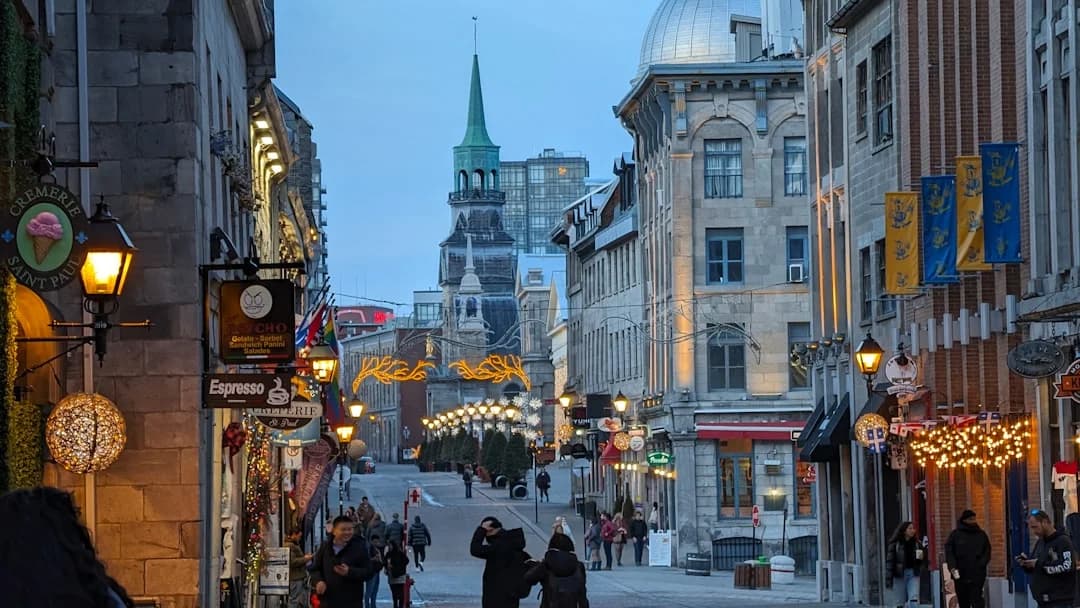
Photo by Tyrone Chambers on Unsplash
Montreal is advancing a citywide cultural initiative that ties together Old Montréal, Griffintown, and the surrounding Southwest boroughs along a historic corridor. In early 2026, Tourisme Montréal highlighted a key update to the Downtown Cultural Corridor Montreal 2026 initiative, emphasizing a 3.6-kilometre cultural route along the Lachine Canal that links 15 landmark destinations. The update, published on February 2, 2026, reframes the corridor as not only a tourism magnet but a data-informed, community-driven platform for arts, heritage, and immersive experiences. This move arrives at a moment when Montreal’s cultural economy is intensifying its intersection with technology, tourism data, and urban design to attract residents, workers, students, and visitors alike. As readers, you can think of it as a coordinated effort to weave Old Montréal’s archaeological and historical strengths, Griffintown’s industrial past, and the evolving Southwest’s creative economy into a single, navigable map. The corridor’s official framing positions it as a walkable and bike-friendly route that presses the city’s public art, museums, galleries, and culinary spaces into a connected, citywide experience. (mtl.org)
What makes the Downtown Cultural Corridor Montreal 2026 development particularly timely is its explicit emphasis on urban vitality backed by a route that is both historically rooted and forward-looking. By design, the corridor blends public art, heritage sites, and contemporary creative spaces with a multiyear, data-informed approach to visitor flow and neighborhood impact. Tourisme Montréal’s updated guide describes the corridor as a path that “links 15 landmark destinations, including cultural institutions, art galleries, heritage sites and vibrant community spaces that reflect the cultural and social richness of these Montréal neighbourhoods.” The route begins in Old Montréal at Pointe-à-Callière and traces the Lachine Canal westward, threading through Griffintown before arriving at Atwater Market on the southern edge of Saint-Henri. This framing resonates with the city’s broader downtown strategy, which seeks to connect central districts with adjacent neighborhoods through cultural and pedestrian networks. (mtl.org)
Section 1: What Happened
Announcement Overview
In February 2026, the city and its cultural partners publicly reinforced the Downtown Cultural Corridor Montreal 2026 as a coordinated, ongoing initiative rather than a one-off event. The official materials describe the Cultural Corridor as a 3.6-kilometre cultural route along the Lachine Canal that connects Old Montréal to the Southwest boroughs, designed to be walkable, bike-friendly, and accessible to residents and visitors alike. The corridor physically stitches together 15 cultural and heritage sites, creating a continuous experience rather than isolated stops. This update aligns with Montreal’s broader Downtown Strategy and public art programs that seek to leverage historic corridors to catalyze local economies, attract creative industries, and improve urban mobility. Public-facing materials emphasize the Corridor’s aim to illuminate local history, contemporary creation, and community-led cultural activity, while showcasing how technology and urban planning intersect to support a resilient cultural economy. The official timeline and milestones for large-scale construction are still being refined, but the February 2026 publication provides a concrete snapshot of scope, destinations, and governance. (mtl.org)
Route and Stops: A Closer Look at the 15 Spaces
The corridor’s route, as described by Tourisme Montréal, begins at Pointe-à-Callière in Old Montréal, a site that anchors the route in the city’s earliest urban history. From there, the path follows the Lachine Canal, a National Historic Site whose multi-use route stretches across more than 13.5 kilometres, offering a scenic corridor that connects downtown Montréal to Griffintown and beyond. The corridor’s 15 spaces range from public art venues to historical sites and modern art centers, offering a curated cross-section of Montreal’s cultural ecosystem. Notable stops include Fonderie Darling in Griffintown, a former factory repurposed as a contemporary art center; Arsenal Contemporary Art, housed in a historic 19th-century shipyard; and MR-63, a pop-up–turned-permanent cultural pavilion built from eight historic metro cars, planned for Place William-Dow in Griffintown. The route concludes near the Atwater Market, a landmark public market that anchors the corridor’s southern terminus and connects urban culture with local gastronomy. These stops collectively illustrate how the corridor fuses heritage with contemporary creative practice, consistent with the city’s aim to blend history, art, and urban life into a single, navigable cultural itinerary. (mtl.org)
Public Art, Innovation, and Partnerships
A central feature of the Downtown Cultural Corridor Montreal 2026 is the emphasis on public art and creative partnerships as catalysts for neighborhood vitality. The Rue Ottawa cultural corridor example in Griffintown—though a separate initiative—illustrates a city strategy to weave public art into new public spaces and to connect major cultural facilities along a street-scale axis. This public art logic—connecting Griffintown to Vieux Montréal and linking Arsenal Art Contemporain with Fonderie Darling—helps explain the corridor’s anticipated impact on pedestrian flows, local businesses, and cultural programming. The corridor’s implementation relies on cross-organizational collaboration among cultural institutions, the city’s urban planning departments, and community groups. In practice, this means a robust governance framework to manage sites like MR-63, New City Gas, and Fonderie Darling, each of which contributes a different facet of Montreal’s cultural DNA to the corridor. The corridor’s multi-institutional backing is consistent with Montreal’s history of shared governance in the arts, tourism, and urban development. (montreal.ca)
Key Stops in Context: MR-63, Fonderie Darling, Arsenal, and Beyond
MR-63 epitomizes the corridor’s synthesis of heritage and contemporary culture. Built from eight former MR-63 metro cars, the pavilion is planned to house a mix of cultural programming, gastronomy, and public space, anchored by a 300-seat digital auditorium and a rooftop terrace. The project underscores Montreal’s broader strategy to repurpose industrial heritage into living, community-oriented cultural spaces. According to Tourisme Montréal, MR-63 in Griffintown represents an emblem of the corridor’s creative economy and its potential to attract both local audiences and visitors seeking innovative urban experiences. Tourisme Montréal’s MR-63 feature confirms the project’s timeline, noting that construction was set to begin in 2024 and that the space would be a visible anchor along the corridor. This aligns with MR-63’s own communications, which describe the pavilion as a milestone in Griffintown’s cultural evolution and as a hub for local artistry, design, gastronomy, and community engagement. (mtl.org)
Fonderie Darling, Arsenal Contemporary Art, and New City Gas also anchor the corridor’s contemporary art and culture dimension. Fonderie Darling, a public art center housed in a historic industrial complex, has long served as a creative hub in Griffintown, hosting exhibitions, artist residencies, and collaborative projects. Arsenal Contemporary Art represents Montreal’s growing presence in the international contemporary art scene, expanding the corridor’s appeal to visitors seeking cutting-edge visual art within a historically rich industrial landscape. New City Gas, a historic Griffintown industrial site now repurposed for arts and culture, anchors the corridor’s nightlife and experiential economy, illustrating how the cultural corridor blends daytime cultural exploration with evening entertainment. Public-facing materials emphasize the corridor’s ability to showcase a spectrum of cultural activity—from history and heritage to contemporary art and nightlife—within a single, legible route. (fonderiedarling.org)
Section 2: Why It Matters
Economic and Tourism Impacts
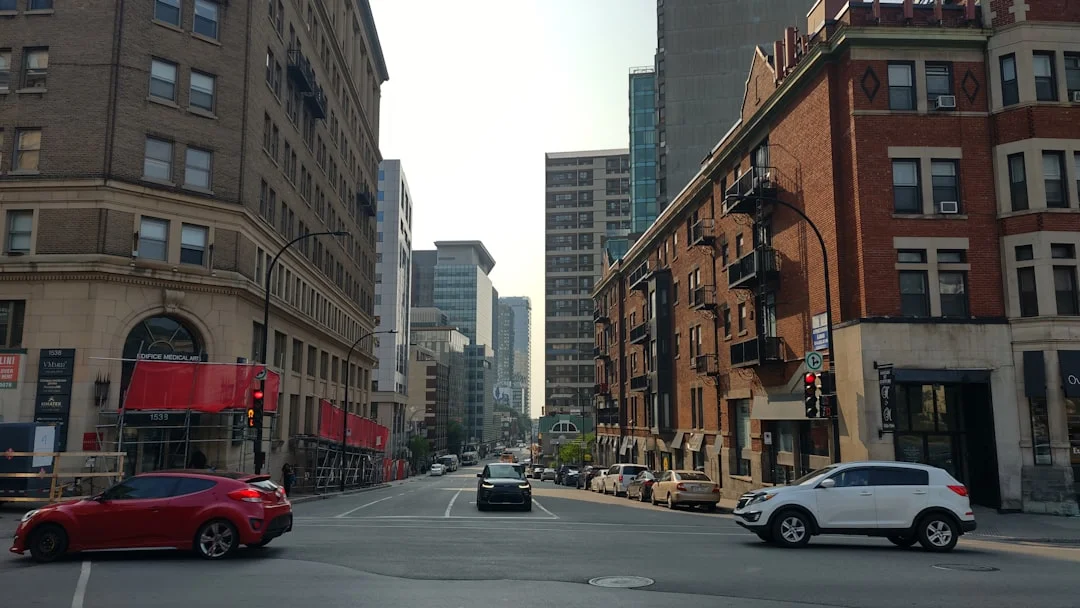
From a macro perspective, the Downtown Cultural Corridor Montreal 2026 is positioned to become a logistics spine for cultural tourism and a driver of local employment in the arts, hospitality, and tech-enabled experiences. The corridor’s 3.6-kilometre route and 15 stops create a dense concentration of venues that can benefit from coordinated ticketing, programming calendars, and digital guides. Tourisme Montréal’s framing highlights the corridor as a route that couples industrial heritage with contemporary creation, helping to diversify visitor experiences and lengthen stays in the downtown area. This kind of integrated cultural product can support local businesses—from restaurants and cafés near Griffintown to cultural venues along the canal—by increasing foot traffic, cross-pollinating audiences, and providing new opportunities for retail and services. The corridor aligns with Montreal’s downtown strategy to leverage culture as a growth lever, integrating public art, heritage sites, and modern venues into a connected visitor economy. (mtl.org)
Technology and Data: The Modernization of Cultural Experience
A core dimension of the corridor is its potential to incorporate technology-driven experiences that appeal to a tech-savvy audience. The corridor’s concept embraces immersive art, digital programming, and data-informed visitor analytics as tools to optimize programming, improve wayfinding, and tailor experiences to diverse audiences. The MR-63 pavilion project, for example, includes a digital auditorium and a design-forward approach to creating a mixed-use cultural hub, which inherently relies on technology to expand reach and engage audiences. The corridor’s integration of public art and contemporary spaces—alongside tech-savvy institutions such as PHI (highlighted in Tourisme Montréal materials as a hub for art, technology, and immersive experiences)—signals a deliberate push to fuse culture with digital innovation. This alignment supports the city’s broader narrative of Montreal as a data-driven, technology-enabled cultural economy that can attract both residents and global visitors. (mtl.org)
Neighborhood Impacts: Griffintown, Old Montréal, and Beyond
The corridor’s geography positions Griffintown, Old Montréal, and the Lachine Canal as a single, walkable cultural corridor with strong implications for urban life. Griffintown’s ongoing transformation—from industrial district to mixed-use creative hub—provides a living lab for the corridor’s ambitions. The Rue Ottawa cultural corridor concept—while focused on Griffintown and Vieux Montréal—offers a parallel example of how public art and new public spaces can tie neighborhoods together in a way that complements the corridor’s route. The city’s approach to public art as a connective tissue—bridging new plazas with historic venues—could influence traffic patterns, neighborhood branding, and the distribution of cultural events across the corridor. The corridor’s emphasis on linking multiple neighborhoods through a curated cultural experience also has potential ripple effects for affordable housing, retail mix, and small business vitality as more visitors and locals traipse the route. (montreal.ca)
Public Art and Cultural Equity
The corridor is a canvas for public art, including installations and programs that reflect Montreal’s diverse communities. Public art corridors often become platforms for social engagement, place-making, and cultural exchange, with potential long-term benefits in terms of cultural equity and inclusive access to arts and culture. MR-63, Fonderie Darling, Arsenal Contemporary Art, and New City Gas each contribute unique voices to the corridor’s cultural fabric, creating a multi-venue ecosystem that intensifies the downtown cultural experience while offering opportunities for local artists, designers, and culinary innovators. The corridor’s governance structure—grounded in partnerships among cultural organizations and city agencies—helps ensure that programming reflects community input and inclusive access, a critical factor for long-term sustainability. (mtl.org)
What This Means for Tech and Market Trends
For Montreal’s tech-forward audience, the corridor represents a living platform for experiments at the intersection of culture, design, and technology. Immersive installations, digital art, and data-driven event calendars can attract a younger, tech-savvy demographic while maintaining broad appeal for traditional museum-goers and heritage enthusiasts. The corridor’s blend of public spaces and cultural venues also creates opportunities for startups in experiential tech, location-based services, and audience analytics to pilot new products and partnerships in a real urban setting. The presence of PHI as a hub for art and immersive experiences signals a favorable environment for tech-art collaborations, which could translate into collaborative programs, internships, and cross-sector funding that bolster Montreal’s standing as a generation-ready cultural economy. (mtl.org)
Section 3: What’s Next
Upcoming Milestones and Next Steps
Looking ahead, the Downtown Cultural Corridor Montreal 2026 is expected to advance through a series of milestones tied to site development, programming calendars, and public engagement processes. Given MR-63’s project trajectory—construction planned for 2024 and ongoing development toward a 2026 or later opening—there is a clear expectation that Griffintown’s Canal-side cultural pavilion will become a defining anchor along Place William Dow. Public-facing materials also indicate continued development of Fonderie Darling and Arsenal Contemporary Art within the corridor’s framework, suggesting a staggered roll-out of exhibitions, residencies, and partnerships over the next 12–24 months. While exact dates for each venue’s programming are still being finalized, the corridor’s data-driven approach implies a coordinated schedule of events to maximize cross-venue attendance, optimize transit and pedestrian flows, and sustain audience interest across seasons. (mtl.org)
What to Watch For: Public Programming and Digital Engagement
Readers should watch for enhanced digital guidance—potentially including online route planners, interactive maps, and real-time event calendars—that will help visitors navigate the 3.6-kilometre corridor. The corridor’s emphasis on immersive experiences, as highlighted by PHI and other technology-forward partners, indicates that 2026–2027 programming could feature a mix of light installations, audio-guided tours, and data-informed exhibitions designed to deepen engagement with Montreal’s industrial heritage and contemporary art scene. Community engagement processes and public art commissions will likely be announced through MR-63’s networks and the Corridor Culturel platforms, with updates posted by city agencies and tourism organizations. The public art and cultural strategy is expected to adapt to feedback from residents and visitors, ensuring that programming remains accessible, inclusive, and responsive to evolving city life. (mtl.org)
What’s Next in Terms of Transportation and Access
An additional dimension of the corridor’s development is improved access for pedestrians and cyclists along the Lachine Canal and in the Griffintown neighborhood. The Lachine Canal path, widely used by residents and tourists, will likely benefit from wayfinding enhancements, street furniture, and potentially new public spaces that support events and markets tied to the corridor. The corridor’s integration with existing transit corridors and underground networks—such as Montreal’s RESO underground network and nearby metro stations—could be part of longer-term plans to improve access and resilience during peak event periods. Public updates and city planning documents are likely to detail these access enhancements as the corridor progresses from concept to near-term realization. (mtl.org)
Closing
The Downtown Cultural Corridor Montreal 2026 initiative signals a thoughtful, data-informed approach to urban culture in Montreal. By linking Old Montréal, Griffintown, and the Southwest through a curated route that embraces history, modern art, and immersive technology, Montreal aims to sustain a vibrant downtown while expanding opportunities for artists, entrepreneurs, and local businesses. The corridor’s evolving programming and partnerships suggest a model for how cities can leverage culture to drive economic and social value, while also presenting a practical pathway for residents and visitors to explore a dynamic, living city. As the corridor unfolds through 2026 and beyond, stakeholders and audiences alike will benefit from ongoing updates, community engagement, and transparent sharing of programming calendars and performance metrics. Staying connected to Corridor Culturel channels and Tourisme Montréal updates will help readers plan visits that align with new exhibitions, performances, and public-art installations, ensuring that Downtown Montreal remains a pulsating hub for culture, technology, and urban life. (corridorculturel.com)
