Ebola Border Measures Canada 2026: What to Know

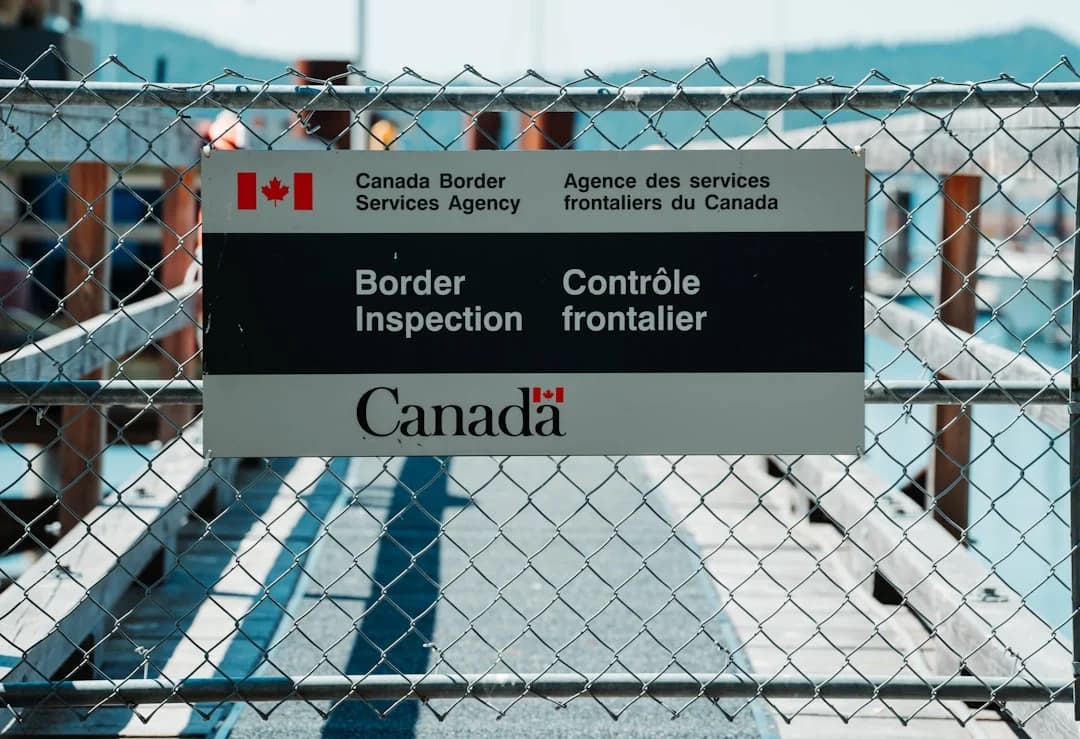
Photo by Hermes Rivera on Unsplash
As part of a data-driven approach to border health security, Montréal Times is providing a detailed briefing on the Ebola border measures Canada 2026 unveiled by the Government of Canada on May 26, 2026. The move comes amid an expanding Ebola outbreak centered in the Democratic Republic of the Congo, with rising risk indicators in Uganda and South Sudan. Officials describe the steps as precautionary, designed to minimize the chance of the virus entering and circulating within Canada while authorities monitor the evolving situation. The public health community underscores that risk to the general population remains low, but the scale and trajectory of the outbreak have prompted rapid, disciplined action. The measures were announced in the context of ongoing global health surveillance and in coordination with international partners, including the World Health Organization. In practical terms, Canadians, residents, and travelers should expect changes to visa and immigration processing as well as new border-health requirements. The timing also aligns with the broader international travel landscape surrounding major global events, including FIFA World Cup 2026, which health authorities say necessitates robust border health measures to prevent cross-border transmission. (canada.ca)
What Happened
Announcement details and core measures On May 26, 2026, the Government of Canada announced a set of temporary border measures in response to the Ebola disease outbreak and the elevated risk to Canada. The news release from the Public Health Agency of Canada specifies two principal actions designed to reduce importation and domestic spread: a suspension of immigration documents for residents of the highest-risk countries for the Ebola outbreak for the next 90 days, and a separate quarantine measure for travelers who have recently been in the affected regions. Specifically, the government intends to suspend immigration documents for residents of countries with high or very high outbreak risk for the next 90 days beginning May 27 at 23:59 EDT. This applies to individuals with previously approved temporary resident visas, electronic travel authorizations (eTAs), or permanent resident visas who would otherwise travel to Canada. Decisions on new or pending applications from residents of these countries would also be paused during this period. (canada.ca)
A second, ongoing measure targets travelers who have recently been in the affected areas. Beginning May 30 at 23:59 EDT and running through August 29, 2026, Canadian citizens, permanent residents, persons registered under the Indian Act, and other foreign nationals who have been in the Democratic Republic of the Congo, Uganda, or South Sudan within the prior 21 days and who do not exhibit symptoms must quarantine for 21 days. Those displaying symptoms upon arrival or during screening are to be isolated in a hospital or an appropriate medical facility for further assessment. The border-health rules fall under the Quarantine Act and are designed to complement existing border screening and public health surveillance. (canada.ca)
Scope and enforcement The measures apply specifically to passengers associated with Ebola risk in the cited regions. The government notes that these steps are precautionary and can be adjusted as the epidemiological situation evolves, in consultation with federal, provincial, and territorial partners. The policy explicitly states that travelers already in Canada are not affected by these measures and may continue their authorized stays, while those outside Canada can expect enhanced scrutiny and, in some cases, the temporary suspension of travel documents or entry permissions. Borders agencies including the Canada Border Services Agency (CBSA) and the Public Health Agency of Canada (PHAC) are responsible for enforcement and ongoing updates. The government also emphasizes that border measures may change with little notice, and travelers should verify current information before traveling. (canada.ca)
Official context and legal framework PHAC’s news release frames the measures as a proportionate and data-informed response to a public health threat of international concern. The plan relies on existing authorities under the Quarantine Act to manage entry risk and to coordinate with immigration authorities, Health Canada, and border-control agencies. The release underscores that, while the risk to Canadians remains low, the measures are necessary to protect public health given the evolving nature of the outbreak in the region and the global travel environment. The FIFA World Cup 2026 and other large-scale events are cited as part of the broader context in which Canada is maintaining heightened vigilance at the border. (canada.ca)
Timeline and key milestones
- May 26, 2026: Government of Canada announces temporary border measures in response to the Ebola disease outbreak in the DRC, with rising risks in Uganda and South Sudan. (canada.ca)
- May 27, 2026, 23:59 EDT: A 90-day suspension of immigration documents for residents of the affected countries begins. This includes temporary resident visas, electronic travel authorizations, and permanent resident visas that would otherwise enable travel to Canada. The government also notes it will pause processing for these applications during the 90-day window. (canada.ca)
- May 30, 2026, 23:59 EDT: A 21-day quarantine requirement for eligible travelers who have visited the affected areas within the last 21 days and who are asymptomatic takes effect. Symptomatic travelers will be isolated for assessment in a hospital setting. The measure runs through August 29, 2026. (canada.ca)
- August 29, 2026: End date of the 21-day quarantine requirement, subject to adjustment based on the evolving outbreak and evidence. (canada.ca)
What Happened in Context: International and domestic signals The Canadian government’s action aligns with a broader pattern of heightened border health controls observed in other nations during Ebola outbreaks, as international health authorities emphasize rapid risk assessment, border screening, and targeted travel restrictions to minimize cross-border transmission. PHAC’s monitoring pages explain that the May 2026 outbreak in the DRC and Uganda has prompted enhanced border screening measures and that the virus’s transmission requires close, direct contact with bodily fluids, which informs the risk mitigation strategies at entry points. Public health authorities stress that Canada’s approach is proportionate to the assessed risk and subject to ongoing review as new data becomes available. (canada.ca)
Section 1: What Happened (heading with subheadings)
Announcement details (### What was announced) The May 26, 2026 release from PHAC and partner departments laid out the dual-pronged policy: a 90-day suspension of immigration documents for residents of Congo, Uganda, and South Sudan, and a separate 21-day quarantine requirement for travelers with recent exposure in those regions. The measures are described as precautionary and tied to the Quarantine Act to ensure a lawful, uniform approach to border health. The government stressed that the measures would be reviewed and adjusted as needed based on epidemiological data, border-health intelligence, and international guidance. (canada.ca)
Implementation timeline (### Timeline and key dates)
Key dates include the start of the 90-day immigration document suspension on May 27, 2026, at 23:59 EDT, followed by the start of the 21-day quarantine on May 30, 2026, at 23:59 EDT, with a planned end date of August 29, 2026. The government explicitly notes that border screening has already been in place and will continue to be part of ongoing risk reduction. This timeline provides readers with concrete anchors to understand the policy’s scope and duration. (canada.ca)
Scope and enforcement (### Scope of measures)
The measures target individuals associated with Ebola risk in the specified nations and are enforced by federal agencies under established public-health authority. The policy clarifies that those already in Canada at the time of the announcement are not affected, but travelers from the designated countries who plan to visit Canada during the 90-day suspension or 21-day quarantine period will face restricted entry or mandatory isolation, respectively. The policy also indicates that the 21-day quarantine will include safe isolation options if an individual lacks a suitable place to isolate at home. (canada.ca)
Section 2: Why It Matters (heading with subheadings)
Public health rationale (### Protecting Canadians)

Canada’s Ebola border measures 2026 are framed as a precautionary, data-driven step designed to reduce the probability of an imported case that could seed domestic transmission. PHAC notes that while the general population risk remains low, the outbreak’s scale in the DRC and spillover risk to neighboring regions warrant strong border health controls. The 21-day incubation window for Ebola supports the rationale for quarantine periods that align with known disease dynamics, while the immigration-document pause serves as a control on potential exposure pathways through international travel. The combination is intended to buy time for enhanced surveillance and targeted case finding. (canada.ca)
Economic and travel implications (### Impacts on travel, trade, and business) The border measures are likely to affect travel volumes, tourism planning, and cross-border commerce, particularly for travelers who would otherwise rely on visas or eTAs to enter Canada. Industries dependent on international travel—airlines, hospitality, and border-service logistics—will be watching the situation closely as the 90-day immigration pause and 21-day quarantine could shift passenger flows, rebookings, and operational planning. PHAC and the border agencies have indicated that border screening remains a core component of risk management, even as these more disruptive measures are in place. The immediate impact will depend on outbreak trajectory, the duration of the measures, and the speed with which authorities can assess risk and adapt policies. (canada.ca)
Technology and border security: how digital tools intersect with policy (### The role of technology in border health) Canada’s approach signals an ongoing emphasis on border health technology, data integration, and risk-assessment capabilities. In recent months, PHAC has highlighted enhanced border screening measures and surveillance as key lines of defense, and the May 2026 measures sit within a broader toolkit that includes screening questionnaires, traveler history checks, and possible digital health credentialing for risk stratification. The policy context suggests a trajectory toward more standardized, technology-enabled health clearances at points of entry, even as more stringent entry requirements are in effect. The situation also underscores the need to balance technology deployment with privacy considerations and equitable access to travel. (canada.ca)
Global context and Canada’s readiness (### International coordination and domestic readiness) International health agencies emphasize the importance of rapid risk assessment and cross-border collaboration during Ebola outbreaks. Canada’s measures reflect both a national risk-management posture and an alignment with WHO guidance on border screening and early detection. The country’s readiness posture includes not only regulatory actions but also the capacity to respond to potential cases domestically, coordinate with provincial health authorities, and communicate risk clearly to the public and to travelers. Given the ongoing outbreak in Central Africa, Canada’s readiness posture is likely to evolve as more data become available about transmission dynamics, sequencing results, and international containment efforts. (canada.ca)
Section 3: What’s Next (heading with subheadings)
Monitoring and adjustments (### Ongoing surveillance and potential policy shifts) Public health authorities promise continuous monitoring of the Ebola outbreak and its international spread, with the capacity to adjust border measures as new epidemiological evidence emerges. PHAC’s rapid risk assessments, border-screening updates, and adherence to the International Health Regulations will guide any future modifications. Readers should expect regular briefings from PHAC and health authorities if the outbreak continues to unfold or if regional risk intensifies. The government’s stance remains that measures will be calibrated to the latest evidence, including test results, contact-tracing data, and WHO guidance. (canada.ca)
Next steps for travelers and industries (### What travelers should prepare for) Travelers from or passing through Ebola-affected regions should be prepared for possible delays, document suspensions, and quarantine requirements, depending on current policy status at the time of travel. Travelers should monitor official sources such as travel.gc.ca and PHAC updates for the latest guidance and ensure that any required documentation or health declarations are up to date if policies shift before finalizing travel plans. Businesses in the travel, hospitality, and logistics sectors should implement contingency plans, including flexible booking policies, enhanced sanitation and health protocols, and clear communication channels for customers and clients. (canada.ca)
What to watch for in the near term
Key indicators to monitor include: the trajectory of Ebola case counts in DRC, Uganda, and South Sudan; any shifts in the WHO’s stance on travel advisories or PHEIC declarations; potential expansions or contractions of the 90-day immigration document suspension; and any refinements to the 21-day quarantine policy (for example, changes to age exemptions, exemptions for accompanying family members, or alternative isolation arrangements). Canadian authorities have signaled flexibility to adapt measures as evidence evolves, so readers should expect updates in news releases and on official portals like Canada.ca and travel.gc.ca. (canada.ca)
Closing
The Ebola border measures Canada 2026 mark a pivotal moment in how Canada reconciles urgent public health needs with the realities of global travel and commerce. The government’s approach—suspending immigration document processing for affected regions while enforcing a 21-day quarantine for recent travelers—embeds a precautionary framework within the existing public health regime. As the outbreak’s course unfolds, Canada’s health and immigration authorities will need to balance risk reduction with practical considerations for travelers, industry stakeholders, and communities across the country. By design, this policy places emphasis on data-driven decision-making, swift communication, and adaptive strategies, aligning with the broader objective of safeguarding Canadians while maintaining the country’s openness to legitimate travel and economic activity. Canadians and international travelers should stay informed through official updates and be prepared for potential policy refinements as new information becomes available. The coming weeks will reveal how these temporary border measures influence flights, tourism, and cross-border commerce, and they will test Canada’s ability to respond rapidly to evolving public health threats while maintaining transparency and public trust. (canada.ca)
