Ethnic shift of Canadian population in Montréal

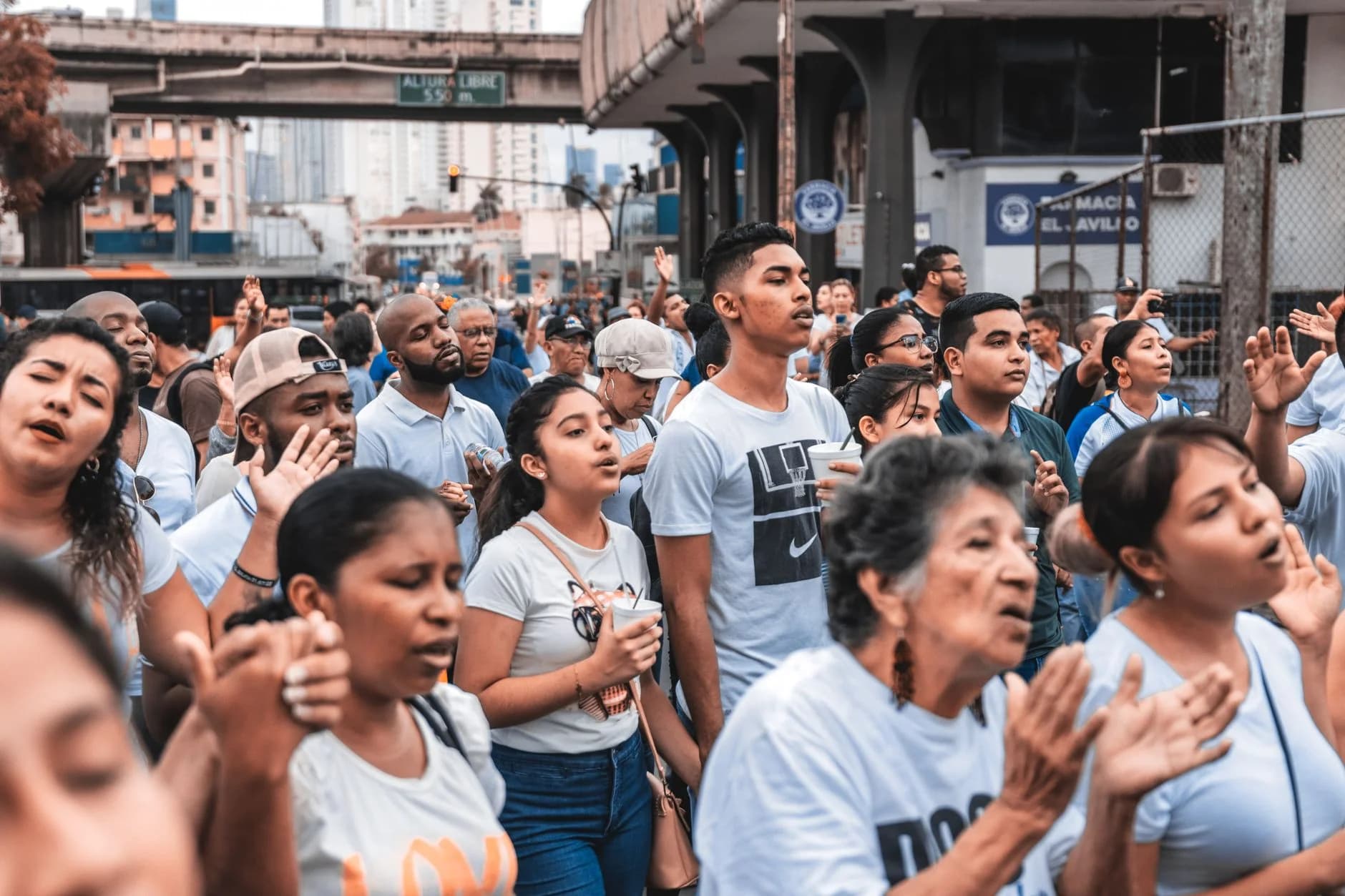
the ethnic shift of canadian population is one of the defining stories shaping Canada today, and Montréal sits at the heart of this transformation. As Montréal Times — Montral Times — Independent journalism covering Montral, Qubec, and Canada, we explore how migration, language, religion, and culture intersect with local politics, business, and everyday life. In this piece, we measure what the data say, frame the trends in a Montreal context, and consider what communities, businesses, and policymakers need to know to prepare for a future defined by diversity rather than a single national norm. The ethnic shift of canadian population is not a distant headline; it is a lived reality across streets, schools, workplaces, and municipal boards in Montréal and across the country.
Understanding the national trajectory and Montréal’s place in it
Canada’s 2021 Census data illuminate a country growing more ethnically diverse every year. Statistics Canada reports that 26.5% of the Canadian population identified with a visible minority group in 2021, marking a substantial rise from earlier decades and underscoring a trend toward greater ethnocultural diversity nationwide. Immigrants accounted for about 23.0% of the population in 2021, totaling 8,361,505 people, reflecting ongoing migration as a central driver of demographic change. These figures are critical milestones in the story of the ethnic shift of canadian population, providing a framework for understanding shifts in culture, economy, and public life. (www150.statcan.gc.ca)
In a national context, the numbers translate into a future where the share of Canadians identifying with racialized groups continues to expand. Statistics Canada projects that by 2041, the racialized (visible minority) share will constitute a substantial portion of the population—estimates place it in a broad range that could reach roughly 38.2% to 43.0% of Canadians, depending on the projection scenario. This projection highlights not just a snapshot in time but a continuum of change that will reshape labor markets, housing, education, and social policy. For Montréal, which serves as the nation’s second-largest city and a central hub of culture and commerce, the implications are especially pronounced. (www150.statcan.gc.ca)
The Montreal metropolitan area (Montréal CMA) is a focal point of this demographic evolution. While national data capture the broad trend, Montréal’s distinct linguistic landscape (predominantly French-speaking with a strong bilingual footprint) and its status as a gateway city for new Canadians mean that the ethnic shift plays out in unique local ways — from neighbourhood dynamics and school enrollment to business recruitment and municipal policy. In 2021, Montréal and its surrounding area welcomed a large share of immigrants, further enriching the region’s cultural tapestry. These dynamic forces help illuminate “the ethnic shift of canadian population” as not only a national statistic but a lived Montreal reality. (statcan.gc.ca)
“Diversity is the spice of life.” This proverb often resonates in Montréal’s neighborhoods where a mosaic of languages, cuisines, and traditions thrives side by side. It captures, in a sentence, why the ethnic shift of canadian population matters for culture, economy, and daily life across Montréal and Canada.
The dataset in focus: what the numbers actually show
To ground the discussion, let’s anchor our analysis in the key indicators that statisticians and policymakers watch most closely.
-
Visible minorities and ethnocultural diversity: In 2021, roughly 26.5% of Canadians qualified as a visible minority, underscoring a major shift from earlier decades and signaling a persistent trend toward greater ethnocultural plurality. This indicator helps explain changes in education, consumer behavior, media, and public discourse as communities expand beyond traditional patterns. (www150.statcan.gc.ca)
-
Immigrant share and population size: The 2021 Census counted 8.36 million immigrants, representing 23.0% of the population. This milestone reflects Canada’s sustained reliance on immigration to shape growth, labor supply, and regional development. It also informs policy debates around housing, urban planning, and social cohesion. (statcan.gc.ca)
-
Regional and urban dynamics: The “racialized” population is not uniformly distributed; urban centers like Montréal, Toronto, and Vancouver carry a disproportionate share, with Montréal serving as a major node for immigrant settlement and ethnocultural exchange. The distributional story matters because it affects city budgeting, school capacity, and local cultural sectors. (www150.statcan.gc.ca)
-
Projections for the future: The 2041 outlook emphasizes a dramatic shift in the composition of the population, with the racialized segment expanding significantly and regional differences widening. The scenario is not destiny but a range of possible futures depending on immigration policies, birth rates, and regional economic conditions. (www150.statcan.gc.ca)
-
Montréal’s local context: Montréal remains a critical node in the national mosaic. Data show that immigrant communities and visible minorities are central to the city’s cultural and economic life, including language diversity, entrepreneurship, and social networks. While precise percentages vary by source and methodology, the weight of Montréal’s diverse population is undeniable. (statcan.gc.ca)
In sum, the data outline a national arc toward richer ethnocultural diversity, with Montréal as a vibrant microcosm where the ethnic shift of canadian population unfolds in dynamic, tangible ways. For readers of Montréal Times, this isn’t merely a stats brief; it’s a lens on how communities, businesses, and policymakers respond to a rapidly changing social fabric.
Montréal as a microcosm of national diversity
Montréal is Canada’s crossroads city, a place where languages, cuisines, and traditions intersect with global flows of people and ideas. The 2021 Census and subsequent data highlight that the city hosts substantial immigrant communities and visible minorities, contributing to a cultural ecosystem that fuels innovation, arts, and entrepreneurship. This diversity influences everything from municipal services to festival calendars and neighborhood development plans. While national aggregates reveal the upward trend in diversity, Montréal’s unique linguistic and cultural environment makes the city a vivid case study in how an urban center can adapt to the ethnic shift of canadian population.
-
Language and education: Montréal’s linguistic landscape matters for social integration, public service delivery, and the job market. The city’s mix of French and English, plus a broad array of mother tongues among immigrant families, shapes policy debates about language education, access to services, and inclusive urban design. The data reflect ongoing multilingual realities in Montréal, reinforcing the need for programs that support bilingual communication and equitable access to opportunities. The StatsCan local dashboard and related analyses offer a structured way to explore these dynamics at the municipal level. (statcan.gc.ca)
-
Immigrant settlement patterns: Montréal has long served as a first-stop city for newcomers to Québec and to Canada more broadly. The concentration of immigrants in the Montréal CMA supports a vibrant economy in areas like hospitality, construction, healthcare, and technology services, while also presenting challenges in housing, affordability, and social integration. Data from StatsCan and provincial sources indicate high immigrant activity in Montréal’s economy and culture, reinforcing Montréal Times’ focus on in-depth reporting about local impacts. (statcan.gc.ca)
-
Case in point: Haitian and North African communities: Montréal’s multicultural makeup includes substantial Haitian and North African populations among its immigrant communities. While precise counts are complicated by methodology, these communities are repeatedly identified in national and local datasets as important contributors to Montréal’s cultural life, entrepreneurship, and social networks. This reality underpins broader themes of the ethnic shift of canadian population as it plays out within Quebec’s largest city. (en.wikipedia.org)
Montreal Times remains committed to independent reporting about how these demographic shifts translate into tangible outcomes for residents, workers, and businesses. Our coverage will continue to examine how diversity informs politics, culture, education, and the economy across Montréal and beyond.
The economic ripple effects: labor markets, housing, and consumer behavior
The ethnic shift of canadian population does not simply rewrite census pages; it reshapes the economy in fundamental ways. Immigrant workers, visible minority entrepreneurs, and language-rich households influence labor markets, demand for housing, and consumer patterns in ways that require adaptable business models and inclusive public policy.
-
Labor markets and entrepreneurship: Immigrant workers contribute to productivity and fill shortages in sectors like healthcare, construction, and technology. The Longitudinal Immigration Database and related Statistics Canada work show how immigrants integrate into the labor market, with outcomes shaped by education, language, and recognition of foreign credentials. Montréal’s economic fabric benefits when inclusive hiring and credential recognition practices align with local needs, reinforcing why local journalism on policy and business matters. (statcan.gc.ca)
-
Housing affordability and urban planning: Population growth driven by immigration—especially in major cities—puts pressure on housing supply and affordability. Recent reporting and data from major outlets highlight how fast growth increases demand for housing, roads, and transit, sometimes outstripping supply. Montréal and Québec policymakers face the challenge of balancing inclusive growth with affordable living, a theme that resonates with readers who navigate rental markets and home purchases. Recent coverage on immigration trends and population growth underscores these pressures. (reuters.com)
-
Consumer markets and culture: A more diverse population broadens consumer preferences, from food and entertainment to media and retail. Montréal’s dynamic restaurant scenes, cultural festivals, and neighborhood businesses reflect a city that thrives on a multiplicity of tastes and traditions. This is not merely a cultural trend; it translates into economic opportunities for local partners, startups, and established firms that can serve diverse communities.
Table: Key indicators at a glance (Canada-wide context, 2021 data and 2041 projections) | Indicator | 2021 Result | 2041 Projection Range | Source | | Immigrant share of population | 23.0% | Noted growth; projections emphasize continued immigration-driven growth | Statistics Canada census and projections | | Total immigrants (number) | 8,361,505 | N/A | Statistics Canada census | | Visible minority share of population | 26.5% | 38.2%–43.0% (range) | Statistics Canada census and projections |
Notes:
- The 2041 projections come from Population projections on immigration and diversity for Canada and its regions, 2016–2041, and related Statistics Canada briefings. They illustrate a broad trajectory rather than a single forecast, depending on multiple scenarios. (statcan.gc.ca)
As Montréal Times continues to report on the local economy, we will track how these macro trends translate into neighborhood-level outcomes, including business formation rates in immigrant communities, startup ecosystems, and the resilience of traditional sectors in the face of demographic change.
Cultural and social dimensions: language, religion, and daily life
The ethnic shift of canadian population also reshapes the cultural and social fabric of cities like Montréal. Language policy, religious diversity, and cultural production all adapt in response to a more diverse resident base. In Montréal, the interplay of French-language governance with a broad array of immigrant communities creates a distinctive dynamic that policymakers, educators, and business leaders must navigate.
-
Language and education: The bilingual and multilingual reality in Montréal has implications for schools, public services, and community programs. Multilingual households may require different approaches to language acquisition, early childhood education, and workforce integration. Data from national and local dashboards help inform these planning efforts, ensuring that services reflect the needs of a population that now speaks multiple languages and comes from varied cultural backgrounds. (statcan.gc.ca)
-
Religion and secular life: Census results show changing religious affiliations and a growing share of Canadians with no religious affiliation, along with rising communities of Muslims, Hindus, Sikhs, and others. In Montréal and Québec more broadly, these shifts influence intercultural dialogue, school programming, and public policy. The national census highlights the broad religious and ethnocultural portrait of the country, providing a context for local reporting on community life and policy. (www150.statcan.gc.ca)
-
Arts, culture, and media: A diverse population feeds richer cultural production—festivals, music, theatre, and media. Montréal Times’ coverage across culture, politics, and local news will increasingly center on how communities create, sustain, and share cultural expressions in a city that’s becoming more diverse by design and by choice.
“Diversity is the spice of life” resonates in Montréal’s public spaces, artistic programs, and neighborhood markets. The ongoing evolution of Montréal’s cultural scene demonstrates how the ethnic shift of canadian population translates into tangible cultural vitality and new business opportunities.
Policy dimensions: integration, equity, and governance
The demographic shifts we’re describing have real policy implications. Governments at the federal, provincial, and municipal levels must align immigration, housing, education, and social services to support both newcomers and long-time residents. Montréal Times will continue to report on how policies affect everyday life, including how cities balance inclusivity with fiscal and logistical constraints.
-
Integration and credential recognition: National data show that immigrants contribute to the labor market, but successful integration often depends on recognition of foreign credentials, language training, and accessible pathways to employment. For Montréal, this means supporting immigrant entrepreneurs and professionals through targeted programs and partnerships with universities, industry, and community organizations. (statcan.gc.ca)
-
Housing and urban infrastructure: As the immigrant share remains a key driver of growth, urban planners must address housing affordability and supply. Montréal’s planning bodies will need to coordinate housing, transit, and social services to ensure that growth remains inclusive and sustainable. National data on immigration-driven growth inform these local decisions and provide a benchmark for evaluating policy outcomes. (www150.statcan.gc.ca)
-
Education and youth: The next generation in Montréal will come from increasingly diverse backgrounds. Schools and school boards must adapt curricula and supports to reflect their students’ identities and languages, supporting inclusive learning environments that empower all students to thrive. The census and provincial data emphasize the importance of providing equitable resources to diverse communities. (statistique.quebec.ca)
-
Civic engagement and social cohesion: The ethnic shift of canadian population challenges municipalities to foster social cohesion in the face of rapid change. Journalism that documents community initiatives, city programs, and local voices helps illuminate how Montréal’s residents—newcomers and established residents alike—build shared civic spaces, and how policies can support peaceful and productive integration.
A note on data quality and gaps: Statistics Canada produces a rich, comprehensive set of indicators on immigration, ethnocultural diversity, and regional projections. However, the granular breakdown by municipality or neighborhood can vary by dataset and method. Where precise Montreal-specific percentages are not readily available from primary sources, we rely on a combination of provincial and federal dashboards and well-sourced secondary summaries to present a faithful, cautious portrait of local conditions. For readers seeking exact city-level numbers, we point to official StatsCan dashboards and the Dictionary of the Census of Population for the 2021 cycle. (statcan.gc.ca)
Case studies and narratives: communities shaping Montréal’s future
To bring the data to life, consider vivid examples of how the ethnic shift of canadian population is shaping Montréal in real terms:
-
Haitian community in Montréal: Montréal has a strong Haitian diaspora, which has contributed to the cultural and economic life of the city. The Haitian community is often highlighted as an influential part of Montréal’s immigrant landscape, shaping music, cuisine, entrepreneurship, and social networks. As in many immigrant communities, daughter and granddaughter generations are balancing preservation of tradition with integration into the broader Québécois and Canadian society. This story is typical of the kind of urban diversity that Montréal Times will continue to cover with nuance and local voices. (Census data and ethnic community narratives are cross-referenced in national statistics and demographic studies.) (en.wikipedia.org)
-
Arab, North African, and European networks: Montréal’s diversification includes communities from North Africa and the Middle East, as well as European-origin groups. These communities contribute to a bustling urban ecosystem of entrepreneurship, culture, and civil society. The demographic shifts create opportunities for cross-cultural collaboration and bilingual or trilingual programming in schools and public services. While precise neighborhood-by-neighborhood counts may vary, the overall pattern is clear: Montréal benefits from a broader, more varied population base that drives cultural innovation and economic dynamism. (statcan.gc.ca)
-
Youth and the future of work: A younger, more diverse population base has implications for the labor market. Schools, postsecondary institutions, and employers must adapt to diverse talent pools, ensuring equitable access to education and career opportunities. Montréal Times will track how educational institutions respond, highlighting programs that connect newcomers with work-based learning, apprenticeships, and entrepreneurship opportunities. The Statistics Canada data on immigration and generational status provide essential context for these conversations. (statcan.gc.ca)
These vignettes illuminate a broader arc: a city and a country where people from different backgrounds come together to build new economies, cultures, and social norms. The narrative of the ethnic shift of canadian population is not only about who is here but about how we live together, make decisions, and share public spaces.
The path ahead: what this means for Montréal and Canada
Looking to the future, the evolving demographic landscape suggests several practical implications for Montréal and the country at large:
-
Policy design that centers inclusion: Policies that promote language access, credential recognition, and fair housing are not optional add-ons; they are essential to realizing the benefits of a diverse population. Montréal Times will continue to report on how municipalities design inclusive programs that reflect both the needs of newcomers and the realities of long-standing communities.
-
Business strategy for diverse markets: Companies that understand and value diverse consumer bases will be better positioned to innovate. Montréal’s entrepreneurs and multinational firms alike can leverage the city’s diverse talent to develop products, services, and experiences that resonate across communities. Data on immigration and diversity provide a solid foundation for market research and workforce planning.
-
Culture as a driver of resilience: A rich cultural ecosystem helps a city weather shocks and adapt to change. Montréal’s arts and culture sectors, festivals, and community organizations benefit from a population whose identities and experiences cross borders. This cultural capital supports tourism, international connections, and local pride.
-
Data-driven civic engagement: As the population changes, so too must the way citizens participate in governance. Transparent, accessible data about demographics, immigration, and diversity help communities advocate for fair policies and effective public services. Montréal Times will prioritize data-informed reporting and analysis to support informed public discourse.
-
Education systems that prepare for diversity: Schools that embrace multilingualism and cultural pluralism equip the next generation for a global economy. This includes teacher training, curriculum development, and community partnerships that reflect Montréal’s diverse communities.
The landscape ahead is not predetermined. It depends on policy choices, economic conditions, and the actions of communities, businesses, and public institutions. The data point to a direction, not a decree. The ethnic shift of canadian population will continue to unfold, and Montréal will continue to be a central stage for this ongoing story.
Frequently asked questions about the ethnic shift of canadian population
-
What does “visible minority” mean in Statistics Canada terms? In Canadian census and statistical practice, a visible minority refers to persons who are non-Caucasian in race or non-White in colour, excluding Indigenous Peoples. This classification is used to analyze ethnocultural diversity and does not capture the full spectrum of ethnicity or identity. For a detailed overview, Statistics Canada provides definitions and methodological notes. (statcan.gc.ca)
-
How fast is immigration contributing to population growth? Immigration continues to be a primary driver of population growth in Canada, with immigrants contributing to long-term growth, aging patterns, and labor force dynamics. The 2021 Census counted 8.36 million immigrants, comprising 23.0% of the population, illustrating the scale of this influence. Projections show continued reliance on immigration to sustain growth, though policy shifts can modulate the pace. (statcan.gc.ca)
-
Will Montréal’s diversity reshape its politics? The convergence of diverse communities and languages in Montréal is likely to influence municipal and provincial political dynamics, including policy priorities around housing, education, language, and social services. While political outcomes are contingent on many factors, demographic change tends to reshape policy discourse and electoral considerations in cities like Montréal. Ongoing reporting will monitor these developments. (statcan.gc.ca)
-
How should businesses respond to the ethnic shift of canadian population? Businesses that invest in inclusive hiring, multilingual customer service, and culturally aware branding will be better positioned to serve Montreal’s diverse market. Data-driven strategies informed by immigration and diversity statistics can guide product development, market entry, and workforce planning. (statcan.gc.ca)
In closing: a living narrative of change in Montréal and Canada
The ethnic shift of canadian population is more than a statistic; it’s a living, evolving story that shapes the daily life of Montréal and the country. Montréal Times will continue to illuminate how demographic change intersects with policy, economics, culture, and technology, offering readers clear analysis, local voices, and in-depth reporting. As Canada becomes more diverse, Montréal’s experiences—its neighborhoods, its schools, its businesses, and its cultural institutions—will offer valuable lessons about inclusion, resilience, and opportunity.
Quotations often capture the truth behind demographic shifts. Consider this perspective on diversity as a guiding principle for a thriving society: “Diversity is the spice of life.” In Montréal and across Canada, that spice is simmering into new forms of collaboration, entrepreneurship, and civic life.
The data are clear, the trends are persistent, and the stories are just beginning. As the ethnic shift of canadian population continues, Montréal Times remains committed to independent, rigorous reporting that respects the nuances of every community and the shared aspirations that connect us all. This is not merely a demographic shift; it is a cultural, economic, and political evolution that will define Montréal, Québec, and Canada for decades to come.