Global Art League Exhibition Launches in Montreal

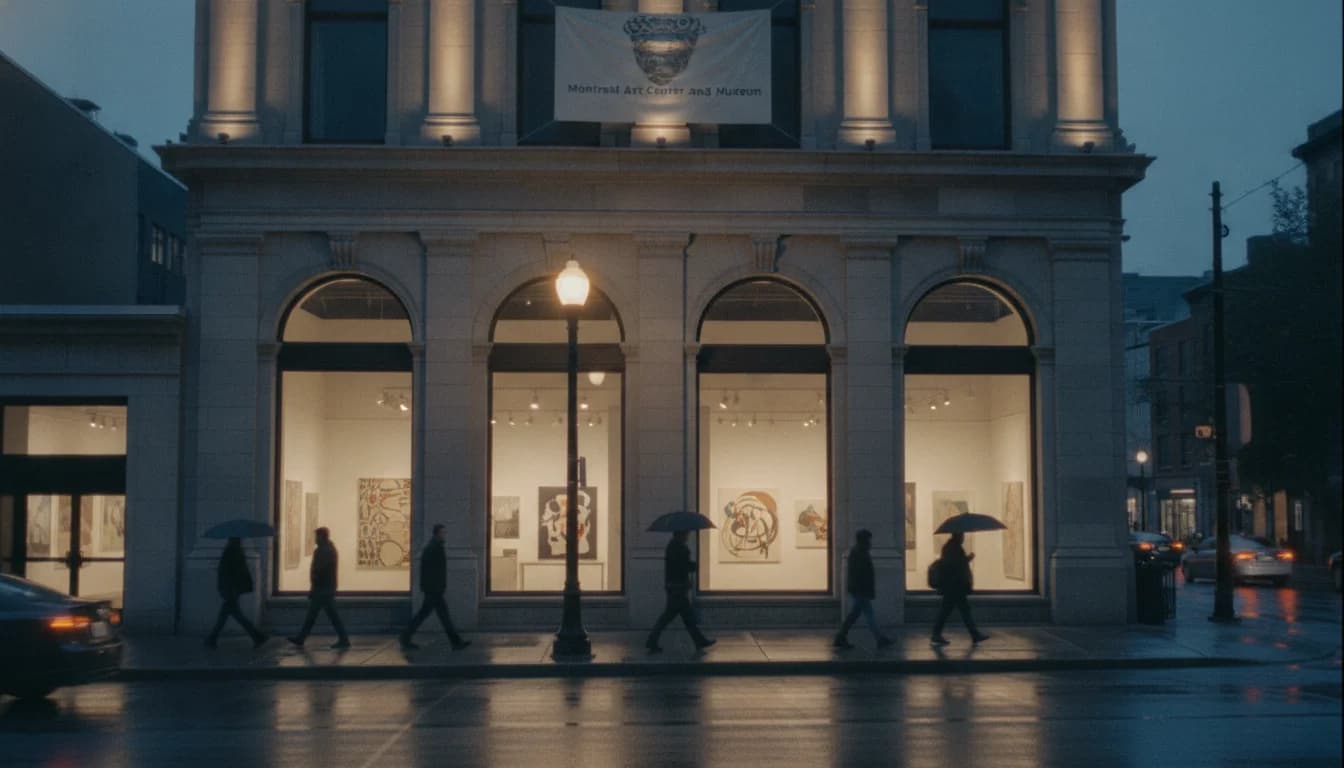
Montreal is hosting a high-profile international art event this summer, as the Global Art League Exhibition opens at the Montreal Art Center and Museum in Griffintown. The week-long run kicks off a two-week engagement that brings together artists from around the world to showcase a wide range of contemporary practices in a single, purpose-built venue. The event is positioned as both a competitive showcase and a cultural exchange, signaling a broader trend in global art markets toward cross-border collaboration and audience participation in live exhibitions.
According to the official press materials released this week, the Global Art League Exhibition opened on August 29, 2026 at the Montreal Art Center and Museum, featuring 101 selected artists and approximately 115 artworks. This information, provided by CNW, confirms the scale of participation and the breadth of media on display, underscoring Montreal’s role as a host city for a global art dialogue. The opening night was scheduled for August 29, 2026, with subsequent programming through September 12, 2026, including a closing night that will award prizes and celebrate the participating artists. The opening details and participating lineup are central to readers seeking a data-driven understanding of how this event fits into broader art market trends. The CNW release also notes that the exhibition venue is located at the Montreal Art Center and Museum, 1844 William Street, Griffintown, Montreal, a neighborhood known for its historic industrial architecture and growing arts ecosystem. This framing helps readers gauge the event’s potential economic and cultural impact on the local area. For reference, the Montreal Art Center’s own event page confirms the two-week window for visitor engagement and highlights public activities around the exhibition. (newswire.ca)
Montreal’s Griffintown site hosts a globally oriented art event in which the Global Art League acts as both an awards-driven showcase and a platform for international dialogue. The event’s scale is notable: 101 artists from various countries have been selected to participate, with roughly 115 individual artworks entering the competition. The format includes a formal judging panel, designed to assess artistic merit, conceptual clarity, and visual impact across a diverse array of media. The presence of an international judging panel reflects a deliberate effort to balance local relevance with global perspectives, a pattern increasingly visible in major contemporary art exhibitions as markets push for cross-cultural legitimacy and audience reach. The proliferation of participating nations and media highlights a broader market dynamic where curated exhibitions function as both cultural experiences and investment signals for collectors and institutions alike. The event’s framing as a two-week international showcase situates Montreal as a connective hub in a global circuit of art fairs, residencies, and cross-border collaborations, aligning with broader shifts toward transnational artistic exchange. (newswire.ca)
Section 1: What Happened
Exhibition Overview
A global competition, a local venue, and a shared stage for artists
The Global Art League Exhibition is staged by the Montreal Art Center and Museum, a partnership anchored by the Center d'art de Montréal. The event blends competition and exhibition, inviting emerging and established artists from around the world to submit works for consideration and public presentation. The competition’s format includes a Top 100 artworks selection, which then travels into a curated, multi-week exhibition at the same Montreal venue, providing both visibility and a pathway to monetary prizes. This structure—local venue, international participation, and a two-phased exhibition—illustrates a growing trend in the art market toward rotating, high-profile showcases that combine jury validation with public engagement. The project’s own timeline emphasizes a clear sequence: submissions, selection, shipping logistics, then a two-week public exhibition followed by a closing awards ceremony. The publicly available documentation confirms the event’s geographic focus and the venue details, including the Montreal Art Center & Museum’s Griffintown location at 1844 William Street. (newswire.ca)
Key facts and figures
- Artists and works: 101 selected artists and approximately 115 artworks will be on display as part of the Global Art League Exhibition. This information is reflected in the official press release and corroborated by event communications from the Montreal Art Center. The designation of “approximately 115” artworks indicates some variance in the final curation while preserving a robust scale for the show. (newswire.ca)
- Dates and venue: Opening Night is scheduled for Saturday, August 29, 2026, from 6:00 p.m. to 9:00 p.m., with the exhibition continuing through Saturday, September 12, 2026, and a closing night and awards ceremony on the same date window. The venue is the Montreal Art Center and Museum, located at 1844 William Street, Montreal, QC. The two-week window is reinforced by the Montreal Art Center’s event page and CNW’s official release. Public programming is described as two special evenings centered on art, creativity, and cultural exchange. (newswire.ca)
- Judges: The exhibition features a formal judging component with at least two named judges—Wayne Larsen and François Colbert, C.M.—and a third distinguished professional to complete the panel. The names and the panel structure come directly from the CNW press materials, underscoring the event’s commitment to external validation and professional critique. The panel’s composition signals an emphasis on professional standards and cross-disciplinary perspectives within the contemporary art field. (newswire.ca)
- Public engagement: The Montreal Art Center event page invites visitors to engage actively, including a “Vote for your favorite artwork” feature, illustrating an effort to blend traditional exhibition viewing with audience participation. This element aligns with broader market trends that value public interaction and participatory experiences as indicators of a project’s resonance and reach. (montrealartcenter.com)
Participation and logistics
- Submissions and eligibility: The Global Art League’s submission criteria outline a two-stage process: first, a broad call for entries, followed by the Top 100 artworks that will be selected for a three-week exhibition at the Montreal Art Center and Museum. This staged approach emphasizes careful curation and strategic display timing, and it is consistent with the project’s aim to maximize both visibility and evaluative rigor. Shipping instructions and responsibilities are spelled out, including the artist’s obligation to cover shipping costs and insurance, which aligns with standard practices in international art competitions. (globalartleague.com)
- Public schedule and access: The Montreal Art Center’s event page confirms the two-week participation window and the public accessibility of the exhibition during that period. Opening and closing nights are highlighted as key events with formally scheduled times, providing clear anchors for readers who plan to attend or cover the event as a news item. The public should expect a combination of gallery hours and special programming around opening and closing events. (montrealartcenter.com)
Timeline and Key Facts
The official calendar and sequence
The two-week run from late August to mid-September provides a concise but intense window for viewing the art, participating in the public vote, and attending the awards ceremony. The exact opening-time window—August 29, 2026, 6:00 p.m.–9:00 p.m.—and the closing-time window—September 12, 2026, 6:00 p.m.–9:00 p.m.—are documented by CNW and reinforced by the Montreal Art Center's event posting. These precise times help reporters and readers plan coverage and attendance, while also establishing a narrative arc for the exhibition’s progression from launch to awards. The exhibition’s official dates are August 29 through September 12, 2026. (newswire.ca)
Where the show fits in the global circuit
The Global Art League Exhibition’s international scope—artists from the United States, Egypt, Belgium, Spain, Mexico, and other countries—positions Montreal as a hub in a growing network of cross-border art activity. This distribution of origins supports a broader market narrative: international collaborations and mobility of artworks are increasingly common in major contemporary art circuits, driven by online submissions, international juries, and cross-border publicity. The CNW release explicitly notes this international fold, which is meaningful for readers tracking market dynamics and audience development in North America. The public-facing details about the roster and the global reach provide a data point for analysts assessing how Montreal is integrating into global art commerce. (newswire.ca)
Section 2: Why It Matters
Global Reach and Local Impact
A global competition meets a local stage
The Global Art League Exhibition demonstrates how international art competition structures are converging with local institutions to create high-profile cultural events. The Montreal Art Center and Museum, a community-focused venue, becomes a gateway for global artists to access a North American audience and for local residents to engage with international art practices without leaving the city. The combination of 101 artists and 115 works—a scale that is substantial but still manageable for a single venue—offers a dense, readable snapshot of contemporary trends across media and geographies. The event’s two-week duration makes it accessible for both casual visitors and serious collectors who may time visits to coincide with openings, votes, and awards ceremonies. From a market perspective, the event can be seen as a signal of Montreal’s growing capacity to host large-scale, cross-border art projects that pair exhibition with competitive incentives. The event calendar and the venue are clearly designed to support this kind of cross-pollination. (newswire.ca)
Participation patterns and media mix
The Global Art League Exhibition emphasizes media diversity, with works produced in painting, sculpture, photography, video, and mixed media represented among the 115 works. The exact media breakdown is not disclosed in the press materials, but the emphasis on a wide media mix is consistent with the contemporary art market’s expectations for living artists who often work across disciplines. The public-facing component—voting for favorite artworks—adds an experiential layer to the exhibition that can broaden audience reach beyond traditional museum-goers. Public engagement metrics like attendance, votes, and social media interaction will be important indicators for assessing the event’s resonance in Montreal and beyond. The Montreal Art Center’s page confirms the voting feature, reinforcing the importance of audience participation to the exhibition’s impact. (montrealartcenter.com)
Economic and Cultural Significance
Local economic ripple effects
While exact attendance figures and local economic impact data are not provided in the public materials, the presence of an international competition with a two-week public run and two high-profile evenings (Opening Night and Closing Night) suggests measurable activity in Griffintown. Local businesses—restaurants, cafes, galleries, and ancillary services—are likely to benefit during the exhibition window, particularly around opening and closing events when media attention and visitor visits peak. The event’s consistency with Montreal’s status as an arts hub increases the likelihood of cross-pollination with other cultural activities and partnerships in the city. The Montreal Art Center’s location in Griffintown, coupled with a two-week exhibition window, creates natural synergies for walkable arts-based tourism and local audience development. The event’s press materials, including the public program and ticketing (RSVP by donation), indicate an organized approach to visitor flow and revenue support for local arts initiatives. (montrealartcenter.com)
Cultural exchange and long-term brand effects
The Global Art League Exhibition is positioned as a platform that amplifies international voices while fostering dialogue among artists, curators, and the public. The inclusion of a diverse judging panel and the emphasis on recognition and visibility reflect the ongoing evolution of the art market toward more transparent, merit-based meritocracy—where participating artists gain both recognition and tangible opportunities (e.g., prizes, solo exhibitions, and international exposure). The event’s push toward cross-cultural exchange aligns with broader industry trends that prize inclusive platforms and international visibility for emerging talents. The source materials frame this as a deliberate strategy to elevate both artists and the hosting institutions—an outcome that could help Montreal strengthen its role in global art networks. The CNW materials and the Global Art League’s own communications emphasize the mission to broaden access and visibility for artists, which resonates with market expectations for contemporary art’s next wave of discoverability. (newswire.ca)
Public Engagement and Accessibility
Inclusive access and participation
The Montreal Art Center event page highlights a public engagement element: a vote for the viewer’s favorite artwork. This interactive feature has several potential benefits: it broadens audience participation, creates a two-way dialogue between artists and the public, and yields qualitative feedback about which pieces connect with local audiences. The accessibility of the venue—with a fixed address in Griffintown and standard visiting hours—also supports broad public access, making the exhibition legible for families, students, and cultural tourists alike. The event’s open admission via RSVP by donation further lowers barriers to entry while providing a mechanism to support the hosting institution and participating artists. These design choices reflect a trend in modern exhibitions to blend traditional museum experiences with social engagement and community philanthropy. (montrealartcenter.com)
Section 3: What’s Next
Timeline and Next Steps
Short-term, immediate actions for readers and attendees
- Opening Night: August 29, 2026, 6:00 p.m.–9:00 p.m. at the Montreal Art Center and Museum. Attendees can expect a formal welcome to a diverse body of work and an opportunity to engage with participating artists and peers during the opening. This event marks the public launch of the Global Art League Exhibition, and media coverage typically peaks around the opening weekend as journalists tour the galleries and gather reactions. The CNW release confirms the schedule and venue, which readers can use to plan attendance or coverage. (newswire.ca)
- Exhibition window: August 29, 2026, through September 12, 2026. The two-week run is designed to maximize visitor exposure and media visibility, while balancing the logistical realities of handling 101 artists and 115 artworks. The Montreal Art Center’s page corroborates the two-week structure and the cultural programming surrounding the exhibition. (montrealartcenter.com)
- Closing Night and Awards: September 12, 2026, 6:00 p.m.–9:00 p.m. The closing ceremony is a culmination of the competition, recognizing selected artists and celebrating the convened artistic community. The CNW materials specify the timing of this event, which will be a focal point for media recaps and post-event reporting. (newswire.ca)
What to watch for next
- Prize announcements and subsequent opportunities: The Global Art League’s official materials outline prize structures, including multiple rounds of recognition, top prizes, and the potential for a week-long solo exhibition and other incentives. This is relevant for artists weighing submission decisions and for market observers tracking how prize structures influence artist careers and market momentum. The prize details are outlined in the Global Art League’s submission and prize documentation, which complements the event’s public-facing announcement. (globalartleague.com)
- Public-vote outcomes and media coverage: The public vote and ongoing media coverage will likely shape public perception of the works and may influence which artists gain additional attention beyond the exhibition. Journalists and analysts should monitor voting trends and post-event commentary to assess the exhibition’s resonance with diverse audiences. The Montreal Art Center’s engagement features offer a clear signal of how the event intends to sustain audience interest beyond the opening weekend. (montrealartcenter.com)
- Future editions and formats: The Global Art League’s ongoing communications suggest that the competition is designed to travel and evolve, potentially expanding to additional venues or partnering with other cultural institutions in North America or Europe. Observers should track how the league’s model scales, including the role of international juries, prize structures, and exhibition formats in subsequent years. The organization’s online materials and dates page provide a basis for tracking future iterations. (globalartleague.com)
Closing
The Global Art League Exhibition at the Montreal Art Center and Museum represents a serious, data-driven signal about how contemporary art markets are evolving in North America. By combining a fixed, two-week public exhibition window with a structured competition, a diverse judging panel, and active public engagement, the event provides a useful case study in how international art narratives are curated, presented, and consumed at a major urban venue. For readers of Montréal Times who follow technology and market trends, this exhibit underscores the ongoing convergence of global artistic talent, curated institutional platforms, and audience participation as part of a broader movement toward accessible, data-informed cultural events that reach across borders. As the art world continues to navigate the balance between exclusivity and inclusivity, the Global Art League Exhibition offers a concrete example of how museums, artists, and audiences are collaborating to shape the next wave of contemporary art discourse. This is a moment to watch closely for the implications it may hold for future cross-border exhibitions, prize structures, and the evolving role of public engagement in valuing artistic work. The opening week has begun, and the two-week journey through Griffintown will reveal how such a model translates into longer-term cultural and economic impact for Montreal and its international partners. Readers can stay updated through the Montreal Art Center and Museum’s event channels and through Global Art League communications as the exhibition progresses toward its closing night and awards. (newswire.ca)