Just for Laughs 2026 lineup: Montreal festival returns

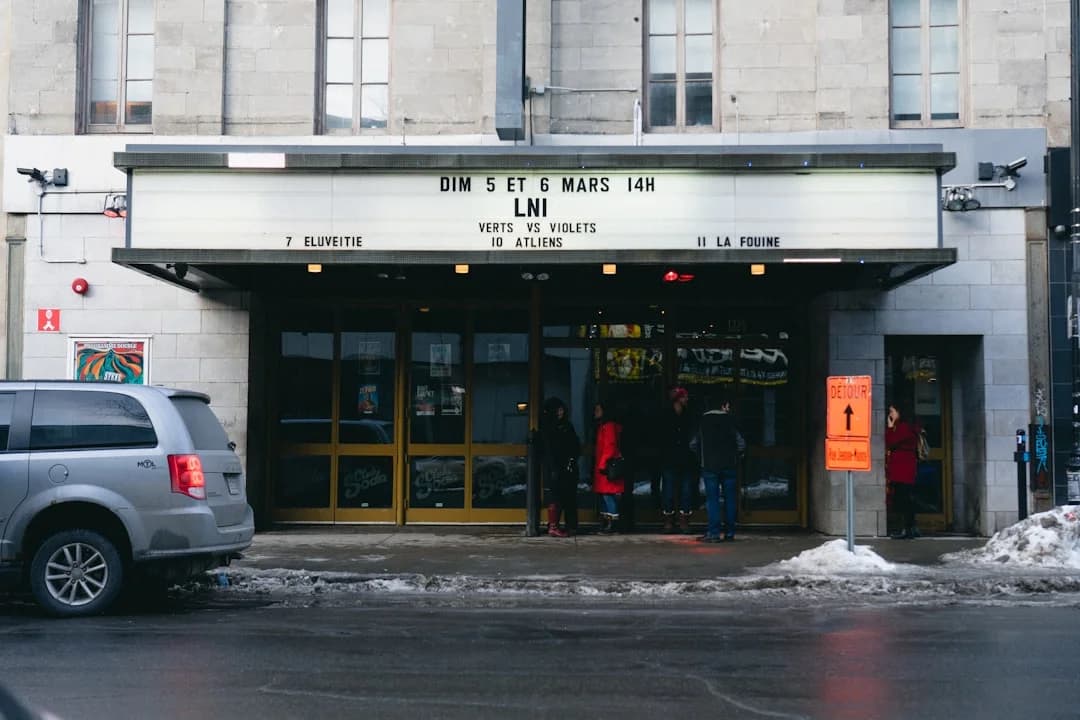
Photo by Guillaume Didelet on Unsplash
Montreal’s iconic Just for Laughs festival is back in 2026, and the Just for Laughs 2026 lineup is starting to take shape as organizers outline a return to a multi-venue, city-wide celebration. The festival will run in Montreal from July 15 to July 26, 2026, with concurrent programming in Québec City from July 15 to August 2, 2026. The early communications emphasize a broad programming approach that blends outdoor spectacles, Gala performances, and OFF-JFL showcases, while promising that headliners and Gala hosts will be announced in the coming days and weeks. This news matters because it signals a recovery path for one of the world’s largest comedy platforms, a potential inflection point for Montreal’s tourism ecosystem, and a testbed for live-event strategies as the industry recalibrates post-pandemic. The Montreal edition’s dates and format are corroborated by multiple authorities, including Place des Arts and Tourisme Montréal, which place the July 15–26 window for Montreal and note a concurrent Québec City run through early August. (placedesarts.com)
From a market perspective, Just for Laughs remains a focal point for live entertainment in North America. The 2026 edition is positioned to anchor a summer tourism season in downtown Montréal, leveraging hundreds of activities across dozens of venues and drawing millions of attendees over the festival window. Industry observers are watching not only the roster of performers but also the festival’s capacity to monetize cross-city programming, free outdoor events, and industry-facing sessions like ComedyPRO. The Place des Arts platform emphasizes a robust slate—hosted galas, emblematic showcases, and a mix of English and French programming—while Tourisme Montréal highlights the city-wide draw of the festival and its role in sustaining hotel occupancy and local commerce during peak summer months. (placedesarts.com)
Background context about the festival’s trajectory remains essential. After a 2024 cancellation amid bankruptcy proceedings, Just for Laughs Montréal relaunched in 2025 under new ownership and resumed with a high-profile lineup reported by major outlets, signaling a cautious but positive reboot for the brand. The 2025 return included marquee names such as Tom Segura and Kumail Nanjiani, reinforcing the festival’s ability to attract top-tier talent and diversify its offerings across club shows and mainstage galas. The 2025 experience—alongside the ongoing 2026 planning—frames this year’s edition as a critical test case for the organization’s resilience, investor relations, and capacity to scale responsibly. (ca.billboard.com)
The festival’s economic footprint remains substantial. In a detailed overview, organizers and partners have highlighted a multi-faceted budget that supports a broad slate of performances, with thousands of jobs linked to the event and related hospitality activity. A recent industry briefing outlined a festival budget in the tens of millions of dollars, thousands of direct jobs, and significant media reach, underscoring Just for Laughs Montréal as a centerpiece of the city’s cultural economy each July. These figures are instrumental for readers tracking the broader market implications of major cultural events, including the spillover effects on air travel, dining, transportation, and local retail. (hahaha.com)
Section 1: What Happened
Dates and Format
Montreal dates and structure
The 2026 Just for Laughs Montréal edition is scheduled to run from July 15 to July 26, 2026, with hundreds of activities across downtown venues and outdoor spaces in the Quartier des Spectacles. The Place des Arts venue pages explicitly list July 15–26, 2026 as part of the festival’s window, alongside the city-wide slate of events. This creates a dense, two-week festival calendar that positions Montréal as a summer hub for comedy, culture, and media production. (placedesarts.com)
Québec City concurrent dates
In a broader two-city format, Just for Laughs Québec announces concurrent festival dates, with Montréal and Québec City co-hosting the broader celebration from July 15 through August 2, 2026. The Quebec City edition expands the festival’s geographic footprint and offers cross-regional access to the same brand, talent pool, and industry programming. The concurrent arrangement is part of a broader strategic push to maximize audience reach and regional economic impact. (montreal.hahaha.com)
Announcement Details
What was officially shared

As of February 2026, official communications from Just for Laughs and partner venues indicate a continued plan to release headline acts and Gala hosts in the near term. The messaging emphasizes a blended approach of outdoor free programming, “New Faces” showcases, writer/creator spotlights, and traditional Gala evenings taped at major venues. The official materials also reiterate the festival’s multi-venue footprint and its integration with Place des Arts and other downtown spaces, signaling a large-scale, city-wide event rather than a single-venue festival. These details align with recent public statements about the festival’s growth trajectory and venue strategy. (mtl.org)
Ticketing and venue ecosystem
The festival’s scale is underscored by numbers frequently cited by partners: approximately 250 shows across 25 downtown venues, including Place des Arts. Outdoor programming at Place des Festivals remains a centerpiece, with the festival’s programming designed to balance marquee galas with more intimate and experimental acts across diverse spaces. This multi-venue approach is critical for ensuring broad access and for distributing crowd flow across the Quartier des Spectacles and adjacent districts. (placedesarts.com)
Section 2: Why It Matters
Economic and Tourism Impact
Local and regional economic effects

Just for Laughs Montréal is a cornerstone event for the local economy, drawing nearly two million visitors across all formats and contributing substantively to hotel occupancy, dining, transportation, and entertainment spend during the peak summer period. The two-city format with Québec City extends the festival’s economic footprint and enhances cross-regional tourism. In 2026, organizers and city partners are projecting continued, if not expanded, economic benefits, supported by a multi-week marketing push and the festival’s established media reach. The recent budgetary and employment multipliers cited in industry reviews—tens of millions in direct budget, thousands of jobs, and broad media exposure—reinforce the event’s significance for municipal fiscal health and cultural diplomacy. (hahaha.com)
Industry and market implications
For the broader live-entertainment sector, Just for Laughs Montréal represents a bellwether for festival programming, talent development, and cross-platform distribution. The festival’s ongoing ability to attract headline acts and cultivate a robust onsite ecosystem signals strong demand for live experiences even as the sector navigates ticketing dynamics, sponsorship competition, and new audience expectations around accessibility and diversity. Industry outlets have noted the evolving landscape, including debates around pricing models and consumer responses to dynamic pricing, which have become a talking point across the entertainment industry. (hahaha.com)
Tech, data, and marketing implications
From a technology and market-trends perspective, the Just for Laughs 2026 lineup and its accompanying programming provide a live-case study in how a major cultural brand leverages data-driven marketing, sponsorship ecosystems, and digital amplification to extend reach and monetize engagement. Observers point to the use of targeted advertising, real-time ticketing analytics, and cross-channel promotions as core levers for optimizing attendance and sponsor ROI during a festival window that blends outdoor spectacles with high-profile televised events. While specific pricing or tech implementations for 2026 have not been fully disclosed, the industry context around dynamic pricing, fan democratization, and platform partnerships offers a meaningful frame for readers analyzing the festival’s business model and potential revenue streams. > “Dynamic pricing has surged to the forefront of concert pricing,” as industry coverage notes, highlighting both opportunities and controversies in modern live events. (cnbc.com)
Section 3: What’s Next
Upcoming Timelines and Next Steps
Headline acts, Gala hosts, and schedule reveals
The festival’s organizers have committed to revealing headliners and Gala hosts in the coming days and weeks. For readers and industry watchers, this means the next set of announcements will be a critical inflection point, shaping pre-sale dynamics, hotel booking patterns, and regional media coverage. Given the festival’s scale—roughly 250 shows across 25 venues in Montreal plus concurrent events in Québec City—ticket availability and pricing will likely shift as new acts are announced and pre-sales open. Stakeholders should monitor official channels, including the Just for Laughs Montréal site, Place des Arts announcements, and Tourisme Montréal updates, for the latest lineup details and access windows. (mtl.org)
What to watch for in the near term
- Finalized headliner roster and Gala host announcements, with a focus on cross-language programming parity (English and French) to reflect Just for Laughs’ international audience.
- Details on OFF-JFL programming and intimate venues, which historically play a critical role in discovering emerging talent and diversifying the event’s appeal.
- Ticketing logistics, including pre-sale dates, price tiers, and any dynamic pricing implementations, as the industry continues to refine how best to balance affordability with festival economics. Industry commentary suggests that price dynamics in live-events remain a live topic, with market participants watching closely how major festivals respond to attendee sentiment. (placedesarts.com)
Closing
The Just for Laughs 2026 lineup is more than a roster of comedians; it’s a signal about the resilience and adaptability of one of the world’s most storied comedy brands. With a Montreal core and Québec City extension, the festival is not only reclaiming a summer cultural moment but also testing scalable, city-wide programming that integrates outdoor spectacles, indoor galas, and industry-facing components. For readers of Montréal Times and participants across the ecosystem—fans, performers, venues, hotels, and retailers—the coming weeks will be pivotal as the lineup unfolds, ticketing details crystallize, and the broader market context continues to evolve.
To stay updated on the Just for Laughs 2026 lineup and related market context, follow official channels and trusted partners: the Just for Laughs Montréal site and the Place des Arts festival pages, Tourisme Montréal’s festival updates, and cross-city press coverage from major cultural outlets. The festival’s organizers have historically used these channels to disseminate headline acts, gala lineups, and programmatic shifts, so checking these sources will provide the most accurate, up-to-date information as it becomes available. (placedesarts.com)
In the broader context, Just for Laughs’ revival after 2024’s upheaval and its ongoing expansion into a two-city event reflect a larger trend in the live entertainment economy: audiences remain hungry for immersive experiences, cities seek high-impact tourism magnets, and brands are increasingly leveraging data-driven strategies to optimize attendance and sponsorship alignment. As this edition unfolds, Montreal and Québec City will offer a telling case study on how a historic festival navigates scale, inclusion, and financial sustainability in a rapidly changing market.
Readers who want continuous updates should also monitor the festival’s partner pages for real-time schedule tweaks, venue-by-venue notices, and new performance announcements. The 2026 edition’s success will hinge on timely information, clear communication, and the festival’s ability to convert anticipation into a dynamic, high-quality experience for attendees from Montreal, across Canada, and around the world. (mtl.org)