Just for Laughs 2026 Montreal-Quebec City edition

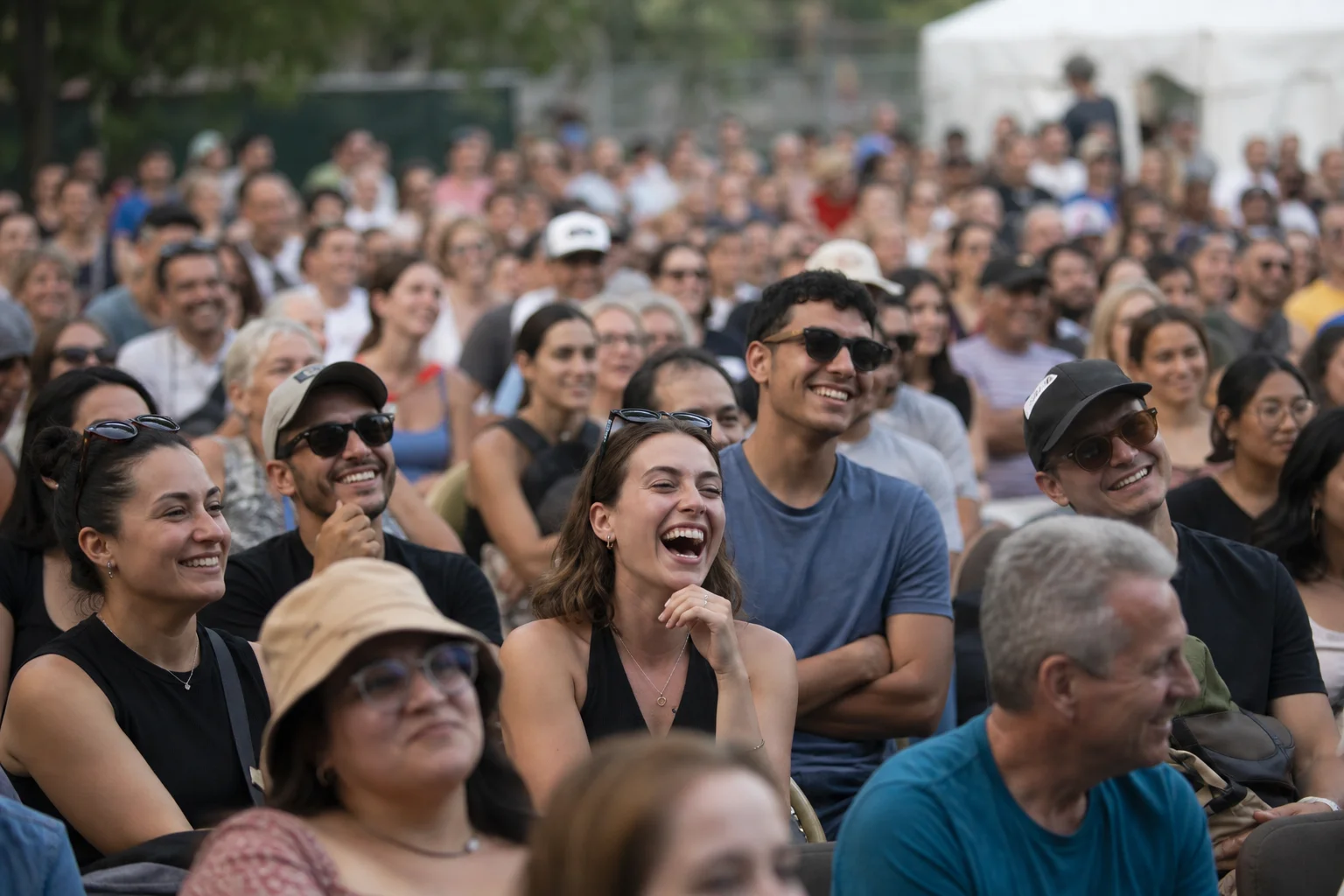
Photo by Guillaume Didelet on Unsplash
Montreal’s summer comedy scene is entering a new era with the Just for Laughs 2026 Montreal-Quebec City edition. The two-city expansion, uniting the city’s iconic festival with a concurrent Quebec City run, marks a deliberate shift in how the world’s largest comedy festival approaches scale, geography, and audience reach. For readers of Montréal Times, this development comes with immediate implications for tourism, local economies, and the evolving use of technology to engage audiences across multiple venues and markets. The Montreal edition is scheduled to run from July 15 to July 26, 2026, at venues across the Quartier des Spectacles and surrounding arts spaces, while the Quebec City edition is set to operate from July 22 to August 9, 2026, spanning key stages in downtown Québec. This pairing is not only a scheduling accommodation but a strategic statement about the festival’s growth trajectory and its role in shaping Quebec’s cultural economy. (mtl.org)
For Montréal Times readers, the immediate takeaway is clear: the Just for Laughs 2026 Montreal-Quebec City edition injects new geographic breadth into a festival that has long served as both a marquee cultural event and a driver of summer tourism. The Montreal program will utilize a network of venues from Place des Festivals to Place des Arts and Studio TD, with outdoor programming at Place des Festivals and gala productions at major theatres. The Quebec City program, building on the rebranded Juste pour rire Québec footprint, will leverage venues such as Place George-V, the Grand Théâtre de Québec, L’Impérial Bell, and the ComediHa! Club. The two-city arrangement is already prompting questions about scheduling, audience overlap, and the potential for cross-market collaborations among performers, sponsors, and municipal partners. (mtl.org)
Section 1: What Happened
Montreal edition details and scale Montreal will host the 2026 edition of Just For Laughs Montréal from July 15 to July 26, spanning a broad set of venues in the Quartier des Spectacles and beyond. The city’s tourism and festival ecosystem highlight that the festival operates across a mix of theatres, clubs, and outdoor stages, with marquee galas taped at Place des Arts and a robust roster of both headliners and emerging talents. The festival’s organizers emphasize a multi-venue strategy designed to maximize access for local residents and visitors while preserving the intimate, club-level experiences that have helped launch national and international careers. In 2026, the city’s tourism authorities note that Just For Laughs Montréal is a cornerstone event, drawing thousands of visitors to hundreds of shows across the city. The program typically includes outdoor showcases, major galas, and ongoing club shows that span diverse formats, from stand-up to improv to character-based performances. The official tourism channel highlights that Just For Laughs Montréal runs from July 15 to 26, with outdoor shows at Place des Festivals and headlining performances at premier venues such as Olympia Theatre, MTelus, Club Soda, Le Gesù, and Espace St-Denis. This breadth of programming underlines the festival’s role as a year-over-year economic and cultural catalyst for Montréal. (mtl.org)
Quebec City edition details and rebranding Quebec City’s edition—Juste pour rire Québec—continues the festival’s national expansion, with a July 22 to August 9, 2026 window (city-specific pages vary slightly in publisher phrasing, with a baseline range noted across official listings). The Québec edition follows the former ComediHa! Fest-Québec format and rebranding, positioning the city as a parallel stage to Montréal during the same summer window. The venues highlighted for Québec City include Place George-V, Grand Théâtre de Québec, L’Impérial Bell, Le Capitole de Québec, and the ComediHa! Club, reflecting a mix of iconic festival spaces and intimate performance rooms. This edition’s longer frame—spanning roughly two and a half weeks—speaks to an intent to deliver a dense program while coordinating with Montréal’s schedule to maximize cross-market visibility and audience turnout. The Quebec City tourism and events ecosystem confirm the dates and venues and emphasize the festival’s role in connecting local talent with national and international audiences. (quebec.hahaha.com)
Rationale for the concurrent two-city run Industry observers note that the decision to run Montréal and Québec City shows concurrently is a strategic response to growing demand for Canadian comedy across markets, as well as a practical approach to capitalizing on shared infrastructure, talent pools, and sponsor ecosystems. A prominent Quebec media outlet highlighted that the two markets will be scheduled in a way that minimizes direct clashes with other major summer events while enabling cross-pollination of talent and brand activations. In late 2025 and into 2026, reports and industry commentary pointed to the plan for simultaneous or overlapping runs, with experts predicting that the two-city cadence could become a model for other large festivals seeking to broaden their regional footprint. The JDQ article on concurrency notes that the two festivals may be presented at the same time starting in 2027 to maximize visibility and operational efficiencies. While the precise terms are still being refined, the general expectation is that two-city parallel programming will become a hallmark of the festival’s growth strategy. (journaldequebec.com)
Historical context and important background To understand the current moment, it helps to recall the festival’s recent history. The festival’s organization faced financial pressures in 2023–2024, culminating in a cancellation and restructuring in 2024, followed by a revival in 2025 under new ownership and investment. While those changes occurred in the immediate past, the 2025 edition benefited from renewed funding and support, underscoring the importance of public and private sector engagement in sustaining the festival’s long-term trajectory. This backdrop informs the 2026 expansion as a deliberate effort to stabilize and grow a marquee cultural event that has historically shaped Montréal’s festival economy and helped position Québec as a broader national stage for live comedy. (apnews.com)
What happened in numbers and timeline (timeline snapshot)
- July 15–26, 2026: Just For Laughs Montréal runs across multiple venues in Montréal’s Quartier des Spectacles, including outdoor programming at Place des Festivals and gala productions at Place des Arts. The festival’s lead events and headliners are typically announced in the weeks leading up to the start date, with a robust slate of venues that includes Olympia, MTelus, Club Soda, Le Gesù, and Studio TD. This 12-day window represents a continuation of Montréal’s long-standing role as a global comedy hub and underscores the city as the festival’s primary engine of scale and reach. (mtl.org)
- July 22–August 9, 2026: Juste pour rire Québec presents a parallel run in Québec City, leveraging key venues such as Place George-V, Grand Théâtre de Québec, L’Impérial Bell, and the ComediHa! Club. The extended window to August 9 broadens the festival’s exposure in a market that has historically celebrated August programming, while aligning with Montréal’s July schedule to maximize cross-market audience engagement. (quebec.hahaha.com)
- Historical note: In 2025, government and public-sector funding supported the Montréal festival as part of wider economic development and bilingual programming objectives, highlighting the event’s importance to the region’s cultural infrastructure and tourism economy. While funding patterns can shift year to year, the 2025 funding signal demonstrates the festival’s significance within federal and provincial strategies to promote culture and economic development in Quebec. (canada.ca)
- Industry context: Industry observers and regional media have signaled that concurrent or overlapping festival runs could become a lasting feature of Just For Laughs’ growth strategy, with potential arrangements for 2027 onward that would further integrate Montréal and Québec City programming under a unified branding and production framework. This context helps explain the 2026 edition as both a test and a proof of concept for a two-city model. (journaldequebec.com)
Section 2: Why It Matters
Economic and tourism impact The Just for Laughs festival is a cornerstone of Montréal’s summer economy and a major driver of tourism traffic during a traditionally high-occupancy period for hotels, restaurants, and cultural venues. In 2026, Just For Laughs Montréal is expected to attract tens of thousands of attendees across hundreds of performances, translating into a measurable uplift in hotel bookings, dining, and local transit usage during the festival window. Citywide and provincial tourism organizations position JFL as a flagship event that amplifies Montréal’s global profile as a festival capital and supports ancillary activities such as pop-up venues, street performances, and cross-promotional campaigns with local businesses. The Quebec City edition similarly contributes to regional tourism, extending the peak-season exposure into July and early August and providing an economic stimulus to downtown Québec City’s cultural corridors and hospitality sector. The two-city approach is designed to maximize audience volumes and sponsor exposure across markets, with potential spillover effects into neighborhood-level businesses that benefit from festival-related traffic. (mtl.org)
Market and industry implications From a market perspective, the two-city edition expands the festival’s addressable audience, likely increasing sponsorship and media interest. The concurrent scheduling can enable cross-promotional deals, joint ticket packages, and shared merchandising opportunities that leverage economies of scale. Industry coverage and local reporting have highlighted two key implications: first, the ability to align programming and logistics across two major markets can reduce some risks associated with single-city concentration in a volatile event market; second, concurrency creates opportunities for cross-market talent bookings, enabling performers to transition quickly between Montréal venues and Québec City stages within the same festival cycle. Observers also note that the two-city model aligns with broader trends toward hybrid and multi-market experiences in live entertainment, where audiences increasingly expect a seamless blend of physical events and digital engagement. (journaldequebec.com)
Technology, data, and audience engagement Technology and data analytics are increasingly central to how large festivals operate and monetize. Across the live-events sector, organizers are investing in digital ticketing, cashless payments, real-time analytics, and enhanced venue connectivity to improve throughput, safety, and attendee satisfaction. Industry analyses in 2025–2026 point to growing use of AI for scheduling and operations, RFID and contactless entry for smoother gate flow, and hybrid streaming models that extend reach beyond the physical site. For Just for Laughs, the two-city edition amplifies potential data-driven strategies: synchronized programming across two markets offers opportunities to test cross-market audience analytics, optimize artist lineups based on regional demand, and deploy targeted digital marketing that speaks to bilingual and diverse audiences in Montreal and Québec City. While many specifics about JFL’s internal tech stack remain proprietary, the broader industry trajectory—AR/VR experiences, mobile apps, and AI-assisted production planning—provides a framework for understanding how the festival can evolve in a data-driven, audience-centric direction. (ticketfairy.com)
Broader cultural and competitive context The rebranding of Québec’s edition and its parallel run with Montréal reflect a broader shift in how Canadian festivals compete for talent, audiences, and international attention. Concurrent scheduling is viewed by some observers as a strategic response to attendance volatility and a way to maximize the visibility of both markets. The 2025–2027 discussions around synchronizing festival calendars suggest that the two-city approach could become a longer-term standard if it proves financially and operationally viable. For local audiences, this means more opportunities to see a wider range of performers in a shorter travel window, while for exhibitors and sponsors, the arrangement offers a more compelling value proposition through bundled experiences and cross-market media exposure. (journaldequebec.com)
What’s Next: What readers should watch for
- Scheduling and programming announcements: In Montréal, headliners, gala hosts, and the day-by-day lineup typically unfold in the weeks leading up to the July start. The city’s tourism and cultural outlets note ongoing programming details and the expectation of a robust slate across multiple venues, with complementary outdoor programming at Place des Festivals. In Québec, official listings indicate a similar cadence, with venue-specific lineups and community events spread across late July into early August. These announcements will shape early consumer interest and ticket demand. (mtl.org)
- Cross-market partnerships and ticket packages: Expect sponsors to explore integrated packages that span both cities, including bilingual promotions and combined passes that incentivize broader attendance. The two-city format provides a unique platform to test regional demand for multi-market access and to optimize sponsorship activation across different demographic segments. Industry observers are watching to see how vendor and partner ecosystems respond to the dual-market opportunity. (journaldequebec.com)
- Potential for 2027 concurrency: As noted in coverage of industry debates and confirmed by some outlets, concurrent scheduling across Montréal and Québec City could become a persistent feature beginning with the 2027 edition, subject to logistical and financial feasibility. It is important to monitor official statements from festival organizers for any formal confirmation or refinements to the multi-market approach. (journaldequebec.com)
- Technology-driven enhancements: The evolving tech landscape for live events—ranging from AI-driven scheduling to hybrid streaming and advanced audience analytics—will likely influence how the two-city edition is produced and consumed. Observers should expect experimentation with new audience-engagement formats and improved on-site and online experiences, driven by the broader industry trend toward data-informed event management and enhanced digital experiences. (ticketfairy.com)
Section 3: What’s Next
Timeline and next steps The immediate next steps for readers and stakeholders include monitoring official channel updates for Montréal and Québec City, with particular attention to artist announcements, venue confirmations, and ticketing details. For Montréal, the festival’s official communications indicate a gradual release of headliners and gala hosts in the weeks before the July window, while Québec City listings emphasize continued collaboration with local venues and a diversified lineup across George-V, Le Capitole, and other partner sites. These steps will shape consumer expectations, hotel occupancy, and transportation planning as the summer season approaches. (mtl.org)
Longer-term outlook and implications If the two-city edition demonstrates strong demand, operator flexibility, and sponsor support, Montreal and Québec City could become a model for regional festival ecosystems seeking to maximize economic impact while offering a consistent, high-quality audience experience. That evolution could influence how other major cultural events structure their summer calendars, align cross-market programming, and deploy technology to deliver more personalized and accessible experiences for bilingual and international audiences. In the near term, Montréal Times will continue to monitor programming announcements, attendance trends, and sponsor activity to provide readers with data-driven insights into the festival’s trajectory and its broader market implications. (journaldequebec.com)
Closing The Just for Laughs 2026 Montreal-Quebec City edition represents a pivotal development in Quebec’s cultural economy, expanding the footprint of the world’s largest comedy festival into two major markets while underscoring a broader shift toward multi-market, technology-enabled live events. As Montréal and Québec City prepare to welcome performers and fans this summer, readers should expect a tightly choreographed sequence of announcements, ticketing breakthroughs, and cross-market collaborations that aim to maximize attendance, sponsor value, and the cultural impact of laughter. For ongoing updates, keep an eye on official festival channels, tourism boards, and local media covering Montréal and Québec City’s vibrant festival scenes.