La Poutine Week Montreal 2026 Opens Feb 1 Across Montreal Restaurants

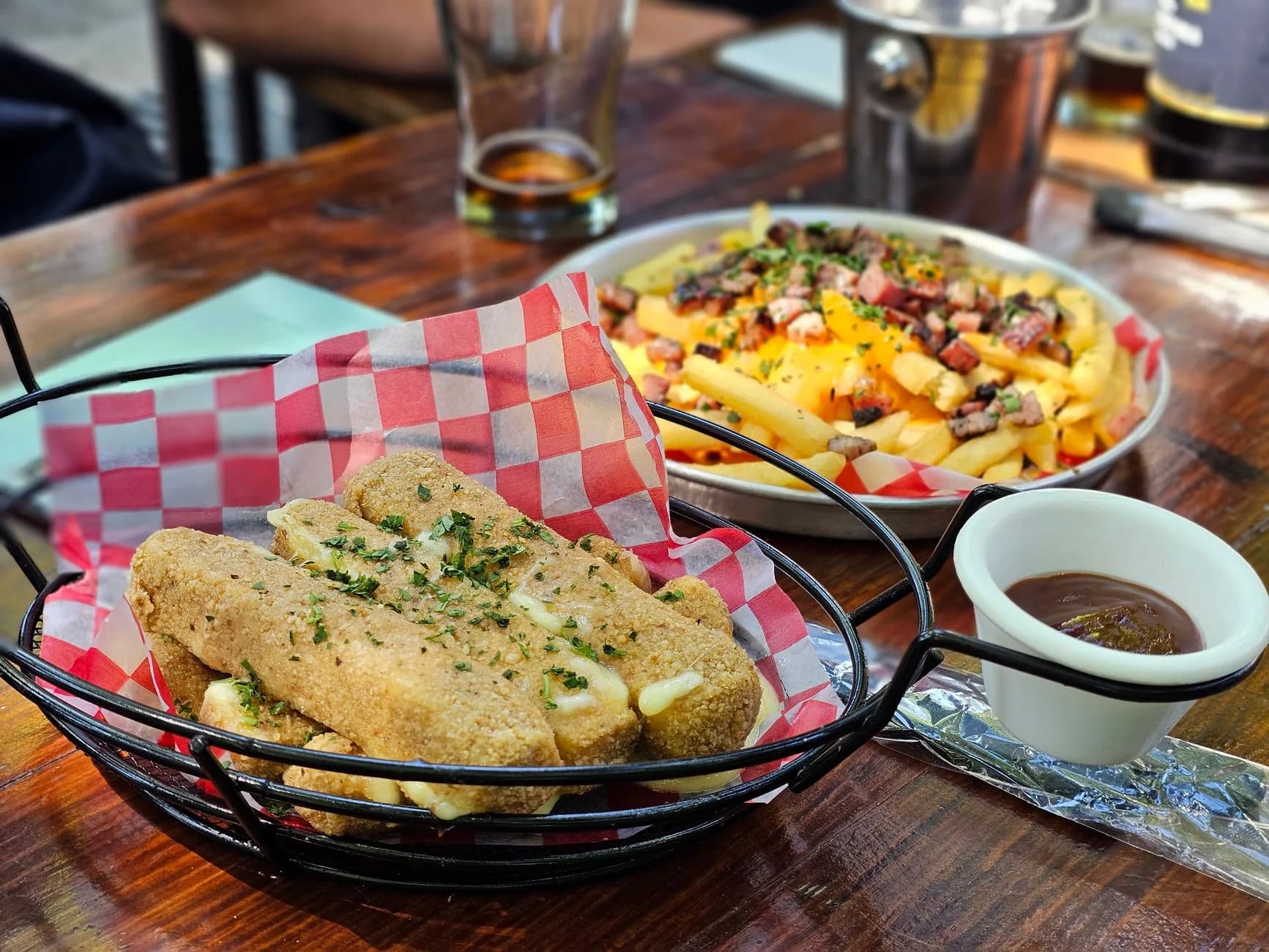
La Poutine Week Montreal 2026 is set to begin on February 1, 2026, marking another milestone for Montreal’s winter gastronomic calendar. The festival, described by organizers as the world’s largest celebration of poutine, brings together more than 50 restaurants in the metropolitan area and expands a nationwide network that includes hundreds of Canadian eateries. For seven days, from February 1 through February 7, 2026, diners can sample chef-driven spins on the province’s iconic dish, vote for their favorites online, and engage with a broad, citywide culinary conversation. The official positioning from Tourisme Montréal and the event’s organizers highlights both the culinary variety and the digital engagement that accompany this annual milestone. The dates are firm: from February 1 to February 7, 2026, with Montreal playing a central role in a national celebration. (mtl.org)
This year’s La Poutine Week Montreal 2026 extends beyond the plate to include a structured voting platform, promotional support for participating restaurants, and a charity component that aligns with broader community goals. Restaurants submit a poutine, guests vote online for favorites, and winners are recognized in multiple categories across Montreal and Canada. The event has consistently functioned as a testing ground for culinary creativity, as well as a mechanism for local eateries to attract new customers during the midwinter lull. In 2026, according to Tourisme Montréal and the event FAQ, the festival’s footprint remains expansive, with a national dimension that reinforces Montreal’s role as a culinary hub. The charitable component, featuring a $1 donation per poutine to Food Banks Canada, underscores the event’s community-built ethos. (mtl.org)
Section 1: What Happened
Announcement Overview
La Poutine Week Montreal 2026 was officially scheduled to run from February 1 to February 7, 2026, across Montréal and participating restaurants nationwide. The core premise remains consistent: restaurants curate unique poutines, diners visit or order them, vote for top creations, and the festival aggregates results on a national platform. The event leverages a fallible, yet highly organized framework that combines culinary competition with a digital voting system, creating a data-rich environment for restaurants to gauge consumer sentiment in real time. The Montreal edition continues to be the anchor for Canada’s poutine festival ecosystem, with Montréal serving as a focal point for regional participation within a broader national network. The dates and structure are confirmed by Tourisme Montréal, which notes the edition’s position as the 12th in its lineup and emphasizes the participant diversity and the online voting mechanism. (mtl.org)
Public-facing details underscore several logistical truths that matter to readers monitoring the festival’s trajectory. The festival’s central dates are fixed: February 1–7, 2026. Across Montreal, the event involves more than 50 restaurants, reflecting a robust local ecosystem that has grown in parallel with Canada’s wider La Poutine Week footprint. The online voting platform is a critical element of the experience, enabling fans to cast votes for their preferred poutines and contributing to the public-facing narrative of “People’s Choice” and “Judge’s Choice” awards. This structure creates a continuous feedback loop between diners, restaurateurs, and media coverage, with results typically highlighted on the festival’s website and partner platforms. For Montreal restaurants, the implication is clear: participate, promote, and leverage the event to attract new customers while contributing to a larger national movement. (mtl.org)
Timeline and key dates illuminate the operational calendar that restaurants, media, and fans used to track the festival. The core festival dates were announced as February 1–7, 2026, with promotional activities designed to peak during this seven-day window. In addition to the festival dates, the participating restaurants were guided by a schedule of registration and submission deadlines. The event’s official FAQ outlines critical milestones: registration opens on November 20, 2025; the last day to register with printed promotional materials is January 15, 2026; the last day to register without printed materials is January 31, 2026; the poutine information deadline (name, description, photo, price) is January 25, 2026; and the festival culminates on February 1–7, 2026. These dates provide a tight lead-up window for restaurants to prepare marketing collateral, finalize their poutine concepts, and coordinate promotions with the festival’s national network. The FAQ is the primary source for these details, and it confirms the multi-phase timeline designed to maximize exposure and participation across Canada. (lapoutineweek.com)
Participants and reach show a Montreal-centered expansion within a Canada-wide framework. The Montreal edition specifically highlights more than 50 participating restaurants, a robust figure that demonstrates both breadth and depth in the city’s restaurant scene. On the national side, La Poutine Week claims involvement from hundreds of Canadian restaurants in previous years, underscoring the event’s growth and resonance beyond Quebec. This scale supports a rich data set for researchers, marketers, and city planners interested in seasonal dining patterns, consumer engagement, and small-business impact during a midwinter food festival. The Tourisme Montréal page provides a concise snapshot of this reach, noting the Montreal cluster and the broader national network that makes La Poutine Week a truly countrywide phenomenon. (mtl.org)
Timeline and Key Facts: The Numbers Behind the News
The operational numbers underpin a deeper story about the 2026 edition. Montreal’s edition is described as the 12th, with more than 50 restaurants in the city participating. Across Canada, the event spans hundreds of restaurants, turning poutine into a nationwide showcase for culinary experimentation and regional variation. This scale translates into a media narrative that blends food culture with technology-enabled engagement, a convergence that has become a hallmark of La Poutine Week. The dates—February 1–7, 2026—provide a predictable annual rhythm that allows restaurants and fans to plan, while also enabling sponsors and partners to map activity across a defined seven-day period. The combination of a defined window, a large but manageable participant base, and an online voting mechanism creates a unique, data-rich environment for measuring consumer preferences, regional trends, and the effectiveness of promotional campaigns. (mtl.org)
Section 2: Why It Matters
Market and Community Impact on Montreal's Food Scene
La Poutine Week Montreal 2026 matters for the city’s restaurant ecosystem in several concrete ways. First, the festival acts as a seasonal catalyst for customer traffic, helping eateries offset midwinter slowdowns by offering limited-time poutine creations that are both promotional and experimental. This dynamic is particularly relevant for small- to mid-sized venues that rely on short-term, high-visibility campaigns to attract new patrons and re-engage lapsed customers. By design, the festival aggregates a large network of restaurants into a single, time-bound event, which simplifies cross-promotion, media outreach, and consumer discovery. Montreal’s diverse dining culture benefits from the collaboration and competition inherent to La Poutine Week Montreal 2026, as chefs draw inspiration from global flavors while staying rooted in Quebec’s culinary identity. This cross-pollination aligns with broader trends in urban dining where seasonal festivals and digital engagement drive incremental traffic and brand awareness for local businesses. (mtl.org)
Second, the event’s structure—an online voting platform and public engagement—adds a data-driven layer to culinary competition. Patrons vote for their favorite poutines on lapoutineweek.com, and the process generates a publicly accessible ranking that can influence restaurant marketing decisions, menu development, and customer engagement strategies. The digital component also provides a measurable signal to practitioners, researchers, and industry observers about consumer taste preferences, regional differences, and the impact of promotional support on venue footfall. In Montreal, where competition among restaurants is intense, the ability to quantify audience reaction across multiple venues is particularly valuable for owners and marketers seeking to optimize operations and messaging during peak festival periods. The combination of culinary creativity and data-enabled storytelling is a defining feature of La Poutine Week Montreal 2026. (mtl.org)
Third, the charitable element—donating $1 per poutine to Food Banks Canada—grounds the festival in a broader social mission. This partnership adds a philanthropic dimension that resonates with consumers, sponsors, and community organizations that favor events with a social impact. The charitable component enhances the event’s public image, fosters goodwill among participants, and may influence consumer behavior, particularly among diners who value social responsibility in their dining choices. The formal commitment to donate per-poutine funds and the post-festival donation process are described in the official FAQ and supported by communications from festival organizers. This aspect positions La Poutine Week Montreal 2026 as not only a culinary festival but also a vehicle for community support, which carries implications for corporate sponsorships, donor recognition programs, and civic engagement metrics. (lapoutineweek.com)
Fourth, the thematic framing of La Poutine Week Montreal 2026—where the event’s marketing emphasizes world flavors and culinary exploration—reflects a broader trend in which traditional regional dishes are reimagined through cosmopolitan lenses. The Restomontreal listing notes a theme around world flavors and the opportunity to celebrate culinary diversity through poutine variations. This thematic angle broadens the audience appeal beyond traditional poutine enthusiasts and invites curious diners to explore new riffs on a familiar dish. For Montreal, a city with a renowned culinary scene and a strong immigrant food presence, the World Flavors theme reinforces the city’s identity as a laboratory for cross-cultural cuisine. It also suggests opportunities for collaboration with chefs who draw on global traditions, potentially leading to novel flavor profiles and patronage from diverse communities. (restomontreal.ca)
Who It Affects and What It Signals for Tech-Driven Food Markets
The festival’s reach extends beyond diners to affect a wide range of stakeholders: participating restaurants, sponsors, delivery platforms, media partners, and civic institutions. Restaurants gain exposure and a chance to test new offerings with a built-in promotional framework, including a national online presence and a curated content support package. The FAQ outlines the kinds of promotional tools and content benefits that restaurants can access, from web profiles to photography and influencer visits. This ecosystem creates a micro-market for poutine innovation, marketing services, and cross-promotion opportunities that can extend well beyond the festival week. Sponsors and media partners benefit from a legible data signal—votes, engagement metrics, and regional performance—that can inform future sponsorship strategies and content development. In Montreal, where tech-enabled marketing has become a standard component of restaurant growth, La Poutine Week Montreal 2026 demonstrates how digital platforms can amplify regional cuisine in a national context. (lapoutineweek.com)
Section 3: What’s Next
Upcoming Milestones and Long-Term Implications
Looking ahead from the February 1–7, 2026 festival window, several milestones will shape the post-event landscape. First, the distribution of awards and recognition will likely drive post-festival press coverage, website features, and social media activity that extend the festival’s reach beyond the initial seven days. The festival’s winners—across “People’s Choice,” “Judge’s Choice,” and other categories—often become case studies for marketing success, recipe innovation, and regional flavor trends, providing data points for culinary journalists, market researchers, and hospitality educators. Montreal restaurants that perform well in 2026 may leverage that momentum for subsequent promotions, menu refreshes, and partnerships with food media and influencers. The national platform’s ongoing presence will depend on the festival’s ability to maintain engagement, deliver valuable marketing assets to participating restaurants, and sustain donor contributions in future editions. (mtl.org)
Second, the tech-enabled dimension of La Poutine Week Montreal 2026 is likely to evolve in response to feedback from restaurants and participants. The FAQ’s sections about marketing kits, web profiles, and content add-ons indicate a willingness to refine and modernize the platform. Observers should watch for updates to the platform’s features, potential changes to the “YUM points” or analogous reward mechanisms, and new ways to integrate user-generated content into restaurant storytelling. As in previous years, the event’s success hinges on the interplay between culinary creativity and digital marketing execution. If the organizers choose to refresh mechanics or pricing models, the post-festival period will be the proving ground for the new approach. (lapoutineweek.com)
Third, the broader market context—from a technology and market-trends perspective—suggests continued convergence between food festivals and data-driven consumer engagement. Montreal’s status as a culinary capital means that La Poutine Week Montreal 2026 contributes to a pattern where local, authentic cuisine gains national visibility through coordinated marketing, online voting, and philanthropic partnerships. Analysts and industry observers may track metrics such as restaurant participation levels year over year, average poutine pricing during the festival, and the geographic distribution of participating venues within the Montreal region. The festival’s structure—an event that blends tradition with innovation—maps well onto wider trends in experiential dining, where consumers seek both taste and traceable engagement data. (mtl.org)
What to Watch For: Signals and Roadmap
- Public voting trends and engagement metrics across Montreal and Canada. The voting platform provides a direct signal of consumer preferences and can inform restaurant strategy for post-festival menus and promotions.
- Participation rates and restaurant mix in 2026 versus prior years. A rising number of Montreal venues or new entrants from other Canadian cities would indicate growing adoption and cultural impact.
- The charitable dimension’s visibility and donor impact. Ongoing communication about contributions to Food Banks Canada could influence sponsor interest and community perception.
Closing
La Poutine Week Montreal 2026 represents more than a seven-day food celebration. It is a data-rich, city-wide event that combines culinary experimentation with digital engagement, community philanthropy, and regional branding. For Montreal’s restaurants, the week offers a structured opportunity to reach new audiences, test creative concepts, and participate in a national festival that highlights Quebec’s iconic dish on a continental stage. For readers of Montréal Times and observers of technology-driven market trends, the festival provides a case study in how a traditional food item can be reimagined and scaled through a coordinated mix of culinary talent, marketing support, and crowd-driven feedback.
As the February window closes, the event’s ongoing influence will become clearer through post-festival reports, winner announcements, and the continued evolution of the La Poutine Week platform. To stay updated on La Poutine Week Montreal 2026, monitor official channels from Tourisme Montréal, the lapoutineweek.com platform, and participating restaurant pages. The coordinated ecosystem—comprising local eateries, national organizers, and community partners—serves as a practical demonstration of how cities can leverage cultural cuisine to drive traffic, engage consumers, and contribute to charitable causes in a data-informed way. (mtl.org)