Lachine Waterfront Park Development 2026: Montreal Plan

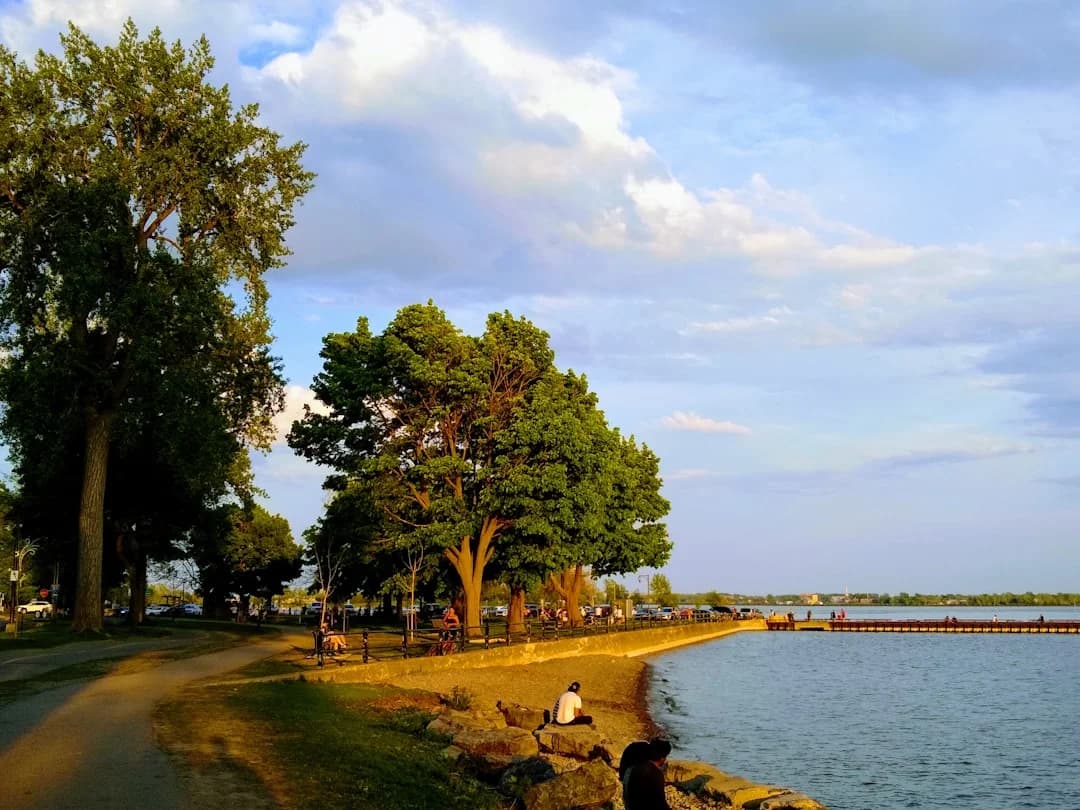
Photo by Robbie Di Matteo on Unsplash
Montreal is moving forward with a high-profile transformation of the Lachine waterfront, unveiling a plan that frames the Lachine waterfront park development 2026 as a cornerstone for river access, climate resilience, and year-round urban recreation. The city’s update in early April 2026 confirms that a development plan and environmental impact study have been completed, and that authorities are engaging with provincial and federal partners to secure the necessary authorizations to advance. This marks a pivotal moment for residents, businesses along the canal, and visitors who rely on access to the water for activities ranging from kayaking to waterfront promenading. The news arrives at a moment when Montreal has elevated waterfront revitalization as a core urban strategy, intertwining ecological restoration with public amenity in ways that are designed to be inclusive and climate-conscious. (montreal.ca)
The project centers on a long peninsula running along the Lachine Canal, spanning more than a kilometer and positioned between Parc René-Lévesque and Promenade Père-Marquette. City officials describe the site as uniquely suited for four-season programming, with two protected bays offering wind- and current-sheltered opportunities for passive recreation and water-related activities that do not require swimming or motorized access. The plan emphasizes environmental restoration—creating wetlands, wildlife habitats, and plantings to reinforce biodiversity and climate resilience—while retaining pedestrian and cyclist access through a reimagined riverbank landscape. The Lachine waterfront park development 2026 is being designed to balance public access with ecological safeguards and landscape protections, aligning with Montreal’s broader climate adaptation strategy. (montreal.ca)
Situated at 1800, chemin des Iroquois, this project is set to unfold in a staged fashion, with site-preparation activities beginning in spring 2026. Records indicate that dismantling of aging marina infrastructure, docks, and related facilities is planned by the end of spring 2026, along with necessary upgrades to sewer and drinking-water systems to support new park facilities. The plan underscores a careful, phased approach to shoreline work to minimize risk to nearby ecosystems while preparing the site for future programming. These steps come as part of an environmental restoration effort that Montreal frames as integral to its climate-change mitigation and adaptation portfolio. (montreal.ca)
Opening the door to access and programming, the city highlights that the new waterfront park will not be a swimming venue. Instead, it is envisioned as a pedestrian- and cyclist-friendly corridor that expands river access through a long, wind- and current-protected landscape, complemented by a boat-launching ramp and a nearby BIXI station. The site’s management explicitly calls for non-motorized water activities within designated areas, while the broader riverfront aims to host a variety of seasonal programs that encourage outdoor activity year-round. The combination of access, active transportation, and ecological restoration sits at the heart of the Lachine waterfront park development 2026 narrative. (montreal.ca)
Section 1: What Happened
Announcement and scope
- In early April 2026, the City of Montreal published a formal update detailing the status and scope of the new Lachine waterfront park. The release confirms that a comprehensive development plan and an environmental impact assessment have been completed, and that conversations with provincial and federal authorities are underway to obtain the required approvals to move forward. This marks a formal transition from planning to implementation readiness, with environmental and landscape protection as central pillars of the project. The update also emphasizes the project’s climate rationale, describing the restoration of wetlands and wildlife habitats as core features. (montreal.ca)
- A parallel French-language bulletin issued later in April 2026 reiterates the same core details, noting that environmental studies are ongoing to secure the necessary permissions and that the plan prioritizes environmental and landscape protection while laying out a path toward a four-season programming model. The French update additionally calls out the plan’s aim to provide year-round access and activities for the Lachine community. (montreal.ca)
Timeline and milestones
- The City’s project narrative identifies site preparation as beginning by spring 2026, with a sequence that includes dismantling former marina facilities, renovating essential utilities (sewer and drinking water lines), and removing outdated docks and walkways. This schedule reflects a careful, phased approach intended to minimize disruption while converting the site from a marina-reliant use to a community-oriented park. The spring 2026 dismantling window is a concrete milestone that anchors subsequent planning and permitting phases. (montreal.ca)
- The French update emphasizes the same spring 2026 target for site work, clarifying that work on the shoreline and related structures will proceed in the weeks following the update and subject to regulatory approvals. The timeline emphasizes that the next steps depend on authorization from provincial and federal authorities to advance with the proposal. (montreal.ca)
Environmental and planning details
- The announcements consistently describe a two-bay park design that leverages sheltered water to support non-motorized activities and natural habitat restoration. The project aims to establish a wetland, wildlife habitats, and a robust planting program, all designed to integrate with the landscape and protect biodiversity while providing accessible public space. This ecological framework is highlighted as a central pillar of the Lachine waterfront park development 2026. (montreal.ca)
- Additional context from the City’s pages notes the park’s long peninsula form, extending over more than one kilometer between Parc René-Lévesque and Promenade Père-Marquette, which informs both circulation patterns and programming possibilities. The site design prioritizes walker- and cyclist-oriented access, with bike racks and a nearby cycling network (BIXI) to support multi-modal use. These design cues are presented as part of the park’s strategy to link waterfront access with urban mobility. (montreal.ca)
Section 2: Why It Matters
Access to water and recreation for residents
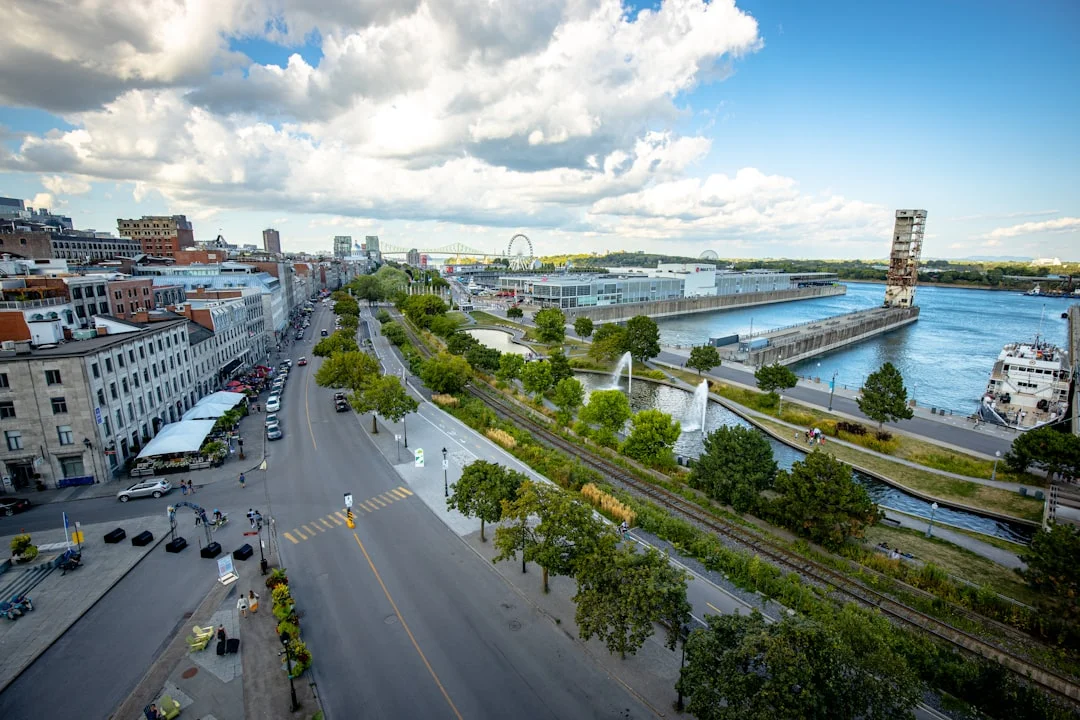
- The Lachine waterfront park development 2026 is framed as a major step toward enhanced public access to the river, particularly for non-motorized water activities. While swimming remains restricted, the project seeks to create a venue that broadens opportunities for boating-adjacent recreation, waterfront promenading, and structured, year-round programming. This emphasis on access aligns with Montreal’s broader goals for inclusive public space that serves residents across the city. (montreal.ca)
- The park’s configuration—extending along a long, protected shoreline—offers a new linear destination that could complement nearby promenades and existing parks. For visitors and residents who already use the Lachine Canal corridor for walking, cycling, and sightseeing, the waterfront park could become a central hub that connects Parc René-Lévesque, the canal path, and Promenade Père-Marquette. The physical alignment and the park’s length are underscored in city documentation as a key asset for community access to the water. (montreal.ca)
Climate resilience and ecological restoration
- Montreal’s climate strategy situates shoreline restoration and wetland creation as essential components of urban resilience. The Lachine waterfront park development 2026 ties directly into this approach by prioritizing environmental protection and ecological restoration as core project elements. The plan envisions wetlands and wildlife habitats as living infrastructure that can buffer against flood risks, improve local biodiversity, and provide ecosystem services to the surrounding neighborhoods. (montreal.ca)
- By situating the project within the city’s broader climate adaptation framework, city officials are positioning the Lachine waterfront park development 2026 as a model for how ecological restoration, landscape design, and public space can work in concert to address climate change while delivering public benefits. The official communications emphasize this linkage, positioning the park as a tangible manifestation of Montreal’s proactive stance on climate resilience. (montreal.ca)
Economic and social context
- The Lachine waterfront park development 2026 sits at the intersection of heritage, recreation, and urban renewal. The Lachine Canal corridor has long been a focal point for redevelopment and cultural programming, with ongoing investments in green space networks and waterfront access alongside historic preservation. City communications emphasize that the waterfront project aims to be accessible year-round and capable of hosting varied programming—from cultural events to educational activities—thereby contributing to the local economy and quality of life. While the city does not publish comprehensive cost or economic impact figures in these updates, the alignment with other waterfront initiatives signals a broader strategy to attract visitors and support local activity along the canal. (montreal.ca)
Background and broader urban planning context
- The Lachine waterfront project sits within a wider Montreal framing of waterfront revitalization, including initiatives under the Lachine-Est eco-neighborhood umbrella and related urban planning programs that prioritize mixed-use development, public space enhancement, and sustainable mobility. The city’s planning documents and related updates indicate that waterfront access, green space, and resilience standards are interwoven with other neighborhood plans and transport improvements in the area. This context helps readers understand why the Lachine waterfront park development 2026 is positioned as a data-driven, long-term investment in the city’s livability and climate strategy. (montreal.ca)
Section 3: What’s Next
Next steps and timeline
- The immediate next steps center on securing formal approvals from provincial and federal authorities to advance with the development proposal. The city’s English update makes clear that while the planning and environmental work has been completed, regulatory authorization remains a prerequisite before moving into construction and program delivery phases. Observers should expect a sequence of regulatory reviews, potential environmental conditions, and ongoing coordination with parks and environment agencies as part of the approval process. (montreal.ca)
- In the near term (spring 2026), the site will undergo preparatory work to decommission and repurpose existing marina infrastructure, including the dismantling of old facilities and the installation of essential utilities to support future park services. The French update confirms a spring 2026 time window for these activities, with the understanding that work will proceed in accordance with regulatory approvals and site safety considerations. This phase is critical for enabling subsequent park improvements and programming. (montreal.ca)
What to watch for
- Key indicators to watch include: (1) formal authorization from provincial and federal partners to move forward with the redevelopment plan, (2) results and recommendations from the environmental impact study and landscape protection plan, (3) progress updates on the construction timeline and the delivery of year-round programming, and (4) any adjustments to access rules or safety protocols as the site transitions from marina use to public park space. City communications suggest that the plan’s success hinges on careful coordination with government authorities, environmental safeguards, and a practical phasing of works to minimize disruption to the surrounding neighborhoods. (montreal.ca)
Closing
As Montreal moves toward a more accessible and climate-resilient riverfront, the Lachine waterfront park development 2026 stands out as a strategic test case for how urban designers can balance ecological restoration, public access, and year-round programming along a historic canal. With environmental studies completed and a clear spring 2026 start for site preparation, the project invites residents to imagine a new kind of waterfront experience—one that blends active transportation, ecology, and community life in a single, walkable corridor. The public can expect ongoing updates as provincial and federal authorities review the proposal, and as city planners translate environmental plans into tangible landscapes along the river. For residents and visitors, the evolving park promises a refreshed Lachine waterfront that honors the area’s heritage while expanding its future potential.

In the weeks and months ahead, Montrealers will be watching how the project negotiates regulatory reviews, site-prep milestones, and the development of four-season programming that can draw people to the water all year long. The city’s approach—combining rigorous environmental protection with practical, accessible design—suggests that the Lachine waterfront park development 2026 could emerge as a model for waterfront redevelopment in other Montreal neighborhoods and beyond. Stay tuned to the City of Montreal’s updates and local outlets for the latest authorization decisions, design refinements, and program announcements that will shape the park’s opening and its first season of activities.
—
Notes for readers and ongoing updates:
- The City of Montreal’s official pages provide the most current and detailed information on the Lachine waterfront park development 2026, including the environmental plan, the two-bay design, and the spring 2026 site-prep window. See the English and French updates for specifics on timing, scope, and regulatory steps. (montreal.ca)
- For context on how this project fits into broader waterfront and climate initiatives in Montreal, refer to related planning documents and environmental restoration efforts described in city publications and related planning materials. (montreal.ca)