Lachine Waterfront Park Montreal Expands Water Access

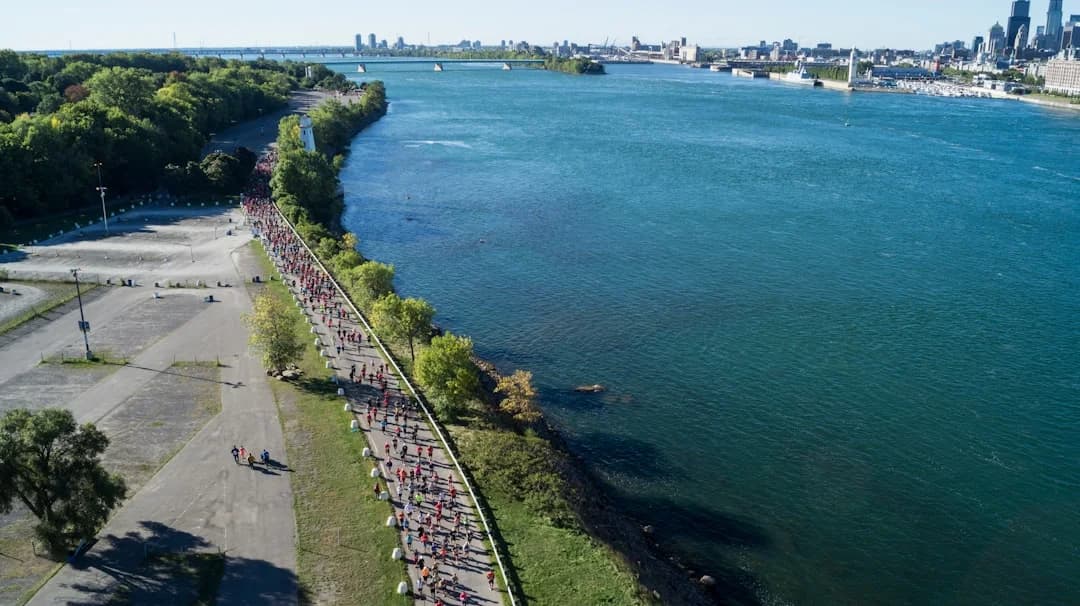
Photo by Carlos-David Donoso on Unsplash
Montreal’s Lachine arrondissement is moving forward with a transformative riverfront project that will redefine public access to the water along the canal. The newly announced Lachine waterfront park Montreal initiative aims to provide much better access to Lac Saint-Louis for non-motorized water sports and a broader public experience, with year-round programming and a stronger emphasis on environmental restoration. The update, issued in late May to June 2026, signals a major shift in how Lachinois and visitors will interact with the canal and surrounding green spaces. This development is part of Montreal’s broader climate strategy, and its implications extend beyond recreation to urban resilience, ecological restoration, and neighborhood revitalization. The project’s presentation to the public underscores the city’s commitment to reimagining waterfront spaces as inclusive, multi-season destinations that combine nature, culture, and mobility. The Lachine waterfront park Montreal plan is designed to be accessible to the entire population, with the goal of creating a four-season programming calendar and a safer, more inviting environment for families, cyclists, boaters, and outdoor enthusiasts. (montreal.ca)
The project sits on a historic shoreline that stretches along two protected bays, offering a strategic alignment with existing urban green space while leveraging the canal’s waterway for recreational opportunities. The Lachine waterfront park Montreal initiative is described as a long, peninsular redevelopment that will connect with René-Lévesque Park and the Pere-Marquette promenade, creating a continuous waterfront experience that is accessible to a broad cross-section of residents. In its current phase, environmental and landscape protection remains a core principle, with plans to establish wetlands, wildlife habitats, and extensive tree-planting to accompany the public space. The announcement stresses that the site has been chosen to optimize wind and current protection, enabling reliable four-season use and a richer programming slate, from summer paddling to fall and winter programming. This emphasis on environmental stewardship and climate resilience aligns directly with the city’s commitment to sustainability and adaptation. (montreal.ca)
Opening the door to year-round access also means temporary disruptions as the project progresses. Site preparation activities are underway, with discussions among provincial and federal authorities to secure the permits necessary to redevelop the riverbanks. The environmental impact assessment and development plan have been completed, and the municipal administration notes that environmental and landscape protection will be central to the project’s design and execution. While the project’s ultimate footprint remains under refinement, planners have already indicated that the park will deliver a multi-sensory experience—wetlands, wildlife habitats, and arboreal cover—paired with amenities that invite people to engage with the water in safer, supervised, and aesthetically compelling ways. The work is framed as a strategic environmental restoration effort that supports Montreal’s broader goals in climate adaptation and resilience. (montreal.ca)
Section 1: What Happened
Announcement Overview
A new riverfront experience on Lachine Canal
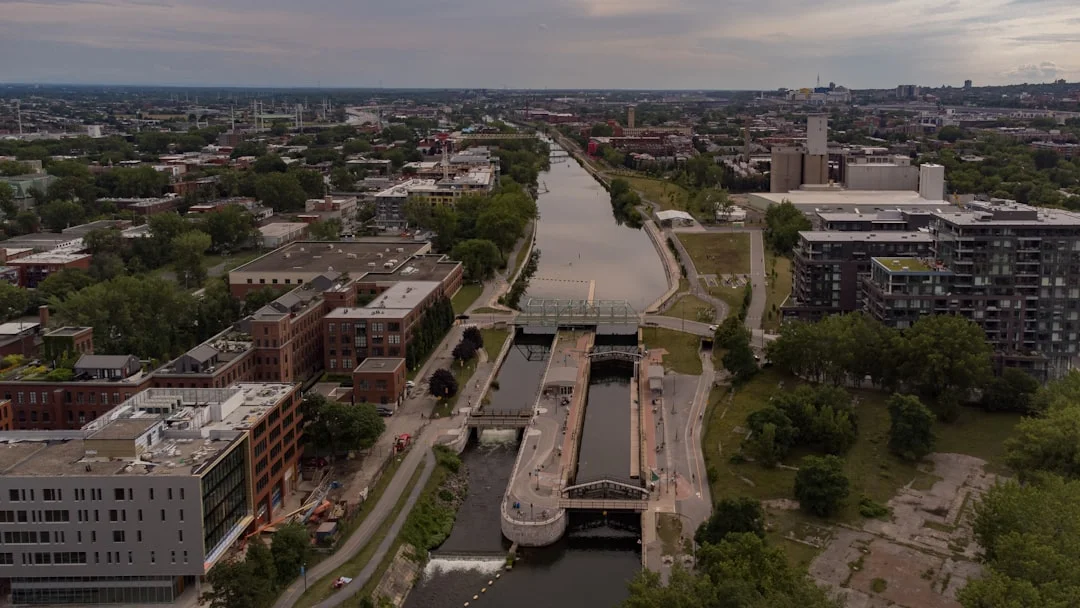
The City of Montreal’s Lachine arrondissement announced a major redevelopment of the riverfront into a dedicated park space that will provide enhanced access to the water for the public. The official description emphasizes a sixfold ambition: improve access to Lac Saint-Louis, restore and protect the shoreline, create a wetlands-rich ecosystem, plant thousands of trees and vegetation, and establish a four-season programming framework that invites residents to enjoy the river all year long. The project is positioned as a key component of the city’s environmental and climate initiatives, illustrating how urban spaces can serve as living laboratories for adapting to changing conditions while enriching community life. The official materials describe the site as a two-bay peninsular area that offers wind and current protection, making it an ideal location for a dependable, inclusive public space. The plan calls for a design that respects the canal’s heritage while embracing contemporary public space standards. (montreal.ca)
Scope, location, and design intent
The Lachine waterfront park Montreal project is conceived as a long public promontory between existing neighborhood assets, notably the René-Lévesque Park and the Pere-Marquette promenade. This location is intentionally chosen to maximize public access to the canal and to knit together several existing green spaces into a continuous waterfront corridor. The design intent centers on ecological restoration—creating wetlands and wildlife habitats, reforesting and greening the shoreline, and integrating sustainable stormwater management with usable pathways and vantage points for viewing the water. The project’s spatial logic emphasizes accessibility for non-motorized recreation, with a priority on safety, comfort, and inclusivity for families, seniors, and children. The plan highlights that the waterfront will be reimagined not only as a scenic backdrop but as an active stage for climate-smart recreation and education. (montreal.ca)
Timeline and current status of work
Official updates place the project in an active development trajectory, with environmental and planning work already in motion. Environmental studies are underway to obtain the permissions required to redevelop the shoreline, and a comprehensive development plan with its environmental impact assessment has been completed. The city notes ongoing discussions with provincial and federal authorities to secure authorization to move forward, underscoring the project’s regulatory complexity and the importance of intergovernmental collaboration for large-scale waterfront redevelopments. In practical terms, the work is staged to allow for phased site transformation while preserving public interest and protecting natural assets. The staged approach includes a sequence of infrastructural updates—such as a new sewer system and a rebuilt drinking water main—alongside the removal of older docks and walkways to accommodate fresh landscape and public-use elements. The project is explicitly tied to climate-action objectives, framing the riverfront renewal as part of a broader strategy to mitigate and adapt to climate change. The latest city disclosures indicate that site preparation will intensify through late 2026, culminating in a transformed waterfront ready for year-round use. (montreal.ca)
Construction milestones and current disruptions
A key milestone reported by city communications is the planned dismantling of outdated marina infrastructures as part of site preparation. This work, which began in the summer of 2025 and continued into spring 2026, includes removing nonfunctional facilities, upgrading essential utilities, and ensuring that the remaining structures support the park’s future configuration. The CNW press release provides a granular snapshot of the Spring 2026 progress, including dismantling of the old captain’s pavilion, removal of wastewater collection systems, electrical and telecom updates to maintain service during the transition, and a formal public notice about temporary access restrictions to ensure safety during construction. These operational details illustrate a methodical approach to preserving safety and continuity as the park moves from a marina-adjacent site toward a resilient, water-access-focused public space. The long-term objective is to harmonize the park’s ecological renewal with a compelling, inclusive program that invites participation across all seasons. (newswire.ca)
Key facts and commitments
- The park is described as a two-bay renewal site sheltered from wind and current, creating a conducive environment for year-round use and programming. The emphasis on protection from natural forces supports safer, more reliable water access for non-motorized activities and riverfront enjoyment. (montreal.ca)
- A central theme of the project is environmental restoration, including the creation of wetlands and wildlife habitats, with a planting regime designed to restore biodiversity and enhance ecological resilience along the canal’s edge. (montreal.ca)
- An overarching objective is to deliver a four-season waterfront experience, combining public programming with landscape improvements to sustain activity from spring through winter. (montreal.ca)
- The project is positioned as a mobilizing, inclusive urban initiative—an emblematic “recreotouristique” hub that will attract visitors while benefiting local residents with enhanced public spaces and recreation opportunities. (newswire.ca)
Section 2: Why It Matters
Environmental benefits and climate resilience
Aligning waterfront renewal with climate action
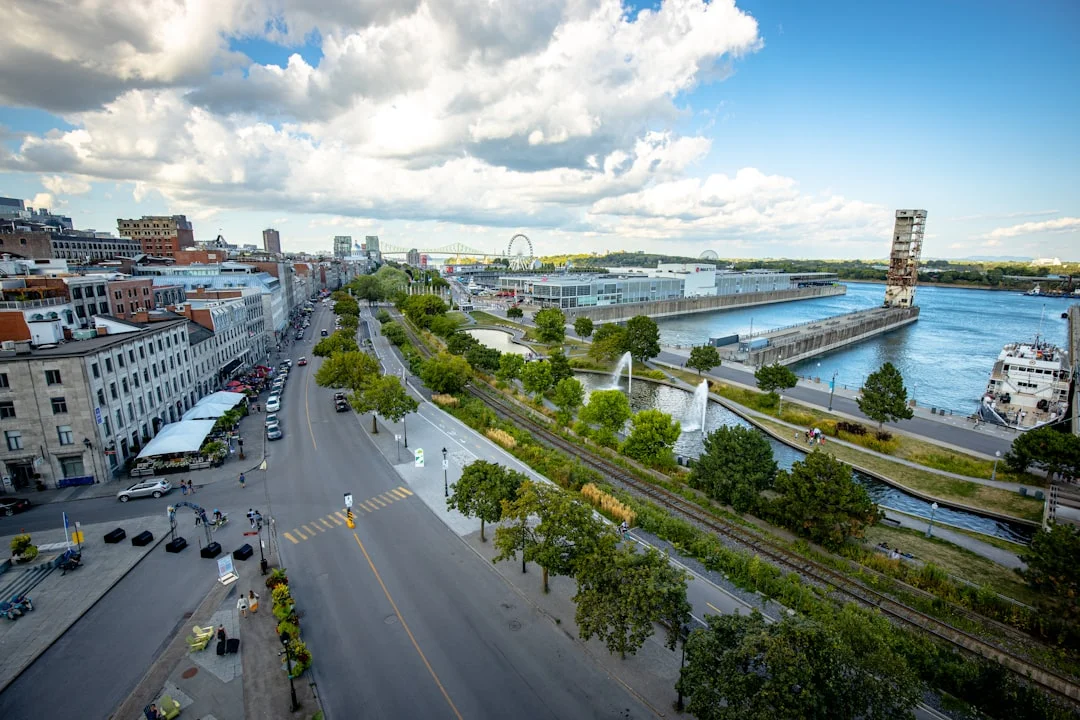
Montreal’s climate strategy explicitly frames waterfront restorations as critical components of urban resilience. The Lachine waterfront park Montreal project embodies this orientation by prioritizing environmental restoration and landscape protection in tandem with public access. By reconstructing wetlands and establishing wildlife habitats, the project aims to enhance natural capital and bolster the canal’s ecological integrity while offering a more resilient shoreline in the face of rising water levels, flood risks, and other climate-related stressors. This alignment with climate action is reinforced by official statements that situate the park within a broader municipal agenda to combat and adapt to climate change. The plan’s ecological core—wetlands, habitat creation, and vegetation supplementation—signals a long-term commitment to sustainable waterfront stewardship. (montreal.ca)
Biodiversity and educational value
The Lachine waterfront park Montreal project will be designed to support biodiversity along the canal, with wetlands and wildlife habitats integrated into the park’s fabric. This approach not only improves ecological function but also creates opportunities for environmental education and citizen science, inviting residents to engage with the canal’s natural dynamics in a controlled, interpretive setting. The environmental protection emphasis is highlighted in development planning discussions and in the public communications from the arrondissement, emphasizing that landscape protection will be central to the project’s design. As cities increasingly recognize the value of nature-based solutions, Lachine’s waterfront renewal offers a living example of how public spaces can contribute to biodiversity while delivering tangible urban benefits. (montreal.ca)
Public access, equity, and recreation
Four-season programming and inclusive access
A central pillar of the Lachine waterfront park Montreal initiative is year-round programming that makes the riverfront accessible to a broad cross-section of residents and visitors. The city notes that the new facilities will be designed to support four-season use, enabling activities from winter spinning on nearby trails to spring and summer paddling, fishing, and scenic enjoyment. The emphasis on inclusivity complements existing urban amenities and enhances equitable access to the canal’s water resources. This is particularly relevant in a city where waterfronts have sometimes been underutilized or fragmented by seasonal constraints. By prioritizing all-season use and accessible design, the project seeks to create a waterfront space that serves both residents and tourists, contributing to a more vibrant, mixed-use district along the canal. (montreal.ca)
Safety, access, and infrastructure
The redevelopment plan includes not only ecological restoration but also essential infrastructure upgrades—sewer, water mains, and the removal of aging docks and walkways—to enable safe and reliable access to the water. The public communications emphasize that the site will be prepared to accommodate diverse uses while preserving safety during construction. Temporary access restrictions during construction will be necessary, reflecting a responsible, safety-first approach to upgrading a complex harbor-front site while keeping the public informed of milestones and closures. This careful sequencing is intended to minimize disruption and maximize the long-term value of the Lachine waterfront park Montreal for the neighborhood. (newswire.ca)
Economic and community context
A mobilizing, recreational hub
The project is framed as a mobilizing, inclusive pôle récréotouristique that will elevate the canal’s role as a public asset and an economic catalyst for Lachine and the broader Montréal region. By combining ecological restoration with public programming and accessible waterfront space, the park is positioned to attract visitors, support nearby businesses, and provide a more cohesive link between Lachine’s riverfront heritage and contemporary urban life. The CNW press release emphasizes this aspirational character, noting the park’s potential to become a destination that brings together residents from across the city and visitors from beyond. While specific economic projections are not disclosed in the available materials, the conceptual emphasis on recreation, tourism, and shared public space aligns with wider municipal goals to cultivate sustainable development that benefits both residents and the local economy. (newswire.ca)
Section 3: What’s Next
Construction milestones and next steps
Planned timeline and near-term milestones
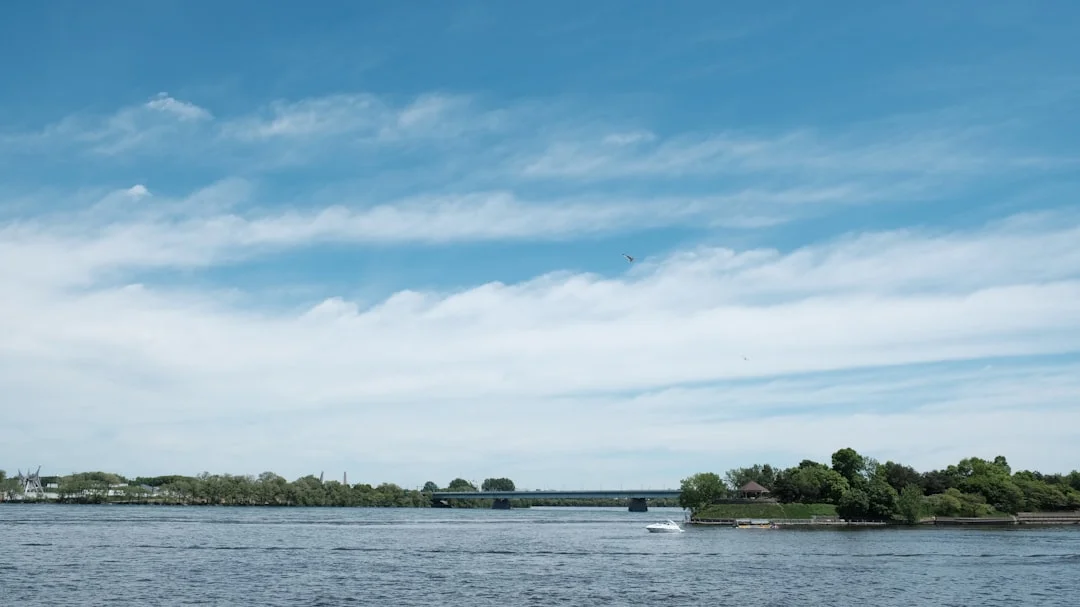
With environmental studies and planning approvals in progress, the Lachine waterfront park Montreal project is moving toward concrete construction phases. The city’s communications indicate that site preparation is expected to intensify through 2026, with the dismantling of nonfunctional marina infrastructure already underway or planned to begin in the near term. The May 2026 CNW briefing confirms that the spring 2026 works include dismantling elements of the former port of plaisance, updating utilities, and ensuring that remaining facilities can be repurposed or replaced as part of the park’s redevelopment. The public notices also indicate that temporary closures will be necessary to ensure safety for pedestrians and cyclists during construction. The juxtaposition of these steps with the broader plan for wetlands, habitat restoration, and year-round programming reveals a phased approach designed to balance progress with accessibility and safety. (newswire.ca)
Next steps for authorities, communities, and users
As the planning process advances, ongoing coordination among municipal departments, provincial authorities, and federal agencies will be essential to secure the approvals needed to transform the shoreline. The Lachine arrondissement communications emphasize that the environmental protection and landscape design will be central to the final park configuration, suggesting that multiple iterations may occur as design teams respond to ecological constraints, regulatory requirements, and community feedback. Community members can expect periodic updates as construction milestones approach, with additional opportunities for input on landscape features, programming plans, and accessibility improvements that will define the park’s long-term value. The project’s trajectory underscores a collaborative process that seeks to balance heritage, ecological integrity, and modern city-building imperatives along Lachine’s waterfront. (montreal.ca)
What to watch for in the coming months
- Progress on environmental permits and approvals from provincial and federal authorities, and any related conditions that shape the park’s design and construction.
- Details of the phase-by-phase construction plan, including exact dates for major milestones, anticipated access restrictions, and temporary closures that might affect local residents and visitors.
- Finalized design elements for wetlands creation, habitats, and vegetation plans, along with any educational components integrated into the four-season programming calendar.
- Community engagement opportunities to shape the park’s features, programming, and inclusivity measures, ensuring that the final design reflects the needs and aspirations of Lachinois and Montréalais alike. (montreal.ca)
Closing
The Lachine waterfront park Montreal project stands at a pivotal moment, combining environmental restoration with public access enhancements to reimagine a key stretch of the canal as a year-round, inclusive, and resilient public space. By prioritizing wetlands and habitat restoration alongside accessible facilities and four-season programming, the project aims to deliver tangible climate and quality-of-life benefits for Lachinois and Montréal residents, while also positioning the waterfront as a dynamic destination for visitors. As the work progresses through 2026 and beyond, city officials, planners, and community members will watch closely to see how the park’s design translates into daily use, ecological gains, and economic vitality along Lachine’s historic waterway. The ongoing collaboration across government levels and the community will be a telling indicator of Montreal’s ability to convert waterfront potential into lasting public value. (montreal.ca)