Les Francos De Montréal 2026 Lineup Unveiled

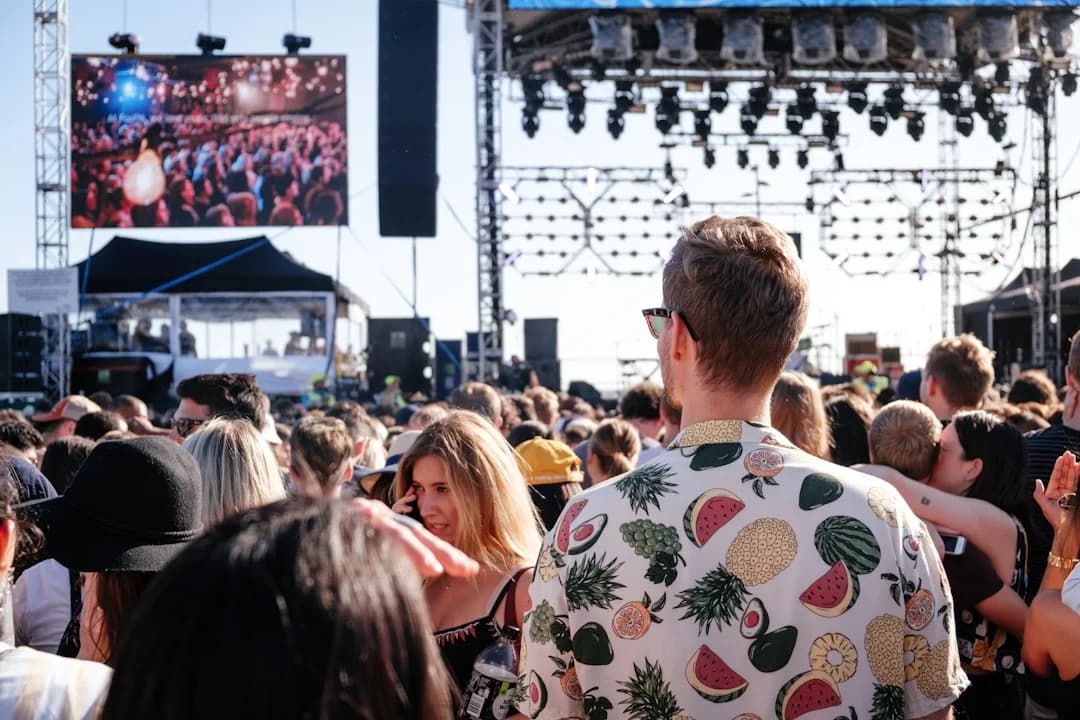
Photo by Johan Mouchet on Unsplash
Montréal Times advances today with a data-driven briefing on the Les Francos de Montréal 2026 lineup, the francophone festival that anchors the city’s summer calendar. The official lineup was unveiled in late April, confirming a ten-day celebration from June 12 to June 20, 2026, in Downtown Montreal. The announcement marks a return to full-scale programming after recent editions, signaling renewed momentum for Montreal’s cultural economy and the broader regional market that revolves around arts, tourism, and technology-enabled experiences. This year’s Les Francos de Montréal lineup is positioned to attract both longtime festival-goers and a new generation of audiences drawn to streaming-accessible, venue-spanning performances and a diversified slate of francophone talents. The organizers have framed the program as a testament to resilience in the city’s cultural sector, with a schedule designed to maximize audience reach while preserving the festival’s intimate, community-oriented feel. (montreal.citynews.ca)
Early coverage from tourism and cultural organizations highlights the scale and scope of the event. Tourisme Montréal notes that the festival runs from June 12 to June 20, 2026, and emphasizes its role as a flagship event in the city’s summer lineup, drawing visitors from across Quebec and beyond. The program is described as featuring a mix of international francophone names, Quebec icons, and rising artists, all performing across Downtown venues, with Place des Arts serving as a central hub. This framing aligns with the city’s broader strategy to leverage major cultural events as drivers of economic activity, hospitality demand, and digital engagement. (mtl.org)
Industry and local media coverage further confirms the festival’s expansive footprint and the variety of performances on offer. Restomontreal lists the 2026 edition with dates and a range of performances, while Place des Arts outlines the festival window and the multi-venue approach that characterizes the program. The CityNews article reporting the lineup reveal cites an official event at Maison Rogers in Montreal and reinforces the festival’s significance as a preeminent summer programming milestone. Taken together, these sources illustrate a festival that is both a cultural milestone and a measurable economic event for Downtown Montreal and its surrounding neighborhoods. (restomontreal.ca)
Section 1: What Happened
Announcement Details
The Francos de Montréal organizers formally unveiled the 2026 lineup on April 28, 2026, in a press event that highlighted the 37th edition of the festival and framed it as a strong return to a full-scale program after the pandemic-era disruptions that affected earlier editions. The announcement confirmed the festival’s dates (June 12–20, 2026) and reiterated Downtown Montreal as the festival’s home, with performances spread across multiple venues including the iconic Place des Arts. The news coverage emphasizes the event’s significance for the city’s cultural calendar and for the francophone music ecosystem, underscoring a commitment to both established artists and emerging talents. The reveal event and subsequent press coverage positioned the lineup as a mix of familiar favorites and new voices prepared to engage audiences with fresh repertories and creative collaborations. (montreal.citynews.ca)
Timeline and Venues
The Les Francos de Montréal 2026 lineup has a clearly defined ten-day window, running June 12–20, 2026, in Downtown Montreal. Organizers have leveraged a multi-venue approach to extend reach beyond a single site, with Place des Arts serving as a central stage and other venues distributed throughout the downtown core and adjacent cultural districts. The event’s footprint—spanning large professional halls to more intimate rooms—reflects a deliberate strategy to diversify audience experiences while accommodating the festival’s broad artistic spectrum. In terms of scope, reports describe hundreds of performances across the festival period, with Place des Arts alone hosting a subset of shows (the venue is explicitly highlighted as a core component of the program). The broader count across venues is described as roughly 150 performances, underscoring the festival’s scale and ongoing commitment to accessibility. (placedesarts.com)
Key Facts and Figures
Core facts emerging from the rollout include a lineup featuring high-profile francophone artists across various genres and generations. Tourisme Montréal enumerates headliners and key dates, including Cœur de Pirate on June 19, Pierre Lapointe on June 18, Lou-Adriane Cassidy on June 12, Lorie on June 17, and Laurent Voulzy on June 12, illustrating a diverse mix of contemporary pop, chanson, and classic French music icons. The coverage also highlights that a substantial portion of performances are either free or low-cost, with industry observers noting the festival’s ongoing emphasis on broad accessibility. Additional context from local media indicates that more than half of performances have historically been available without mandatory admission fees, reinforcing the festival’s community-oriented mandate. The festival’s scale is further reinforced by municipal and regional tourism bodies describing nearly 150 performances, a number that positions the event as one of Montreal’s most expansive cultural showcases for the summer. (mtl.org)
Section 2: Why It Matters
Economic and Tourism Impact

From a market perspective, the Les Francos de Montréal lineup is more than a cultural announcement; it functions as a macroeconomic signal for Downtown Montreal and the surrounding hospitality ecosystem. The ten-day programming window coincides with peak tourist activity in the city, drawing attendees from within Quebec and international francophone communities. Tourism bodies emphasize the festival’s role in sustaining hotel occupancy, restaurant demand, and local transit usage during a period when other summer events are vying for audiences. The festival’s emphasis on free shows, coupled with a schedule of paid headliners, helps balance access with revenue generation, potentially broadening the audience base while maintaining financial viability for participating venues and artists. Industry observers note that such programming patterns contribute to longer dwell times in the city, extended consumer spending across transit, dining, and retail sectors, and heightened media exposure that can indirectly boost other cultural events throughout the year. (mtl.org)
Cultural and Market Context
Les Francos de Montréal has long stood as a pillar of the francophone music scene in North America, and the 2026 lineup reinforces its role in shaping cultural discourse and market opportunities for artists who sing in French. The festival’s return to a robust lineup with both established names and emerging acts aligns with Montreal’s broader strategy of positioning itself as a global hub for language-driven culture and tech-enabled event experiences. Context from Place des Arts and municipal tourism partners frames the festival as a cornerstone of the city’s creative economy, with implications for music education, streaming and distribution partnerships, and cross-cultural collaboration within the francophone world. This edition’s lineup—featuring artists across generations—also signals audience aging considerations and the need for programming that sustains engagement among younger listeners while respecting the festival’s heritage. (placedesarts.com)
Audience and Accessibility
Accessibility remains a central theme in the festival’s communications. Reportage and event pages emphasize that a significant share of performances will be free or accessible at low cost, expanding access to diverse audiences and reinforcing the city’s commitment to inclusive cultural participation. This approach is particularly relevant for audiences who rely on public transit, student budgets, or community groups seeking affordable cultural experiences. The emphasis on free or low-cost programming also supports local community organizations and schools that may participate in educational and outreach components of the festival. Taken together, these factors contribute to a broader, more inclusive audience base and can drive longer-term engagement with the city’s cultural ecosystem. (nightlife.ca)
Broader Market Trends
The festival’s programming aligns with broader trends in the live music sector, including a premium on diverse lineups, multi-venue experiences, and digital engagement strategies that enable audiences to discover artists across different contexts—on-site, online, and through partner platforms. Industry coverage highlights a growing interest in how major cultural events coordinate with tourism boards, city planners, and technology providers to optimize ticketing, scheduling, and audience analytics. In that sense, the 2026 edition of Les Francos de Montréal appears positioned to leverage data-driven approaches to maximize attendance, ensure efficient operations across venues, and deliver value to sponsors and community partners while preserving the festival’s distinct francophone identity. (montreal.citynews.ca)
What This Means for Local Markets
For Montreal’s technology and market landscape, the lineup announcement underscores opportunities in event tech, digital ticketing, mobile engagement, and data analytics. Organizers and venues are increasingly dependent on software solutions for real-time occupancy management, audience insights, and seamless onboarding for volunteers, vendors, and artists. The scale of the festival implies significant demand for secure, scalable digital infrastructure to handle ticketing, cashless payments, streaming components, and fan engagement apps. Analysts suggest that the festival’s emphasis on accessibility and diversified programming could serve as a model for other large-scale cultural events seeking to balance inclusivity with operational efficiency. This alignment between cultural programming and technological enablement points to a broader trend in which the arts ecosystem and technology industry collaborate to deliver high-quality experiences at scale. (mtl.org)
Section 3: What’s Next
Tickets, Access, and Promotion
With the official lineup now public, ticketing and access logistics will become the focus in the weeks ahead. Local outlets and the festival’s own channels will likely release detailed schedules, including the distribution of free shows, venue capacities, and ticket bundles for multi-night attendees. Restomontreal and Place des Arts pages indicate that advance information will be disseminated through official sites and partner platforms, with promotions designed to maximize attendance while ensuring accessibility. Patrons should monitor the festival’s official announcements for the most up-to-date information on show times, venue changes, and any added performances. In the interim, the festival’s press coverage and tourism partners emphasize the importance of planning ahead, especially for fans traveling from outside Montreal who may rely on accommodations and local transit options to participate fully in the event. (restomontreal.ca)
Next Steps for Audiences and Stakeholders
For audiences, the next steps involve selecting favorite artists, planning multi-venue itineraries, and taking advantage of free-show opportunities while balancing personal schedules. For sponsors, partners, and local businesses, the festival presents a platform to engage with audiences through experiential activations, co-branded content, and data-driven media campaigns tied to specific dates and venues. As the lineup solidifies into full schedules, stakeholders will look to optimize cross-promotion, media reach, and audience retention across the festival window. Observers should watch for official updates detailing artist-by-artist schedules, stage-by-stage layout, and any late additions to the lineup as organizers adjust programming for logistics and artist availability. (mtl.org)
What to Watch For in the Coming Weeks
- A finalized, day-by-day schedule with venue assignments and performance times. The serialization of performances across venues is a key operational challenge and a primary source of reader interest for a data-driven audience.
- Announcements of any additional artists or surprise guest appearances. Festivals frequently expand or adjust lineups in the weeks leading up to opening night.
- Ticketing updates, including price tiers, group rates, and promotions tied to municipal tourism campaigns. The city’s tourism ecosystem frequently coordinates cross-promotional efforts around landmark cultural events.
- Health, safety, and accessibility updates, including venue accessibility notes, transport advisories, and crowd management measures. A large, multi-venue event requires clear communication around safety considerations for attendees.
- Digital engagement initiatives, such as streaming options for select performances or on-demand content after performances, enabling broader access beyond on-site audiences. This aligns with industry-wide trends toward hybrid experiences and extended reach. (montreal.citynews.ca)
Closing
The Les Francos de Montréal 2026 lineup signals a robust revival of Downtown Montreal’s cultural rhythm, reinforcing the city’s role as a hub for francophone music, tourism, and urban innovation. As the festival enters its final stages of lineup confirmation and logistical planning, readers can anticipate a carefully curated blend of familiar favorites and new voices that reflect both tradition and experimentation. The 37th edition is positioned not only as a celebration of music but also as a data-informed event that integrates audience analytics, venue logistics, and digital engagement to create a scalable model for future summer festivals. To stay updated, readers should follow official festival channels, the City of Montreal’s cultural-office communications, and partner tourism platforms for the latest show times, ticketing details, and venue news as the June window approaches. (montreal.citynews.ca)

In a city known for its vibrant summer arts scene, the Les Francos de Montréal lineup adds a new layer to Montreal’s tech-enabled event ecosystem. By combining a large-scale, accessible program with sustained attention to data-driven operations and audience experience, the festival contributes to the city’s ongoing evolution as a center for culture, innovation, and inclusive civic engagement. As the countdown to June 12 begins, industry observers, residents, and visitors alike will be watching how this year’s editions of the Francos shape not only the cultural calendar but also the economic and digital-forward strategies that define Montreal’s next chapter in festival leadership. (montrealcentreville.ca)