Québec Annonce Logements Abordables Montréal 1650

The Montréal Times is reporting on a major policy development with potentially long-lasting effects on the city’s housing landscape. On Saturday, July 18, 2026, the Government of Québec announced the selection of eight housing projects that will collectively deliver 1,650 affordable housing units in Montréal, under the Québec Affordable Housing Program (PHAQ). The announcement comes as Montréal and its surrounding region contend with persistent affordability pressures, and it signals a coordinated effort by provincial, federal, and local partners to accelerate the construction of housing options for households with lower incomes. The news matters not only for families seeking stable rent options, but also for the city’s broader development strategy, which aims to balance growth with social inclusion and urban resilience. Construction could begin as early as 2027, marking a potential shift in the pace of production for affordable housing in one of Canada’s most populous urban centers. This development is being advanced in partnership with the City of Montréal, with oversight by the Société d’habitation et de développement de Montréal (SHDM) and involvement from community housing organizations and nonprofit partners. The provincial housing minister, Karine Boivin Roy, framed the eight-project package as a critical step in expanding the non-market housing stock during a period of housing market strain across the province. “I am happy to confirm the selection of projects that represent 1,650 additional housing units in Montréal. Two of them could be put under construction immediately, their funding confirmed,” Boivin Roy stated during the press conference. (tvanouvelles.ca)
In addition to the unit counts, officials highlighted that the eight projects span a mix of sites and organizational partners, with the largest project led by Patrimoine Angus Résidentiel (477 units) on the Namur-Hippodrome site, and the Société d’habitation du Montréal (SHDM) overseeing a 374-unit project on the former Molson factory site on Notre-Dame Street. The remaining projects are led by organizations including Communia, Mission Old Brewery, Refuge des jeunes de Montréal, and L’étoile des baux, among others, reinforcing a broad coalition approach to housing delivery in Montréal. The government’s press materials indicate that these initiatives are funded under the PHAQ and are part of a broader strategy to accelerate affordable housing construction under Québec’s housing affordability plan. (tvanouvelles.ca)
To corroborate these developments from a national and city perspective, CityNews Montréal reported that the announcement occurred at a press conference at the Palais des congrès and that federal review and funding were ongoing for several components of the package. CityNews notes that three projects funded in Phase 1 of the Canada–Québec housing agreement will enable the construction of 109 units across the federally supported projects, with two projects capable of immediate start: Réseau habitation femmes Montréal (continuing the Éthel project in Verdun) with 20 units, and the John Howard Society of Québec project on Notre-Dame Street East with 18 units; the third project, Ricochet, aims to provide emergency accommodation in Pierrefonds. The CityNews report underscores the federal-provincial collaboration underpinning the package and positions the Montréal package as part of a broader national push to expand affordable housing stock. (montreal.citynews.ca)
What Happened
Eight projects, eight partners, one clear objective: add 1,650 affordable housing units to Montréal’s housing stock under the Québec Affordable Housing Program (PHAQ). The program is designed to finance projects that are affordable for households with low incomes, with the goal of reducing pressure on the rental market and expanding the stock of non-market or below-market housing. The eight selected projects, announced by the Québec government, represent a concerted effort to diversify the portfolio of affordable housing, including family-oriented units, mixed-income housing, and emergency accommodations where needed.
Major project details and leadership
- Namur-Hippodrome project: 477 units led by Patrimoine Angus Résidentiel. This development sits within the Namur-Hippodrome district, an area Montréal has been prioritizing for transit-oriented and mixed-use redevelopment as part of the city’s long-term urban planning strategy. The project’s scale positions it as the largest within the eight-project package and signals a significant commitment to expanding the affordable component of the Namur-Hippodrome transformation. (tvanouvelles.ca)
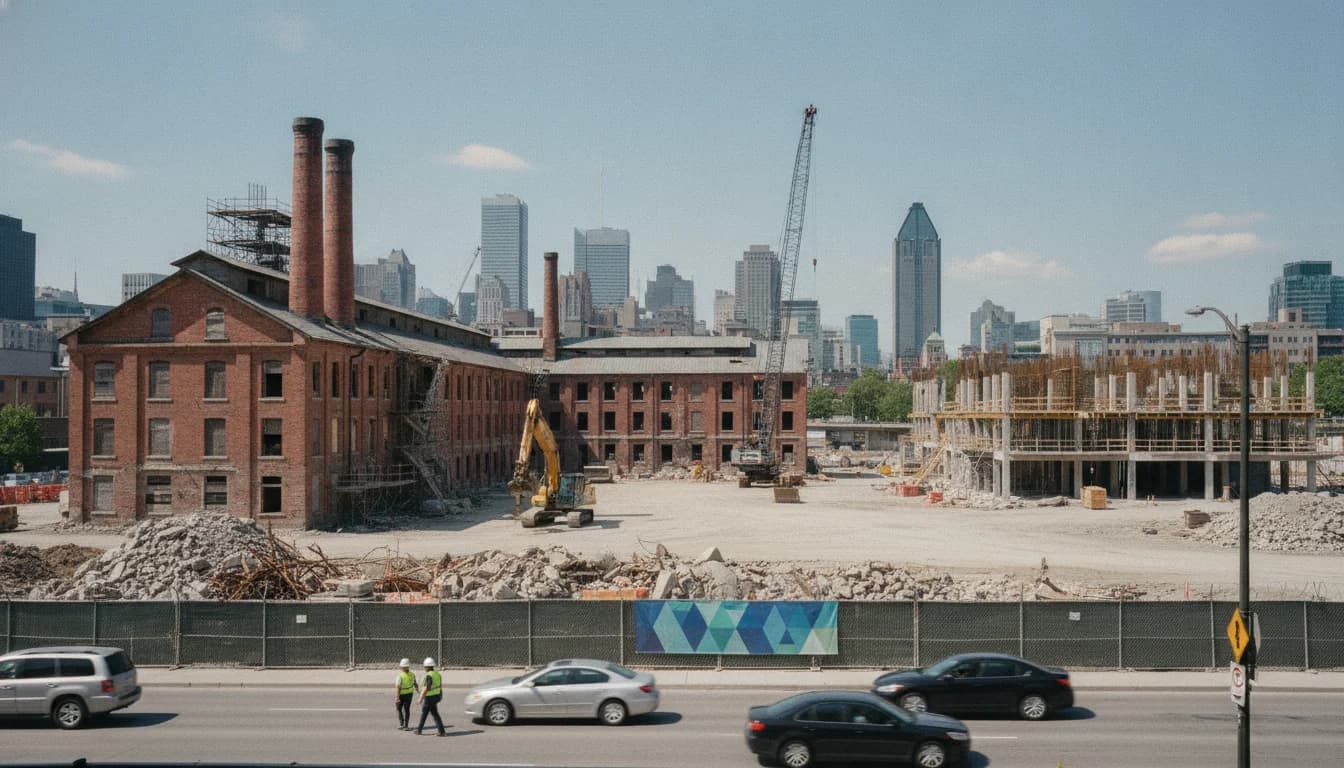
- Molson site project: 374 units to be developed by the Société d’habitation et de développement de Montréal (SHDM) on the former Molson industrial site along Notre-Dame Street. This site is a focal point of Montréal’s industrial-repurposing strategy, converting vacant or underused land into housing opportunities while aligning with the city’s goals for brownfield redevelopment and neighborhood renewal. (tvanouvelles.ca)
- Additional projects: Communia, Mission Old Brewery, Refuge des jeunes de Montréal, and L’étoile des baux are named as organizers of other developments within the eight-project package. While the exact unit counts for these projects are not enumerated in the primary press materials, the collective total across all eight initiatives is 1,650 new affordable housing units. The explicit project roster and numbers for all eight projects are outlined in the provincial release and subsequent coverage. (tvanouvelles.ca)
Timeline and funding context
- Construction could begin in 2027, with the projects entering the construction phase as funding and approvals advance. This timeline aligns with the broader execution plan under the PHAQ and the intergovernmental coordination surrounding the program. The press materials framed the timeline as contingent on the rapid progression of project approvals, funding confirmations, and construction readiness, all of which were being coordinated between the provincial government, the City of Montréal, and federal partners. (tvanouvelles.ca)
- Federal involvement and phased funding: A portion of the projects has been funded or is in the process of funding through federal channels in Phase 1 of Canada–Québec housing initiatives. The CityNews report notes that three projects in Phase 1 will deliver 109 housing units, with two projects capable of immediate construction. This reflects a multi-layer funding approach where provincial, municipal, and federal agencies align to accelerate delivery while ensuring long-term affordability and housing stability for residents. (montreal.citynews.ca)
Why It Matters
Expanded affordable housing stock in a major metropolis
- The Montréal package adds 1,650 new homes that are designated as affordable, a critical stock addition for a city that has faced ongoing affordability pressures on rental markets and housing supply. By design, the eight projects aim to meet immediate demand while also advancing Montréal’s longer-term housing and urban development goals. The emphasis on affordable units in a high-demand market underscores the provincial government’s commitment to urban housing solutions that can influence rental trends, occupancy stability, and neighborhood composition. (tvanouvelles.ca)
Implications for neighborhoods and residents
- Namur-Hippodrome’s 477-unit project sits at the heart of a high-profile urban renewal corridor, with the neighborhood poised to undergo broader transformation that could affect transit access, commercial activity, and public realm improvements. A substantial addition of affordable housing here could help diversify the neighborhood’s socioeconomic mix and support more sustainable, mixed-income development in a key corridor. City of Montréal materials and related planning coverage emphasize the Namur-Hippodrome sector as a focal point for strategic growth and livability enhancements. (montreal.ca)
- The Molson site redevelopment (374 units) aligns with Montréal’s goals to repurpose brownfield sites into community-centric housing, potentially spurring ancillary investment, services, and amenities in the surrounding area. As with the Namur-Hippodrome project, the Molson site is expected to benefit from coordination with city infrastructure plans and from the province’s housing program to deliver predictable, long-term affordability. (tvanouvelles.ca)
Coordination and funding dynamics
- The press coverage highlights a multi-level collaboration involving the Québec government, the City of Montréal, and federal agencies, with SHDM serving as a key project overseer for Montréal. This cross-jurisdictional approach is designed to streamline approvals and financing, reducing the risk of delays that sometimes hinder large, multi-site affordable-housing initiatives. The federal involvement is framed as part of a broader national program to accelerate affordable housing construction, a context reinforced by accompanying federal releases and city-level planning documents. (tvanouvelles.ca)
Broader context: housing policy and urban planning trends
- The Montréal project package sits within a longer-running policy framework in Québec that has prioritized affordable housing through targeted programs such as PHAQ. The provincial program’s objective to streamline project delivery for households with low incomes reflects a trend toward outcomes-based housing policy that coordinates funding, land use planning, and nonprofit housing organizations. The Montreal housing ecosystem has also been shaped by strategic plans like the Namur-Hippodrome PDAD (Plan Directeur d’Aménagement et de Développement) and the city’s broader “Montréal abordable” initiatives, which emphasize rapid development of social and affordable housing within targeted districts. These policy threads are evident in the official Montréal materials about Namur-Hippodrome and in the broader municipal planning literature. (newswire.ca)
What It Means for Stakeholders
- Residents and renters: The immediate beneficiaries are households with limited means who will gain access to affordable units in a city facing rental-cost pressures. The presence of a federal contribution in Phase 1 and the overall scale of 1,650 units could also influence market dynamics by increasing supply and potentially moderating rent growth over the medium term if supply keeps pace with demand. The two explicitly counted immediate-start projects (20-unit Réseau habitation femmes Montréal Verdun and 18-unit John Howard Society project) illustrate targeted housing options that address specific needs, including residences for those facing homelessness or risk thereof. (montreal.citynews.ca)
- Local businesses and service ecosystems: A new wave of residents can stimulate nearby retail, services, and public-amenity investments, particularly in neighborhoods slated for redevelopment like Namur-Hippodrome. The city’s Namur-Hippodrome planning materials stress integrated development with transit, parks, and community services to maximize livability while minimizing negative externalities. The scale and location of the projects offer an opportunity for local businesses and nonprofits to participate in wraparound services and community-building efforts. (montreal.ca)
- City and province governance: The package reinforces the value of coordinated, cross-government housing programs to tackle affordability challenges. By leveraging the PHAQ and aligning provincial priorities with municipal planning in Montréal, policymakers can demonstrate a unified approach to housing delivery that blends social objectives with urban growth goals. The publicly available coverage and official statements reflect a deliberate emphasis on speed, collaboration, and accountability in the delivery of affordable housing. (tvanouvelles.ca)
Timeline and Next Steps
- Short-term (0–12 months): Finalization of federal funding decisions for the three Phase 1 projects, including the two immediately startable initiatives (Réseau habitation femmes Montréal Verdun and John Howard Society project). The federal-provincial collaboration requires sign-offs, land-use approvals, and project-specific financing agreements. CityNews notes that these steps have already commenced and that construction could begin within the next year, depending on funding and approvals. (montreal.citynews.ca)
- Medium term (12–24 months): Initiation of site preparation, permit approvals, and detailed design for the eight projects, followed by procurement and contracting processes with SHDM and partner organizations. The Namur-Hippodrome site, given its strategic importance, may include concurrent transit and infrastructure enhancements to accommodate the influx of new residents and ensure accessibility. The City of Montréal’s Namur-Hippodrome materials emphasize integrated planning and the project’s alignment with long-term urban goals. (montreal.ca)
- Long term (beyond 24 months): Completion of the eight-project portfolio and occupancy of 1,650 affordable units, contributing to Montréal’s housing supply and providing a model for coordinated multi-site affordable housing delivery. Ongoing evaluation of outcomes, including affordability metrics, resident services, and neighborhood impacts, will inform future policy adjustments and potential expansions of the program. The provincial and federal governments have signaled that these efforts are part of a larger, ongoing commitment to affordable housing in Québec and across Canada. (tvanouvelles.ca)
What’s Next: Watch for Updates
- Official updates and project milestones are likely to appear in provincial press releases, City of Montréal communications, and SHDM briefings. Given the scale of the package and the involvement of multiple partners, expect periodic progress reports that detail unit-by-unit counts where available, funding confirmations, and construction start dates.
- Local community organizations and tenants’ groups will be important voices in monitoring the execution of the eight projects, particularly in the Namur-Hippodrome corridor. Municipal channels and the Conseil de quartier or community advisory bodies may publish updates on service provision, accessibility improvements, and integration with transit and green space plans.
- For readers seeking deeper context, Montréal Times will continue to track the policy’s implications for the city’s affordable housing stock, urban development patterns, and the balance between growth and social equity. We will also monitor whether additional funding streams or new rounds under the PHAQ are announced and how Montréal’s housing market responds to the new supply.
Closing
The Québec government’s announcement of 1,650 logements abordables Montréal 1650 represents a meaningful step in addressing Montréal’s housing affordability challenge. By naming eight projects with a collective goal of expanding the non-market housing stock and by coordinating provincial, federal, and municipal actions, the package signals a deliberate, multi-year approach to housing delivery in one of Canada’s most dynamic urban centers. The immediate focus on the Namur-Hippodrome and Molson sites demonstrates a commitment to transforming underutilized land into livable, affordable homes while maintaining a careful eye on urban design, transit connections, and community services. As the next months unfold, residents, housing advocates, and city planners will be watching closely to see how quickly these projects move from pipeline to occupancy, and how the new supply interacts with Montréal’s evolving housing market.
Readers seeking ongoing coverage should stay tuned to Montréal Times for regular updates, including project-by-project milestones, funding confirmations, and the latest statements from Karine Boivin Roy, the City of Montréal, and SHDM. In addition, official City of Montréal communications on Namur-Hippodrome and related housing initiatives will provide context on how these developments fit within the city’s broader urban planning agenda and its commitment to affordable housing for all residents.