Maison Théâtre Moves to New Site in Technopôle Angus

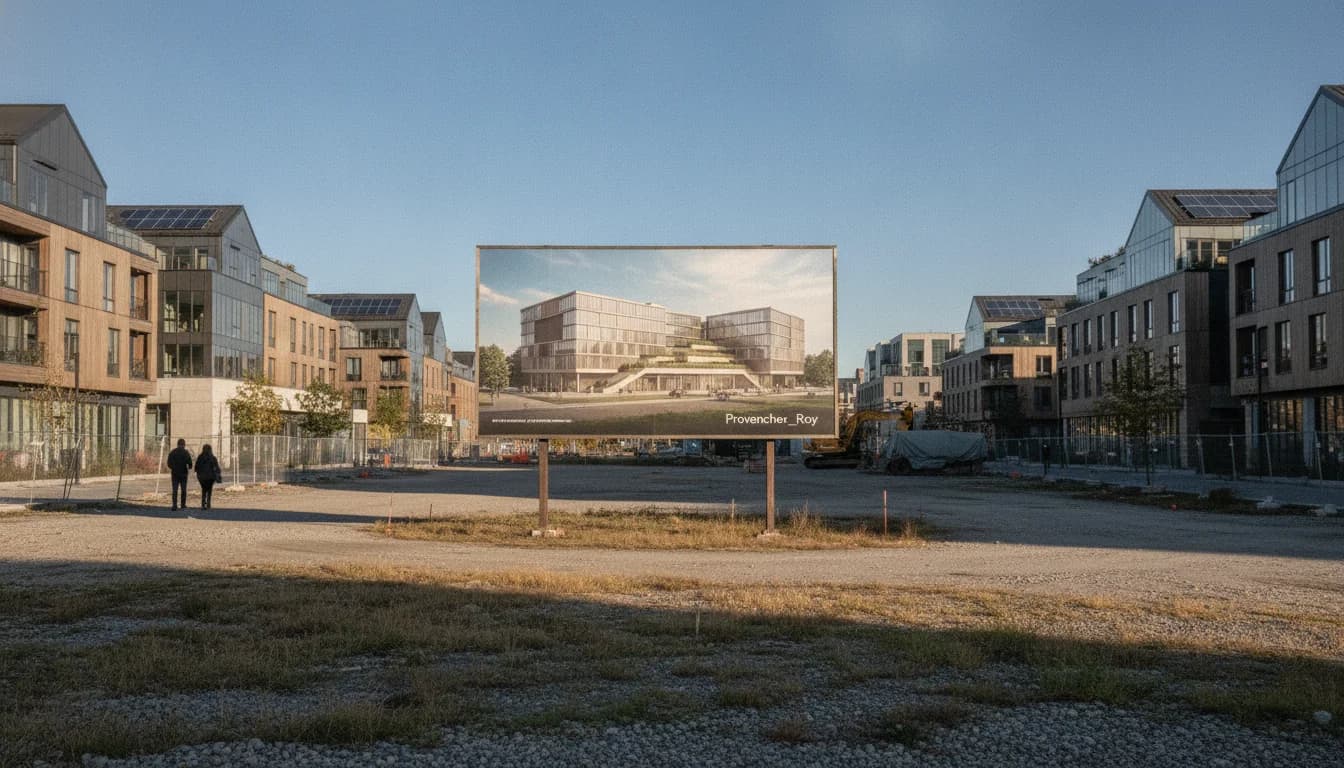
A major cultural development hit Montréal’s East End on July 6, 2026, when a government-led announcement confirmed the Maison Théâtre relocation project to a new home in Technopôle Angus. The news positions the historic children’s theatre for a multi-year rebuild designed to boost accessibility, expand artistic capacity, and energize the Rosemont–La Petite-Patrie district. Readers in Montréal and across Québec will be watching closely as the project moves from planning to construction and, eventually, to a reopening that aims to extend the theatre’s community reach for decades to come. On July 6, 2026, the Governments of Quebec and Canada, along with the City of Montreal, announced that Maison Théâtre relocation project will secure $43.5 million in funding toward a total cost of about $45.5 million. This central figure anchors the story, with the funding split among provincial, federal, and municipal partners, and it comes at a moment when Montreal is actively pursuing cultural infrastructure investments to sustain youth-oriented programming. (canada.ca)
The announcement underscores a broader policy objective: to revitalize Montréal’s East End through culture-led development. By moving to Angus, the organization aims to attract new audiences, stimulate local businesses, and provide a modern, accessible venue tailored to contemporary youth theatre. This strategic relocation is framed as a catalyst for neighborhood vitality, with the city linking the cultural project to broader infrastructure and transportation improvements that positions the area for growth. The move also aligns with a wave of cultural projects in the region that emphasize sustainability, carbon neutrality, and inclusive design as central pillars of public investment. The cost, the design ambitions, and the anticipated opening timeline collectively signal a long-term bet on the role of theatre as a driver of urban renewal. (canada.ca)
In corroborating coverage, architectural firm Provencher_Roy announced the project’s budgeting and schedule, noting an investment exceeding $45 million and a construction timeline that envisions a winter 2027 kickoff with a fall 2028 opening. The Angus community partners describe Maison Théâtre as a cornerstone in the Technopôle Angus mix, designed to nurture creative exchange among artists, youth audiences, schools, and local residents. The collaboration among government entities, the City of Montreal, and a renowned architectural practice reflects a coordinated approach to cultural infrastructure—a model some other cities look to when funding multi-year theatre relocations and expansions. The project’s location in Angus, in particular, is framed as a strategic choice that situates the theatre within a growing eco-district and within walking distance of multiple family-oriented amenities. (provencherroy.ca)
Readers seeking a concise snapshot may look to the latest primary statements. For example, the government release highlights the new building’s two performance halls, a carbon-neutral design, universal accessibility, and spaces that support emerging artists, Indigenous and ethnocultural communities, and audience engagement initiatives. The City of Montreal and provincial partners emphasize the relocation’s contribution to local economic activity—restaurants, service sectors, and cultural production ecosystems—within the Angus area. The rapid sequencing of events from funding approval to construction planning demonstrates how technical and policy considerations intersect with cultural objectives to deliver a long-term asset for Montreal’s youth, families, and the broader arts community. (canada.ca)
What Happened
Announcement Details
-
On July 6, 2026, a joint government news release confirmed the Maison Théâtre relocation to the Angus district, with a total project cost estimated at about $45.5 million and government funding of $43.5 million. The funding package comprises $25 million from the Government of Quebec, $15 million from the Government of Canada (Housing, Infrastructure and Communities Canada), $2.5 million from CED, and $1 million from the City of Montréal. The release also highlighted the project’s dual aims: ensuring continuity of the theatre’s mission after the landlord’s repossession of current premises and delivering a carbon-neutral, inclusive, two-hall facility designed to serve children, teens, and families. This information comes directly from the Canada Economic Development for Quebec Regions (CED) news release, with the official publication date and funding breakdown enumerated in the release. (canada.ca)
-
The announcement places Maison Théâtre in the Angus Technopôle eco-district of Rosemont–La Petite-Patrie, signaling a strategic move to integrate with a growing, mixed-use neighborhood that includes cultural, educational, and commercial activity. Government spokespeople framed the relocation as a catalyst for attracting new audiences and energizing the neighbourhood’s economy through cultural activity, hospitality, and service sectors tied to the arts. The release frames the relocation as a broader urban revitalization effort, positioning culture as a lever for neighborhood improvement and urban resilience. (canada.ca)
Timeline
-
Construction start is expected in winter 2027, with a planned opening in fall 2028, according to Provencher_Roy, the architecture firm commissioned to design the new Maison Théâtre. The firm’s announcement emphasizes the project’s two-performance-hall configuration and a carbon-neutral, community-focused program, underscoring a deliberate alignment with sustainable building practices and inclusive space planning. These design choices are intended to accommodate approximate audience levels that mirror the theatre’s current scale while expanding opportunities for residencies, exhibitions, and youth outreach. (provencherroy.ca)
-
The Angus development page from the Société de développement Angus (SDA Angus) also confirms the relocation to Technopôle Angus and highlights the site as a pivotal anchor for the district’s cultural and economic revitalization. The SDA page notes the project’s location, its alignment with Angus’ development goals, and the idea of a new, purpose-built home for Maison Théâtre within a broader ecosystem of cultural and social enterprises. This corroboration from a regional development partner reinforces the relocation’s significance beyond the theatre itself and into the district’s strategic growth plan. (sda-angus.com)
Funding and Partners
-
The government funding breakdown, as disclosed in the July 6, 2026 release, shows the following contributions: Government of Quebec – $25 million; Government of Canada – $15 million through Housing, Infrastructure and Communities Canada and an additional $2.5 million through Canada Economic Development for Quebec Regions (CED); City of Montréal – $1 million. The combined government support totals $43.5 million, aligning with the stated project cost of approximately $45.5 million. The precise allocation across agencies is spelled out in the release, which also notes the project’s alignment with carbon-neutral building standards and universal accessibility objectives. (canada.ca)
-
The Provencher_Roy update confirms the project’s cost exceeding $45 million and reinforces the funding’s high-level status as officially confirmed by the involved governments and the City of Montreal. The architecture firm’s release adds color to the design ambitions—two theatres, exhibition spaces, and gathering areas that foster artist-audience interaction—while reiterating the Angus location and the intention to open in 2028. Taken together, these sources present a consistent narrative: a well-funded, purpose-built facility designed for youth theatre, situated in a district undergoing intentional cultural and economic revitalization. (provencherroy.ca)
-
The Angus development page reinforces the project’s geographic focus in Technopôle Angus, highlighting the site’s role within the district’s broader ecosystem of social, educational, and cultural initiatives. The page confirms the collaboration among public partners and the private sector in delivering a new cultural home for Maison Théâtre, with the Angus site chosen to maximize accessibility and community engagement. This triangulation among multiple primary sources helps readers understand the multi-stakeholder dynamics behind the relocation. (sda-angus.com)
Why It Matters
Economic and Cultural Impact
-
The relocation is framed as a catalyst for economic vitality in Montréal’s East End. The government release explicitly links the project to the neighborhood’s commercial vibrancy, noting benefits for restaurants, events, and cultural production services connected to a revitalized arts economy. By anchoring the theatre in Angus, the city positions the district to attract families and youth-oriented audiences, which, in turn, supports local retail and service sectors. In a city where cultural infrastructure is often a pillar of urban renewal, the Maison Théâtre relocation offers a concrete example of how public funds can be deployed to create durable, locally rooted cultural assets. (canada.ca)
-
The project’s emphasis on accessibility and inclusion is another central dimension of its relevance. The new facility will be designed around universal accessibility and inclusion, making performances and related programming more welcoming to audiences with diverse needs. This emphasis aligns with broader municipal and provincial priorities to ensure that cultural activities are available to all residents, which can translate into higher attendance, broader audience demographics, and stronger community engagement over time. In a city with varied linguistic and cultural communities, the ability to host inclusive programming is widely seen as a key driver of long-term audience growth. (canada.ca)
Youth-Focused and Community-Oriented Benefits
-
Maison Théâtre has a long-standing role in Montreal’s cultural landscape as a launching pad for youth theatre and arts education. The move to Angus is framed as ensuring the theatre can continue its mission in spaces tailored to today’s needs, with dedicated areas for creation, rehearsal, and family programming. The project’s dual-theatre concept—one larger main space and a secondary, intimate venue—aims to accommodate a broader range of performances, workshops, and residencies, expanding opportunities for emerging artists and community groups. The design intent is to foster a living exchange between artists and young audiences, reinforcing the theatre’s educational mission in a modern context. (provencherroy.ca)
-
The Angus site’s positioning within a growing eco-district is not incidental. The Angus development narrative emphasizes a holistic approach to neighborhood renewal, combining housing, culture, and social enterprises in a compact, walkable environment. The Maison Théâtre relocation thus sits at the intersection of arts, education, and community well-being, with potential spillover benefits for schools, after-school activities, and family-oriented programming that can reach residents across income levels. Such proximity to other cultural and social assets can amplify a theatre’s role as a community hub, beyond its artistic programming alone. (sda-angus.com)
Architectural and Design Implications
-
From a design perspective, the relocation represents an opportunity to reimagine how a youth-focused theatre engages audiences and creators. The Provencher_Roy plan, with one main hall and a secondary 150-seat venue, supports flexible programming and intimate performances alongside larger productions. The carbon-neutral design ethos aligns with a broader public-sector push toward sustainable public buildings, which can also influence operating costs, ongoing maintenance, and the theatre’s long-term environmental footprint. For Montreal’s cultural institutions, the Maison Théâtre project could serve as a case study in blending architectural ambition with social equity and environmental stewardship. (provencherroy.ca)
-
The collaboration with a renowned architectural firm adds credibility to the project’s vision and helps position the new Maison Théâtre as a signature cultural asset within the city’s planning narrative. By publicizing the building’s capacity, layout, and sustainability goals, the project managers aim to set expectations for an audience experience that complements the theatre’s mission and educational outreach. The architectural program is designed to support residencies, community workshops, and long-term partnerships with schools and cultural organizations—measures that can extend the theatre’s influence beyond performance nights. (provencherroy.ca)
What’s Next
Construction Timeline and Milestones
-
Winter 2027 marks the anticipated start of construction on the new Maison Théâtre building in Technopôle Angus. The fall 2028 target opening sets a clear, multi-year timeline that requires coordination among multiple government bodies, the City of Montreal, the design team, and construction partners. Readers should monitor municipal planning calendars, procurement notices, and local outreach initiatives as milestones approaching construction and opening are announced. The Provencher_Roy update provides the authoritative schedule for the construction phase and the projected completion date, which is essential for actors, schools, and community groups planning programming for 2027–2029. (provencherroy.ca)
-
In parallel, the City of Montreal’s urban development and cultural policy frameworks will shape how the Angus project integrates with other district initiatives. Montréal’s cultural development policies for 2025–2030 include provisions that support youth-oriented venues and community access to the arts. As the Maison Théâtre project progresses, expect updates on how outreach programs will be scaled, how partnerships with local schools will be formalized, and how fundraising campaigns will engage residents and businesses in Angus and surrounding neighbourhoods. These policy directions help readers understand the formal context in which the relocation is unfolding. (ville.montreal.qc.ca)
Next Steps and Public Engagement
-
The government release notes that a major fundraising campaign will be launched to support the relocation project. Community engagement and donor outreach will likely be critical to bridging the gap between the public funding commitments and any remaining funding needs, as well as to ensuring broad-based support for the project’s long-term operations. Observers should look for details about the fundraising strategy, naming opportunities, and community programs tied to the new Maison Théâtre. The combination of public funds and private or nonprofit support typically shapes a project’s post-construction financial sustainability and programming mix. (canada.ca)
-
On the design and program side, readers can anticipate updates on the technical specifications for the two theatre spaces, including acoustic design, accessibility features, loading and backstage facilities, and backstage supports for youth programming. The architectural plan published by Provencher_Roy highlights the dual space concept, and subsequent communications are likely to fill in operational details such as seating configurations, ticketing approaches for family shows, and integration with school-based education initiatives. (provencherroy.ca)
Closing
The Maison Théâtre relocation Montreal story represents more than a venue move; it’s a strategic investment in Montreal’s youth, cultural accessibility, and neighborhood vitality. By situating a purpose-built, carbon-neutral home within Technopôle Angus, public partners are signaling a commitment to long-term cultural infrastructure that supports contemporary youth theatre, expands opportunities for emerging artists, and anchors a growing district’s social and economic ecosystem. The timeline—construction beginning in 2027 with a 2028 opening—puts a concrete cadence on what has been several years of planning and advocacy, turning a long-running relocation plan into a tangible civic asset. As the project progresses, readers can expect further releases detailing funding campaigns, design refinements, and community-led programming that will define the Maison Théâtre’s next chapter.
To stay updated, monitor official releases from the Government of Quebec, the Government of Canada, and the City of Montréal, as well as updates from Provencher_Roy and the Société de développement Angus. These sources collectively map a path from announcement to construction and, eventually, a new home where generations of young audiences will discover and shape the performing arts. The Maison Théâtre relocation Montreal project, anchored in a public–private partnership and designed for inclusivity, stands as a focal point for how Montréal intends to invest in culture as a catalyst for inclusive urban growth.
— This coverage reflects a data-driven, neutral perspective aimed at readers of Montréal Times who value timely, verifiable information. As the project advances, future reporting will add milestones, attendance projections, and community impact metrics to enrich the ongoing narrative of Montreal’s cultural infrastructure and urban transformation.
Canada.ca release on Maison Théâtre relocation funding · Provencher_Roy project update · Société de développement Angus – Maison Théâtre