Montréal Elects Soraya Martinez Ferrada as Mayor

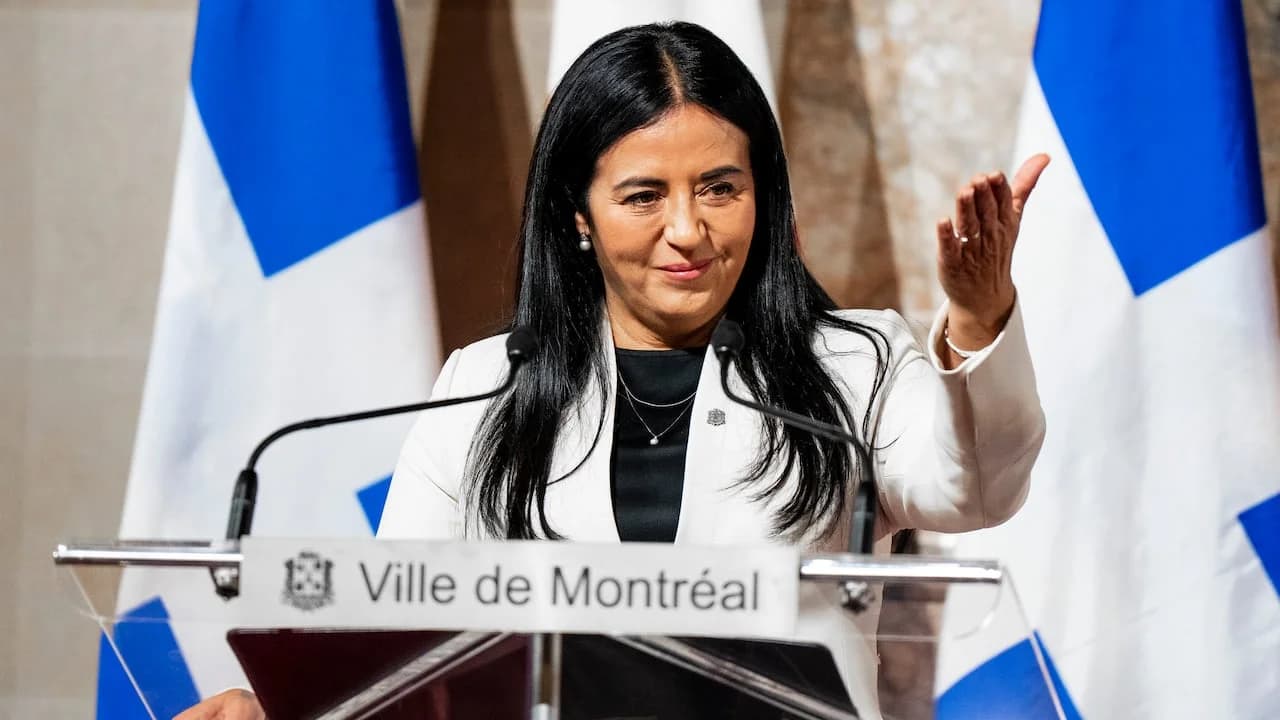
In a watershed moment for Montreal politics, Montréal Elects Soraya Martinez Ferrada as Mayor marks a historic turn for Quebec’s largest city. This report from Montral Times—Independent journalism covering Montral, Québec, and Canada—delves into the election night dynamics, the trajectory of the new mayor, and the potential implications for Montreal’s governance, economy, culture, and its role on the national stage. As readers of Montral Times know, this publication aims to provide in-depth reporting on local news, politics, culture, and Canadian affairs, with rigorous sourcing and balanced analysis. The election of Soraya Martinez Ferrada signals not just a change in leadership but a rethinking of how Montreal approaches housing, mobility, public finances, and inclusive growth for a rapidly evolving metropolis. (montreal.citynews.ca)
Soraya Martinez Ferrada: From refugee to Montreal’s mayor
Soraya Martinez Ferrada’s journey reads like a modern political récit: a Chilean-born refugee who navigated a path through municipal and federal politics before becoming Montreal’s 47th mayor. Her rise reflects a broader trend in Canadian politics toward leaders with diverse backgrounds and international experiences who bring a pragmatic, results-oriented approach to complex urban challenges. In the weeks following the election, Montreal’s political landscape began to shift as Martinez Ferrada positioned herself as a candidate promising renewal after years of a single-party rhythm at City Hall. The narrative of her ascent—emphasizing resilience, public service, and a focus on practical solutions—was widely covered by national and international outlets. (en.wikipedia.org)
Key biographical contours that informed the campaign and the post-election discourse include her prior roles, including service at the federal level and leadership of Ensemble Montréal, alongside a record of municipal engagement that supporters framed as a bridge between communities and the city’s administrative machinery. While biographical details remain part of ongoing coverage, the headline reality is clear: Montreal elected a leader who frames governance around inclusivity, practical policy, and a focus on the city’s most pressing issues. (en.wikipedia.org)
Election results and timeline: how the victory unfolded
The November 2, 2025 municipal election delivered a clear mandate for Soraya Martinez Ferrada, with Ensemble Montréal securing the plurality and Martinez Ferrada emerging as the next mayor. Reports from CityNews and other outlets captured the victory moment, highlighting the scale of support, her percentage of the vote, and the broader political realignment underway in Montreal’s municipal scene. The formal swearing-in followed on November 13, 2025, marking the transition from campaign rhetoric to the responsibilities of the mayoralty. This sequence—victory on November 2 and oath of office on November 13—frames the early days of a four-year mandate. (montreal.citynews.ca)

For readers tracking the numbers, the election garnered Martinez Ferrada a substantial share of the vote, signaling support for a candidate branding renewal and a plan to address housing, downtown vitality, and fiscal sustainability. These broader trends were documented in contemporaneous reporting and summarized in later overviews. The results also signaled a potential generational and demographic shift in Montreal’s leadership, aligning with Montreal’s long-running conversation about inclusion and city-building. (montreal.citynews.ca)
Inauguration and early mandate: what the city is listening for
The swearing-in ceremony on November 13, 2025, positioned Martinez Ferrada as Montreal’s 47th mayor. In her remarks, she emphasized leadership for all Montrealers and the idea that the city belongs to its diverse communities, not to a single party. This moment, captured by local journalists and national outlets, underscored a mandate that aims to balance ambition with accessibility, accountability, and a clear focus on the most immediate urban challenges facing Montreal. The oath ceremony also highlighted the symbolic significance of a diverse leadership entering City Hall, a moment many observers described as a potential inflection point for how Montreal conceives of itself on the provincial and national stage. (montreal.citynews.ca)
As with any transition, observers anticipate a period of policy translation—from campaign promises to city-wide implementation. The early days of Mayor Martinez Ferrada’s tenure will likely involve staffing decisions, intergovernmental coordination with Quebec and Ottawa, and the setting of a public agenda that translates her stated priorities into concrete programs. The public’s expectations, especially around housing affordability, homelessness, transit modernization, and the ecological transition, will be tested in the months ahead. (montreal.citynews.ca)
Policy priorities and the new urban agenda
Campaigns in Montreal often hinge on a handful of high-stakes issues: housing supply and affordability, homelessness, urban mobility, the downtown’s vitality, public safety, and climate action. Martinez Ferrada’s campaign and subsequent statements highlighted several priorities that are likely to shape her tenure:

- Homelessness and affordable housing: A central concern in Montreal’s policy discourse, with persistent demand for durable solutions that pair shelter with pathways to stable housing, employment, and supportive services. The post-election coverage highlighted homelessness as a top priority of the new administration, signaling a concerted city-wide effort to address this complex social challenge. (montreal.citynews.ca)
- Downtown vitality and public realm: Montreal’s core has long faced pressures from growth, congestion, and nightlife dynamics. A mayor focused on revitalizing the downtown while preserving livability and safety signals a nuanced approach to density, mobility, and public space.
- Ecological transition and climate resilience: The city’s climate agenda—ranging from transit electrification to building efficiency and urban greening—appears central to the new administration’s frame for sustainable growth.
- Public finances and governance: Ensuring responsible fiscal management while delivering on ambitious public projects is a recurring theme in Montreal’s political discourse. Martinez Ferrada’s leadership will be judged on how effectively she translates budgetary discipline into tangible improvements for residents and business communities.
These priorities find resonance in analyses of her leadership trajectory and in international assessments of Montreal’s urban governance. As Montreal embarks on this new phase, observers will watch how these priorities translate into 100-day actions, mid-term milestones, and the city’s longer arc. (montreal.citynews.ca)
Quotations from supporters and critics alike help illuminate the debate surrounding policy direction. For example, Martinez Ferrada’s victory speech framed leadership as an inclusive project: “Montreal doesn’t belong to a party; it belongs to all Montrealers,” a sentiment echoed by many who view the mayoralty as a bridge-builder across communities and neighborhoods. This spirit of inclusive governance is likely to shape how the administration engages with boroughs, immigrant communities, youth groups, and business associations. (montreal.citynews.ca)
Table: Key policy themes in the early phase
| Policy area | Early signals | Possible approaches | Stakeholder considerations |
|---|---|---|---|
| Housing and homelessness | Top priority cited by the new administration | Coordinated housing supply programs, supportive housing, homelessness outreach | Land use policy, provincial collaboration, social services |
| Downtown vitality | Emphasis on urban life, safety, and accessibility | Revitalization programs, pedestrian-friendly design, public spaces | Businesses, residents, cultural institutions |
| Ecological transition | Climate action framing | Transit upgrades, building retrofits, urban greening | Utilities, developers, environmental groups |
| Public finances | Fiscal responsibility with ambitious goals | Transparent budgeting, performance metrics, debt management | Taxpayers, unions, fiscal watchdogs |
Note: This table reflects themes reported in public coverage. Specific programs will be clarified in the city’s budget books and policy briefs as the administration unfolds. (montreal.citynews.ca)
Economic and urban implications: what this change could mean
Montreal’s economy is a mosaic of tech, education, services, manufacturing, and culture. A new mayor with a pragmatic, inclusive stance may influence several levers of economic policy, including investment in sustainable infrastructure, housing policy that influences workforce stability, and a climate-friendly agenda that can affect business attraction and retention. Observers from Montral Times and other outlets will monitor how the Martinez Ferrada administration navigates:
- Investment in infrastructure: A city these size and with Montreal’s growth trajectory relies on coordinated funding for transit, roads, and resilient public spaces. The new mayor’s priorities may shape capital plans and procurement policies, with implications for construction firms, urban planners, and local suppliers.
- Housing markets and labor mobility: Montreal’s housing affordability and vacancy rates influence labor market dynamics, especially for tech and cultural sectors. The administration’s approach to housing supply, zoning, and incentives for development will be critical for attracting and retaining talent.
- Fiscal sustainability: Balancing ambitious programs with budget discipline remains a central challenge for any large city. Transparent reporting and outcome-based budgeting will be essential to maintain public trust and fund essential services.
While precise policy choices will become clearer as budgets are released, the initial signal from Martinez Ferrada’s victory is a pivot toward renewal that seeks to reconcile rapid urban growth with equity and resilience. These themes are being watched not only by Montreal residents but by provincial and national observers who view Montreal as a bellwether for how Canadian cities manage growth, diversity, and climate commitments. (montreal.citynews.ca)
Urban mobility and infrastructure: reimaging transit for a dense metropolis
Montreal’s transportation network is both a lifeline and a daily friction point for residents. The new administration’s focus on mobility—particularly in the context of a growing downtown and expanding neighborhoods—likely includes:

- Transit modernization: Upgrades to bus and metro networks, improved service reliability, and investments in the REM-style corridors where feasible, balanced against fiscal realities.
- Pedestrian and cycling priorities: Montreal has long embraced a bike-friendly ethos, but ongoing street works and construction require adaptive planning to minimize disruption while maximizing safety and accessibility.
- Traffic management and urban design: Prioritizing street design that calms traffic, improves public space, and supports local commerce, especially in mixed-use districts.
Early signals suggest a holistic approach to mobility—one that recognizes transit as an essential public good and a lever for inclusive economic activity. Observers will be looking for concrete transit plans, cost estimates, and timelines in the administration’s first budget and policy documents. (montreal.citynews.ca)
Civic identity and representation: Montreal’s inclusive turn
Martinez Ferrada’s election is being framed by many as a milestone in Montreal’s ongoing evolution toward greater diversity in political leadership. Articles from international media emphasize that her victory marks a moment of representation for immigrant communities and minority groups within the city’s governance. The narrative of a leader who embodies Montreal’s multicultural fabric resonates with residents who seek a city that reflects its international character while maintaining a strong, local focus on everyday concerns. This dimension matters not only for social cohesion but also for Montreal’s image abroad as a world-class metropolis that embraces pluralism. (lemonde.fr)
Canada-wide and global perspectives: what Montreal’s shift signals
Montreal’s political shift occurs within the broader context of Canadian federal-provincial dynamics and global urban governance trends. Analysts note that Montreal’s leadership transition could influence provincial politics in Quebec and shape collaborations with Ottawa on issues like housing, immigration, infrastructure funding, and climate action. The leadership style and policy priorities of Martinez Ferrada—described by some as a “pragmatic progressive”—may offer lessons for other large cities facing similar challenges around housing affordability, social services, and sustainable growth. While Montreal’s specific policy choices will vary with local context, the city’s direction often carries weight beyond its borders, given its size, economic influence, and cultural leadership within Canada. (en.wikipedia.org)
Case studies: lessons from peers and precedents
To understand Montreal’s potential trajectory under a Martinez Ferrada administration, it helps to consider parallel experiences in other cities that elected diverse or immigrant-background leaders and the policy paths they pursued:
- Policy pragmatism in urban governance: Cities that balance ambitious climate and housing agendas with fiscal discipline often achieve more durable outcomes. The Montreal context adds a unique layer given its bilingual, multicultural landscape and its position within Quebec’s broader political climate.
- Immigrant leadership and social cohesion: When cities elect leaders with diverse backgrounds, the early focus often centers on inclusive policymaking, outreach to minority communities, and ensuring that urban planning reflects a wide range of lived experiences.
- Infrastructure and growth management: Across North American cities, the challenge remains to modernize infrastructure without displacing residents or overburdening budgets. Montreal’s approach will likely emphasize a combination of public investment, private participation, and careful governance to align growth with social equity.
These themes provide a framework for analyzing Martinez Ferrada’s early moves and for Montral Times to interpret ongoing developments with a critical, in-depth lens. (lemonde.fr)
Quotes to illuminate the moment
“Montreal doesn’t belong to a party; it belongs to all Montrealers,” Martinez Ferrada stated in her victory remarks, underscoring a centrist, unifying message aimed at broad-based support across boroughs and communities. The sentiment speaks to an administration seeking legitimacy not only from a political base but from a diverse citizenry craving inclusive governance. Critics and supporters alike have referenced this stance as a potential guidepost for how the mayor will engage with stakeholders ranging from business associations to neighborhood councils. (montreal.citynews.ca)
“Once elected, Montreal doesn’t belong to a party, it belongs to us all, and I will be the mayor of all Montrealers – all boroughs, all communities, and of all generations.” — Soraya Martinez Ferrada, victory remarks. (montreal.citynews.ca)
These quotes provide a cultural tonal anchor for how Montral Times will frame Martinez Ferrada’s leadership and the city’s path forward, especially as the administration translates rhetoric into policy and programs. The balance between ambition and practicality will determine the pace and impact of reforms in housing, mobility, and public services. (montreal.citynews.ca)
What Montral Times readers should watch: a practical checklist
- Budget transparency and equity: The public will expect a transparent budget that clearly links spending to measurable outcomes in housing, transit, and public safety.
- Borough-level engagement: How will the administration ensure that boroughs, which in Montreal hold significant local autonomy, are meaningfully consulted and empowered within city-wide initiatives?
- Housing policy delivery: Not just plans, but on-the-ground housing production, inclusionary zoning discussions, and homelessness outreach partnerships.
- Transit reliability and expansion: Concrete milestones for service improvements, maintenance schedules, and long-term expansion plans across metro lines and bus networks.
- Climate action delivery: Timelines for emission reductions, building retrofits, and resilience measures in neighborhoods exposed to climate risk.
- Economic development and culture: Support for cultural sectors, tech clusters, and small business ecosystems that define Montreal’s unique economic profile.
As Montral Times continues to cover this story, readers can expect ongoing, data-informed reporting that traces policy development from goals to results. This coverage will strive to illuminate not just what is announced, but what is implemented, and at what cost. (montreal.citynews.ca)
Rich content: FAQs for curious readers
Q1: Who is Soraya Martinez Ferrada, and what is her background before becoming mayor? A1: Martinez Ferrada is a Chilean-Québécoise politician who has held roles in both federal and municipal politics and led Ensemble Montréal. Her career includes time as a federal MP and other leadership positions that positioned her to pivot back toward municipal leadership. For broader biographical context, see coverage of her career trajectory and leadership roles. (en.wikipedia.org)
Q2: When did Montreal elect Soraya Martinez Ferrada as mayor, and when was she sworn in? A2: The election occurred on November 2, 2025, with the swearing-in taking place on November 13, 2025. This timeline is established by contemporaneous coverage and official records reported by CityNews and other outlets. (montreal.citynews.ca)
Q3: What are the immediate policy priorities for the Martinez Ferrada administration? A3: Early reporting emphasizes homelessness, housing affordability, downtown vitality, climate action, and sound public finances. While specifics will emerge in budget documents, these themes have been identified as central to her agenda. (montreal.citynews.ca)
Q4: How might Montreal’s leadership affect Canada-wide urban policy discussions? A4: Montreal’s leadership—especially with a diverse background at the helm—can influence national conversations about immigration, urban renewal, housing, and climate initiatives, serving as a potential model for other large Canadian cities. (lemonde.fr)
Q5: Where can readers find ongoing coverage of Montreal’s political development? A5: Montral Times will continue to provide in-depth reporting on local news, politics, culture, and Canadian affairs, with a focus on how Martinez Ferrada’s administration translates promises into policy and practice. (montreal.citynews.ca)
A comparative lens: how Montreal’s moment fits into global urban leadership trends
Montreal’s transition to a diverse, reform-minded mayor aligns with a broader international pattern where cities elect leaders who combine pragmatic governance with inclusive values. Across the world, metropolitan centers have increasingly prioritized housing affordability, sustainable mobility, and social cohesion as central to long-term competitiveness. Montreal’s current narrative—accentuated by Martinez Ferrada’s background and leadership style—adds to the dialogue about how cities can balance growth with equity. Observers will watch for how Montreal’s approach compares with peers that are tackling similar urban challenges, offering potential lessons for policymakers and citizens beyond Quebec. (lemonde.fr)
The role of independent journalism: Montral Times' vocation in reporting this transition
Montral Times—dedicated to independent journalism covering Montreal, Quebec, and Canada—strives to deliver nuanced, data-informed analyses of local politics and culture. In the wake of a mayoral transition, the publication’s role is to contextualize policy announcements, highlight the lived experiences of residents, and investigate the implementation of promised reforms. The article’s aim is to present a balanced view: acknowledging the symbolic importance of a historic election while scrutinizing the practical steps necessary to achieve stated goals. This approach mirrors the publication’s broader mission to provide in-depth reporting on local news, politics, culture, and Canadian affairs. (montreal.citynews.ca)
A structured view: quick reference for researchers and readers
- Election and timeline: November 2, 2025 — Soraya Martinez Ferrada elected mayor; November 13, 2025 — sworn in as mayor. (montreal.citynews.ca)
- Background: Chilean-Québécoise leader with prior roles in federal politics and Ensemble Montréal leadership. (en.wikipedia.org)
- Key policy signals: homelessness and housing, downtown vitality, ecological transition, and fiscal accountability. (montreal.citynews.ca)
- Observed reception: coverage highlighting the city’s diverse leadership and the potential for new directions in municipal governance. (lemonde.fr)
Rich, connective narrative: weaving culture, policy, and public life
Montreal, as a city renowned for its bilingual vitality, cultural dynamism, and entrepreneurial energy, stands at a crossroads as Martinez Ferrada begins her term. The election’s significance goes beyond a single office: it signals a reimagining of how Montreal meets the demands of a growing, aging, and increasingly diverse urban fabric. The new mayor’s stated intent to serve “all Montrealers” resonates with a citizenry that includes long-standing residents, recent immigrants, students, business owners, and artists who contribute to the city’s global reputation. In that sense, the political moment intersects with Montreal’s cultural life—music, cinema, arts districts, and a tradition of civic activism—that makes the city a magnet for talent from across Canada and around the world. This intersection is a hallmark of Montreal’s modern identity and a dynamic that Montral Times closely tracks in its coverage. (montreal.citynews.ca)
A forward-looking view: what success could look like
If Martinez Ferrada’s administration translates intent into results, Montreal could see measurable progress in several domains:
- Housing supply and homelessness: A credible expansion of affordable housing units paired with robust homelessness outreach and wraparound services.
- Downtown vitality: Reinvigorated public spaces, improved safety, and stronger stakeholder collaboration to sustain a vibrant business and cultural core.
- Climate action: Accelerated transit electrification, energy-efficient buildings, and resilient urban planning that reduces emissions while improving quality of life.
- Fiscal stewardship: Transparent budgeting with clear performance metrics, ensuring that ambitious projects deliver tangible benefits without compromising financial health.
The success metrics for these areas will emerge through budget documents, performance dashboards, and public reporting in the months and years ahead. Montral Times will parse these developments, offering readers clear explanations of what changed, why it matters, and how residents can participate in the city’s evolving governance. (montreal.citynews.ca)
Conclusion: embracing a new era in Montreal’s governance
The moment Montreal elects Soraya Martinez Ferrada as mayor marks a turning point for the city. It signals not only a change in leadership but a reimagining of how Montreal can blend growth with inclusion, innovation with equity, and tradition with renewal. For Montral Times—proudly presenting independent journalism about Montreal, Quebec, and Canada—this transition invites a period of rigorous scrutiny, vivid storytelling, and thoughtful analysis about how policy choices translate into daily life for Montrealers. As the administration rolls out its initial policy packages and budget directives, readers will be watching closely to see whether the stated commitment to inclusive progress can be realized in a manner that respects Montreal’s diverse neighborhoods, fosters economic opportunity, and sustains the city’s celebrated cultural vitality. (montreal.citynews.ca)