Montréal, Métropole Culturelle Relaunch 2026

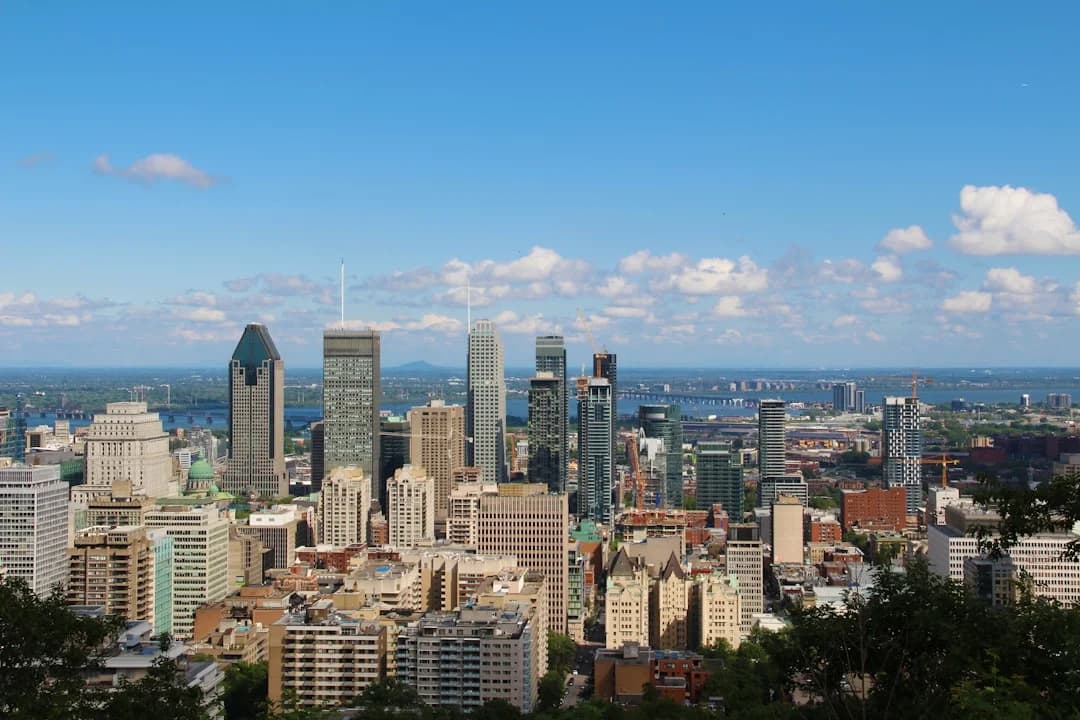
Photo by Michael Beener on Unsplash
Montréal, métropole culturelle is back in the spotlight. In February 2026, the City of Montréal relaunched the cross-jurisdictional initiative aimed at positioning Montréal as a francophone cultural metropolis of international calibre. This renewed effort mobilizes municipal leadership alongside provincial and federal governments, the Chamber of Commerce of Montréal métropolitain, Culture Montréal, Tourisme Montréal and the Conseil des arts de Montréal, creating a formal framework for coordinated cultural investment, policy-making and market development. The announcement came as part of a broader push to align culture, technology and commerce in a way that can sustain both creative output and economic resilience in a rapidly evolving urban economy. The relaunch signals a deliberate attempt to reset Montréal’s cultural ambitions in a context where digital platforms, data-driven tourism, and AI-enabled creative industries are reshaping how culture monetizes, travels and influences global attention. The city’s leadership described the move as a catalyst for more transparent governance, more robust funding pathways, and a more visible international profile for Montréal as a cultural hub. (concordia.ca)
Early reactions from cultural partners suggest a shared expectation that the refreshed alliance will accelerate concrete projects while reinforcing Montréal’s status as a cultural and technological crossroads. The initiative’s stated objective—positioning Montréal as a grande métropole culturelle with international reach—has deep roots in municipal planning and regional policy, and it aligns with ongoing cultural vitality efforts across neighborhoods and institutions. The relaunch also dovetails with a broader metropolitan development framework that treats culture as a strategic asset for social cohesion, urban vitality and global competitiveness. In practical terms, observers are watching for how the constellation of actors will translate high-level commitments into on-the-ground outcomes—from public art and performance to digital experiences, R&D partnerships, and talent pipelines. (montreal.ca)
Section 1: What Happened
The Relaunch and Leadership
The February 2026 relaunch of Montréal, métropole culturelle marks a formal recommitment to a multi-party collaboration that has been described as a “city-wide, cross-government, cross-sector alliance” for cultural vitality and economic growth. The new phase places the mayor’s office at the helm of a structured governance model that brings together municipal authorities, provincial and federal policymakers, and leading business and cultural organizations. The Concordia University News piece from May 2026 notes that the Quartier demeurre has become the most visible manifestation of the initiative to date, underscoring the renewed investment in flagship projects that anchor Montréal’s cultural economy. The mayor, Soraya Martinez Ferrada, has positioned the relaunch as a strategic lever to accelerate investments in culture, while also reinforcing Montréal’s appeal as a destination for creative talent and visitors. In practice, the February 2026 relaunch compressed years of planning into an accelerated schedule of announcements, partnerships and pilot programs designed to demonstrate early returns on investment. (concordia.ca)
The leadership and the timeline are both notable in the context of Montréal’s longer arc toward cultural leadership. The project’s origins date back to 2007, when the framework first set out a plan to bolster Montréal’s profile as a cultural metropolis. The current relaunch reaffirms that long view, while reconfiguring governance to reflect contemporary pressures and opportunities, including digital transformation and the evolving role of cultural experiences in urban competitiveness. The renewed emphasis on a shared jurisdiction among city hall, government ministries, business chambers and cultural institutions is designed to deliver faster decision-making, clearer accountability and more consistent messaging to national and international audiences. In this sense, the relaunch is both a symbolic reset and a practical programmatic pivot. (concordia.ca)
The Partners and Governance
A defining feature of the Montréal, métropole culturelle effort is its coalition-building approach. The City of Montréal’s official materials highlight that the initiative “brings together the city, the Québec and Canadian governments, the Chamber of Commerce of Metropolitan Montréal, Culture Montréal, Tourisme Montréal, and the Conseil des arts de Montréal.” This multi-stakeholder composition is intended to harmonize public-sector funding, strategic communications, and cultural programming with the needs of a modern, tech-enabled economy. By design, the governance model seeks to harmonize budget cycles, policy priorities and investment planning to maximize the cultural sector’s cross-cutting impact—on tourism, urban development, education and startup ecosystems. The alignment with major partners also signals an intent to leverage Montréal’s cultural assets to attract international investment and talent. (montreal.ca)
The collaboration isn’t limited to cultural policy alone. It sits within a broader metropolitan development framework that includes planning documents and public initiatives aimed at sustaining a vibrant cultural ecosystem while supporting related sectors such as tourism, hospitality, and technology. The Plan métropolitain de développement en culture et patrimoine (PMDCP) 2023–2033 from the Communauté métropolitaine de Montréal (CMM) provides the policy backbone for such coordination, emphasizing the protection and development of cultural and heritage assets across the metropolis as a core objective. This policy context helps explain why the relaunch is framed as a long-term strategic initiative with measurable milestones. (cmm.qc.ca)
Historical Context and Timeline
To understand the current momentum, it helps to recall that Montréal, métropole culturelle originated as a mid-2000s initiative, with the most visible early outcomes including the transformation of cultural districts and the enhancement of the Quartier des spectacles. While the 2007–2017 era laid a foundation for coordinated cultural investment, the February 2026 relaunch represents a second wave—the result of renewed political priorities and a contemporary understanding of culture as a driver of urban competitiveness in an era of digital economies and global mobility. The Concordia article captures this sense of continuity and renewal by highlighting the campus connections and ongoing commitments that are shaping the project’s next phase. The renewed plan also aligns with ongoing advocacy by Culture Montréal and the Chambre de commerce du Montréal métropolitain (CCMM) to preserve, protect and grow Montréal’s cultural assets in a world of rapid technological change. (concordia.ca)
Key Facts and Immediate Facts on the Ground
What’s new in the February 2026 relaunch is not just the rhetoric but the operational emphasis on formalizing a cross-government and cross-sector platform for collaboration. In practical terms, this means:
- A unified governance table that includes municipal departments and partner organizations, designed to streamline approvals for major cultural initiatives and digital experiences that cross into tourism and education.
- A clearer pathway for cultural funding aligned with metropolitan development goals, making it easier for cultural actors to access resources for innovation projects that leverage technology to reach broader audiences.
- A renewed emphasis on flagship districts and experiences, with the Quartier des spectacles repeatedly cited as a prototype for how cultural districts can catalyze urban vitality and tech-enabled creative economies.
- An explicit intent to position Montréal as an international cultural metropolis with francophone leadership in the Americas, a positioning lens that shapes how programs are pitched to international audiences and potential investors. (montreal.ca)
Section 2: Why It Matters
Economic and Cultural Impact
From an economic standpoint, Montréal’s cultural sector has long been identified as a significant driver of creative jobs, tourism, and local entrepreneurship. The relaunch’s emphasis on coordinating policy and investment under the umbrella of Montréal, métropole culturelle suggests a strategic move to maximize the cultural sector’s spillovers into technology, marketing, and services. Public-interest organizations and business groups have consistently advocated for stronger alignment between culture and the regional economy, and the renewed framework is intended to facilitate such integration.
Recent data on the broader Montreal ecosystem highlight how cultural and technological sectors intersect in practice. Montréal International’s 2024 report, for example, shows that foreign investors mobilized substantial capital into the metropolitan economy in 2024, with AI, cleantech and life sciences among the key growth areas. In 2024, foreign investors supported by Montréal International injected 2.7 billion Canadian dollars into the region, underscoring the scale of opportunities where culture, tourism, and technology converge. While not a direct financial measure of the Montréal, métropole culturelle initiative itself, these numbers illustrate the market context in which the relaunch operates: a metropolitan innovation economy where cultural experiences can serve as a differentiator for investment, talent attraction and export of digital experiences. (montrealinternational.com)
For the cultural sector specifically, the relaunch signals a sustained commitment to building a vibrant cultural economy that is accessible and diversified. Culture Montréal has long championed vitality across neighborhoods as a strategic priority, and its ongoing work on neighborhood vitality is closely aligned with the metropolitan strategy. The emphasis on cultural districts and neighborhood-level vitality is particularly relevant for the tech-enabled experiences that increasingly define consumer expectations—immersive venues, digital storytelling, and data-informed community programming. This approach helps ensure that Montréal’s cultural economy remains inclusive and widely distributed rather than concentrated in a handful of flagship venues. (culturemontreal.ca)
From a market analysis perspective, the cross-government framework indicates a shift toward more predictable funding rhythms and better leverage of public investments for scaled impacts. The PMDCP 2023–2033 provides a concrete policy frame that supports cultural development while preserving patrimony and local identity, making it easier for public and private partners to coordinate large-scale initiatives that combine culture with innovation. Observers expect this to translate into more opportunities for cultural technology startups, digital platforms for arts participation, and data-driven tourism experiences that can help Montréal compete with other global cultural capitals. The policy context thus matters for both cultural producers and technology-enabled enterprises seeking to align with public-sector priorities. (cmm.qc.ca)
Technological Leverage and Digital Innovation
Montréal’s status as a hub for technology and AI is widely recognized, with a thriving startup ecosystem and a robust talent pool. Tourism Montréal’s coverage of the startup and innovation landscape notes that Montréal hosts a large, skilled workforce connected to technology and artificial intelligence, attributes that are highly relevant to a culture-driven economy. The city’s tech scene—supported by universities, incubators, and a dense network of startups—creates an environment where cultural experiences can be augmented by digital innovations: immersive exhibits, AR/VR-enabled performances, data-informed curation, and scalable online platforms that extend local culture to global audiences. Such capabilities are essential to realizing the vision of a Montréal, métropole culturelle that resonates beyond geographic borders. (meet.mtl.org)
The integration of culture with technology also aligns with research and policy agendas at the metropolitan level. The PMDCP emphasizes the protection and development of cultural assets through a planning lens that considers heritage, urban form and digital tools. In practice, this means potential initiatives such as digitization of cultural collections, online access to performances, and the use of data analytics to guide programming decisions and audience development. This data-driven approach is consistent with the broader trend toward evidence-based cultural policy and performance measurement, which helps ensure accountability, transparency and continuous improvement in the use of public funds. (cmm.qc.ca)
Vitality metrics across neighborhoods—tracked by Culture Montréal—provide a framework for evaluating the impact of policy investments on community engagement and cultural participation. The emphasis on neighborhood vitality supports a decentralized, inclusive strategy where technology-enabled cultural offerings reach a wider cross-section of residents, aligning with goals of social equity and broad-based economic participation. The data-driven emphasis also helps ensure that investments yield tangible improvements in access, participation and the economic multiplier effects associated with culture-rich urban spaces. (culturemontreal.ca)
Public-Private Collaboration and Policy Context
The Montréal, métropole culturelle initiative is as much about governance as about programming. The collaboration among city hall, provincial and federal governments, business organizations, and cultural institutions embodies a public-private partnership model designed to accelerate decision-making, align funding, and maximize the impact of cultural investments on the region’s competitiveness. The CCMM’s ongoing research and policy work on protecting and developing Montréal’s cultural assets reflect a sustained advocacy role for the business community: the idea is to ensure a strong external narrative for investment and a stable environment for cultural businesses to scale. The policy framework is not merely ceremonial; it is intended to guide resource allocation, spur collaboration across disciplines, and provide clear signals to investors and talent about Montréal’s cultural ambitions. (ccmm.ca)
Section 3: What’s Next
Upcoming Milestones
Looking ahead, observers are watching for concrete milestones that demonstrate the relaunch’s effectiveness. Key indicators likely to be reported in the coming months include the rollout of pilot projects in flagship districts, the establishment of joint funding mechanisms for digital cultural initiatives, and the publication of annual performance reports that track progress against the plan’s objectives. The PMDCP offers a roadmap for 2033, emphasizing ongoing collaboration and a pipeline of projects designed to protect cultural heritage while expanding innovative cultural offerings in the metropolitan area. As the partnership matures, expect a mix of capital projects, policy amendments and programmatic calls for proposals designed to test new forms of cultural delivery enabled by technology. (cmm.qc.ca)
Flagship projects that may receive renewed emphasis include district-level cultural regeneration initiatives, enhanced access to cultural programming through digital services, and the expansion of collaborations with academic institutions and industry players to translate research into market-ready cultural products. The Concordia University piece underscores the ongoing relevance of campus partnerships to the overall strategy, signaling an intentional cross-pollination between higher education, research, cultural institutions and private partners. As projects evolve, Montréal will likely emphasize measurable returns—audience growth, job creation in creative and tech fields, and increased visitor engagement—while maintaining a commitment to social inclusion and affordability. (concordia.ca)
What to Watch For
Readers should watch for signs that the relaunch is translating into tangible changes in how Montréal’s cultural and tech ecosystems interact. Potential signals include:
- Increased collaboration across municipal departments and partner organizations on data-driven cultural programming and venue management.
- New funding streams or co-investment mechanisms that support digital projects, immersive experiences and audience development in a geographically diverse set of neighborhoods.
- Public-facing campaigns and international outreach designed to elevate Montréal’s profile as a francophone cultural metropolis of global significance, while preserving the city’s unique local character.
- The continued emphasis on iconic districts, like the Quartier des spectacles, as proving grounds for how culture and technology can amplify each other to attract tourists, students and highly skilled workers. (montreal.ca)
The combination of a formal governance structure, a policy framework that respects heritage while encouraging innovation, and a robust local ecosystem in technology and culture positions Montréal for continued relevance in a global market where visitors increasingly seek immersive and meaningful cultural experiences. The ongoing collaboration among government bodies, business associations and cultural organizations is designed to produce not just more events but more effective, accessible and technologically sophisticated experiences that can scale beyond the local market. In this sense, the relaunch represents a coordinated bet on Montréal’s ability to translate cultural vitality into durable economic and social benefits. (cmm.qc.ca)
Closing
For readers of Montréal Times, the February 2026 relaunch of Montréal, métropole culturelle offers a clear signal: culture and technology are being treated as two sides of the same coin in a city poised to blend creative storytelling with data-driven decision-making. By aligning municipal leadership with provincial and federal governments, as well as business and cultural stakeholders, Montréal aims to create a body of policy, projects and partnerships that can sustain cultural growth while enhancing the city’s global competitiveness. As the new phase unfolds, observers—analysts, residents and visitors alike—will be watching how quickly policy translates into new experiences, how digital tools expand access to Montréal’s cultural wealth, and how the region’s ecosystem harnesses the momentum of this collaboration to attract talent, investment and international attention. The story of Montréal, métropole culturelle is not just about art and heritage; it is about how a city organizes knowledge, capital and creativity to shape a durable, inclusive, tech-enabled cultural economy.
Montreal Times will continue to monitor developments, report on milestones, and provide data-driven analysis of how this metropolitan cultural strategy influences technology trends, market dynamics and the lived experience of Montréal’s residents. As the initiative progresses, readers can expect updates on district projects, funding decisions, and partnerships that illustrate the evolving relationship between culture, technology and economic opportunity in Montréal, a city determined to lead as a global cultural metropolis with a distinctly local voice. (montreal.ca)