Montréal winter driving crackdown January 28, 2026

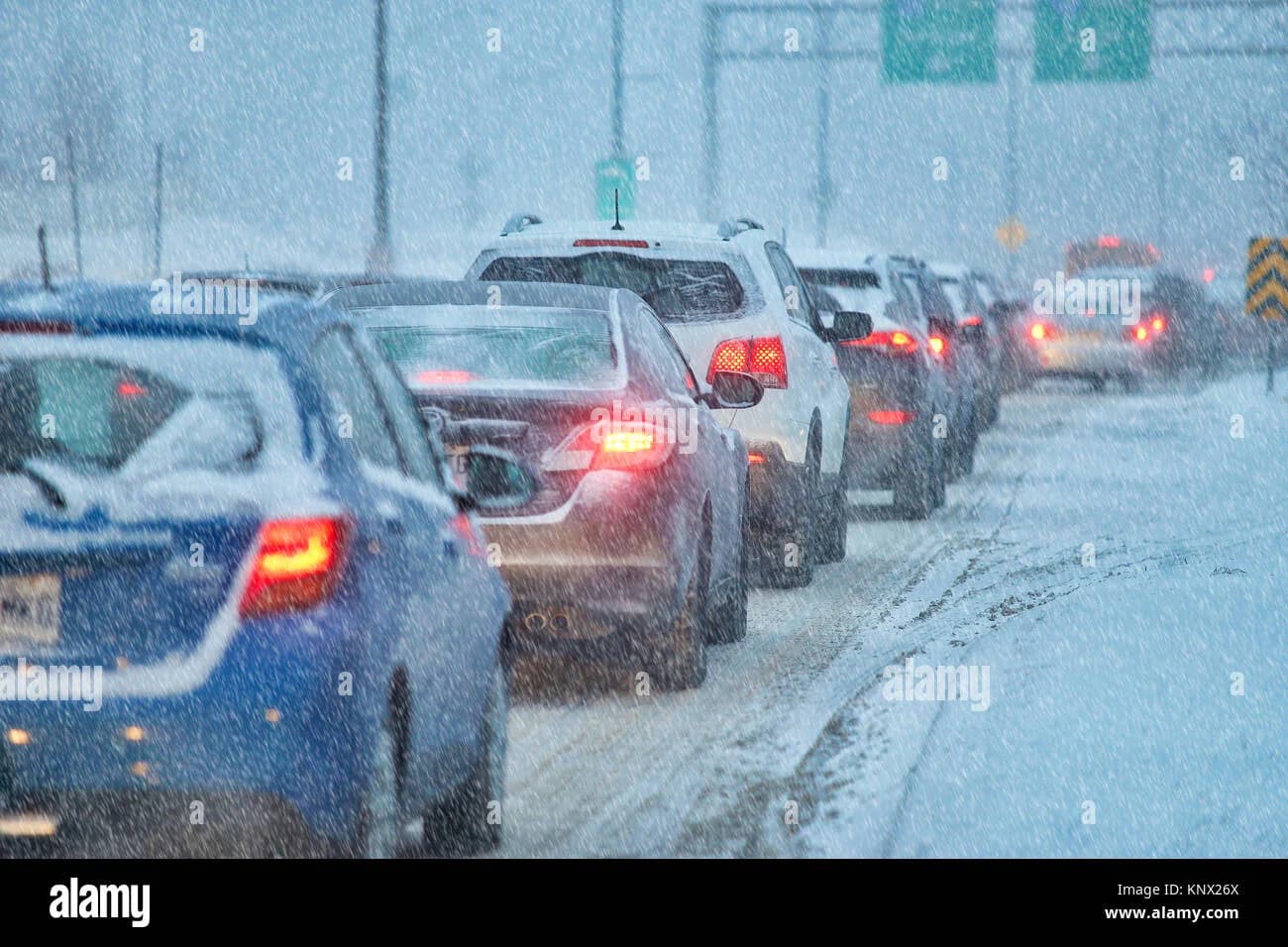
Montrealers woke up on January 28, 2026 to a carefully coordinated, province-wide effort aimed at tightening winter-driving compliance across the city and the surrounding region. The Montré al winter driving crackdown January 28, 2026 was framed by authorities as a data-driven emphasis on safety during the harshest driving season, with targeted enforcement focusing on winter tires, safe following distances, proper signaling, and vehicle readiness for winter conditions. The operation is being carried out by a coalition of provincial agencies and municipal police, reinforced by the Sûreté du Québec (SQ) and the Société de l’assurance automobile du Québec (SAAQ) as part of a broader winter road-safety strategy. The immediate aim is to reduce winter-related collisions and injuries by ensuring that drivers and fleets comply with established rules—especially those tied to tires, visibility, and signaling. This crackdown is part of a longer-running pattern of roadside checks and safety campaigns that Montreal and Quebec have pursued for several winters, with the latest phase stretching into early 2026. (quebec.ca)
In practice, the crackdown sits at the intersection of road-safety policy and market-adjacent technology trends. Officials emphasize that the measures are not merely punitive but are designed to drive behavior change that will yield fewer crashes, fewer breakdowns in pothole-laden winter streets, and more predictable usage of winter tires and other safety equipment. This approach aligns with Quebec’s long-standing winter road-safety framework, including mandatory winter tires from December 1 to March 15 and penalties for non-compliance. As drivers and fleets digest the new enforcement posture, the city expects a measurable shift in how winter driving is managed—from personal cars to taxi fleets and commercial deliveries. (saaq.gouv.qc.ca)
Section 1: What Happened
Announcement and Scope
Provincial and municipal alignment
- The current crackdown is the product of sustained action coordinated among SPVM in Montreal, the SAAQ, and the SQ. It builds on a province-wide road-safety push that has included intensive monitoring of heavy-vehicle operations and a renewed focus on winter-specific requirements. The SPVM’s Winter Driving information sheet emphasizes key safety practices and the legal obligation for winter tires during the December 1–March 15 window, which underscores the enforcement thrust of the crackdown. (spvm.qc.ca)
- Quebec’s winter-road safety guidance remains clear: drivers must adapt to winter conditions and comply with winter-tire requirements. The SAAQ reiterates that winter tires are mandatory from December 1 to March 15 and notes fines of $200–$300 for non-compliance. This creates a regulatory backdrop for the current crackdown in Montréal and across the province. (saaq.gouv.qc.ca)
Timelines and Key Milestones
A timeline of enforcement activity
- October 2025: A province-wide trucking safety operation resulted in more than 2,000 fines issued to heavy-vehicle operators, signaling the broader government’s willingness to intensify enforcement during the winter period. Authorities indicated the operation would continue into early 2026, setting expectations for ongoing checks on commercial transport and safety compliance. This context helps explain why the January 28, 2026 date is seen as a formalized, high-visibility enforcement milestone rather than a one-off event. (montreal.citynews.ca)
- December 4, 2025: The Sûreté du Québec (SQ), in collaboration with road inspectors from SAAQ, announced intensified interventions from December 4 through January 4 to target impaired driving and to check winter tires during the holiday season. This demonstrates an ongoing, multi-agency approach that informs the January 28, 2026 crackdown as part of a longer cycle of enforcement that prioritizes winter-road safety. (montreal.citynews.ca)
- January 13–28, 2026: Local media coverage continued to frame the crackdown as part of a broader winter-safety drive, with attention paid to both passenger vehicles and freight operations. While the precise daily ticket counts can vary, the broader pattern—more frequent checks, targeted fines, and an emphasis on winter tires and related equipment—was consistently reported. This aligns with the SPVM guidance and provincial rules that drive the enforcement regime. (montreal.citynews.ca)
Penalty Framework and Compliance
Penalties that drivers must know
Quebec’s Highway Safety Code and SPVM’s winter-driving page outline a set of penalties and compliance requirements that anchor the crackdown:
- Following another vehicle at a dangerous and unreasonable distance: $100.
- Driving a road vehicle without continuously signaling your intentions: $100.
- Not clearing headlights, indicators, or reflectors: $60.
- Winter tire requirement for taxis and passenger vehicles in Québec from December 1 to March 15: $200 (and the requirement applies to rental vehicles as well). This penalty structure is central to the enforcement narrative in Montréal during the crackdown. The SPVM page explicitly lists these infractions and penalties to inform drivers about what is at stake during winter road checks. (spvm.qc.ca)
- The official winter tire rule is reinforced by Québec’s government sources: winter tires are mandatory from December 1 to March 15 inclusive, with fines of $200–$300 for non-compliance. In addition, the law recognizes certain exemptions (e.g., after a dealer purchase window, trailers, heavy vehicles, etc.). This regulatory backbone informs the enforcement approach in the Montréal region and helps explain why fleets and taxi services are paying particular attention to tire compliance during this crackdown. (quebec.ca)
Impact on Drivers and Fleets
- For individual drivers, the crackdown places a premium on practical winter-prioritization behaviors: tire choice, visibility, signaling, and safe following distances. The SPVM’s safety tips emphasize two-second (and more in severe weather) following distances and thorough snow-clearing procedures. A single infraction—such as not clearing snow on the windshield or highway-visibility-critical surfaces—can trigger a ticket and add costs during the winter driving season. (spvm.qc.ca)
- For fleets and taxi operators, the winter-tire requirement with associated fines adds a fixed compliance cost profile. Fleets operating in Montreal must ensure all passenger vehicles are equipped with winter tires during the mandated period, which has a direct impact on maintenance planning, tire procurement, and lifecycle costs. The government pages and SPVM guidance together illustrate how these compliance costs translate into operational decisions during winter. (quebec.ca)
Section 2: Why It Matters
Road Safety Implications
How the crackdown supports safety outcomes
Winter driving conditions in Montreal and Quebec present elevated risk due to snow, ice, and fluctuating temperatures. Quebec’s winter road-safety materials emphasize the need to slow down when visibility or road conditions deteriorate and to equip vehicles with proper winter tires. The crackdown’s emphasis on tires, signaling, and following distance directly targets common contributing factors to winter crashes. By elevating the probability of being stopped and fined for non-compliance, authorities aim to shift behavior and thereby reduce crash risk in the critical winter window. Official guidance from SAAQ and SPVM provides the basis for this enforcement logic. (saaq.gouv.qc.ca)
Economic and Social Impacts
Costs to drivers, fleets, and service providers
The financial implications of winter-tire requirements are well-documented: fines of $200–$300 for non-compliance, plus costs, apply to passenger vehicles and rental fleets. For taxi fleets, the regulatory framework requires proper winter tires during the mandated window, with penalties enforced to ensure adherence. In the broader Montreal economy, enforcement around winter driving intersects with tolls on service reliability for ride-hailing, delivery, and public transit supply chains. While the penalties are clear, the real economic effect derives from improved safety, which can reduce accident-related downtime, repair costs, and insurance claims—factors that often yield longer-term savings despite the upfront compliance expenditures. The government pages and SPVM guidance lay the groundwork for understanding these cost dynamics. (quebec.ca)
Technology and Market Context
Trends shaping enforcement and vehicle safety
The Montréal crackdown arrives at a moment when technology and market shifts are transforming how fleets manage winter risk. The growth of telematics, real-time vehicle tracking, and data analytics supports better route planning, driver coaching, and maintenance scheduling, all of which can enhance winter-safety performance. Industry commentary and market analyses show continued expansion of fleet-management and telematics solutions in Canada, driven by the need to monitor driver behavior, optimize winter routes, and ensure regulatory compliance. While the enforcement data from October 2025 focuses on ticket counts, the underlying technology trend is clear: fleets that invest in safety tech are better positioned to meet winter safety standards and minimize disruption. This market dynamic aligns with the broader shift toward connected mobility and data-driven risk management across North American fleets. (kenresearch.com)
Broader Policy and Public Health Context
How the crackdown fits into Quebec’s road-safety ecosystem
Quebec’s approach to winter road safety is multi-layered: it combines tire regulations, road-safety education, and active enforcement through SPVM, SQ, and SAAQ. The December 4, 2025 to January 4, 2026 window for intensified impaired-driving checks demonstrates a broader public-safety strategy that treats winter as a period of heightened risk. This integrated approach—combining traffic-law enforcement, preventive messaging, and tire mandates—reflects a broader public-health framework aimed at reducing injuries and fatalities on winter roads. The public statements from SQ and SAAQ highlight that impaired driving and winter tire compliance are both critical elements of this safety mission, underscoring the need for a holistic view of road safety that blends policy, enforcement, and technology. (montreal.citynews.ca)
Section 3: What’s Next
Next Steps and Watchpoints
Enforcement cadence and foreseeable milestones
- Through early 2026, authorities plan to maintain intensified enforcement around winter-road safety, with ongoing checks focusing on tire compliance, signaling, following distances, and other safety infractions. Given the October 2025 trucking operation’s findings and the December 2025 to January 2026 window of impaired-driving initiatives, Montreal is likely to see continued high-visibility roadside checks and possibly rolling enforcement campaigns into February and March 2026, corresponding with the tail-end of the winter tire period. The regulatory backbone remains stable: winter tires are mandatory December 1 to March 15; penalties apply for non-compliance. (montreal.citynews.ca)
- For commercial fleets, expect renewed emphasis on tire selection, tire maintenance, and documentation (e.g., proof of tire type and tread depth) during inspections. Fleet managers should anticipate potential cross-border checks for drivers operating between Quebec and Ontario or other provinces, given the growing focus on winter safety across North America. Industry observers expect continued investment in telematics and driver-education tools to support compliance and safety outcomes, particularly as winter safety data accumulates from the first half of 2026. The market-trend discourse around Canada’s telematics and fleet-management ecosystem supports this trajectory. (kenresearch.com)
What Drivers and Businesses Should Do Now
Practical steps to stay compliant and safe
- Confirm tire compliance: Ensure all passenger vehicles in your fleet are equipped with winter tires that meet the three-peak mountain snowflake symbol, and verify compliance within the December 1–March 15 window. If you’re renting vehicles, verify that rental fleets adhere to the same standard. Non-compliance carries fines of $200–$300 plus costs. This is not just a regulatory checkbox—it’s a safety measure with real implications for insurance and liability in the event of an accident. (quebec.ca)
- Reinforce driving practices: Maintain at least a two-second following distance in good conditions, increasing spacing in poor visibility or icy surfaces. Always clear snow and ice from windows, headlights, and indicators. These behaviors align with SPVM guidance and support safer winter driving under Montreal conditions. (spvm.qc.ca)
- Invest in driver training and telematics: As market data suggests, fleets are increasingly adopting telematics and data-driven safety programs to monitor driver behavior, optimize routing, and ensure regulatory compliance. This is meaningful not only for compliance but for ongoing risk management in winter. (kenresearch.com)
- Prepare for checks: Expect that law-enforcement and road-safety inspections may occur at city corridors, tunnels, and highway entry points, particularly during peak winter periods and around major holidays when travel volumes spike. The SQ and SAAQ initiatives that ran in late 2025 signal an ongoing appetite for proactive enforcement during winter. (montreal.citynews.ca)
Closing Montréal’s winter driving crackdown January 28, 2026 marks a continuation of a deliberate, data-driven safety program that links regulatory requirements with enforcement intensity and market-adjacent technology adoption. By tying tire rules to a broader set of driving behaviors—two-second following distances, continuous signaling, and clear visibility—the region aims to reduce winter crashes and improve overall road safety for residents, commuters, and commercial operators alike. The enforcement architecture remains anchored in official guidance from SPVM, SQ, and SAAQ, with penalties clearly spelled out for non-compliance and a growing body of evidence on the cost of unsafe winter driving. As the winter season progresses, Montrealers should watch for updates on enforcement patterns, tire-retrofit programs, and market responses from fleet operators embracing telematics and driver-safety technology to meet the new normal of winter road safety.
Readers who want to stay updated on winter-road safety developments in Montreal and across Quebec can rely on official SPVM advisories, SAAQ communications, and SQ press releases, as well as trusted local outlets covering enforcement outcomes and roadway conditions. The next several weeks will likely reveal more data on ticket counts, compliance rates, and the real-world safety impact of the crackdown, which will help inform policy-makers, fleet operators, and everyday drivers alike.