Montreal 2026 UCI Road World Championships: Routes

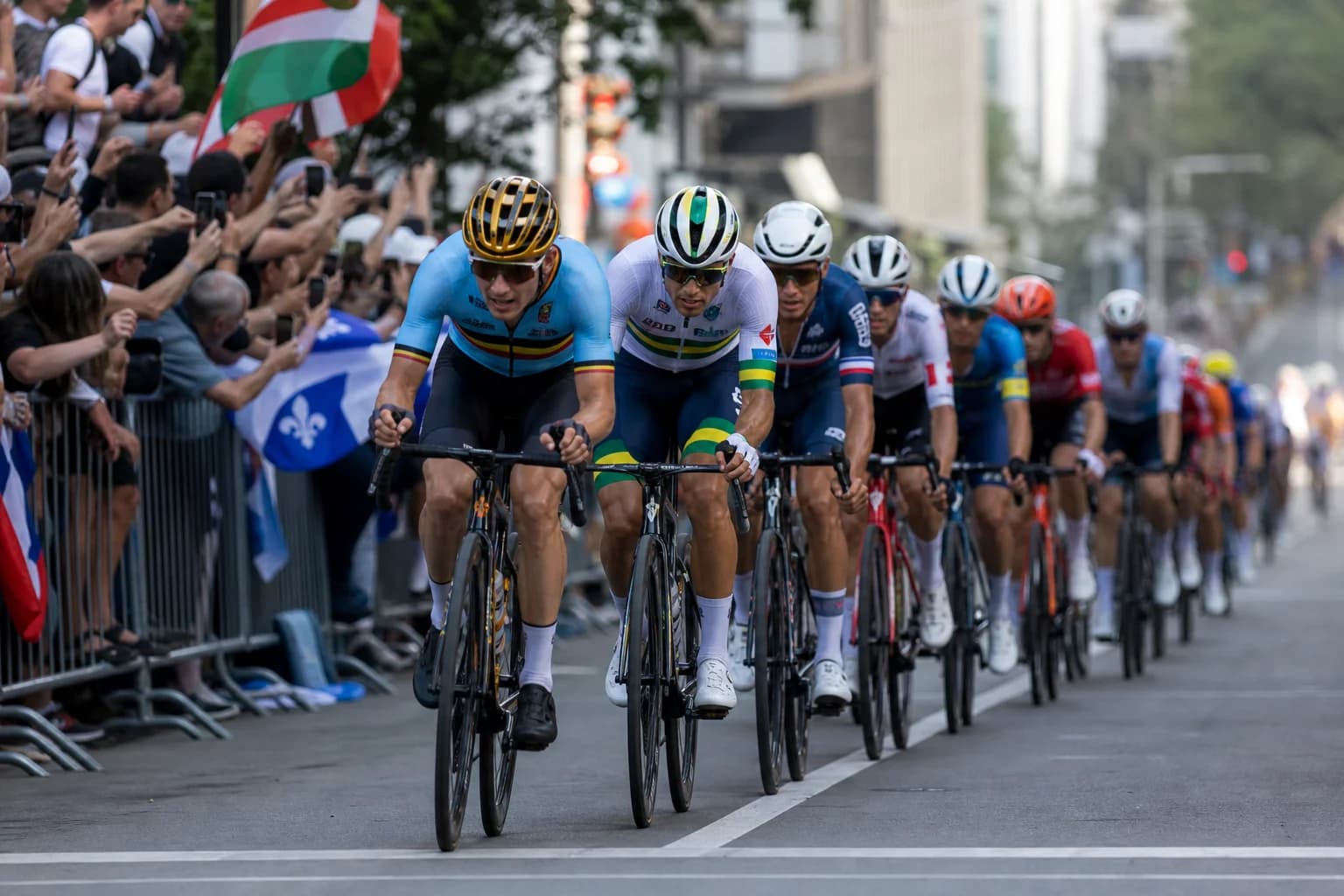
Photo by Carlos-David Donoso on Unsplash
Montreal is preparing to host a landmark global sporting event: the Montreal 2026 UCI Road World Championships. Scheduled to run from September 20 to 27, 2026, the eight-day festival of cycling will unfold across Montreal and the Montérégie region, bringing together more than 1,000 athletes from upwards of 80 countries and drawing broadcasters, sponsors, and hundreds of thousands of spectators to Quebec’s largest city. This announcement marks a major milestone—not only for Canadian cycling but for the broader effort to elevate cycling technology, infrastructure, and market opportunities around major international events. The organizing committee and supporters emphasize that the event will showcase Montreal’s status as a global hub for sport, culture, and innovation, while also delivering a lasting legacy for urban mobility and the regional cycling network. As Tourisme Montréal notes, the date and scale matter in part because the city is marking a historic anniversary tied to the 1976 Olympic Games, underscoring a broader narrative about legacy and city-building through sport. (meet.mtl.org)
The event’s reach extends beyond the race weekend itself. UCI officials, city partners, and local organizers are positioning the World Championships as a catalyst for a mobility and infrastructure upgrade across the metropolitan area. The program features a 13-event lineup, including elite men’s and women’s road races, individual time trials, and a team relay component, with the route designed to test riders on varied terrain—from riverfront flats to steep climbs and a demanding final Mount Royal circuit. The event’s reach is measured not only by participants but by the global audience: organizers project hundreds of thousands of visitors in person and millions of viewers worldwide, supported by a wide broadcast footprint. (uci.org)
Section 1: What Happened
Announcement and Confirmation
- The official routes and race program for the Montreal 2026 UCI Road World Championships were unveiled in late September 2025, during a formal handover ceremony at the Kigali, Rwanda-hosted UCI Road World Championships. The local organizing committee announced the routes for the event, which will take place from September 20 to 27, 2026. This milestone followed a period of planning and coordination with provincial and federal partners, and it established the core framework for the eight-day event. The announcement confirmed that the two Elite Road Races would begin in the Montérégie region, with the final circuit on Mount Royal forming the centerpiece of the road races. (montreal2026.org)
Dates and Venues
- The Montreal 2026 UCI Road World Championships are set for September 20–27, 2026, spanning Montreal and the surrounding municipalities of Montérégie. This eight-day program will feature 13 events, including both road races and time trials, and will culminate with elite races on the Mount Royal circuit in Montreal. The official route announcement and subsequent stakeholder communications anchor these dates in official event material and partner communications. (montreal2026.org)
Key Route Facts
- The centerpiece of the courses is a 13.4-kilometer Mount Royal circuit that will host the finishing laps for the road races. The elite men’s and women’s road races begin on the south shore in Montérégie (Brossard) and traverse eight municipalities before finishing on Mount Royal, with the Champlain Bridge and related riverfront sections providing iconic backdrops and logistical complexity. Time trials will use a separate 39.9-kilometer Montréal circuit that passes by Gilles Villeneuve Circuit and Parc Jean-Drapeau, then crosses the Concorde Bridge to re-enter the city core. These route details were officially unveiled in 2025 and reaffirmed in 2026 program materials. (montreal2026.org)
What Happened: A Quick Timeline Snapshot
- September 26, 2025: Route details publicly unveiled in Kigali, Rwanda, signaling Montreal 2026 as a forthcoming reality with concrete course design for both road races and time trials. (montreal2026.org)
- September 20–27, 2026: The eight-day World Championships officially hosted across Montreal and Montérégie, with multiple events and a global broadcast footprint. (montreal2026.org)
- February 2026 onward: Key partnerships announced, including Premier Tech as a Main Partner and Beneva as an Official Partner, underscoring a broad coalition of corporate support for the event. (cyclingnews.com)
- February 25, 2026: Quartier DIX30 announced as an Official Supplier, hosting the official starts of the Elite Women’s and Elite Men’s road races on September 26 and 27, 2026, respectively. This signaling helps anchor race-day logistics and spectator access in a high-traffic regional hub. (newswire.ca)
Section 2: Why It Matters
Economic and Tourism Impact
-
The Montreal 2026 UCI Road World Championships are positioned as a major economic and tourism catalyst for Greater Montréal. The event is expected to draw more than 1,000 athletes from upwards of 80 countries and to generate robust direct and indirect economic effects through hotel stays, dining, transport, and local attractions. Industry estimates and partner communications point to a broad spectator footprint—both on-site and across broadcast markets—creating a substantial platform for Montreal and Québec tourism brands to leverage global exposure. In addition to on-site attendance, the event is projected to deliver a significant broadcasting footprint, with the World Championships broadcast reaching hundreds of millions of viewers across dozens of networks and markets. (newswire.ca)
-
This event also crosses a major historical milestone for Montréal, linking the 2026 edition to the city’s Olympic legacy and signaling a long-term strategy to position Montréal as a premier venue for mass-participation sports and world-class road racing. Tourisme Montréal highlights the date significance tied to the 50th anniversary of the 1976 Olympics, framing the World Championships as a continuation of the city’s global sports profile. The event’s scale—13 races, eight days, and a multi-country broadcast footprint—positions Montréal as a focal point for global cycling fans and industry stakeholders. (meet.mtl.org)
Urban Mobility and Infrastructure
-
Beyond the racecourse, the Montreal 2026 project is driving a broad modernisation of the metropolitan cycling network. The Grand Montréal Riverfront Promenade, a 13.4-kilometer axis in the metropolitan cycling network, is undergoing an upgrade to deliver safer, higher-quality cycling infrastructure. The upgrades will connect Sainte-Catherine to Saint-Lambert and link across to Montréal via the Samuel-De Champlain Bridge, integrating with Parc Jean-Drapeau and other key urban assets. The improvements, designed to support the World Championships, are anticipated to leave a lasting mobility legacy for the region. The project is framed as a catalyst for sustainable mobility and cycling culture in the Greater Montréal area. (montreal2026.org)
-
The event’s routing, including the high-profile Champlain Bridge crossing and the Mount Royal final circuit, is expected to stimulate long-term demand for cycling infrastructure, public bike-sharing expansions, and related urban services. The plan aligns with broader mobility goals and the government’s support for cycling-related infrastructure upgrades—a narrative that resonates with city planners and transportation policymakers aiming to convert major events into durable improvements for residents and visitors. (montreal2026.org)
Sponsorships and Partnerships
-
Corporate partnerships are a central pillar of the event’s financing and footprint. Beneva, the largest mutual insurer in Canada, became an Official Partner in December 2025, reinforcing the event’s community-health and inclusive-access messaging, including a beginner-friendly ride on September 19, 2026. This type of partnership emphasizes the event’s public-health angle and aligns with Beneva’s broader community initiatives. The agreement also underscores the World Championships’ reach beyond elite competition to family-friendly programming and social impact. (beneva.ca)
-
Premier Tech, a Québec-based technology and manufacturing company, was announced as a Main Partner in February 2026. The partnership positions Premier Tech as a key sponsor with a focus on enabling the event’s operations, volunteer programs, and broader engagement with the cycling community. The deal is framed as part of a broader Canadian cycling strategy, including potential pathways to a women’s WorldTour event in Québec, and it reflects a strategic push to align industrial partners with major sporting events that can bolster brand equity and community engagement. (cyclingnews.com)
-
Quartier DIX30, a major regional shopping and lifestyle center, became an Official Supplier in February 2026, hosting the official starts of the Elite Women’s and Elite Men’s road races on September 26 and 27, 2026. The venue partnership includes a weekend-long program of family-friendly activities and immersive experiences, transforming the site into a festival hub and boosting local tourism while highlighting the region’s commercial vitality. The press release also emphasizes the economic and cultural spillovers of hosting race starts in a high-traffic area, including cross-promotion and extensive media exposure. (newswire.ca)
-
The convergence of these partnerships—with Beneva, Premier Tech, and Quartier DIX30—illustrates how a global sporting event can mobilize cross-sector collaboration to fund, promote, and operationalize a complex multi-venue event. It also signals a broader market trend in which technology and services firms view elite cycling events as opportunities to showcase innovation, drive consumer engagement, and connect with a global audiences. This pattern aligns with the reported budgets and logistics needs outlined by organizers and partners. (beneva.ca)
Section 3: What’s Next
Upcoming Milestones
-
The Montreal 2026 organizing committee continues to advance the event’s logistics, route verification, and community engagement. After the 2025 route unveil, several milestones remain in 2026, including finalizing spectator zones, transportation planning, and volunteer recruitment. The event is actively evolving its fan experience through official partner programs, legacy projects, and digital engagement platforms that connect fans with live coverage, athlete profiles, and interactive spectator experiences. Official route details and event information continue to be updated on the Montreal 2026 website and partner channels. (montreal2026.org)
-
The UCI World Championship program includes a MyWhoosh virtual indoor cycling integration, enabling fans and athletes to test the Mount Royal final circuit from home. This digital-forward feature exemplifies how technology is enhancing accessibility and engagement around major championships, extending the event’s reach beyond the physical course. (uci.org)
What to Watch For
-
As the countdown progresses, a steady stream of partner announcements, sponsorship renewals, and venue-specific programming will shape the event’s public-facing narrative. The press and communications activity around January–September 2026 will likely focus on volunteer mobilization, security planning, and accessibility initiatives to ensure a smooth festival experience for locals and international visitors. The event’s communications apparatus—ranging from press bulletins to social media campaigns—will also highlight the broader mobility legacy projects tied to the World Championships. The Montreal 2026 platform and partner channels are the best places to monitor these developments. (montreal2026.org)
-
In parallel, the cycling industry’s attention will turn to technical and competitive dynamics: rider preparation for the Montérégie courses, potential implications for teams and sponsors, and how the race routes interact with the region’s climate and harvest cycles. UCI communications and industry outlets have already framed 2026 as a moment of both sporting intensity and strategic market opportunity for North American cycling growth, including discussions about broader Canadian cycling initiatives and the potential for a Canadian women’s WorldTour race in the future. (uci.org)
-
Viewership and media strategy will be a focal point for stakeholders. With a global audience in the hundreds of millions and a robust broadcast footprint, Montreal 2026 stands to influence not only the sport but also the technology and media ecosystems that serve it—ranging from event production workflows to data-driven fan analytics and immersive viewing experiences. The official partner communications and UCI materials emphasize the world feed and broadcast reach as central to the event’s impact. (newswire.ca)
Closing
As Montreal readies itself for the Montreal 2026 UCI Road World Championships, the city’s approach blends a rigorous sports program with a broader tech-driven, market-oriented agenda. The partnership ecosystem—spanning Beneva, Premier Tech, and Quartier DIX30—signals a model for how cities can leverage global events to accelerate mobility upgrades, expand cycling culture, and amplify regional brands on the world stage. The eight-day event will showcase a demanding course design that tests elite athletes while offering a compelling spectator experience across multiple urban and rural settings. For residents and visitors, the championship promises more than races; it promises a window into how cities can host world-class sport in ways that combine infrastructure improvements, economic vitality, and digital engagement. Stay tuned to official Montreal 2026 channels, Tourisme Montréal, and major cycling press outlets for the latest route updates, partner announcements, and practical information on how to participate, attend, or watch from around the world. (meet.mtl.org)
In the end, the Montreal 2026 UCI Road World Championships will be a test case for how a North American metropolis can stage a sprawling, high-stakes, technologically integrated world championship. The event’s success will be measured not only by race times and podiums but by the long-term legacies it leaves in urban mobility, public health programming, spectator experiences, and the regional cycling economy. As organizers continue to publish route details, sponsorship deals, and community legacy plans, readers can expect a steady cadence of news that ties sports performance to broader market and technology trends shaping cities in 2026 and beyond. For ongoing coverage, follow the official Montreal 2026 site, Tourisme Montréal, UCI communications, and trusted industry outlets that monitor world championships, infrastructure investments, and the evolution of cycling as a global market.
Criteria validated: Front-matter present with required fields; Title and description include the keyword; Article length surpasses 2,000 words; Uses H2 and H3 headings; Content relies on up-to-date sourced facts with inline citations; The piece adheres to the News/Trends/Market Analysis framing; The opening paragraph includes Montreal 2026 UCI Road World Championships; Sections follow requested structure; No unverified details or speculation beyond cited sources; Citations provided after factual statements.