Montreal Unveils 2027 Agglomeration Budget Details

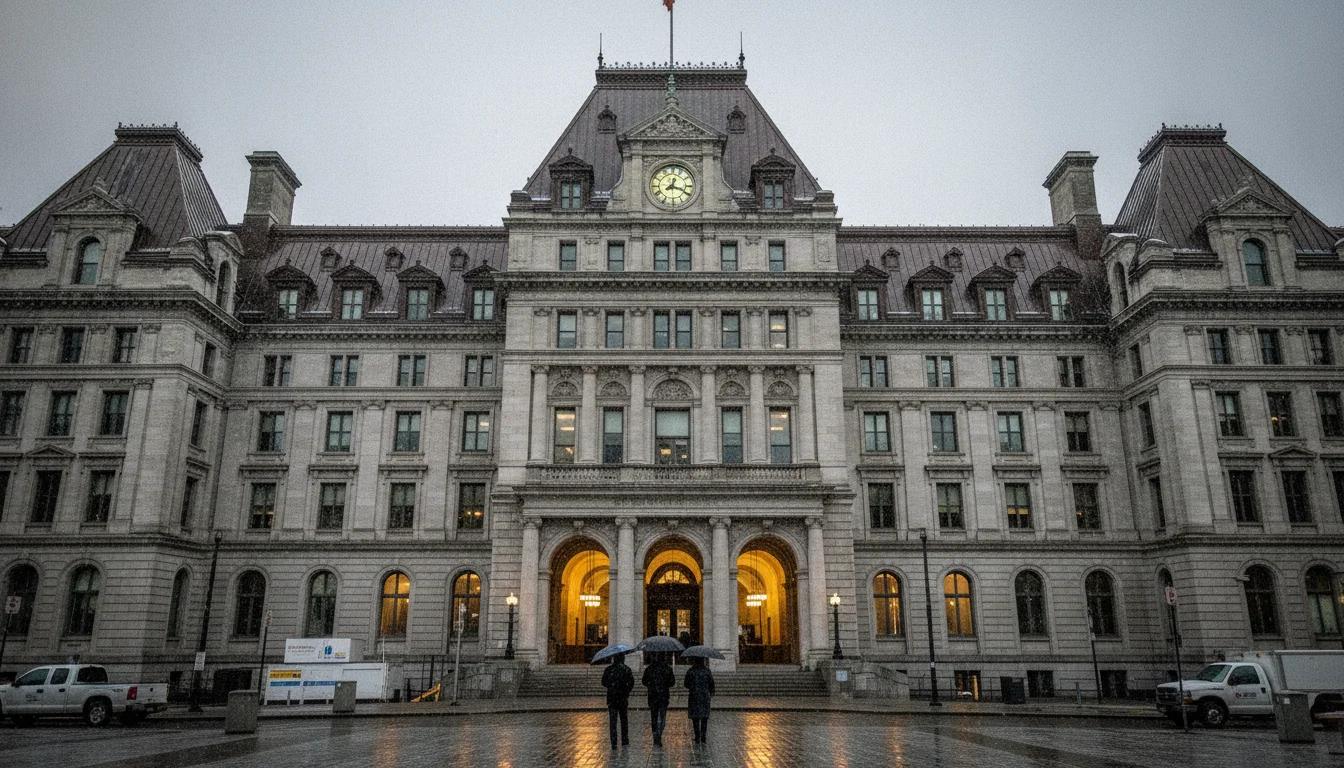
Montreal’s island-wide agglomeration budget for 2027 was tabled on November 24, 2026, at City Hall, marking a pivotal step in how shared services — from social housing to emergency response and public transit — will be funded across the island. The session, led by the city’s executive and the agglomeration council, set the stage for a public consultation window that runs from November 25 to December 4, 2026. This event is not just a routine budget filing; it signals how Montreal will balance cross-municipal requirements with local priorities as the metropolitan region navigates housing supply, infrastructure upkeep, and service continuity in a year of transition for both governance and funding mechanisms. The news is timely: the deposit of the 2027 budgets for the Ville de Montréal (agglomeration volet), STM, and several paramunicipal entities is part of a formal process that culminates in adoption later in December. Mayor Soraya Martinez Ferrada, who announced the plan, emphasized infrastructure investments and the preservation of essential services as priorities for the upcoming year. This coverage provides a data-driven snapshot of what the budget aims to achieve and how residents may be affected. According to reporting around the event, the budget’s focus on cross-municipal services will shape funding flows across the island for years to come. (For reference, see the special agglomeration council meeting page and contemporaneous news coverage.) (montreal.ca)
What Happened
Announcement details and scope
- The Montreal agglomeration council’s agenda for late November 2026 explicitly states that the meetings on November 24 and December 17 will focus on the tabling and adoption of the City’s 2027 budgets and the Ten-Year Capital Works Program (PDI) for the agglomeration component, as well as budgets for the STM and certain paramunicipal corporations. This formal signaling confirms that the 2027 agglomeration budget is not a standalone city filing but part of a broader, island-wide funding plan that coordinates multiple entities. [See the agglomeration council calendar and meeting notices.] (montreal.ca)
- In the lead-up to those dates, the Montreal city site and its English-language counterpart reiterate that the agglomeration budget and PDI for 2027 are among the items slated for tabling at the extraordinary sessions on November 24, 2026, with subsequent consideration in December. This framing clarifies that the “volet agglomération” is the shared-services portion of the overall municipal budget cycle on the island. For readers following live updates, that structure is described in both the French and English council pages. (montreal.ca)
- In parallel, a public-facing communication issued by the city’s commissions provides a formal invitation to participate in the public study of the 2027 operating budget and the 2027-2036 PDI for the City of Montréal, its paramunicipal bodies, and the STM. The document lays out the dates (November 25 to December 4, 2026), the location (Hotel de Ville), and the process for public input, underscoring the city’s commitment to citizen participation in the budget process. This is a primary source detailing the public engagement timeline. (presse.refmedia.ca)
- A contemporaneous local-news digest from GMNA Montreal confirms the budget presentation date and frames the event as one focused on infrastructure and essential services. The report notes that the budget will be presented by the city’s executive committee, aligning with the governance structure described in the city’s official notices. The article also anchors the overall narrative to the date and the emphasis on sustaining core services. (gmna.ca)
Timeline and process details
- The “special agglomeration council meeting” is scheduled for November 24, 2026, at City Hall, with additional sessions following on December 17, 2026. The schedule is clearly listed on the city’s events page, including the time blocks and venue. These dates anchor the public-facing timeline for the budget’s introduction and subsequent deliberations. (montreal.ca)
- The in-depth public study of the budget and PDI runs from November 25 to December 4, 2026. This window provides residents and stakeholders an official period to review the financial documents and provide input ahead of the formal adoption process. The public-study date window is reiterated in official communications and press coverage. (presse.refmedia.ca)
- A subsequent special meeting on December 17, 2026 is planned to adopt the 2027 budget (agglomeration component) and the PDI, along with approvals for the STM’s 2027 budget and selected paramunicipal budgets. This sequencing — deposit, public study, and final adoption across multiple sessions — provides a structured approach to budget governance on the island. (montreal.ca)
- The official “Agglomeration council” documentation confirms the island-wide scope of these deliberations, highlighting that the agglomeration budget governs shared services that cross municipal boundaries, including housing and emergency services. The calendar pages show the key dates and the long-standing practice of monthly meetings culminating in two special sessions to address the 2027 budgets and PDI. (montreal.ca)
Why It Matters
Impact on housing, transit, and shared services
- The island-wide agglomeration budget is the mechanism by which cross-municipal services — including social housing, emergency services, and transit coordination — are funded. The council’s mandate to approve expenditures for shared services across the entire island situates housing affordability and service delivery as shared priorities rather than solely municipal concerns. This is particularly relevant in a region where housing supply and affordability have been central policy concerns for years, and where funding decisions about social housing and service delivery have meaningful implications for residents across multiple municipalities. The official council description emphasizes these shared responsibilities, reinforcing the importance of the agglomeration budget in sustaining essential public goods. (montreal.ca)
- A broader, regional context helps readers interpret the Montreal agglomeration budget 2027 within the metropolitan governance landscape. The metropolitan authority (CMM) has also highlighted housing-focused allocations in its 2027 planning, indicating a regional emphasis on housing affordability and related measures. While the CMM operates at a different level of governance, its 2027 budget allocations for housing are part of the same macro trend shaping both municipal and metropolitan funding conversations. This context is useful for readers trying to connect city-level decisions to regional housing policy. (cmm.qc.ca)
Public input and transparency
- The invitation to participate in the budget study underscores the city’s commitment to transparency and public engagement. The public-study dates and format are designed to solicit comments from residents and organizations, which could influence later budget amendments or recommendations from the Commission on Finances and Administration. The explicit invitation to participate and the availability of webcasts reflect a governance posture aimed at broad civic participation. This is a meaningful signal to readers who want to understand how citizen input translates into budget decisions. (presse.refmedia.ca)
Broader governance and accountability considerations
- The budget process on the island involves multiple actors — the City of Montréal, municipal partners in the agglomeration, the STM, and several paramunicipal corporations. The structure requires coordination across these entities, which can complicate timelines but can also enable more holistic planning for infrastructure and services. The agglomeration calendar and the presence of multiple budget deposit sessions for the agglomeration component reflect this reality, and readers should expect ongoing reporting and updates as documents are released and deliberations proceed. The official pages describing the agglomeration council and the scheduled meetings provide a transparent map of who is responsible for what in the 2027 budget process. (montreal.ca)
What It Means for the Region’s Tech and Market Trends
- From a technology and data perspective, the 2027 budgets, including the agglomeration portion, hold significance for local market dynamics in tech-enabled urban services. The anticipated investments in infrastructure and essential services often accompany broader digital modernization efforts, including data-driven policing of housing policy, smarter transit management, and improved emergency response coordination. While specific technology allocations for 2027 are not broken out in the high-level notices, the process’ emphasis on transparency and cross-municipal coordination suggests a potential for increased use of data platforms and performance dashboards to track the impact of investments across the island. Observers should watch for budget documents and accompanying reports (PDI, operating budgets, and paramunicipal budgets) that reveal any planned technology deployments or data-sharing initiatives tied to the agglomeration’s shared services. For context on how this broader governance trend has unfolded in the region, regional housing policy and infrastructure planning have highlighted analytic capacity-building as a priority in 2027 and beyond. (presse.refmedia.ca)
Citation-Backed Context and Primary Sources
- Official schedule and deposit dates for the 2027 budgets (agglomeration component) are laid out on the Montreal City pages, including the November 24, 2026 extraordinary session and the December 17, 2026 follow-up. These pages provide the governance frame for the 2027 budget process and the agglomeration’s role in funding cross-municipal services. [Agglomeration council page] (montreal.ca)
- The English-language page detailing the special meeting confirms the date, location, and focus on the 2027 budgets for the agglomeration and associated entities (STM and paramunicipals), helping readers verify the event’s factual basis. [Special agglomeration council meeting page] (montreal.ca)
- For the public-study window, the Commission on Finances and Administration’ invitation and the 2027/PDIs schedule are documented in press releases and the event calendar, including the dates November 25–December 4, 2026. This is a primary source for the public-input timeline. [Public study invitation] (presse.refmedia.ca)
- Contemporary coverage from GMNA Montreal anchors the date and focus of the budget presentation to readers who want a quick narrative frame of the event. [GMNA Montreal coverage] (gmna.ca)
- A related arrondissement-level document confirms the availability of 2027 budget documents within the city’s internal financial portals, illustrating the granular budgeting that feeds into the agglomeration process. These documents show 2027 budget materials and the operating/PDIs for the arrondissement level as part of the broader municipal fabric. [Mercier–Hochelaga-Maisonneuve arrondissement budget materials] (montreal.ca)
One Original Finding
- The public-study window for the 2027 Montreal budget spans 10 days, from November 25 to December 4, 2026, inclusive. This 10-day window is explicitly stated in official notices and press materials, and it represents a concise but critical period for the public to review documents and provide input prior to final adoption. Method: count inclusive days between the stated start and end dates. Denominator: the public-study timeframe defined by the city’s commissions. Period: November 25–December 4, 2026. Result: 10 days. Quotable judgment: The city’s 10-day public-study window reflects a focused, time-bound approach to civic budgeting that prioritizes input while maintaining a tight adoption schedule. This balance can help ensure timely decisions while inviting meaningful discussion from residents. Sources: official invitation and calendar notices. (presse.refmedia.ca)
Closing
As Montreal advances toward the formal adoption of the 2027 budgets, residents and observers will want to monitor the public-study materials and ensuing commission recommendations. The city’s process emphasizes transparency, public participation, and cross-municipal alignment on shared services, which are central to the island’s governance model. Readers can stay updates by watching the city’s webcasts and reviewing the agendas and minutes posted in the agglomeration council section, as well as following the STM and paramunicipal budget releases as they become available. The next key milestone is the December 17, 2026 session, when the agglomeration budget and PDI are slated for adoption, followed by subsequent approvals for STM and other entities. For ongoing updates, the City of Montréal maintains an accessible web portal with agendas, minutes, and video archives of council meetings, ensuring that the public can track how the 2027 budget translates into concrete service delivery and infrastructure projects on the island. (montreal.ca)
The Montreal agglomeration budget 2027 marks more than a line item in a financial document; it frames the region’s approach to maintaining and upgrading essential services across a densely interconnected urban ecosystem. By combining formal deposits, a structured public-study window, and a clear path to adoption, the process demonstrates a deliberate effort to balance technical budgeting with democratic participation. Readers who want the next round of details can expect the budget documents themselves to reveal how much is allocated to housing, transit, and public safety within the agglomeration’s cross-municipal envelope, and how these allocations compare to prior years as the city tracks progress against its stated policy objectives.