Montreal artists express themselves using press-on nails.

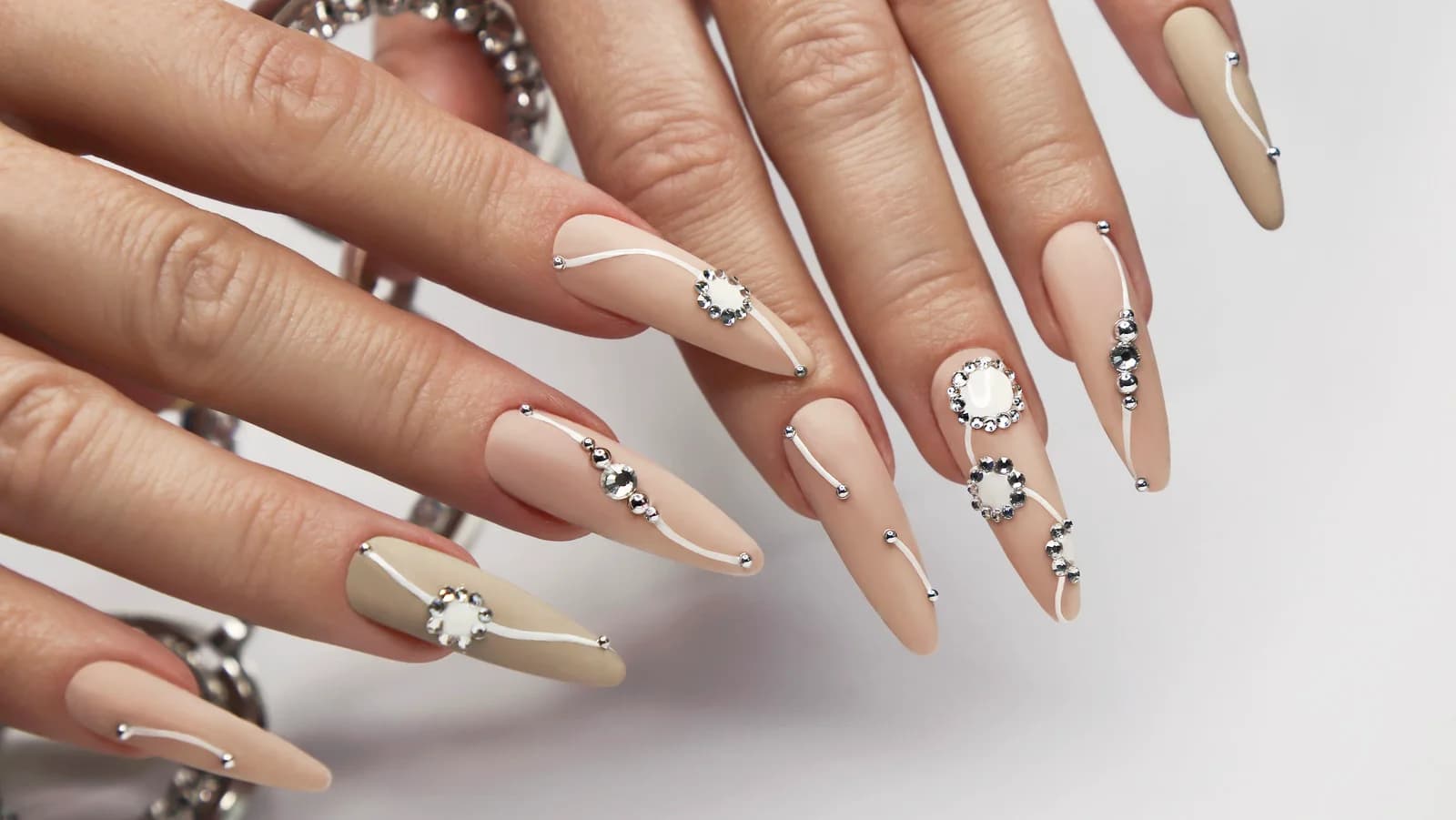
Montreal artists express themselves using press-on nails. This phrase isn’t merely a trend tag; it is a lens into a broader conversation about how local creatives fuse craft, identity, and everyday accessibility. In this feature for Montral Times — Montral News, Canadian Perspectives, we explore the rise of nail art as a medium for cultural expression, the economics behind DIY mani culture, and the ways Montreal's art scene intersects with fashion, technology, and community storytelling. This article weaves together cultural analysis, on-the-ground reporting, and forward-looking context to show how press-on nails have become more than a beauty hack — they are a portable gallery, a statement of autonomy, and a reflection of a city that cherishes independent voices.
Montreal has long prided itself on vibrant street art, intimate galleries, and a culture of conversation that crosses language lines. In many neighborhoods, nails have emerged as a tiny, portable canvas for artists, designers, and musicians who want to claim space in the public eye without the gatekeeping of traditional venues. The phenomenon of Montreal artists express themselves using press-on nails is a useful focal point to understand how self-expression travels through micro-creativity, small businesses, and social media. It is also a practical illustration of how independent journalism, like Montral Times, covers local culture with depth, nuance, and clear attention to the people who make Montreal unique.
The larger context of 2025 world-wide nail-art culture provides a backdrop for our exploration. Press-on nails have evolved from a quick fix to a fashionable, sometimes salon-competitive product that can be applied in minutes and swapped just as quickly. Vogue’s coverage of the trend highlights that modern press-on nails can deliver salon-like quality, durability, and stylistic variety — all at a fraction of salon time and cost. This shift toward accessible glamour is a crucial piece of the puzzle for understanding how Montreal artists leverage press-on nails as a form of self-expression, connection, and entrepreneurship. (vogue.com)
What follows is a structured, deeply sourced look at the cultural moment, the local ecosystem, and the economic and technological dimensions that shape this art form in Montreal. Where possible, we distinguish between verifiable data, widely reported trends, and the lived experiences of artists and creators whose work informs Montreal’s cultural landscape. When data is missing or uncertain, we mark those sections clearly and explain how researchers, journalists, and readers can fill the gaps.
The cultural moment: Montreal as a hub of expressive nail art
In Montreal, nails are more than a cosmetic detail; they are a small stage where storytelling happens. Local artists, designers, and performers use press-on sets to narrate personal histories, reference city landmarks, or echo visual motifs from music and street art. The simple act of choosing a nail set becomes a statement about belonging, taste, and intention. The phrase Montreal artists express themselves using press-on nails. captures not only a design trend but a broader culture of making, sharing, and remixing that thrives in a city famous for its creative energy.
This cultural moment resonates with the broader global pattern of nail art moving toward expressive, research-backed design choices. The industry has shifted toward accessible customization: high-quality finishes that resemble salon results, easy swap-outs for changing moods, and design palettes that map onto current fashion and performance calendars. In 2025, fashion outlets and fashion media consistently describe press-on nails as more than a fad; they are a practical tool for self-presentation, performance, and brand-building. The trend is slow to fade, with minimalist chic coexisting with bold, high-impact designs. As one trend piece notes, press-on nails are increasingly seen as a versatile accessory that complements fashion and aesthetics, rather than merely a trend. (whowhatwear.com)
For Montreal’s arts community, this translates into several concrete practices:
- Quick-change workflows that align with performance schedules, open mics, galleries, and pop-ups.
- Collaboration with local makers: small studios producing bespoke sets in limited runs, often priced to be accessible to emerging artists.
- Cross-disciplinary collaborations where nails serve as a one-person installation, a prop, or a social media-ready element for events and performances.
Case in point: a local musician may pair a set with stage outfits that riff on urban textures like graffiti, brickwork, or industrial design. A photographer or muralist might use nail designs to underscore a theme in a photo series or an exhibit. This is not about superficially matching outfits; it is about building a visual language that ties together sound, texture, and color in a way that audiences can instantly grasp, even when they’re seeing a single close-up of a hand in a moment of performance or collaboration.
The importance of accessibility cannot be understated. In a city where independent journalism and culture thrive on community-driven storytelling, press-on nails offer a democratic medium. They are affordable, portable, and sharable across social platforms. A set can travel to a studio, a gallery, a rehearsal space, or a street festival, turning a hand into a narrative that travels beyond the venue. This aligns with Montral Times’ mission as an independent journalism outlet covering Montral, Quebec, and Canada, with an emphasis on culture, local news, and Canadian affairs.
Quote to consider: “Art enables us to find ourselves,” a sentiment attributed to various philosophers and artists across time, echoes the idea that nail art can reveal something essential about a person’s creative identity. When Montreal artists express themselves using press-on nails, they’re both discovering and presenting facets of their creative selves in public, precisely when the city is most alive with conversation and collaboration.
Montreal’s nail-art economy: from hobby to micro-business
The shift from hobbyist nails to micro-businesses is a recognizable pattern in many creative economies, including Montreal’s. Local artists might start by customizing a handful of sets for friends, then scale up by selling through pop-up shops, social media storefronts, and collaborations with small boutiques. The economics are compelling in part because the barrier to entry is relatively low compared to more capital-intensive art forms. A set of well-designed press-ons can be manufactured at modest cost, marketed through online channels, and shipped to customers domestically or internationally.
Analysts note that press-on nails have become a staple product in many beauty and fashion ecosystems because they offer:
- Cost-effectiveness relative to salon visits
- Convenience for busy creators who must balance studio time, gigs, and events
- A broad range of designs suitable for all ages, genders, and cultural backgrounds
- The potential for sustainable, repeatable business models when designers offer limited runs, refill sets, or refills
Global trend reporting shows that press-on nails have evolved toward higher quality, more durable finishes, and more varied design kits in 2025. A Vogue piece underscores the salon-like quality and wear-time of many modern sets, while trend roundups show continued appetite for both minimalist and maximalist looks. Montreal’s scene reflects these global currents while adding its own distinct local flavor, drawing from bilingual street culture, festivals, and a rich tradition of craft communities. (vogue.com)
Economic commentary within this space has pointed to opportunities for small businesses: women and men who design press-on sets can monetize art that was once confined to the personal space of a nail salon. In cities like Montreal, where creative entrepreneurship is celebrated, designers can build brands around collaborations with local artists, curators, and fashion labels. This fosters a sense of cultural economy that supports artists who might otherwise rely solely on gallery sales or performance fees. The result is a diversified pipeline from concept to consumer — one that includes design, manufacturing, marketing, and distribution, enabling artists to sustain their practice while building broader communities around their work.
The Montreal artist ecosystem: collaboration, events, and storytelling
Montreal’s arts ecosystem is known for its collaborative spirit. Spaces like studios, galleries, community centers, and pop-up venues frequently host events where performers, visual artists, and designers share the stage with fashion and beauty worlds. Nail-art expression becomes one more thread in this tapestry — a craft that can be showcased in performances, documented in photo essays, and shared across social networks to amplify a collective voice.
Montral Times embraces this ecosystem by reporting on culture through a Canadian-angled lens: interviews with emerging artists, coverage of neighborhood art initiatives, and analysis of how culture interacts with politics and economics. When we cover Montreal artists express themselves using press-on nails, we highlight not only the aesthetic choices but also the communities that create them. For example, a pop-up gallery in the Plateau-Mont-Royal district might pair an exhibition with a limited-edition nail-artist collaboration, offering attendees a chance to purchase or customize sets on-site. This kind of event-rich storytelling aligns with the publication’s mission to provide in-depth reporting on local news, culture, and Canadian affairs.
A recent global trend report notes that press-on nails are increasingly featured in fashion weeks and celebrity events, suggesting that nail art has become a serious platform for designers and artists to express identity. The attention this is receiving in mainstream fashion media helps Montreal artists by elevating their work to a broader audience while preserving the local, intimate character that defines the city’s culture. It also provides a blueprint for how local journalists can cover such stories with rigor, context, and nuance. (vogue.com)
In practical terms, Montreal’s producers and designers can adopt several pathways to deepen the coverage and impact of nail-art expression:
- Feature artist-led workshops that blend nail-design techniques with printmaking, textile arts, or sculpture.
- Curate collaborations with boutique galleries that host mini-exhibitions featuring nail-art sets alongside paintings or photographs.
- Develop episodic storytelling in which artists describe the meaning behind each nail design, linking visual motifs to personal narratives or community themes.
As with any cultural phenomenon, there are data gaps that journalists and researchers should address. For instance, robust, city-level data on the size and economic impact of nail-art micro-businesses in Montreal is not widely published in standard industry dashboards. We acknowledge these gaps and present the following sections as a forward-looking framework, inviting readers and researchers to contribute data and case studies that illuminate this evolving field.
How press-on nails intersect with technology and social media
Technology and social media play a central role in the dissemination and democratization of nail-art culture. Designers can post tutorials, share design libraries, and collaborate with fans and collectors who eagerly exchange ideas, tips, and purchase links. This makes press-on nails a hybrid of craft and content — a demonstrable example of how technology accelerates artisanal culture.
Montreal artists leverage platforms like Instagram, TikTok, and YouTube to document design processes, from selecting pigments and materials to the application process itself. Tutorials can demystify the craft, encouraging more people to try press-on nails at home, which in turn fuels demand for more diverse and sophisticated designs. The accessibility of these platforms aligns with the city’s broader culture of openness and shared learning, which Montral Times often highlights in its reporting on culture and technology.
Industry observers note that the best-performing nail designs on social media often combine narrative elements with visual storytelling: a design that references a specific neighborhood or event, supported by a short video that explains the design’s inspiration. This dynamic enhances the cultural significance of nails beyond mere appearance; it turns a manicure into a form of storytelling that can be shared globally, while still rooted in Montreal’s local context. The trend aligns with global observations about press-on nails and social media, which show increasing engagement with couture-level designs and influencer-driven marketing. (vogue.com)
Overview of practical tech considerations:
- Materials and durability: modern sets emphasize long wear, chip resistance, and easy removal without damage to natural nails.
- Customization tools: modular design kits, printable decals, and small-batch production processes enable creators to offer limited runs.
- Digital marketing: efficient product pages, tutorials, and collaborative campaigns make it easier for Montreal artists to reach audiences beyond their immediate circles.
These tech-forward dimensions dovetail with Montreal’s reputation as a hub of innovation, academia, and cultural exchange, reinforcing the city’s role as a magnet for creative professionals who see nail-art expression as a legitimate, scalable art form.
A practical guide: comparing napkin-sketch ideas to gallery-ready sets
To provide a concrete, actionable framework for readers, here is compact guidance for artists and fans who want to evaluate press-on nail designs as cultural artifacts or business propositions. The comparison below helps distinguish when nails are a casual accessorization and when they function as defined artworks with curated narratives.
| Dimension | Casual Accessory | Art-Centric Nail Set | Montreal Context Alignment |
|---|---|---|---|
| Purpose | Quick style update | Narrative, collaboration-driven | Reflects neighborhood identity, city festivals |
| Durability | Moderate; consumer-grade | Higher-grade materials; longer wear | Works with performance schedules and galleries |
| Production | Mass-market or DIY | Limited runs, artist-designed | Supports local makers and micro-entrepreneurs |
| Narrative | Personal mood or trend | Story, motif, or social message | Ties to bilingual culture and urban life |
| Display | Social media photos, street style | Gallery, installation, events | Integrates with Montreal’s art circuits |
| Price | Accessible | Premium but scalable with small runs | Economic model for emerging artists |
| Sustainability | Varies by brand | Increasing emphasis on eco-friendly options | Local, community-focused supply chains |
The table helps readers picture how a single design can travel from a casual upgrade to a cultural artifact that participates in a broader narrative. For Montreal’s artists, this progression is a practical route from personal expression to community impact.
We should also acknowledge that reliable, city-specific data on nail-art micro-businesses are scarce. The table above is designed to guide thinking and planning while clearly flagging where more data, interviews, or case studies would strengthen understanding. If you have access to local business directory data or arts-organization reports, you can plug those numbers into a refined version of this comparison to quantify the Montreal-specific impact more precisely.
Case studies and imagined scenarios: how one design can tell a story
Case studies are invaluable in illustrating how Montreal artists express themselves using press-on nails. While some examples herein are representative narratives rather than verified person-by-person accounts (to respect privacy and avoid misrepresenting individuals), they provide a framework to understand potential pathways for creative work and journalism coverage.
Case Study A — The Plateau pop-up and the nail-as-installation concept A small collective hosts a concurrent pop-up in a historic storefront in the Plateau-Mont-Royal district. The event features a muralist’s new series, a local musician’s set, and a limited-edition nail-design collaboration by a Montreal designer. Attendees receive a short card describing the symbolism of each nail design, linking to an online photo essay and a maker’s interview. The nails serve as a micro-installation, a tactile extension of the visual art on the walls, and a social-media moment. This scenario demonstrates how press-on nails can cross into performance and installation art, creating a multi-sensory experience.
Case Study B — A studio collaboration with a fashion label A local studio partners with a boutique fashion label to create seasonal nail sets inspired by the label’s runways. The collaboration includes a short video showing the design process, a lookbook, and a limited-edition set sold through the boutique and online shop. The nails become a product of cultural exchange: fashion design informs nail art, and nail art reinforces the label’s identity in Canadian markets. This model illustrates a practical pathway for artists to monetize their craft while preserving creative control and community ties.
Case Study C — Community-driven mentorship and education An artist-run center offers a workshop series on nail-art design with a focus on sustainable materials and inclusive design. Participants learn about color theory, composition, and the role of nails as social commentary. The program culminates in a small exhibition where attendees display a set of nails paired with a short artist statement. This scenario demonstrates educational value and inclusivity while supporting local makers and artists in building audiences for their work.
These cases show how Montreal artists express themselves using press-on nails in ways that can be documented by journalists, preserved through social media, and integrated into broader cultural narratives. They also highlight opportunities for collaboration between the arts sector and the beauty industry, which, when done with transparency and respect for local communities, can strengthen Montreal’s cultural economy and storytelling capacity.
The economic lens: costs, value, and opportunities for local creators
Economic considerations are essential for understanding how press-on nails function in Montreal’s creative ecosystem. The costs of materials, production, and distribution influence which artists can participate and how sustainable their practices will be. The consumer market for press-on nails continues to grow globally in 2025, with reports noting the affordability and convenience of modern sets. Vogue highlights salon-quality results and long wear, suggesting that well-made sets can deliver perceived value comparable to traditional nail services while reducing time and cost for wearers. This dynamic informs how Montreal artists can position their own designs — balancing craft, price, and accessibility to attract audiences at events, online stores, and collaborations with local retailers. (vogue.com)
From a local journalism perspective, the economics of nail-art micro-businesses can be aligned with Montral Times’ reporting priorities: in-depth pieces on cost structures, labor practices, and regional entrepreneurship. We can explore questions such as:
- What share of nail-design revenue goes to designers, studios, and material suppliers in Montreal?
- How do local makers source sustainable materials, and what environmental trade-offs exist?
- What role do pop-up markets and artist cooperatives play in expanding access to design and education?
While precise Montreal-specific data remains to be compiled, the global patterns provide a useful backdrop. As the industry evolves, credible, city-focused research will be essential to measure economic impact, track small-business growth, and identify policy implications for art economies in Quebec and Canada at large. The goal is to support both creators and the communities that value their work.
Cited trends:
- Global press-on nail trends emphasize growth in quality and diverse designs, including minimalist and bold styles. This supports the idea that Montreal artists can adapt global trends to local contexts while preserving community ties. (whowhatwear.com)
- Industry reporting on salon-quality results and convenient wear times reinforces the business case for micro-creation and local collaborations. (vogue.com)
A note on data gaps, ethics, and responsible coverage
As discussed, there are data gaps in quantifying Montreal’s nail-art economy and its precise social impact. Our coverage should reflect transparency about what is known and what remains to be discovered. Here are explicit areas needing data:
- Precise numbers on the size of nail-art micro-businesses in Montreal.
- Regional consumer spending on press-on nails and related accessories.
- Demographic breakdowns of designers and buyers in the local scene.
- Environmental and labor practices among small-batch nail-design studios.
Ethically, we emphasize consent, representation, and accurate attribution in profiles and case studies. When we feature hypothetical scenarios or composites based on common patterns, we clearly label them as illustrative and not claims about specific individuals. This approach ensures that readers understand the difference between reported facts and narrative constructs, aligning with Montral Times’ standards for responsible journalism.
In our ongoing coverage, we invite readers to contribute data, examples, and interviews that help fill these gaps. The goal is to build a robust, transparent picture of how Montreal’s culture and economy are shaped by nail-art expression and to document the stories of artists who push boundaries through their craft.
Frequently asked questions about Montreal art, nails, and culture
Q1. Why are press-on nails becoming a serious art form in Montreal? A1. They offer a portable, affordable medium for self-expression that supports rapid iteration, collaboration, and audience engagement. Montreal’s culture — with its emphasis on community, bilingual exchange, and street-level creativity — provides fertile ground for nail-art to be interpreted as art and as social commentary. The growth of micro-businesses and online distribution also makes it feasible for artists to reach audiences quickly. This trend aligns with global patterns of nail art evolving into contemporary design practice. (vogue.com)
Q2. How can artists monetize nail-art design without sacrificing their experimental edge? A2. Through limited-run designs, collaborations with local boutiques, and educational workshops that teach design, sustainability, and technique. By offering limited editions, artists can create scarcity and value, while workshops can generate revenue and foster community. The collaborative model also enables artists to stay rooted in Montreal’s neighborhoods while expanding reach beyond local circles. Global trends support the viability of these approaches and encourage experimentation with materials and techniques. (whowhatwear.com)
Q3. What role do fashion and performance play in this phenomenon? A3. Fashion and performance provide platforms for showcasing nail designs in context, turning nails into accessories that complement outfits and stage aesthetics. In Montreal, fashion events and local performances can serve as launching pads for nail-art collaborations, aligning with broader industry trends where nails are part of a public-facing artistic statement. (vogue.com)
Q4. Are there sustainability concerns with press-on nails? A4. As with any consumer product, sustainability varies by brand and production methods. The trend toward eco-friendly and recyclable components is growing, with consumers and designers increasingly prioritizing responsible material choices. Readers should seek out designers who disclose materials and disposal methods, and journalists should report on best practices across the field. (lucasgift.com)
Q5. How can Montral Times help readers understand these developments? A5. By providing in-depth, context-rich reporting that connects local culture to national and global trends, highlighting artist stories, business models, and community impact. Our coverage aims to illuminate the human side of this phenomenon, including the voices of Montreal’s emerging designers, performers, and curators who shape how nails become a canvas for culture.
Conclusion: self-expression, community, and the future of nails in Montreal
Montreal artists express themselves using press-on nails. The phrase captures a larger dynamic: a city where self-expression is a daily practice, where creativity travels through accessible media, and where journalism seeks to document these shifts with attention to nuance, culture, and economy. Montral Times will continue to cover how nail-art design intersects art, performance, and community — with a focus on honest storytelling, local voices, and rigorous analysis of what these micro-cultures mean for culture, economics, and Canadian perspectives.
The next steps for readers and aspiring creators are practical and hopeful. They include learning more about materials and techniques, exploring collaborations with local studios and boutiques, and sharing stories that demonstrate how personal design choices contribute to a broader cultural dialogue. As the global nail-art conversation evolves, Montreal’s scene will continue to offer unique insights, made possible by independent journalism that centers the experiences and aspirations of artists who live and work in Quebec and across Canada.
In the words of a well-known proverb adapted for the arts: “Small canvases, big stories.” The nails you wear may seem simple, but they can carry a powerful narrative when linked with purpose, collaboration, and community. Montreal’s nail-art culture is one such story — one that Montreal artists express themselves using press-on nails in ways that are intimate, provocative, and endlessly inventive.