Montreal Biophilic Office Design Trend Reshapes Workspaces

Photo by Alain Guillot on Unsplash
Montreal is witnessing a notable shift in how corporate spaces are designed, driven by what industry observers are calling the Montreal biophilic office design trend. Leaders across the city’s financial and technology sectors are integrating natural-light strategies, living walls, and greenery into major workplace projects, signaling a broader, data-informed push toward healthier, more productive environments. This trend is unfolding amid a climate of urban renewal and urban design initiatives that pair new office interiors with citywide green ambitions. For tenants and owners, the implications are clear: wellness-forward design is becoming a differentiator in recruitment, retention, and long-term occupancy strategies. In parallel, municipal efforts to green the urban fabric—such as vertical gardens on public buildings—underscore that the trend extends beyond private offices to the urban ecosystem. As of 2026, Montreal’s approach to biophilic design is increasingly tied to affordability, sustainability benchmarks, and measurable outcomes for occupant well-being and performance.
The Montreal biophilic office design trend is not happening in isolation. In early 2025, Accenture announced a major reimagining of its Place Ville Marie headquarters in downtown Montreal, a project designed by Lemay that embraces color, context, and lush biophilic elements. The new interior emphasizes flexible zones for collaboration and study areas, with features such as lush hanging gardens in common spaces and carbon dioxide sensors in high-occupancy rooms as part of a Net Positive sustainability approach. The 1,765-square-metre workspace combines social and focused work areas while aiming to cultivate a calm, weightless atmosphere that supports daily work routines. This project reflects a broader set of design priorities now visible in other Montreal office spaces and aligns with global trends toward nature-informed interiors. (azuremagazine.com)
Meanwhile, city-level initiatives are reinforcing the trend. On June 17, 2026, the City of Montreal updated its “Les jardins verticaux de la fraîcheur” program, highlighting vertical garden projects on municipal buildings as part of a broader push to verdant the urban environment. The program’s description underscores the value of combining living plant systems with art and wall-mounted greenery to refresh cityscapes, and it notes budgets and delivery timelines for multiple arrondissements. The municipal focus on greenery in the built environment complements private-sector biophilic design efforts and provides a public-case backdrop for evaluating the trend’s impact on urban livability and property desirability. (montreal.ca)
In parallel, Montreal’s private offices are illustrating how biophilic design translates into daily operations. A prominent example is BDO’s downtown Montreal offices, completed in 2024 by Lemay, which blend brand identity with biophilic elements and wellness amenities. The project emphasizes maximizing natural light, flexible spaces, and a green wall as core design moves intended to reduce stress and boost creativity while preserving a premium corporate aesthetic. The project’s public-facing materials describe an environment designed for collaboration, training, and client interactions, with a wellness-oriented footprint that mirrors the city’s broader green design ambitions. (officesnapshots.com)
Opening paragraph recap: The Montreal biophilic office design trend is driving a wave of high-profile interiors that prioritize natural light, greenery, and wellness technologies in downtown Montreal. This movement is corroborated by Accenture’s Place Ville Marie transformation (2025), by municipal greenery programs (2026), and by private-sector examples like BDO’s 2024 Montreal offices, together signaling a citywide shift in how offices are built, leased, and experienced. These developments matter for tenants, investors, and policymakers as they recalibrate real estate value, occupancy risk, and the matrix of factors that influence workplace performance in Montreal.
What Happened
Announcement details and project scope
Montreal’s office landscape is now featuring clearer demonstrations of the Montreal biophilic office design trend through high-profile tenant renovations and new-builds. Accenture’s Montreal office, developed in collaboration with Lemay, highlights biophilic and post-occupancy features designed to foster well-being and productivity. The project’s publication by Azure Magazine notes an emphasis on soft curves, open seating areas, and biophilic accents like hanging gardens within common spaces. The design also incorporates a cloud mural and skylight-inspired lighting that contributes to a sense of weightlessness, intended to calm the daily office experience. This project, documented by Azure Magazine, was published on March 17, 2025, and is positioned as a flagship example of how Montreal spaces are integrating nature-inspired design language with functional, technology-enabled wellness features. (azuremagazine.com)
BDO Montreal’s offices, completed in 2024 and showcased in Office Snapshots, illustrate a parallel development: biophilic elements fused with a strong corporate brand identity to support collaboration, training, and client-facing activities. Lemay led the design, emphasizing a green wall and natural materials within a downtown setting, along with flexible zones that accommodate both private work and group work. The project materials describe a space engineered to enhance employee well-being while maintaining a sophisticated corporate image, reflecting a broader market shift toward human-centric interiors in Montreal’s financial sector. (officesnapshots.com)
Timeline and key milestones
- March 17, 2025: Accenture Montreal’s Place Ville Marie office project is publicly documented as a redesigned workspace shaped by Lemay, featuring biophilic elements such as hanging gardens and interior greenery, along with a suite of sustainability and wellbeing considerations. This published feature marks a milestone in how a major multinational creates a local flagship that foregrounds biophilic principles in Montreal. (azuremagazine.com)
- 2024: BDO Offices – Montreal, Lemay’s design for the BDO offices completes a downtown project that emphasizes biophilic design, wellness amenities, and a modern corporate aesthetic. The project is cataloged with year-specific details that help anchor the trend in the city’s mid-2020s office market. (officesnapshots.com)
- June 17, 2026: The City of Montreal updates its vertical-gardens program, highlighting budget figures and delivery timelines for vertical greenery on municipal buildings. This municipal update demonstrates the city’s active role in expanding biophilic design elements across public sector properties, broadening the trend’s urban-scale footprint. (montreal.ca)
Key facts and design moves
- Biophilic features: Both Accenture and BDO Montreal emphasize greenery in shared spaces, with Accenture featuring hanging gardens and a plant-forward interior vocabulary, while BDO highlights a green wall and natural materials integrated into a downtown context. These elements align with established biophilic design principles that prioritize natural materials, daylighting, and greenery as drivers of well-being and collaboration. (azuremagazine.com)
- Wellness technology: The Accenture project includes environmental-monitoring components such as carbon-dioxide sensors in high-occupancy rooms, reflecting a data-driven approach to maintaining indoor air quality and occupant comfort. The Net Positive sustainability framing situates biophilic design within broader corporate resilience and climate-aware strategies. (azuremagazine.com)
- Spatial logic: Both cases illustrate a shift from rigid, closed-office layouts toward flexible, activity-based spaces that can accommodate collaboration, quiet work, socialization, and training—an architectural response to hybrid work models and the need for adaptable environments in Montreal’s market. (azuremagazine.com)
Contextual benchmarks from the design and building ecosystem
Industry platforms and regional design groups have long highlighted biophilic design as a pathway to healthier workplaces. A Montreal-based studio community and design toolkit emphasize wellness-centered interior approaches, including daylight optimization and the integration of natural features for indoor environments. This broader context helps explain why leading Montreal firms and tenants are adopting such strategies as a standard rather than an exception in 2025–2026. (designmontreal.com)
Why It Matters
Employee well-being and productivity implications
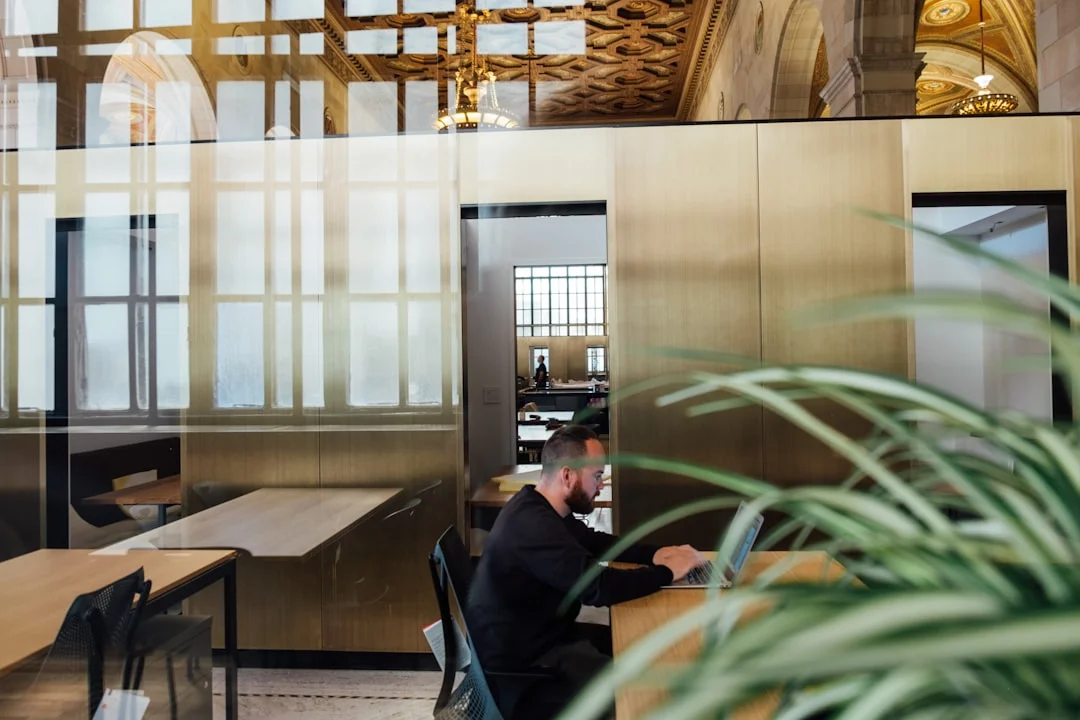
Biophilic design strategies—natural light, greenery, acoustic considerations, and ergonomic, flexible spaces—are widely associated with improved well-being and cognitive performance in office settings. The Accenture Montreal project exemplifies how a biophilic interior can be embedded within a technology-assisted, collaboration-focused environment. In the project description, the aim is to balance a vibrant, welcoming atmosphere with calm, weightless zones that reduce cognitive fatigue and support sustained focus in a high-activity corporate context. While the Montreal-specific data are still in early stages of public reporting, the design choices reflect a broader industry consensus that nature-infused interiors contribute to employee satisfaction and productivity, a point echoed by design practitioners and industry observers. (azuremagazine.com)
BDO’s Montreal office also aligns with the wellness-through-design narrative, emphasizing a green wall and access to daylight, complemented by dedicated spaces for yoga or relaxation. The combination of wellness amenities and biophilic materials signals a recognition that employee health is closely tied to office performance and retention. That approach resonates with global best practices that connect workplace design to talent attraction and workforce stability, particularly in competitive markets like Montreal. (officesnapshots.com)
Real estate market dynamics and occupancy
The Montreal biophilic office design trend intersects with property-market considerations such as tenant demand for healthier, more adaptable work environments and the impact on lease competitiveness. While city-scale data specific to Montreal’s rent and occupancy shifts are not exhaustively published in the sources cited, the presence of flagship biophilic projects by global firms signals a market signal: premium interiors tied to well-being and sustainability can influence leasing velocity and asset value in central business districts. Private-sector examples from Accenture and BDO illustrate how tenants leverage design as a strategic differentiator when negotiating space in a competitive market. (azuremagazine.com)
The municipal vertical-gardens program adds a policy dimension to the market conversation, showing that city leadership is supporting a greener urban fabric through capital projects and public investment. This alignment between city policy and private-sector trends can help reduce uncertainty around approvals, incentives, and public perception of a building’s environmental credentials. For developers and investors, these signals matter when forecasting the long-term attractiveness of Montreal’s core office markets. (montreal.ca)
The broader urban and design ecosystem context
Montreal’s approach to biophilic design sits within a broader, global dialogue about human-centered interiors that prioritize health, climate resilience, and measurable outcomes. DesignMontreal and other local resources emphasize biophilic interior design principles as part of a toolkit for healthier workplaces and cities, underscoring that Montreal’s trend is part of a broader movement toward evidence-based, wellness-forward interior environments. This linkage helps readers understand that the Montreal story is not isolated but part of a wider professional conversation about how cities and firms can design for well-being and productivity. (designmontreal.com)
What's Next
Projected timelines and upcoming implementations
Montreal’s biophilic design wave is likely to accelerate as more tenants seek healthy, flexible interiors and as municipal programs scale green-building initiatives. The City of Montreal’s vertical-gardens program, with milestones and delivery dates across multiple districts, indicates a pipeline of public-sector projects that will serve as a benchmark for private development. For readers tracking urban design and office real estate, the 2026 update and timetable for delivering vertical greenery on municipal facilities offer a concrete signal of the city’s commitment to biophilic elements in the built environment. (montreal.ca)
In the private sector, current Montreal office projects suggest a continued emphasis on blending biophilic elements with technology-enabled wellness. Accenture’s Place Ville Marie concept demonstrates how biophilic interiors can be integrated with design language that supports hybrid work patterns, spatial flexibility, and climate-conscious materials. Observers can expect more landlords and tenants to adopt similar playbooks, incorporating green walls, natural materials, daylight optimization, and environmental monitoring into leasing proposals and build-out standards. (azuremagazine.com)
What to watch for in the design and real estate community
- Measurement of outcomes: As Montreal firms adopt biophilic features, it will be important to monitor quantified outcomes such as occupant satisfaction, productivity metrics, and energy performance, to validate the business case for nature-forward interiors. The Accenture project’s CO2 monitoring and Net Positive framing highlight the potential to tie design choices to measurable environmental and health indicators. Industry observers will look for published results or case studies that quantify improvements in absenteeism, engagement, or task performance. (azuremagazine.com)
- Materiality and supply chains: Montreal’s biophilic projects are likely to continue emphasizing sustainable materials, low-emission products, and transparent supply chains as corporate buyers become more discerning about environmental footprints. The Accenture project’s materials selection and Lemay’s design approach exemplify this trajectory, and future projects will be watched for how suppliers and manufacturers align with these standards. (azuremagazine.com)
- City-wide benchmarking: The municipal vertical-gardens program offers an opportunity to benchmark cost, maintenance, and ecological benefits of large-scale greenery installations in urban settings. As more buildings participate, local governments and developers could establish standardized metrics to compare horticultural performance, heat mitigation benefits, and public realm enhancements, informing policy and investment. (montreal.ca)
Next steps for readers and industry professionals
- For tenants and landlords: Consider incorporating biophilic design elements such as natural daylight optimization, living walls, and greenery-dense collaboration zones into master plans, space-by-space programs, and lease proposals. The Montreal market examples provide concrete templates for how these elements can be integrated with brand identity and workplace culture. (officesnapshots.com)
- For designers and architects: Use established biophilic design principles as a framework for future Montreal projects, and align with sustainability goals (e.g., Net Positive strategies) to ensure both occupant well-being and long-term asset resilience. Montreal’s public projects and private flagship offices show how these principles translate into tangible design outcomes. (azuremagazine.com)
- For policymakers and city planners: Monitor the City of Montreal’s vertical-gardens program performance, including budgets, timelines, and maintenance practices, to refine future parklets, walls, and garden deployments. The city’s ongoing updates provide a live laboratory for evaluating urban biophilia at scale. (montreal.ca)
Closing
The Montreal biophilic office design trend is taking root in a city already committed to green urbanism and evidence-based design. From Accenture’s Place Ville Marie overhaul to BDO’s daylight-rich, wellness-forward offices, the trend is translating into real, measurable changes in how workspaces look and feel. The City of Montreal’s vertical-gardens program further anchors these efforts in a broader public strategy to enhance urban livability, with concrete budgets and delivery horizons that signal long-term intent. As more tenants and developers embrace nature-informed interiors, Montreal’s commercial real estate market will likely continue to experience a shift toward spaces that blend productivity, wellness, and ecological stewardship in a single, compelling package. For readers seeking the latest on how technology, design, and policy intersect in Montreal’s office market, ongoing coverage from industry partners and municipal updates will be essential to stay informed about the next wave of biophilic transformations in the city’s workspaces. (azuremagazine.com)
