Montreal Canadiens vs Boston Bruins January 25, 2026: Recap

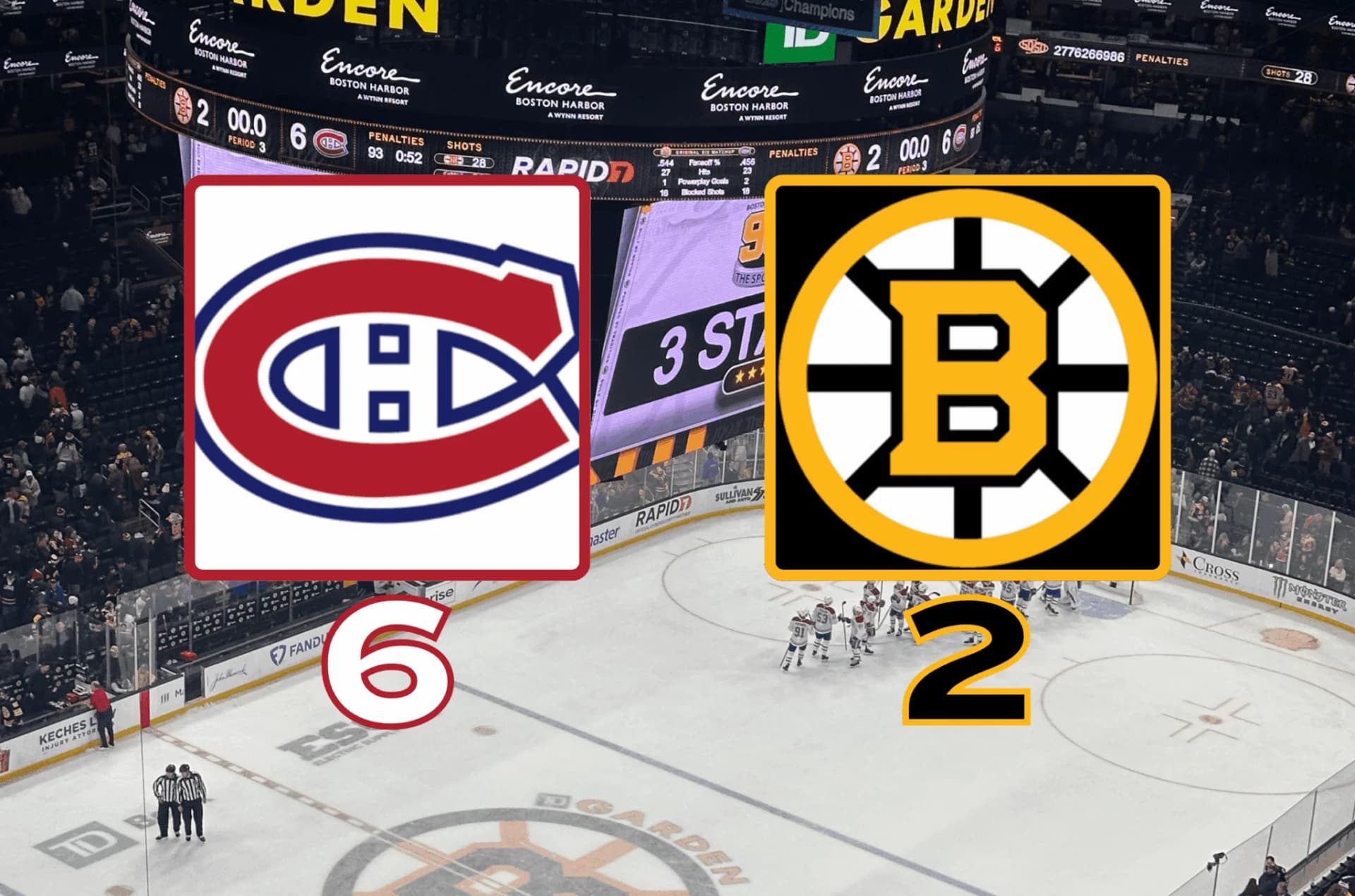
Today’s matchup between the Montreal Canadiens vs Boston Bruins January 25, 2026 delivered a dramatic 4-3 Bruins win at TD Garden in Boston, underscoring the enduring intensity of this historic NHL rivalry and offering a data-driven snapshot of how elite teams convert opportunities in a high-stakes divisional race. The game, played under the bright lights of the Boston arena, showcased a late Bruins surge highlighted by Morgan Geekie’s late-power-play heroics, and Cole Caufield’s hat trick for Montreal, a combination that keeps the rivalry squarely in the national spotlight. For readers tracking technology-enabled sports analytics and market dynamics, the evening also underscored how real-world performances are increasingly intertwined with advanced data streams that teams use to refine tactics, evaluate talent, and attract fans in a competitive market. The event aligns with broader industry trends that are reshaping how fans experience hockey, how teams profit from broadcast and in-arena engagement, and how the sport’s data infrastructure is evolving in real time. The official game summary and postgame remarks from both teams corroborate the core events and key performances that defined the night. (nhl.com)
The Montreal Canadiens vs Boston Bruins January 25, 2026 clash punctuated a season-long arc in which both franchises lean on veteran resilience and young talent to push for playoff positioning. Boston built momentum by rallying from a 3-2 deficit in the third period, turning to a potent power-play attack that connected on multiple opportunities. Morgan Geekie’s 27th goal of the season, coming on a power play late in the third, proved decisive as the Bruins completed a dramatic comeback. The final tally, 4-3, crowns a night of back-and-forth action that featured strong goaltending, timely scoring, and several high-leverage sequences that will be revisited in postgame analyses. Jeremy Swayman faced 22 shots and stopped 22, recording a solid performance in net for Boston, while Samuel Montembeault faced 25 shots and stopped 17 for Montreal. The Bruins’ supporting cast—Charlie McAvoy with three assists, Fraser Minten adding a goal and an assist, and Caufield’s historic scoring burst for the Canadiens—helped shape a game that felt like a microcosm of the season’s strategic tension between structure and opportunism. “It’s an excellent character win,” Swayman noted afterward, capturing the mood of a club that has leaned on its depth and late-game execution to tilt tight games in its favor. (nhl.com)
Section 1: What Happened
The Setting and Pre-Game Context
Venue, date, and stakes
The game was contested at TD Garden, Boston on January 25, 2026, with the Bruins hosting the Canadiens in a rivalry that remains one of the NHL’s most storied. The home crowd added an emotional edge to a game that carried implications for division standings and playoff seeding as the season crossed the halfway mark. In the lead-up, both teams balanced recent form with lineup considerations, including goaltender rotations and injuries that affected depth charts. The NHL’s publicly available recap confirms the setting and the expected intensity of a matchup between two teams with recent playoff aspirations. The Bruins entered the night with a 30-20-2 record, while the Canadiens sat at 28-17-7, reflecting a tight race for critical points as January operations began to tilt toward the stretch run. (nhl.com)
Personnel notes and starting dynamics
Boston leaned on Jeremy Swayman in net, who delivered a 22-save performance, while Montreal’s Samuel Montembeault faced a similar workload, stopping 17 shots in a game that ultimately favored Boston’s late push. The roster dynamics included Charlie McAvoy dishing three assists for Boston and Cole Caufield contributing a hat trick for Montreal, with Nick Suzuki notching two assists. The interplay between veteran leadership and emerging talent underscored a game that double-tested the teams’ tactical approaches—special teams execution, pace, and transition play were all under a magnifying glass given the stakes. The game’s official recaps provide the numerical backbone for these assessments and confirm the pivotal roles of the players cited. (nhl.com)
Turnabout in the Third: The Final 20 Minutes
Third-period swing and late heroics
The dramatic turn in the game arrived in the final period, when Fraser Minten and Morgan Geekie converted a high-leverage sequence to overturn Montreal’s advantage. Minten’s goal and Geekie’s subsequent power-play tally at 12 seconds apart in the third period represented a rapid-fire shift that turned a 3-2 deficit into a 4-3 lead. The Bruins’ late surge is documented in both the NHL.com game recap and the Canadiens’ recap, which highlight the sequence as the game’s decisive moment. Morgan Geekie’s late power-play goal, his 27th of the season, was a defining moment that sent Boston home with an important conference win. The Bruins’ late-game built-in experience—relying on special-teams execution—was a clear demonstration of how the team leverages roster depth in crunch time. ESPN’s game recap also notes Geekie’s 100th career goal, a milestone that added an emotional layer to the night for Bruins fans and a notable data point for team historians. (nhl.com)
Montreal’s fightback: Caufield’s historic night
Cole Caufield delivered a remarkable personal performance for Montreal, recording his second career hat trick and supplying the Canadiens’ three goals in regulation. Caufield’s scoring burst kept Montreal in contention throughout the night and provided a bright spot in an otherwise challenging result for the visitors. Nick Suzuki contributed two assists and served as a critical game operator, while Sam Montembeault’s 17-save effort showed the Canadiens’ goaltending resilience in a matchup defined by late Bruins pressure. The hat trick, paired with Caufield’s continued scoring touch, stands as a notable data point in Caufield’s development trajectory as Montreal sought to balance offense with the defensive rigor of Boston. The combination of Caufield’s productivity and the Bruins’ counter-punch remains a focal point in postgame analyses and fan discussions. (nhl.com)
Key Moments, Stats, and Notable Facts
- Final score: Bruins 4, Canadiens 3; a comeback victory that reflected the resilience and depth of Boston’s lineup. The recap emphasizes the comeback arc and the late power-play conversion that sealed the result. (nhl.com)
- Goaltending: Jeremy Swayman stopped 22 of 24 shots for Boston; Samuel Montembeault stopped 17 of 21 for Montreal, underscoring the goaltending parity that often defines these matchups. The postgame notes reflect the performance balance players and coaches referenced in their comments. (nhl.com)
- Scoring sequence: Montreal opened with a Caufield goal, followed by a Caufield power-play marker to tie the game late in the second, then a quick Bruins response—culminating in the third-period 12-second scoring burst by Minten and Geekie. This sequence is captured in the game summaries and scoring tables published by NHL.com and ESPN. (espn.com.au)
- Notable milestones: Morgan Geekie registered a two-goal game, including the game-winner, and reached a milestone with his 100th career NHL goal, a fact highlighted by ESPN’s recap. Charlie McAvoy contributed three assists, reinforcing the Bruins’ depth and ability to generate offense from their back end. (espn.com.au)
- Attendance and venue context: The game’s scale sits within a broader industry backdrop of strong attendance figures for the 2024-25 season, with the Canadiens among the league leaders in sellouts and capacity utilization. While that season’s data predates this particular January 25, 2026 game, it helps contextualize the market environment fans and sponsors face. The NHL’s attendance reports and ESPN coverage provide the seasonal framework that informs today’s market dynamics. (nhl.com)
Section 2: Why It Matters
Competitive and Rivalry Implications
Standings impact and playoff positioning
A win for Boston against Montreal tightens the Bruins’ hold on a favorable playoff position while keeping the Canadiens within striking distance of a postseason berth. The Bruins’ 30-20-2 mark, with eight of nine wins over recent stretches, demonstrates a team that has navigated fluctuations in form with a consistently strong run in the standings. In this rivalry, every two-point swing is magnified by both fan sentiment and the tactical optics of the league’s schedule, where intra-division matchups carry extra weight given the tight margins that separate teams near the playoff line. The official game recap positions the result within Boston’s ongoing push to secure home-ice advantages and maintain momentum as the season progresses. (nhl.com)
Montreal’s trajectory and talent development
For the Canadiens, Caufield’s hat trick and Montreal’s late scoring response highlight a team capable of high-end offensive bursts but still balancing defensive resilience and goaltending consistency. Montreal’s depth, including players like Nick Suzuki contributing assists and Montembeault’s performance in net, provides a window into how the club intends to navigate a demanding schedule while integrating younger players into pivotal roles. These dynamics will matter as the season evolves, especially in matchups against top-tier teams in the Eastern Conference. (nhl.com)
Market and Fan Engagement Impacts
Attendance and local market effects
The NHL’s broader attendance narrative for 2024-25, which set a record with more than 23 million fans and highlighted the Canadiens’ share of sellouts, offers a baseline understanding of the market environment in which this January 25, 2026 game took place. While those numbers reflect the prior season, they underscore the Canadiens-Bruins rivalry’s draw for fans and sponsors alike, and they frame expectations for venue attendance and in-stadium revenue in any given matchup. In the immediate aftermath of the game, Boston’s arena atmosphere and the rivalry’s continuing appeal are likely to drive strong in-arena engagement and consistent viewership across local and national networks. (nhl.com)
Broadcast and digital engagement trends
Beyond live attendance, the NHL ecosystem is increasingly driven by digital data streams and advanced analytics. The league’s developments around NHL EDGE, a comprehensive puck-and-player tracking system, enable richer broadcast graphics, deeper in-game storytelling, and more precise analytics for teams and fans. The NHL EDGE data, backed by Sportradar collaborations and IR camera networks, powers a growing set of fan-facing insights online and through league apps, which in turn influences sponsorship opportunities and monetization strategies around big rivalry games like Montreal Canadiens vs Boston Bruins January 25, 2026. The NHL’s EDGE platform and related technology partner programs illustrate how data-driven storytelling is becoming a central pillar of fan engagement and market strategy. (nhl.com)
The Tech-Driven Evolution of Hockey
Data as a strategic asset for teams
NHL EDGE and league-wide data initiatives have evolved to deliver actionable insights on individual and team performance. From player speed and distance traveled to shot power and location, teams can quantify on-ice behavior in unprecedented ways and use those insights to calibrate line combinations, power-play structures, and defensive schemes. This shift toward data-informed decisions is particularly relevant for a rivalry game such as Montreal Canadiens vs Boston Bruins January 25, 2026, where strategic adjustments in the third period can alter not only the outcome of a single game but also a team's momentum in the standings. The industry’s ongoing shift toward higher-resolution analytics is well documented in NHL communications and partner updates, including the new and evolving NHL EDGE landscape and in-game integration with consumer experiences. (nhl.com)
The role of gaming and cross-industry data partnerships
The convergence of real-world analytics with gaming and entertainment platforms is a notable trend. EA SPORTS’ NHL 26 integration with NHL EDGE data—bringing league data into a video game context through ICE-Q 2.0—shows how data interoperability is expanding beyond traditional broadcasts and into interactive experiences. This alignment with sports tech and fan engagement signifies a broader market opportunity where accurate, real-time metrics can inform both on-ice decision-making and consumer experiences outside the rink. The partnership and product rollouts highlight the market’s receptiveness to data-driven storytelling in sports. (nhl.com)
The official data ecosystem and fan access
The NHL EDGE ecosystem, including the redesigned NHL EDGE site, provides fans with curated data visualizations, player comparisons, and zone-based insights that deepen the viewing experience. This is particularly salient for rivalry nights, where fans seek both a narrative and a quantitative lens on who controlled key shifts, where shots were taken, and how teams allocated their resources under pressure. The 2023-24 and 2024-25 iterations of the EDGE platform laid the groundwork for continuous improvement in fan-facing data storytelling, with overnight data refreshes and easy-to-navigate interfaces that make complex data accessible to casual fans and analytics enthusiasts alike. (nhl.com)
What This Means for the Market and the Fan Experience
Sponsorship and sponsorship-risk management
Rivalry games with high viewership and attendance often attract premium sponsorships, especially when data-driven storylines—like late-game comebacks, milestone goals, and standout individual performances—align with brand narratives. The Montreal Canadiens vs Boston Bruins January 25, 2026 game’s dramatic finish provides a compelling case study for sponsors seeking to maximize exposure around pivotal moments. The data-backed narratives—Geekie’s game-winning goal, Caufield’s hat trick, and McAvoy’s playmaking—offer clear beats for brand tie-ins and fan engagement campaigns that leverage both in-arena and digital platforms. The league’s ongoing work with technology partners around advanced analytics further expands opportunities for data-centric sponsorships and experiential marketing. (nhl.com)
Broadcast strategy and audience segmentation
As the league continues to invest in analytics-driven storytelling, broadcast partners are increasingly focused on delivering richer, more targeted coverage. The Montreal Canadiens vs Boston Bruins January 25, 2026 game serves as a real-time case for how data feeds, on-screen graphics, and in-depth postgame analysis can be broadcast to diverse audiences—from hardcore fans to casual viewers—through multiple platforms. The industry’s attendance and viewership data—bolstered by NHL-wide attendance records and high-margin rivalry programming—provide a strong market signal that the genre remains a viable growth engine for sports media rights. The ongoing evolution of NHL EDGE and related data ecosystems supports these strategies by enabling more informative and interactive broadcasts. (nhl.com)
Section 3: What’s Next
What Bruins, Canadiens Fans Should Watch For
Upcoming schedule and head-to-head repeats
Following the January 25, 2026 meeting, both teams typically stagger rematches within the season’s schedule, with the possibility of late-season meetings or playoff implications depending on standings. For readers tracking the Bruins’ and Canadiens’ trajectories, the NHL 2025-26 schedule materials and team announcements outline the path forward, including potential back-to-back sets and travel demands that will test depth and resilience. The Bruins’ schedule, including home-heavy blocks in January and upcoming marquee dates such as Stadium Series events, suggests continued emphasis on maintaining momentum in front of their home crowd and on national broadcasts. The Bruins’ official season schedule release and subsequent game notes provide a reliable frame for what to expect next in the rivalry’s broader arc. (nhl.com)
Player trajectories and strategic shifts
Boston’s Morgan Geekie and Fraser Minten’s contributions in late-game scenarios reinforce the value of depth players who can contribute in critical moments. For Montreal, Caufield’s scoring surge and Montembeault’s steadiness show a team-ready approach to leveraging high-end talent while improving defensive consistency. As teams push toward the trade deadline and beyond, observers will be watching for how analytics-driven evaluations inform roster changes, player development paths, and potential long-term strategic pivots. The integration of real-world data into both team decision workflows and fan-facing analytics platforms will continue to shape how teams evaluate prospects and how fans interpret performance. (nhl.com)
What to Watch in the Broader Market Context
Tech-driven fan engagement and monetization
The hockey market’s ongoing investment in data infrastructure, from EDGE to cross-platform storytelling, will likely accelerate as fans demand more granular insights and more immersive viewing experiences. The NHL’s partnerships around Puck and Player Tracking data, along with the growing emphasis on fan-friendly data dashboards, indicate a market where sports data is a product in its own right—one that can complement ticket sales, sponsorships, and broadcast engagement. The EA Sports integration of NHL EDGE data into NHL 26 is a signal that data fidelity has real monetization potential beyond the rink, offering a blueprint for cross-media partnerships to amplify the Montreal Canadiens vs Boston Bruins January 25, 2026 story across games and seasons. (news.ea.com)
The next frontier for official data storytelling
NHL EDGE’s evolution, including its dedicated site and in-broadcast integration, is not just a reframing of statistics; it’s a new language for fans to engage with the game. For analysts, coaches, and front offices, the ability to drill into zone time, shot location, and speed data in real time is a powerful competitive differentiator. For the public, it means richer postgame narratives and more precise, verifiable claims about performance, which can increase trust and engagement in a sport where outcomes are often decided by small margins. The ongoing collaboration with Sportradar and the broader tech ecosystem suggests that this is more than a trend; it’s a structural shift in how hockey is observed, understood, and valued by audiences. (nhl.com)
Closing
The Montreal Canadiens vs Boston Bruins January 25, 2026 game delivered a memorable chapter in a long-running rivalry, combining a late Bruins comeback with a hat-trick performance from Caufield and milestone moments from Geekie. It also highlighted the league’s broader transition toward data-rich storytelling, analytics-enabled decision-making, and a market that increasingly values technologically enhanced fan experiences. For readers of the Montréal Times, the game offered a compact snapshot of performance, strategy, and market dynamics at the intersection of sports, technology, and business—precisely the kind of data-driven, neutral, and accessible reporting that matters in today’s sports media landscape. As teams continue to refine tactics through advanced analytics and as fans engage with new data-enabled narratives, the Montreal Canadiens vs Boston Bruins January 25, 2026 matchup will be remembered not just for the scoreline, but for how it exemplified a broader evolution in professional hockey.
Stay tuned for postgame analyses, in-depth breakdowns of the third-period swing, and ongoing coverage of how tech-enabled sports analytics are shaping the future of the Bruins, Canadiens, and the NHL at large. For ongoing updates, fans can follow league and team channels, review EDGE-driven stats, and watch upcoming broadcasts that promise deeper insights into both teams’ trajectories and the market forces surrounding one of hockey’s greatest rivalries. The data-backed story of this game is just beginning, and the narrative will continue to unfold in the weeks and months ahead.