Montreal Canadiens vs Hurricanes January 2, 2026 game recap

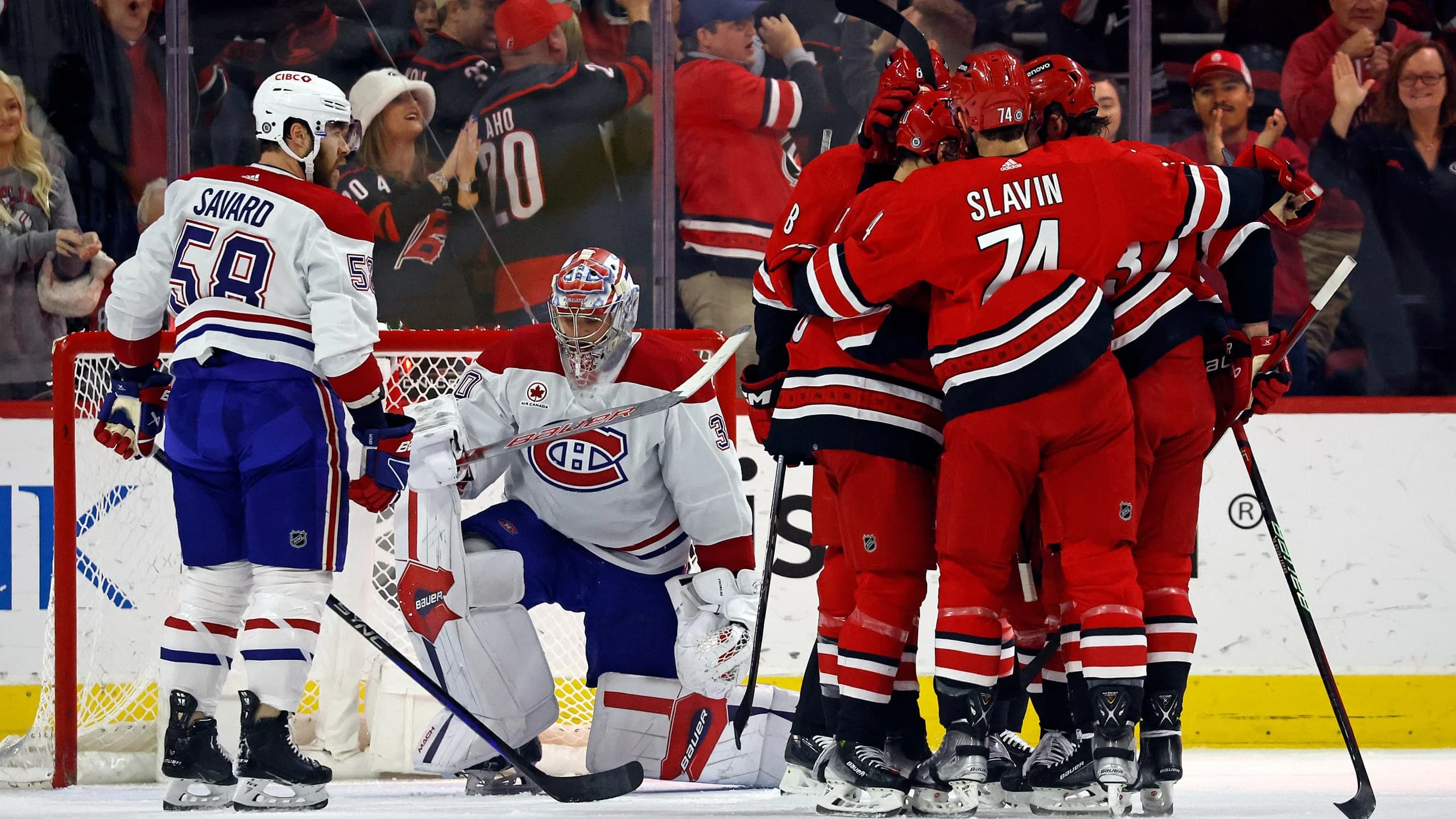
The Montreal Canadiens pulled off a dramatic comeback to beat the Carolina Hurricanes 7-5 on January 2, 2026, in Raleigh, North Carolina, at Lenovo Center. The game capped a high-scoring, back-and-forth contest that showcased Montreal’s resilience on the road and highlighted individual performances that could influence both teams’ trajectories as the season progresses. This game recap provides a data-driven snapshot of the night’s key moments, the players who defined the outcome, and the broader implications for team strategies, fan engagement, and the evolving sports-media landscape as the NHL continues to deepen its analytics integration and broadcast strategy. The Canadiens’ win adds another chapter to their seven-game road trip, reinforcing their ability to convert pressure into offense on the road and maintain momentum as they chase playoff positioning. The Hurricanes, led by Sebastian Aho’s exceptional night, demonstrated how a single player’s production can keep a close game within reach even after Montreal rallied from an early deficit. (nhl.com)
The final tally, 7-5, underscored a game that featured back-and-forth momentum shifts, a pair of timely Montreal goals 23 seconds apart in the second period, and a multi-point performance across several Canadiens lines. Aho’s five-point night—two goals and three assists—illustrated why he remains a central figure for Carolina, able to drive offense even in a losing effort. The Hurricanes had their moments, including a strong first period that produced a 3-2 lead before Montreal’s offense surged in the second and third frames. Jakub Dobes stopped 20 shots for Montreal, while Brandon Bussi was on the losing end, stopping 16 of 21 for Carolina. These goaltending performances framed a game that, from a data-analytics perspective, highlighted the value of transition play, shot generation, and special-teams execution in shaping outcomes on a night when both teams leaned into high-event hockey. (nhl.com)
Section 1: What Happened
Game setting and opening minutes The stage was set for an entertaining Thursday-night matchup at Lenovo Center, Raleigh, with Montreal coming off a grueling multi-city road swing and looking to extend its positive momentum on the road. The Canadiens wasted no time generating offense, striking twice in rapid succession when Nick Suzuki and Oliver Kapanen found the back of the net just 56 seconds apart in the opening period. The Hurricanes countered with a quick push of their own, including a power-play finish from Nikolaj Ehlers at 10:47 and Sebastian Aho’s redirect of a Joel Nystrom blast at 12:19, tying the game and energizing a home crowd that has watched Carolina post solid home marks this season. Carolina then surged ahead on a scramble that finished with Svechnikov completing a feed from Aho at 14:51, giving the Hurricanes a 3-2 edge after 20 minutes. The period’s dynamic underscored Carolina’s poise in transition and Montreal’s willingness to chase the pace, a contrast that would become a defining feature of the night. Carolina goalie Brandon Bussi faced a high-event first period, allowing three goals on Montreal’s first five shots before settling into the middle frame. This opening sequence set the tone for a game that would evolve from a back-and-forth tilt into a data-driven case study in rapid scoring, zone pressure, and goaltending tempo. (nhl.com)
Second-period turnaround and the swing in momentum The second period brought the most decisive swing in the game. Sammy Blais began the Canadiens’ comeback with a goal early in the middle frame, cutting the deficit to one. The Canadiens then exploded with back-to-back tallies 23 seconds apart—Caufield tying the game at 16:23, followed by Anderson’s go-ahead strike at 16:46. The sequence was a striking example of Montreal’s sudden offensive efficiency, converting quality chances into goals in a narrow window, and it proved pivotal in shifting the game’s momentum. Montreal’s contingent on the night continued to press, and Juraj Slafkovsky’s strike at 11:20 of the third period extended the advantage, making it a two-goal lead that Carolina would eventually attempt to erase with an extra attacker. Lane Hutson’s empty-netter at 18:00 sealed the victory for Montreal, capping a standout individual performance from a defenseman who has become a critical part of Montreal’s transition game. The second period was characterized by a sustained push from Montreal, which capitalized on Carolina’s clearing mistakes and a rough stretch in the Hurricanes’ own defensive zone coverage, allowing the Canadiens to flip the script and take a lead that would not be relinquished. (nhl.com)
Late-game sequences and goaltending race The Hurricanes briefly closed the gap toward the end of regulation when Aho scored again with the extra attacker at 16:58, trimming the Canadiens’ lead to one. However, Hutson answered with the empty-net seal at 18:00, delivering a cushion Montreal would not surrender. The final minutes featured a flurry of activity as Carolina pressed to mount a comeback while Montreal managed the puck effectively in the defensive zone and in the neutral zone, limiting high-quality chances while maintaining offensive pace. Jakub Dobes finished with 20 saves for the Canadiens, anchoring a game where Montreal’s top-line contributions—Suzuki, Kapanen, Caufield, Slafkovsky, Blais, and Hutson—combined for multiple-point performances across different lines. On the Hurricanes side, Aho’s five-point effort stood out in a losing cause, with Ehlers and Svechnikov contributing solid multi-point nights as well. The goaltending duel and the turnover-prone moments in the Hurricanes’ own zone framed a game that leaned heavily on transition play and shot generation, with Montreal leveraging high-volume puck movement to produce 7 goals on the night. Overall, the game delivered a high-scoring showcase that balanced star power with depth-scoring contributions from both teams. (reuters.com)
Key player performances and supporting cast Cole Caufield and Josh Anderson each played crucial roles in the second-period surge that flipped the game in Montreal’s favor. Caufield’s tying tally and Anderson’s unassisted, go-ahead strike within 23 seconds of each other in the second period exemplified how quickly momentum can swing when a line finds chemistry and executes on timing and support plays. Lane Hutson’s night—an assist on Caufield’s goal and the empty-netter—illustrated the growing impact of Montreal’s young defensemen in a high-tempo, offense-forward system. Slafkovsky’s third-period tally further underscored the value of youth development within Montreal’s lineup, as the rookie created a critical insurance goal that helped consolidate the win. For Carolina, Aho’s five-point performance provided a reminder of his central role in generating goals and creating offense, especially on the power play and in transition. Ehlers and Svechnikov complemented him with multi-point efforts, underscoring the Hurricanes’ depth and ability to distribute scoring across lines when the matchups favor their transition game. Jakub Dobes and Brandon Bussi faced heavy workloads, with Montreal’s relentless press testing Carolina’s goaltending duo throughout the night. (nhl.com)
Section 2: Why It Matters
Impact on standings, performance trends, and road-trip narrative The Canadiens’ 7-5 victory over the Hurricanes added a notable chapter to a seven-game road trip that Montreal had been navigating with mixed results but overall positive momentum. The Canadiens previously reached a 3-0-2 mark on the trip, extending their point streak and reinforcing their ability to respond to deficits with explosive offensive spurts. That performance helps the team maintain pace in the Atlantic Division and strengthens their case for playoff positioning as the season moves into its heart. The game also marked Montreal’s first win in Carolina since 2016, a historical note that underscores the franchise’s ability to break long-standing road-drought patterns and convert opportunity into favorable results on the road. This dynamic is particularly meaningful for data-driven observers who track road performance trends, line matching efficiency, and the ability of a team to maintain puck possession and generate quality shots in unfamiliar environments. (reuters.com)
Aho’s five-point night and Carolina’s offense Sebastian Aho’s five-point night highlighted the Hurricanes’ potential when their top producers are clicking. The multi-point performance—two goals, three assists—showcased his offensive versatility and continued ability to drive puck possession and scoring chances for Carolina. Yet the game also demonstrated that a balanced Canadiens attack could overwhelm a team when multiple lines contribute, and that Carolina’s defense and goaltending faced a demanding challenge in a high-event contest. The Hurricanes entered the game with the expectation that Aho would be a primary creator, and his performance verified that expectation, even as the team could not close the gap in the late stages. For hockey analytics watchers, Aho’s night is a reminder of the importance of high-discipline play and the capacity for a single asset to influence both even-strength and special-teams outcomes. (nhl.com)
Market, media rights, and the evolving broadcast ecosystem Beyond on-ice outcomes, the NHL’s broader market dynamics are a critical factor in evaluating this game’s long-term impact. The league’s media-rights landscape in Canada is undergoing a transformative shift, as Rogers Communications has secured a 12-year national rights deal starting with the 2026-27 season, a move that underscores the growing value of televised and digital distribution for hockey's fanbase in Canada. The deal, valued at roughly CA$11 billion, aligns with broader trends in sports media where publishers are embracing expansive, multi-platform strategies to maximize reach and engagement. This shift is especially relevant as teams explore local streaming and direct-to-consumer options to complement traditional broadcast deals, a topic increasingly discussed in industry analyses and market forecasts. The Rogers deal, alongside the U.S. media-rights ecosystem and ongoing sponsorship activity, frames a hockey season where performance on the ice intersects with a rapidly evolving broadcast and sponsorship environment. These developments matter for teams’ revenue strategies, fan accessibility, and long-term growth potential. (reuters.com)
Analytics and performance context: what this game teaches teams From a data-driven perspective, this game offers several teachable points. First, the Canadiens’ ability to convert in a tight window—scoring twice in 23 seconds during the second period—demonstrates the value of sustained offensive pressure and line depth in creating high-probability scoring chances. Second, Montreal’s defensive adjustments between periods—limiting Carolina’s offense after the initial surge and maintaining pressure in transition—highlight the value of structured zone coverage and quick puck retrieval to sustain momentum. Third, the game emphasizes the importance of goaltending tempo and shot quality, with Jakub Dobes turning away 20 shots in a high-volume environment, while the Hurricanes’ goaltender tandem faced a challenging night in a game that demanded consistent, low-risk clearances under pressure. For clubs investing in advanced analytics, the night’s box score and highlight package can feed models that gauge shot quality, turnaround time after turnover, and the effectiveness of special-teams sequences in turning a deficit into a lead. The Hurricanes’ five-point night from Aho—while notable—also invites deeper analysis into how Carolina can better capitalize on early leads to avoid late-stage collapses, a theme repeatedly discussed by coaches and analytics staff in recent seasons. (reuters.com)
Section 3: What’s Next
Upcoming schedule, momentum, and key watchpoints The Canadiens’ schedule tightens after this road-game victory. Montreal is slated to open a back-to-back with a road trip to St. Louis, squaring off against the Blues in a 4:00 p.m. ET game on the following Saturday. This next test will require Montreal to replicate the energy and execution demonstrated in Raleigh, especially given the travel and back-to-back fatigue that often shapes a team’s performance in the second night of a back-to-back set. The NHL’s game recap and team notes emphasize the importance of maintaining focus and leveraging offensive depth, as Montreal has multiple players capable of contributing on any given night. Keeping Corey Caufield, Hutson, Slafkovsky, and Demidov integrated into the game plan will be essential as the schedule intensifies. (nhl.com)
Carolina’s immediate next steps and the broader context For the Hurricanes, the loss added to a storyline about puck management and consistency moving forward. Carolina returned to practice on Friday and prepared for a back-to-back stretch that included a home game against the Colorado Avalanche on Saturday, followed by a trip to New Jersey on Sunday. The Hurricanes’ plan going forward will likely focus on tightening turnover prevention in the neutral zone, reinforcing defensive structure in the high-traffic areas, and sustaining offensive pressure through lines that can sustain momentum when Aho is not scoring on a given night. The team’s coaching staff and front office will also weigh how much of the game to attribute to one-off, high-scoring performances versus systemic adjustments that can reduce risk while still generating offense. The Hurricanes’ next home game and the schedule around it remain critical markers for Carolina’s playoff aspirations and overall stability in a competitive Metropolitan Division. (nhl.com)
Industry and market-watch observations This game sits within a broader professional sports ecosystem where performance metrics and media rights converge to shape fan engagement and financial outcomes. Industry analyses from late 2024 through 2025 noted the NHL’s strong revenue trajectory, driven in part by expansive broadcast deals in the United States and Canada, as well as growing interest in streaming and digital distribution. Analysts highlighted that rights deals—such as Rogers’ Canadian agreement and the U.S. partnerships—are integral to expanding reach and sustaining fan interest in a multi-platform environment. These market dynamics influence how teams invest in analytics, player development, and fan experience innovations, as well as how broadcasters price and package games for viewers in different regions. In this context, the Montreal Canadiens vs Hurricanes January 2, 2026 game recap illustrates how a single game can be both a high-stakes competition and a data-rich event that informs broader strategic decisions about lineup construction, pacing, and audience targeting. (reuters.com)
What’s Next: deeper look at potential implications for technology and the market
- Data-driven coaching: As teams increasingly rely on real-time analytics, the Canadiens’ ability to adjust on the fly during the Raleigh game could inform future coaching decisions around line matching and defensive structure. This aligns with broader industry discussions about analytics informing in-game decisions and personnel moves, a trend noted by market analysts researching the NHL’s evolving broadcast and data ecosystem. (spglobal.com)
- Broadcast strategy and accessibility: With a major Canadian rights deal in play, this game also illustrates how fan access to high-profile matchups could expand via national and regional platforms, potentially driving higher streaming engagement and sponsorship exposure. Industry coverage indicates that the NHL’s media-rights landscape continues to evolve, with streaming integration and platform diversification playing larger roles in audience reach. (reuters.com)
- Sponsorship and brand exposure: Advanced-television reporting and sponsorship analytics data point to ongoing value generation from broadcast placements across leagues, and the NHL’s growth trajectory suggests continued opportunity for brands to align with marquee games, including those featuring dynamic comebacks and star performances like Aho’s night. This market context helps explain why the league and its teams emphasize data-driven presentation of games to attract and retain sponsor interest. (advanced-television.com)
Closing thoughts and how to stay updated The Montreal Canadiens vs Hurricanes January 2, 2026 game recap demonstrates how a single game can illuminate both the tactical realities on the ice and the broader market forces shaping professional hockey. The Canes’ five-point night from Aho and Montreal’s late-game surge underscore the dynamic, high-scoring nature of modern hockey, where offense and defense intertwine with analytics and media-rights strategy to create a compelling fan experience. For readers seeking ongoing updates, follow official team channels, league recaps, and trusted outlets like NHL.com, Reuters, and major sports media partners that provide real-time statistics, postgame analysis, and market context as teams navigate the rest of the 2025-26 season. (nhl.com)
Appendix: quick-reference facts from the night
- Final score: Montreal Canadiens 7, Carolina Hurricanes 5, at Lenovo Center, Raleigh, NC. The game took place on January 2, 2026, with Montreal’s Jakub Dobes making 20 saves and Carolina’s Brandon Bussi taking the loss after stopping 16 of 21. (nhl.com)
- Notable Montreal scorers: Nick Suzuki, Oliver Kapanen, Samuel Blais, Cole Caufield, Josh Anderson, Juraj Slafkovsky, Lane Hutson (empty-net). Hutson also contributed an assist. (nhl.com)
- Notable Hurricanes scorers: Nikolaj Ehlers, Sebastian Aho (2 goals, 3 assists), Andrei Svechnikov, Alexander Nikishin, with Aho producing five points in the game. (nhl.com)
- Key momentum shift: Montreal’s second-period goals 23 seconds apart swung the game from a Carolina lead to a Canadiens advantage. (nhl.com)