Montreal Culinary Trails 2026: Citywide Tasting Route

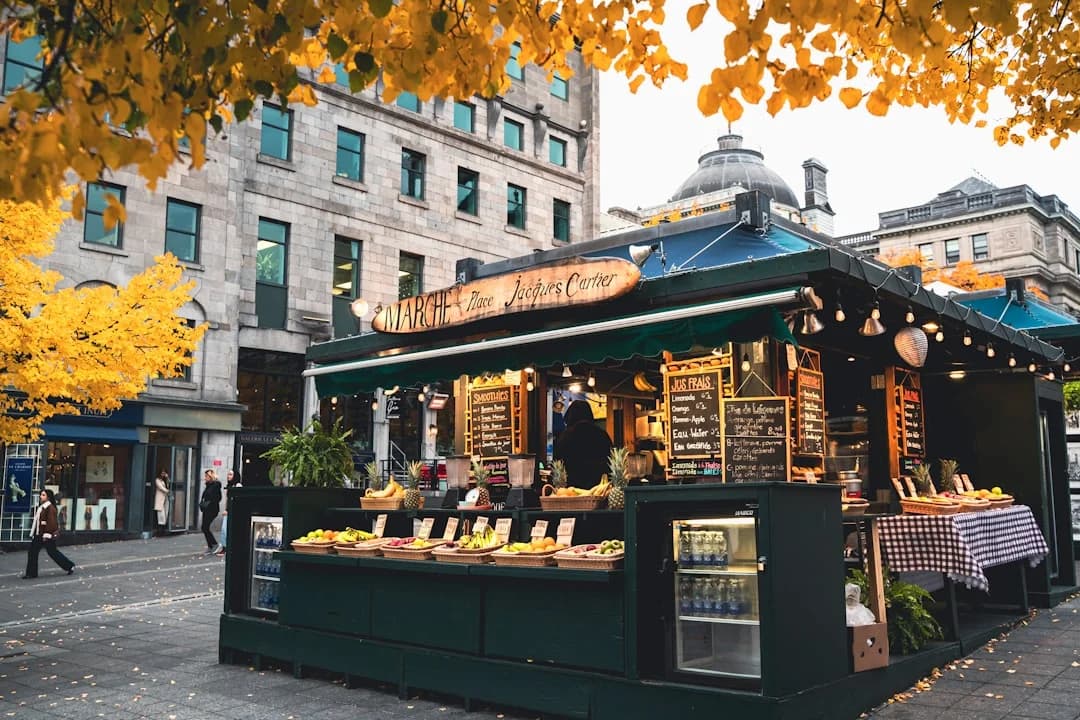
Photo by Ziyao Xiong on Unsplash
Montréal Times presents a data-driven take on a city-wide culinary concept that has begun to surface in industry conversations: Montreal culinary trails 2026. As restaurants, markets and cultural districts collaborate to reinvent how visitors and residents experience food, the idea of a coordinated, neighborhood-spanning tasting route has begun circulating in planning circles, policy discussions and tourism forums. While there is no confirmed citywide program named Montreal culinary trails 2026 as of mid-June 2026, the concept aligns with growing demand for immersive, tech-enabled food experiences and a desire to diversify tourism beyond traditional hotspots. In this context, the discussion matters because it touches on how Montreal can leverage its rich culinary ecosystem to attract visitors, extend average stays and increase per-visit spending across multiple districts. The potential implications span neighborhood economies, supply chains for small producers, and the role of digital platforms in guiding visitors through a curated culinary journey. (newswire.ca)
Early signals around Montreal’s culinary scene in 2025 and 2026 show a city that continues to invest in food-focused experiences, even as no single, officially branded program with the exact name Montreal culinary trails 2026 has been publicly announced. Tourisme Montréal has highlighted a broad array of culinary activities across neighborhoods—ranging from guided food tours in Mile End and Old Montréal to specialty dining weeks like MTLàTABLE and seasonal events in districts such as Fleury Street and Old Montréal. The absence of a formal, city-branded trails program does not diminish the relevance of the wider trend: structured culinary itineraries, cross-neighborhood collaborations and digital-guidance tools are increasingly common in major North American cities, and Montreal is clearly contributing to that trend through ongoing initiatives and partnerships. For readers tracking the city’s culinary evolution, that context matters because it demonstrates a market readiness for more integrated food experiences, even as the exact blueprint for a citywide trail remains unconfirmed. (mtlatable.mtl.org)
Opening the door to a focused data-driven discussion, this piece examines what a Montreal culinary trails 2026 program could involve, why it would matter for the city’s tourism and local economies, and what to watch for next in the coming months. The analysis draws on recent tourism performance figures, the trajectory of culinary events in the city, and the growing use of technology to enhance visitor experiences. By examining these elements, Montréal Times aims to equip readers with a clear sense of the opportunities, the risks and the practical steps that would define a successful rollout if and when authorities choose to formalize Montreal culinary trails 2026. The numbers matter: in 2025, Montreal welcomed a very high level of visitors, and a large share of tourist spending went toward food and accommodation, underscoring the economic incentives for a well-designed culinary-route initiative. (newswire.ca)
What Happened
The Concept Under Discussion Montreal’s hunger for creative, place-based experiences has long had it leaning toward neighborhood-scale culinary offerings. In 2026, multiple industry observers noted an openness among restaurant groups, cultural institutions and tourism officials to exploring more coordinated, map-driven food experiences that could span several neighborhoods. While no official press release has named Montreal culinary trails 2026 as a formal program, the city’s ongoing emphasis on culinary tourism—through guided tours, weekend food-focused events and cross-district collaborations—provides a natural backdrop for a potential citywide route. The concept would build on the existing portfolio of experiences that Tourisme Montréal and partner organizations market to visitors, including curated walking tours in Mile End and Old Montréal and seasonal restaurant weeks that connect eateries with travelers seeking authentic local flavors. The current landscape includes a mix of neighborhood-focused tours, such as local walking tours guided through Mile End and Plateau-Mont-Royal, and well-known events that already attract visitors looking for curated culinary experiences. These elements lay a groundwork that could be scaled into a citywide tasting route if an official program were approved. (mtl.org)
Timeline and Key Facts (to watch)
- 2025-2026: The city’s culinary ecosystem continues to expand with events and tours that illustrate the appetite for structured food experiences. While Montreal culinary trails 2026 has not been publicly announced as a standalone program, related initiatives demonstrate the market’s appetite for coordinated experiences across neighborhoods. Examples include MTLàTABLE’s expansion and sustained restaurant-week activities, which signal a broader openness to culinary cooperation and cross-venue experiences. (mtlatable.mtl.org)
- 2026: Several high-profile culinary festivals and experiences continued to roll out across the city, reinforcing the market signal that visitors are seeking curated, diverse dining journeys. Montréal en Lumière, for instance, extended into 2026 with related gastronomy-focused events and partnerships, reflecting the city’s ongoing strategy to attract visitors through food. (tastet.ca)
- 2026: Immersive and tech-enabled experiences gained visibility in Montreal’s tourism calendar, with projects like Panorama Expérience in the Old Port launching in early 2026 and positioning technology as a driver of museum, port and city experiences. While not a culinary program per se, these tech-forward offerings demonstrate the kind of digital infrastructure that could underpin a future Montreal culinary trails 2026 if the city moves in that direction. (port-montreal.com)
- 2025-2026: The city’s tourism performance continued to reflect a strong appetite for food-related experiences, underscoring the economic rationale for any future cross-neighborhood culinary initiative. Reports from Tourisme Montréal and city outlets highlighted robust visitor numbers and meaningful spending tied to food and lodging. This background supports why a citywide route could be compelling if formalized. (newswire.ca)
Early Signals in Related Initiatives Even without a formal Montreal culinary trails 2026 program, related activities already illustrate the trajectory toward integrated food experiences. The city hosts a variety of street-front culinary festivals—such as Fleury Gourmande, a multi-restaurant event along Rue Fleury that showcases neighborhood dining across a defined corridor—and formal food-tour offerings orchestrated by local operators. These existing programs provide a practical blueprint for cross-district collaboration, coordinated marketing, and synchronized guest experiences that a city-sponsored trail could eventually replicate or expand. (fleurygourmande.ca)
Why It Matters for the City and its Visitors Economic and Tourism Impacts Montreal’s visitor footprint in 2025 approached 12 million travelers, with tourism revenue and spend showing resilient growth even as international travel patterns shifted. Numerous sources cited by local media and national outlets indicate that Montreal’s tourism ecosystem performed strongly in 2025, with total visitor numbers near 11.8–11.9 million and tourism expenditures around the $5.8 billion mark. A citywide Montreal culinary trails 2026 could be a lever to further lift dining spend, encourage longer stays, and distribute economic activity more evenly across neighborhoods that historically attract fewer visitors. A more evenly distributed footfall can also help mitigate congestion in top-draw districts while supporting smaller operators in emerging culinary pockets. (newswire.ca)
Data-Driven Rationale for a Citywide Trail From a market-analysis perspective, a trails-style program aligns with several broader trends in modern tourism:
- The demand for authentic, place-based experiences that connect travelers with local producers, culinary schools, and neighborhood legends. Montreal already hosts a variety of walking tours that emphasize local flavor and cultural heritage, which could be scaled into a unified trail with centralized orientation, booking, and measurement systems. For readers looking for comparable models, Montreal’s existing food-tour ecosystem (including guided Mile End and Old Montréal routes) provides a proven foundation that a formal Montreal culinary trails 2026 program could leverage. (mtl.org)
- The rise of digital experiences that blend on-site discovery with mobile guidance, smart maps, and data-driven recommendations. Montreal’s growing portfolio of digital arts and immersive experiences demonstrates the city’s appetite for technology-enabled visitor experiences, an ecosystem that would be invaluable to a tech-forward culinary trails initiative. The same digital-arts ecosystem is relevant to the city’s broader strategy for a connected tourism experience. (mtl.org)
- A trend toward immersive, cross-sector partnerships that fuse gastronomy with cultural programming, wine and beverage education, and market-driven producer networks. The city’s festival ecosystem and cross-neighborhood collaborations reflect a pattern where culinary experiences are integrated with cultural, art and entertainment offerings. This approach can amplify the appeal of a Montreal culinary trails 2026 program beyond food alone and into a holistic visitor experience. (tastet.ca)
Neighborhood-Level Economic Effects If Montreal culinary trails 2026 were realized, Mile End, Plateau-Mont-Royal, and Old Montréal—three districts with deep culinary roots and high visitor interest—could receive disproportionate benefits. The Mile End corridor is widely recognized for its bagel shops, independent cafes, and creative food concepts, while the Plateau offers bistros, bakeries and casual eateries that attract day-trippers and locals alike. Old Montréal, with its historic ports and premium dining options, would likely anchor a flagship leg of any citywide route. The cross-neighborhood traffic generated by a single, coordinated route could drive demand for pop-up events, transit-friendly access points, and merchandise tied to Montreal’s culinary identity. Even modest increases in foot traffic can yield meaningful revenue gains for small operators, who are often the backbone of the city’s culinary innovation. (mtl.org)
Public-Private Collaboration and Talent Development A trails-based program would require careful collaboration across municipal agencies, Tourism Montréal, local restaurants associations, and neighborhood development groups. Montreal’s existing collaborations—such as the MTLàTABLE initiative, which showcases multiple participating restaurants, and cross-neighborhood partnerships that highlight specific districts—offer a governance blueprint for any future Montreal culinary trails 2026 program. A data-driven approach could leverage anonymized visitor metrics to optimize routes, balance restaurant load, and calibrate marketing to maximize positive outcomes for participating businesses. This would also dovetail with ongoing skills development in the hospitality sector, where culinary schools, producers and service personnel can align training with route-specific needs and guest expectations. (mtlatable.mtl.org)
Technology and Market Trends Shaping the Experience Digital guidance, personalized itineraries, and real-time updates are becoming standard in modern culinary tourism. The Old Port’s immersive and tech-forward experiences, including Panorama Expérience, illustrate the city’s capacity to fuse culinary and digital immersion (even if Panorama is not a food experience per se). A Montreal culinary trails 2026 initiative would likely incorporate digital maps, QR-enabled micro-guides, time-slot reservations for popular stops, and data-driven adjustments to route recommendations based on seasonality, restaurant capacity, and consumer preferences. Montreal’s broader digital-arts ecosystem and smart-tourism discourse provide a technical backdrop for such an implementation, emphasizing data privacy, accessibility, and scalable platform architecture that can adapt to changing visitor flows. (port-montreal.com)
What It Would Mean for Local Businesses For small operators, a citywide culinary route could democratize exposure and create new cross-promotion opportunities. Restaurants might gain incremental demand by appearing on a curated route, while producers and markets could benefit from co-branded experiences that highlight local ingredients and seasonal menus. Crucially, any successful Montreal culinary trails 2026 program would need to balance showcase opportunities with the realities of capacity management, ensuring that popular spots can accommodate visitors without compromising the quality of service. A well-structured program would also include performance metrics such as average spend per guest, length of stay, and repeat visitation rates to monitor impact. This kind of measurement aligns with the data-driven mindset that now permeates Montreal’s tourism planning, as evidenced by annual tourism performance reporting that underscores visitor numbers and spending patterns. (dam.mtl.org)
Section 2: Why It Matters
Economic Significance and Market Context
The Montreal tourism ecosystem in 2025 demonstrated resilience and growth, underscoring a strong market for culinary experiences. Visitor numbers climbed toward the 12-million mark, reflecting the city’s continued appeal as a culinary and cultural destination. The economic footprint of tourism, including food and beverage spending, remains substantial, with reports indicating that a meaningful share of tourism revenue is tied to dining experiences and accommodation. In a scenario where a formal Montreal culinary trails 2026 program is launched or pilot-tested, the incremental demand could translate into higher restaurant revenues, more employment opportunities in food-related sectors, and broader benefits for neighborhood businesses that contribute to the city’s culinary identity. (montreal.citynews.ca)
Tourism Experience as a Growth Vector
Even outside a formal trails program, the city’s ongoing emphasis on culinary experiences supports a larger growth trajectory for tourism. Guided food tours, tasting experiences, and market-based events all contribute to a more diverse visitor offering. Tourisme Montréal’s existing menu of food tours and experiences highlights the demand for structured culinary explorations, which a citywide Montreal culinary trails 2026 could scale through standardized partnerships, a unified booking platform, and cross-promotional campaigns. The potential benefits include extended stay durations, higher per-visitor expenditures, and an improved distribution of tourism across neighborhoods that typically see more foot traffic in the warmer months. While the exact economics would depend on program design, the market dynamics observed in 2025-2026 point to the upside of a well-executed, data-informed route. (mtl.org)
Neighborhood Equity and Cultural Preservation
A successful Montreal culinary trails 2026 would need to emphasize equity, inclusion and the preservation of culinary heritage. Montreal’s neighborhoods—each with its own culinary voice, immigrant-influenced traditions and local producers—offer a rich tapestry that a trails program could curate with sensitivity to community priorities. The city’s cultural planning documents and public discussions around gastronomy highlight a commitment to balancing innovation with tradition, and any formal program would need to reflect those values. This is especially important as neighborhoods strive to maintain affordability for local residents while expanding opportunities for visitors. Public and cultural institutions in Montreal have long stressed the importance of authentic local narratives in shaping culinary experiences, a theme that a future Montreal culinary trails 2026 program would need to honor. (ville.montreal.qc.ca)
Technology Uptake and Data-Driven Management
A modern trails program would lean on technology to deliver value to visitors and operators alike. The same digital-forward mood that drives immersive art experiences and smart-tourism initiatives in Montreal could underpin route creation, guest flow management, and real-time updates about restaurant availability. The literature on smart tourism and digital transformation underscores the importance of data governance, privacy, real-time analytics, and scalable platform design for successful implementation. Montreal’s evolving digital-arts initiatives and the city’s broader interest in technology-enabled tourism provide a relevant backdrop for a technology-rich Montreal culinary trails 2026. The city’s experiences with immersive projects, such as those in the Old Port, illustrate how technology can augment the visitor journey in ways that could be adapted to a culinary trails framework. (mtl.org)
Section 3: What’s Next
Reading the Signals for an Official Path

Given the absence of an official Montreal culinary trails 2026 announcement as of mid-June 2026, readers should watch for a few concrete signals that could indicate movement toward such a program. The most impactful indicator would be a formal press release from Tourisme Montréal or the City of Montreal outlining a plan, a governance model, and a projected rollout timeline. A second signal would be a public-private partnership agreement that involves key districts (Mile End, Plateau-Mont-Royal, Old Montréal), a set of participating operators, and a digital platform provider. A third signal would be the adoption of a citywide route map, a shared passes system, and an integrated booking engine that coordinates restaurant reservations, tours, and special events. Finally, data-sharing analytics agreements with participating venues would demonstrate a commitment to measurable outcomes, including visitor counts, average dwell time in neighborhoods, and incremental spending attributed to the program. These signals would collectively transform a concept into a tangible, monitorable initiative. (mtl.org)
Next Steps and Timelines to Watch
- Short term (June–September 2026): Public statements from tourism authorities, stakeholder meetings, and pilot discussions in selected districts. The city may announce exploratory working groups or pilot partnerships with a few restaurants and markets to test route viability and guest flow management. Observers should monitor the press calendar of Tourisme Montréal, the City of Montreal’s official channels, and neighborhood associations for any formal updates. (industrie.mtl.org)
- Medium term (Fall 2026–Spring 2027): If a pilot proves viable, teams could publish a pilot report with metrics such as visitor numbers in pilot districts, guest satisfaction scores, and changes in average spend per person. The pilot’s success could lead to broader rollouts, more districts, and deeper integration with digital guides and mobile apps. This stage would likely coincide with seasonal culinary programs and major festivals already in the Montreal calendar, such as Fleury Gourmande, Happening Gourmand and Montréal en Lumière programs. (fleurygourmande.ca)
- Long term (2027 and beyond): A mature Montreal culinary trails 2026-style program would require ongoing governance, continuous optimization based on data analytics, and a sustainable business model that balances operator economics with visitor experience. The city’s tourism performance data, which tracks visitor volumes, expenditures and seasonality, would be central to ongoing evaluation and refinement of the program’s scope and route design. (dam.mtl.org)
What to Watch For
- Official confirmation of a formal Montreal culinary trails 2026 plan, including district scope, partner organizations, and funding sources.
- The emergence of a digital platform or app that serves as a unified guide for the route, including maps, restaurant listings, booking links and real-time capacity indicators.
- End-to-end pilot programs in specific neighborhoods with publicly reported metrics that demonstrate the model’s viability.
- Cross-pollination with neighboring culinary initiatives, such as cross-district passes, seasonal menus, and joint marketing campaigns that emphasize a citywide tasting route. (mtl.org)
Closing
Even without an official Montreal culinary trails 2026 program announced, the city’s culinary ecosystem continues to evolve in ways that could lay the groundwork for a comprehensive, citywide tasting route. The compelling mix of Mile End’s artisanal character, Plateau-Mont-Royal’s casual innovations, and Old Montréal’s historic dining venues provides a natural canvas for a cross-neighborhood culinary journey. The market context—the robust 2025 visitor numbers and the significant share of restaurant and food-related spending—offers a strong incentive for policymakers and industry players to pursue coordinated approaches that amplify value for both visitors and local operators. Tech-enabled experiences, such as immersive digital projects and smart guidance tools, further increase the plausibility that Montreal could one day offer a technology-infused culinary trails experience that delights guests while supporting neighborhood economies. As observers, we will continue to monitor official statements, pilot programs, and partnerships that could move from concept to reality in the near future. In the meantime, travelers exploring Montreal should keep an eye on existing food tours and festivals that already deliver many of the core benefits of a trails concept—local flavor, neighborhood character, and accessible ways to sample a city’s culinary heartbeat. (mtl.org)
If you’re planning a Montreal visit and want to explore the city’s food scene today, start with Mile End's bagel and café culture, wander through the Plateau’s bistros and coffee bars, and cap your day with a curated Old Montréal dining experience or an immersive cultural-tour pairing. For those seeking a structured tasting journey, keep tabs on Tourisme Montréal’s offerings and the city’s major culinary events, which already showcase a deep bench of local talent and provide a practical preview of how a broader route could be organized in the future. As the city continues to invest in culinary experiences that pair gastronomy with technology and culture, Montreal culinary trails 2026 remains a concept to watch—one that could reshape how visitors navigate the city’s diverse food landscape if formalized and executed with careful attention to neighborhood vitality and data-driven accountability. (industrie.mtl.org)