Montreal Cultural Entrepreneurship Hub 2026 Unveiled

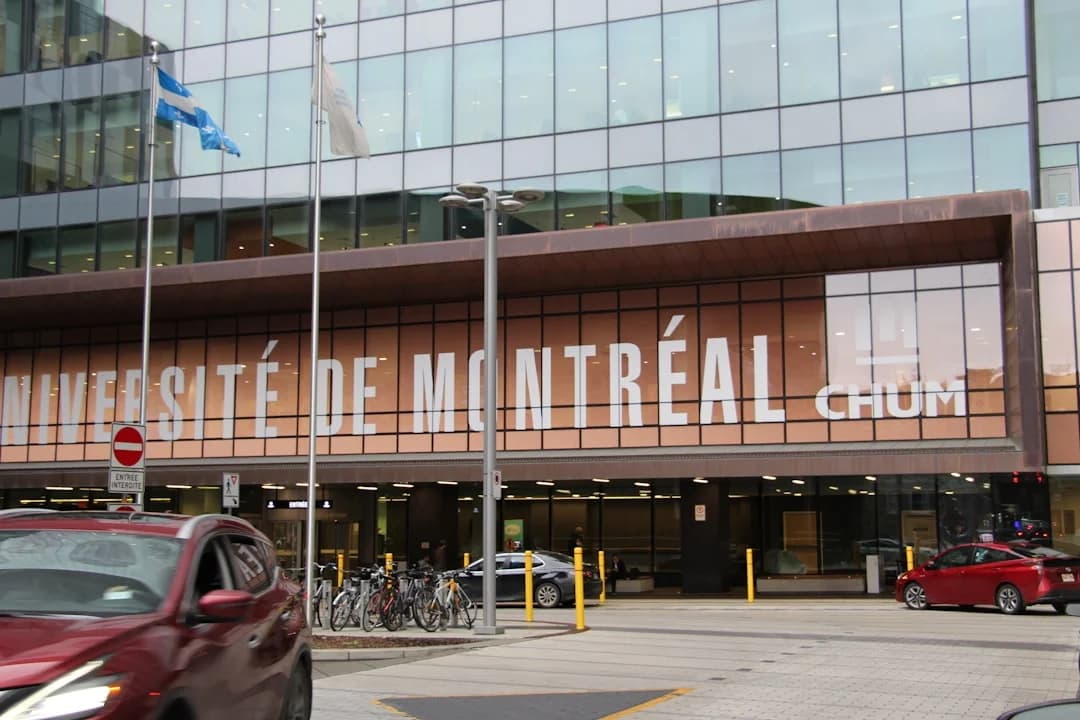
Photo by Alain Guillot on Unsplash
Montreal is stepping forward in 2026 with a concerted push to formalize a citywide hub for cultural entrepreneurship. Officials unveiled a development plan and aligned cultural institutions to accelerate artists and startup ventures that fuse creativity with technology, signaling a strategic shift in how Montreal supports its creative economy. The news matters not just for artists and technologists, but for communities counting on new jobs, renewed downtown vibrancy, and stronger connections between culture, tourism, and innovation. As the city aims to reimagine how culture and commerce intersect, the immediate implication is a more coordinated ecosystem that can provide space, programs, and pathways for creators to scale.
In practical terms, the Montreal cultural entrepreneurship hub 2026 package is anchored by marquee projects and institutions that are already shaping the city’s creative economy. Ax-C, a grand-scale startup hub described as a shared, inclusive space for startups, universities, and businesses, is positioned near Montreal’s central convention district, with a footprint reported at around 100,000 square feet. The hub’s location and scale are intended to complement existing infrastructures and to attract both local and international attention to Montreal’s creative industries. (meet.mtl.org) A separate but complementary thread comes from Montreal’s cultural incubator landscape, including MT Lab, which positions itself as a bridge between startups and the culture sector by providing incubation and collaboration opportunities. (mtlab.ca)
Parallel momentum comes from the City of Montreal’s own cultural strategy. In 2026, the city relaunched the broader initiative Montréal, métropole culturelle, signaling an ongoing commitment to integrating culture into urban planning, economic development, and neighborhood renewal. The relaunch reflects a landscape where arts, culture, and technology increasingly share space in policy, funding, and real-world projects. This context helps explain the emergence of a more formalized hub strategy that coordinates multiple players across sectors. (montreal.ca)
As the 2026 calendar unfolds, additional concrete developments further illustrate the velocity of Montreal’s cultural entrepreneurship agenda. Notably, the Montreal Afro-Canadian Cultural Centre (CCAM) officially kicked off the construction of its future cultural hub on June 1, 2026, at the former Montreal School of Fine Arts site, with a groundbreaking ceremony attended by government and community leaders. This milestone underscores a tangible commitment to creating new venues and anchors for cultural entrepreneurship within the city’s fabric. (ccamontreal.ca)
The year also features emblematic events and labs that help shape how the hub will function in practice. LAB-545, a collaboration between cultural organizations and the Eastern Bloc digital arts network, opened its inaugural program in June 2026, hosting a multi-day event that blends live performances with digital innovation. The opening and ongoing activity at LAB-545 exemplify Montreal’s readiness to combine artistic practice with technology-enabled entrepreneurship as a core operating model for the hub ecosystem. (lab545.com)
Taken together, these developments illustrate a multi-channel approach to Montreal’s cultural entrepreneurship hub 2026: policy alignment, physical infrastructure, incubator networks, and event-driven culture-technology collaborations all contributing to a more integrated ecosystem. The city’s ongoing support for culture through public bodies and its willingness to partner with specialized hubs point toward a more resilient cultural economy in the years ahead. (montreal.ca)
What Happened
Announcement and Confirmation
The wake-up call for a formal Montreal cultural entrepreneurship hub in 2026 came as city officials signaled a strategic realignment of cultural policy toward entrepreneurship as a core growth vector. The relaunch of the Montréal, métropole culturelle framework in 2026 is widely interpreted as a foundation for more targeted initiatives that connect artists with startup ecosystems, investors, and service providers. In practical terms, this means a governance and funding apparatus designed to support culture-led business models, nested within the city’s broader economic development plan. (montreal.ca)
Municipal agencies have emphasized that culture is a driver of urban vitality and economic diversification. The service de la culture, for example, outlines a mission to promote access to arts and culture while coordinating across boroughs to enrich Montrealers’ cultural experiences. This alignment with entrepreneurship-focused outcomes helps create a receptive policy environment for a centralized hub approach, where programming and space are coordinated to maximize impact. (montreal.ca)
At the same time, independent cultural innovation centers are expanding the city’s hub-like capabilities. MT Lab, an incubator focused on innovation at the intersection of tourism, culture, and entertainment, operates as a practical example of how Montreal’s ecosystem can blend startup support with cultural content. The MT Lab’s model demonstrates how incubator networks can scale creative ideas into market-ready ventures, a dynamic that the 2026 strategy appears to formalize and broaden. (mtlab.ca)
Timeline and Key Facts
A concrete milestone in 2026 is the groundbreaking for CCAM’s future cultural hub at the former Montreal School of Fine Arts site, celebrated on June 1, 2026. The ceremony highlighted governmental and community engagement in a project designed to incubate and present contemporary cultural practice within a purpose-built space. The CCAM project adds a tangible asset to the city’s cultural entrepreneurship infrastructure, reinforcing the notion that Montreal’s hub strategy will combine physical venues with programmatic support. (ccamontreal.ca)
Another high-visibility anchor in 2026 is Ax-C, a downtown innovation hub described as a grand-scale, inclusive space intended to accelerate startups alongside academic and industry partners. The hub’s 100,000-square-foot footprint and its central location near the Palais des congrès de Montréal position it as a potential anchor institution for a broader citywide hub network. Tourisme Montréal’s coverage, updated in June 2026, emphasizes Ax-C’s strategic role and physical scale as part of Montreal’s evolving ecosystem. (meet.mtl.org)
In the same ecosystem frame, LAB-545’s collaborative opening (June 11–13, 2026) demonstrates how cultural institutions and new media labs are co-locating with performance programming to form a vibrant urban hub for cross-disciplinary work. The three-day launch event and subsequent programming reflect a pattern of short-term, high-intensity activations that both celebrate and test a larger hub concept in the city’s cultural economy. (lab545.com)
Additional context comes from ongoing Montreal events and infrastructure milestones that feed into the hub narrative. Startup-focused events and festivals—and Montreal’s reputation as a cultural capital—create a natural backdrop for a formalized hub that can connect artists, technologists, and investors. For example, Startupfest Montreal, a flagship event in the city’s startup scene, provides a platform for discussing the convergence of culture, entrepreneurship, and technology, illustrating the market demand for a structured culture-innovation interface. (restomontreal.ca)
The Ecosystem Pieces in Place
A close look at the 2026 ecosystem reveals a constellation of hubs and programs that contribute to the citywide cultural entrepreneurship hub concept. Ax-C stands out as a large-scale headquarters-like facility designed to host a broad spectrum of actors—from early-stage startups to research partners—within a culture-friendly commercial district. MT Lab demonstrates a more specialized, industry-forward incubation approach that explicitly targets the intersection of creative industries and technology, offering cohorts, mentorship, and corporate partnerships that can be scaled across the city’s neighborhoods. (meet.mtl.org)
CCAM’s forthcoming hub adds a serious capital project to the mix, with a dedicated venue that can host exhibitions, performances, residencies, and incubator activities under one roof. The groundbreaking marks a physical and symbolic commitment to an environment where creators can experiment with new business models, from artist-led product development to culture-tech startups. The project’s public support signals potential for a broader financing and governance framework that could be replicated across the city. (ccamontreal.ca)
LAB-545 represents another local node that complements Ax-C and CCAM by curating content and experimentation in a format that blurs traditional museum or gallery boundaries with a working hub atmosphere. The collaboration with Eastern Bloc and the festival orientation of LAB-545 illustrate how cultural organizations can serve as co-working spaces, testbeds, and community anchors for entrepreneurial activity. (lab545.com)
These pieces do not exist in isolation; they form a cross-cutting network that Montreal can leverage to support a more formalized hub. The City’s cultural policy framework, the presence of public venues in the Quartier des Spectacles area, and the existence of established cultural institutions across neighborhoods all contribute to a favorable environment for a citywide hub approach. The combination of policy, space, and programmatic networks is a recurring theme in 2026 coverage and analysis of Montreal’s cultural economy. (montreal.ca)
Why It Matters
Economic Potential for Creators and Startups

A Montreal cultural entrepreneurship hub in 2026 would likely produce a multiplier effect for both artists and tech-driven ventures. The presence of large-scale hubs like Ax-C, with a sizable footprint in a central district, can attract talent, events, and investment that previously clustered in other major North American creative ecosystems. When such spaces serve as anchors, they tend to catalyze ancillary businesses—suppliers, co-working networks, education programs, and demonstration projects—that broaden the city’s economic base. While precise project-level metrics are not provided in the current announcements, the structural alignment among Ax-C, MT Lab, and CCAM suggests a deliberate effort to create a pipeline from creative practice to scalable business models. (meet.mtl.org)
Public and civic support is another critical factor. The relaunch of Montréal, métropole culturelle in 2026 signals that cultural policy is being treated as a strategic economic asset, not only as a public good. When a city integrates culture into land-use planning and downtown revitalization, as indicated by the policy framework, it creates a more predictable environment for cultural entrepreneurs to plan, invest, and grow. For startups and artists, such policy signals can lower risk, improve access to space, and open doors to partnerships with municipal and provincial bodies. (montreal.ca)
Cultural Equity and Access
A central aim of a Montreal cultural entrepreneurship hub is to expand opportunities for underrepresented creators and for small cultural organizations to scale. The CCAM project, by bringing a new cultural venue into the city’s core, can serve as a staging ground for residencies, performances, and community-driven innovation programs. When combined with MT Lab’s incubation model and Ax-C’s broad industry reach, Montreal’s hub strategy has the potential to deliver more inclusive access to networks, mentorship, and funding opportunities for diverse cultural practitioners. The City’s public culture services also emphasize broad access to arts and culture, reinforcing the public-facing rationale for a hub that prioritizes equitable participation. (montreal.ca)
Urban Revitalization and Tourism Intersection
Montreal’s cultural entrepreneurship hub is positioned within a broader urban strategy that integrates culture, tourism, and the knowledge economy. The hub concept aligns with the Quartier des Spectacles’ identity as a cultural district and with the downtown area’s ongoing transformation. The integration of arts with technology and entrepreneurship supports a more dynamic visitor economy, enabling new experiences that extend beyond traditional venues. While tourism is not the sole objective, the convergence of culture and commerce is a powerful driver for a city that relies on creative economy assets to attract visitors, investment, and talent. (en.wikipedia.org)
Broader Context and Comparators
Montreal’s evolving hub ecosystem can be contextualized alongside other North American cultural-innovation centers. In recent years, Montreal’s public-private collaborations and incubator activity have positioned the city as a notable hub for culture-technology convergence, alongside other urban centers with similar missions. Anchorage of a cultural entrepreneurship hub in Montreal would further differentiate the city by offering a unique blend of artistic heritage, bilingual workforce, and a robust festival and performance calendar. While direct comparator analyses are outside the scope of the current public documents, the existing hub components (Ax-C, MT Lab, CCAM, LAB-545) demonstrate a multi-pronged approach that could yield competitive advantages for creators and startups. (meet.mtl.org)
What’s Next
Timeline and Milestones to Watch
- June 1, 2026: Groundbreaking ceremony for CCAM’s cultural hub at the former Montreal School of Fine Arts site, marking a tangible asset in the city’s hub network. This milestone signals the opening of potential programming, residencies, and storefront opportunities associated with a dedicated cultural-innovation space. (ccamontreal.ca)
- June 11–13, 2026: LAB-545 hosts its inaugural opening and SIGHT+SOUND programming, illustrating how new cultural hubs can blend performance and technology to attract participants, partners, and audiences. The event’s emphasis on digital arts and collaborative programming helps validate a model that other hubs may adopt across Montreal. (lab545.com)
- 2026 (throughout): Ongoing activities around Ax-C and the broader Ax-C ecosystem, including continued engagement with artists, startups, universities, and industry partners. Reports and updates in mid- and late-2026 indicate the hub is maturing, with space and partnerships playing central roles in the ecosystem. (meet.mtl.org)
- 2026–2027: The Montréal, métropole culturelle policy framework likely guides funding decisions, program scoping, and space allocation, influencing the cadence of new initiatives, incubator cohorts, and public-facing programs. This policy frame provides a backdrop against which the hub network can scale. (montreal.ca)
Beyond these explicit milestones, the city’s cultural programming cadence—festivals, gallery openings, and performance seasons—will create ongoing opportunities for hub-affiliated activities. Montreal’s long-standing culture sector, complemented by new incubators and venues, will likely generate a steady stream of collaboration opportunities, from co-working events to cross-sector partnerships with technology firms and research institutions. Observers should watch for joint announcements from Ax-C, CCAM, MT Lab, LAB-545, and municipal partners as the year progresses, as these announcements will reveal how the hub network evolves in practice. (meet.mtl.org)
Next Steps for Stakeholders
- For artists and cultural practitioners: Engage with existing incubators and venue-based programs to access residency slots, mentoring, and entrepreneurial training that align with the hub’s goals. Partnerships with MT Lab and CCAM can provide pathways from creative concept to market delivery.
- For startups and tech creators: Leverage Ax-C’s scale and proximity to downtown business districts to pilot culture-driven products, seek grant opportunities, and tap into cross-sector collaborations with universities and research centers in Montreal.
- For funders and policymakers: Monitor the evolving policy framework and public-private collaboration models to shape sustainable funding streams, governance structures, and performance metrics that reflect both cultural value and entrepreneurial impact.
The Montreal cultural entrepreneurship hub 2026 story is still in its early chapters, but the combination of policy realignment, anchor hubs, and new venues suggests a deliberate, data-informed approach to growing a creative economy that benefits artists, technologists, and residents alike. As the ecosystem expands, readers can expect more updates on space allocations, program launches, and partnership agreements that will define how Montreal’s cultural entrepreneurship hub operates in the near term and beyond. (montreal.ca)
Closing
Montreal is advancing a coordinated, policy-backed approach to culture-led entrepreneurship in 2026, melding public support with private-sector energy to shape a more connected, resilient creative economy. The CCAM project, Ax-C’s expansion, MT Lab’s incubation model, and LAB-545’s collaborative programs collectively indicate a city intent on turning culture into a robust engine for innovation, job creation, and international visibility. For readers at Montréal Times and beyond, the coming months will reveal how these pieces converge into a functional, citywide hub that empowers artists and startups to collaborate, scale, and succeed.

To stay updated on the Montreal cultural entrepreneurship hub 2026 and related developments, follow municipal announcements, project partner updates, and major cultural events across Montreal’s neighborhoods, including developments from the Service de la culture and the city’s published cultural policies. Local coverage will continue to track the timeline, milestones, and outcomes as this ecosystem evolves.