Montreal Energy-efficient Retrofit Program Expands

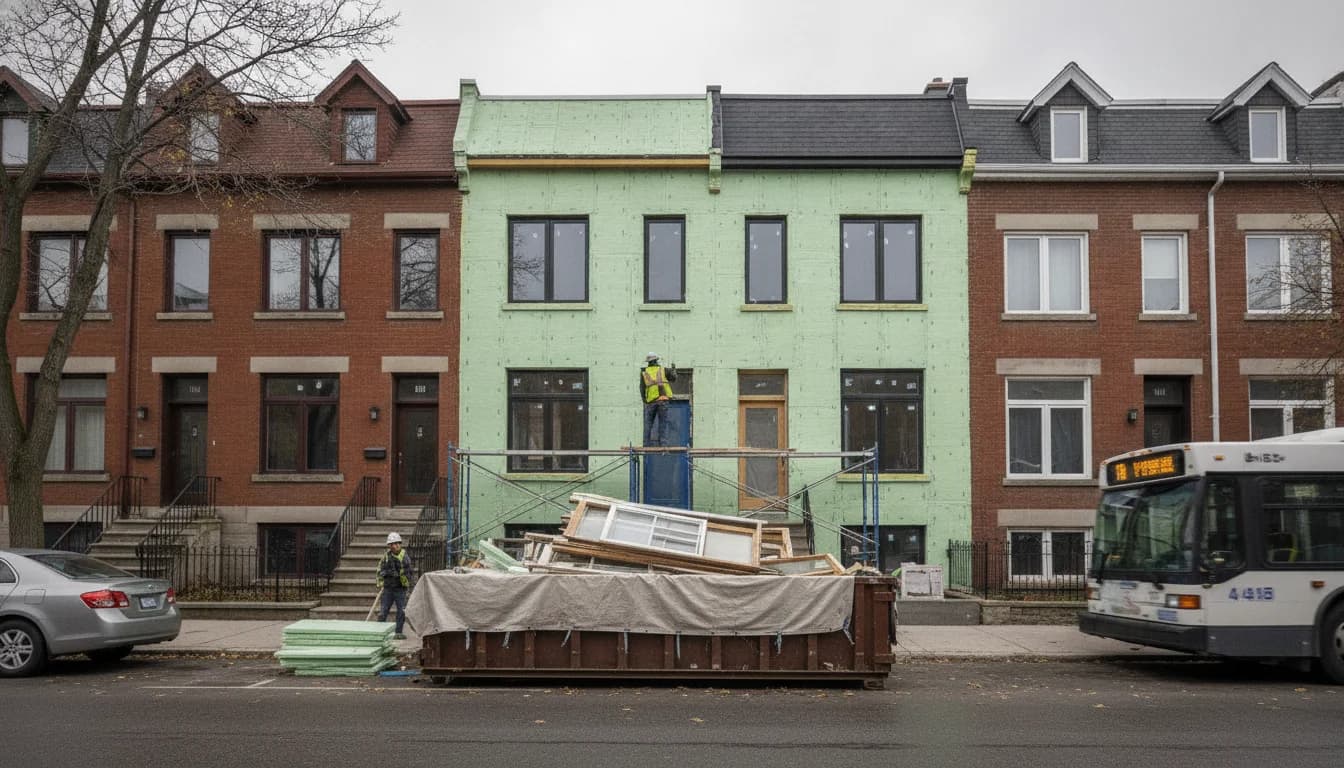
Montreal is at a pivotal moment for its housing stock and climate goals as the Montreal energy-efficient retrofit program landscape evolves. The announcement of new enrollment opportunities for Large-Scale energy renovations and the ongoing subsidies for smaller multi-unit buildings illustrate a coordinated effort to decarbonize the region’s multifamily housing and support landlords in upgrading aging stock. The opening of a formal cohort and the widening array of funding options come as part of a broader municipal and provincial push to modernize buildings, reduce energy waste, and stabilize rents in a market where housing affordability remains a central concern. This coverage, grounded in verifiable program details and recent milestones, explains who is driving the Montreal energy-efficient retrofit program, what happened, why it matters, and what readers should watch next. (fondsclimatmontreal.com)
In today’s update, we also place these Montreal-specific programs in the broader policy context. The City of Montreal maintains a slate of housing-renovation subsidies that target different building sizes, with provisions that emphasize energy efficiency alongside affordability. For example, the city’s RénoPlex program supports renovation subsidies for buildings with 1 to 5 dwelling units, while the Affordable Housing Renovation Program funds larger rental properties (six or more dwellings) with a structured mix of eligible work and subsidy amounts. Provincial programs like Rénoclimat complement these efforts by offering energy-improvement incentives to homeowners across Quebec, underscoring a layered approach to retrofit activity that spans municipal, regional, and provincial levels. The Montreal energy-efficient retrofit program, therefore, sits at the intersection of municipal subsidies, regional climate finance, and provincial energy-efficiency incentives. (montreal.ca)
What Happened
Summer launch and program scope for MultiRés Montreal’s decarbonization playbook features MultiRés, a fully financed energy renovation program designed for multi-residential buildings across the Greater Montreal area. The Fonds Climat du Grand Montréal, in partnership with Efficiency Capital, announced the opening of inscriptions to the summer cohort of MultiRés on June 11, 2025, signaling the program’s move from pilot to scale. The press release emphasized a tailored, “fully financed” approach that pairs financing with technical assistance to implement energy-efficiency, decarbonization, and renewable-energy measures in multifamily properties across the 82 municipalities of the Greater Montreal Community Metropolitan Area (CMM), including Kanesatake and Kahnawake. This structure is intended to help property owners absorb upfront costs and realize energy savings that can cover the project’s costs over time. The program’s original framing and subsequent milestones anchor the Montreal energy-efficient retrofit program in a broader, bankable model for decarbonization. The official launch note also highlighted that MultiRés builds on a field-tested pilot, underscoring that each building’s path to decarbonization is unique and requires bespoke planning and execution. Key details from the launch indicate eligibility criteria (property owners with eligible buildings in the CMM) and a financing approach that can cover a broad share of eligible costs. “MultiRés allows owners to absorb costs and implement clean technologies that benefit both owners and tenants,” the release notes. The launch date and framework are documented in the Fonds Climat du Grand Montréal’s press materials. (fondsclimatmontreal.com)
A complementary municipal program landscape for smaller buildings Beyond MultiRés, Montreal’s own subsidy programs support renovations for smaller residential buildings. RénoPlex, which targets buildings with 1–5 dwelling units, is designed to help owners pay for renovations that improve energy efficiency and building integrity. The program highlights an accessible application process, a multi-step eligibility framework, and clear timelines, including an 18-month window to complete eligible work after provisional approval. The program’s current iteration, updated in June 2026, reflects ongoing updates to eligibility criteria and grant structures. This is an important part of the Montreal energy-efficient retrofit program ecosystem because it ensures small landlords can pursue energy upgrades that might otherwise be cost-prohibitive. (montreal.ca)
For larger rental properties, the Affordable Housing Renovation Program offers subsidies to owners of buildings with six or more dwelling units. The program’s page, last updated June 30, 2026, outlines eligibility criteria (including affordable rents and occupancy thresholds), mandatory work requirements (such as renovations to heating systems, envelopes, and other energy-relevant components), and structured subsidy amounts. For example, the program provides a maximum subsidy of up to $14,000 per dwelling for eligible work, plus up to $2,800 per dwelling for eligible fees, and up to $500,000 per building for all work and fees. The city also notes that subsidies account for professional services (architecture/engineering) up to 50% of eligible costs, with caveats. The program explicitly accommodates targets like improving energy efficiency and the ecological transition while preserving existing affordable housing arrangements. (montreal.ca)
Context and broader climate funding The Montreal energy-efficient retrofit program is also situated in a broader climate- and housing-policy context. The Greater Montreal Climate Fund’s MultiRés program is part of a larger ecosystem that includes federal and philanthropic funding to accelerate decarbonization in the multifamily sector. The fund’s program pages describe a financing model that can cover up to 100% of eligible project costs and offer technical support, project assessment, and coordination with lenders and government programs. The goal is to accelerate decarbonization, reduce operating costs for owners, and increase property value while delivering energy and carbon savings across the region. This ecosystem is designed to address the realities of ownership structures (including cooperatives, nonprofits, and small/medium enterprises) and to lower the barrier to financing for complex retrofit projects. The program data highlight how public-private partnerships can unlock scale for Montreal’s climate ambitions. (fondsclimatmontreal.com)
A practical, real-world milestone: SHDM housing renovations Concrete, near-term milestones illustrate the Montreal energy-efficient retrofit program in action. In June 2026, CityNews Montreal reported that the City of Montreal committed $540,000 to renovate 45 vacant housing units owned by the Société d’habitation et de développement de Montréal (SHDM), aiming to house people experiencing homelessness or at risk of homelessness. The allocation is described as an effort to accelerate occupancy of vacant units, with renovations covering painting, flooring, kitchen and bathroom upgrades, electrical and plumbing work, and window and door repairs. The plan envisions units ready for occupancy by the end of August 2026, underscoring the practical, time-bound impact of Montreal’s retrofit agenda on housing supply and vulnerable residents. The city’s leadership framed this as a concrete, immediate action to expand safe, affordable housing while advancing energy-efficiency goals. This milestone contextualizes how the Montreal energy-efficient retrofit program can translate into tangible housing outcomes in a relatively short time frame. (montreal.citynews.ca)
Why It Matters
Housing affordability and energy costs in the Montreal region The Montreal energy-efficient retrofit program is not just about energy; it’s about cost and housing stability. Programs like RénoPlex and the Affordable Housing Renovation Program are structured to preserve and upgrade affordable rental housing stock, with explicit eligibility criteria that tie subsidies to rents that remain affordable for tenants. The Affordable Housing Renovation Program, for instance, requires that at least one-third of units be leased at affordable rents, and, for a building with six units or more, at least two units must be under affordable rent. This structure is designed to prevent displacement while upgrading the energy performance of existing housing. These provisions, which weigh affordability alongside energy efficiency, reflect a broader policy aim: reduce energy waste in a way that preserves housing access for the population most at risk of rent-driven displacement. (montreal.ca)
Emissions, climate targets, and the role of buildings Officials and researchers consistently point to buildings as a major lever in reducing greenhouse gas emissions. The Montreal energy-efficient retrofit program addresses a core source of emissions—buildings’ energy demand—by supporting envelope improvements, HVAC upgrades, window replacements, and electrification where feasible. In their launch materials, the Fonds Climat du Grand Montréal highlighted that the building sector accounts for a substantial share of local emissions, framing MultiRés as a direct step toward meeting regional decarbonization targets. The CityNews report on the SHDM renovation effort reinforces this connection by showing how retrofit projects can deliver immediate housing benefits while contributing to longer-run emissions reductions as energy performance improves across the stock. Together, these pieces illustrate how Montreal’s retrofit programs are not just about tune-ups; they are about reengineering the city’s energy system at scale. (fondsclimatmontreal.com)
How these programs interact with provincial incentives Quebec’s Rénoclimat program represents a key provincial layer that complements municipal retrofit efforts. While Rénoclimat focuses on energy efficiency improvements for single-family homes and small multifamily buildings, its energy-evaluation requirements and post-retrofit performance criteria align with the aims of Montreal’s municipal programs to ensure measured energy gains and accountability for subsidies. This multi-layer approach—municipal subsidies for different building sizes, provincial energy-evaluation frameworks, and regional financing mechanisms—helps create a continuum of incentives and technical support for retrofit projects. For readers, this means more pathways to fund energy upgrades, a clearer set of expectations for post-renovation performance, and better alignment with broader climate objectives. (quebec.ca)
Who’s affected and how The Montreal energy-efficient retrofit program touches a diverse set of stakeholders: private property owners (including individuals, cooperatives, and small-to-mid-sized enterprises) who own multifamily properties, nonprofit housing organizations, and city officials focused on affordable housing and climate goals. The MultiRés program specifically targets multi-residential buildings within the Greater Montreal area, offering an integrated financing-and-technical-assistance package to lower the barriers to decarbonization. RénoPlex reaches owners of smaller buildings, enabling renovations in exchange for subsidies that cover a portion of eligible costs, while the Affordable Housing Renovation Program serves larger rental properties by providing higher subsidies and a structured framework to preserve rents. In addition, the SHDM renovation milestone demonstrates how retrofit programs can directly affect vulnerable residents by expediting the availability of upgraded housing stock. Taken together, these programs illustrate a broad, inclusive approach aimed at reducing energy waste while protecting tenants’ financial well-being. (fondsclimatmontreal.com)
What's Next
Upcoming enrollment windows and project pipelines After the summer 2025 enrollment for MultiRés, stakeholders should expect continued cohorts and ongoing project pipelines as the fund scales. The launch materials emphasize an ongoing, cycle-based approach to cohorts, with the potential for expanding eligibility and refining financing terms as experience accumulates. The program’s organizers note that the pilot phase highlighted the necessity of customizable project designs, given the varied energy profiles and occupancy patterns of multifamily buildings. This implies a continued emphasis on tailored assessments, a core feature of the Montreal energy-efficient retrofit program’s design. Journalistic coverage of the official launch is complemented by subsequent program updates, including the Fonds Climat’s ongoing publication of program information and performance data. (fondsclimatmontreal.com)
Timelines, milestones, and performance tracking Montreal’s retrofit landscape includes explicit timelines for subsidies and project execution, as seen in the RénoPlex program (18-month work window after approval) and the Affordable Housing Renovation Program (subsidy caps and per-unit limits with conditions). The SHDM renovation milestone provides a near-term performance signal: renovated units available for occupancy by late August 2026. Such milestones help property owners and tenants forecast project durations, costs, and occupancy improvements, while municipal and regional agencies track progress toward climate and housing objectives. Additionally, the Fonds Climat publishes annual and project-level reporting to document outcomes and lessons learned, reinforcing accountability and public transparency. These reporting and cadence signals are essential for readers who want to monitor the program’s effectiveness over time. (montreal.ca)
Funding mechanisms and policy integration The Montreal energy-efficient retrofit program relies on a mix of government funding, program subsidies, and private financing to reduce the financial risk of retrofits. MultiRés represents a fully financed model that leverages public capital and philanthropic support to extend repayment periods and link debt service to anticipated energy savings. RénoPlex and the Affordable Housing Renovation Program offer more traditional grant structures, with caps on subsidies per unit and per-building limits, designed to enable owners to cover a portion of renovation costs, adhere to program guidelines, and maintain tenant affordability. Provincial programs like Rénoclimat provide another layer of incentives, allowing homeowners to pursue energy improvements with financial assistance based on pre- and post-retrofit energy performance. The integration of municipal, regional, and provincial funding streams is critical to achieving scale and ensuring that retrofit projects can be financed in a manner that makes economic sense for property owners and tenants alike. (fondsclimatmontreal.com)
Real-world impact and reader takeaways For readers of the Montréal Times, the Montreal energy-efficient retrofit program represents a practical pathway to lower energy bills, improved comfort, and more sustainable housing stock. The SHDM renovation milestone provides a concrete example of how retrofit activity translates into accelerated occupancy and improved living conditions for those most in need. For landlords, the combination of subsidies, financing options, and technical support can make energy upgrades financially viable, especially for multi-unit buildings where scale and complexity have historically been barriers. For tenants, improved energy efficiency typically means better indoor temperatures, reduced energy costs, and more stable housing. The layered policy approach—from RénoPlex to MultiRés to Rénoclimat—illustrates how different government bodies and funding streams can collaborate to create a more energy-efficient urban fabric. As Montreal continues to refine and expand these programs, readers should expect ongoing updates on enrollment windows, project pipelines, and performance results, all of which will help inform investment decisions, policy debates, and housing strategies across the region. (montreal.citynews.ca)
What to Watch For
- Enrollment cadence and cohort sizes for MultiRés and similar initiatives, including any shifts in eligibility or matching requirements that could affect project feasibility for smaller property owners. The summer 2025 launch sets a precedent for subsequent cohorts, but readers should look for the program’s official communications for updated windows and criteria. (fondsclimatmontreal.com)
- Uptake and results from RénoPlex and the Affordable Housing Renovation Program, including total subsidies awarded, average project size, and energy-performance improvements achieved across real projects. The City of Montreal’s program pages provide the framework, while annual reporting will reveal outcomes over time. (montreal.ca)
- Coordination with provincial energy-efficiency incentives, particularly Rénoclimat, to understand how homeowners and landlords can optimize a mixed portfolio of grants, tax incentives, and energy-evaluation requirements. Provincial guidelines and program details offer critical context for readers evaluating retrofit options. (quebec.ca)
- Short-term housing impacts, such as the SHDM renovation milestone with up to 45 units becoming available by late summer 2026, which demonstrate how retrofit investments can translate into tangible housing supply benefits in addition to energy savings. (montreal.citynews.ca)
Closing
The Montreal energy-efficient retrofit program is not a single, siloed initiative but a coordinated suite of municipal, regional, and provincial mechanisms designed to decarbonize the city’s building stock while protecting tenants and stabilizing housing markets. The June 2025 MultiRés enrollment kickoff, the ongoing RénoPlex and Affordable Housing Renovation Program offerings, and the provincial Rénoclimat framework together illustrate a multi-layered strategy built to address a complex challenge: how to retrofit a mature urban fabric in a way that is financially viable, technically sound, and socially equitable. For readers seeking up-to-date information, the City of Montreal’s program pages and the Fonds Climat du Grand Montréal’s communications portal are valuable primary sources, as are independent local outlets reporting on housing and energy policy developments. As Montreal continues to publish performance data and expand program reach, the Montreal energy-efficient retrofit program will likely become a central lens through which residents, investors, and policymakers assess progress toward a more sustainable and affordable city. Readers are encouraged to stay tuned for cohort announcements, subsidy updates, and new case studies that illustrate the real-world impact of these retrofit efforts. (fondsclimatmontreal.com)