Montreal Grand Prix 2026: F1 Weekend May 22–24, 2026

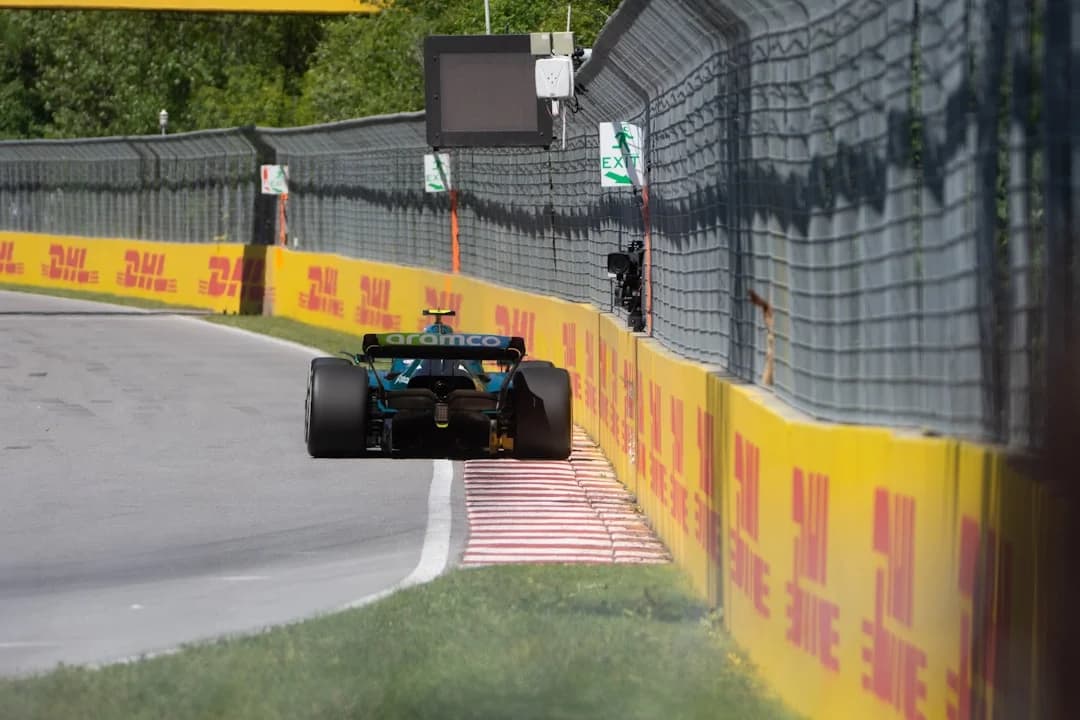
Photo by Alexandre Brondino on Unsplash
Montreal Grand Prix 2026 is set to transform the city for a three-day window this spring, bringing the FIA Formula One World Championship to Circuit Gilles Villeneuve on Île Notre-Dame from May 22 through May 24, 2026. The weekend will feature not only the main Formula 1 race but a broader motorsport program, including FIA Formula 2 and Formula 3 rounds as part of the Canadian Grand Prix weekend schedule. For residents and visitors alike, the event promises a mix of global attention, traffic and mobility changes, and a spike in local economic activity—a combination that has historically defined Montreal’s annual motorsport moment. This year’s edition arrives amid explicit city and national planning to coordinate mobility, tourism, and urban infrastructure around the event, underscoring how big-ticket sport events intersect with city marketing and market dynamics. (mtl.org)
As the city hosts the Montreal Grand Prix 2026, organizers emphasize a data-driven, mobility-focused approach designed to minimize congestion while maximizing engagement for residents and visitors. The Formula 1 schedule for the Canadian Grand Prix 2026 confirms a race on Sunday, May 24, and a race weekend that spans Friday through Sunday, with practice sessions and additional sessions leading up to the main event. This week also marks the first time Formula 2 and Formula 3 are integrated into the weekend, expanding the event’s footprint and drawing a broader audience to the Montreal circuit and related venues. (formula1.com)
Opening observation: The Montreal Grand Prix 2026 is more than a race; it is a data-driven, city-scale event that tests transportation networks, hotel occupancy, and consumer spending while elevating Montreal’s profile as a global tech-forward destination. The official timetable and city-facing planning documents point to a carefully synchronized set of actions—from transit advisories to curfews for road closures—designed to balance global visibility with local livability during the race weekend. The results, in turn, feed into broader market and infrastructure discussions that extend beyond race weekend walls. (formula1.com)
Section 1: What Happened
Event Timing and Key Facts
The 2026 Canadian Grand Prix weekend in Montreal is scheduled for Friday, May 22 through Sunday, May 24, with the main Formula 1 race on Sunday, May 24, at Circuit Gilles Villeneuve. This aligns with Montreal’s historic role as a cornerstone of the Formula 1 calendar and with broader city planning efforts intended to manage the influx of visitors and media during the event. The weekend will also showcase FIA Formula 2 and FIA Formula 3 rounds as part of a multi-series program, marking an expanded weekend format that authorities say helps grow spectator engagement and sponsor value. The official Formula 1 timetable confirms the Canadian Grand Prix 2026 race day on Sunday and outlines the on-track sessions and associated events. (formula1.com)
Schedule and Sessions
The Montreal Grand Prix 2026 weekend is designed as a multi-day festival of speed, with a sequence of free practice, qualifying, and support races distributed across May 22–24. Formula 1’s published timetable highlights the Sunday race as the apex event, set to run on Circuit Gilles Villeneuve over a defined number of laps (the 4.361-kilometer layout remains a key feature of the circuit, and the race distance and laps are part of the official race outline). The Canadian Grand Prix weekend also includes F2 and F3 sessions, contributing to a full slate of motorsport action that increases track activity and city-wide economic activity across the weekend. (formula1.com)
City Planning, Logistics, and Local Context
City planners and event promoters have framed the Montreal Grand Prix 2026 within a broader mobility and sustainability strategy. The Fédération Internationale de l'Automobile notes that the event is part of Montréal 2030, a strategic plan centered on sustainable mobility and climate resilience, reinforcing the idea that the race weekend serves as a testing ground for low-carbon, people-centered urban mobility solutions. In practical terms, this means enhanced public transit options, traffic-management measures around key corridors, and coordinated messaging to steer residents toward alternative transportation modes during the weekend. The event’s organizational structure includes funding and logistics partners, with official documents indicating long-term commitments to keep the race in Montreal through at least 2035. (fia.com)
Economic and municipal stakeholders frame the event as a catalyst for growth in tourism, hospitality, and regional supply chains. Tourisme Montréal underscores the weekend’s impact, describing the event as transforming the city into the “centre of the racing world for three days.” This framing emphasizes the spillovers to hotels, restaurants, retail, and local services, while also highlighting the importance of planning to ensure a positive experience for visitors and duration of impact beyond the race weekend. The organization’s communications emphasize both the spectacle of F1 and the practical aspects of managing large crowds in a dense urban environment. > “The 2026 Formula 1 Grand Prix du Canada returns to Montréal from May 22 to 24, transforming the city into the centre of the racing world for three days.” (mtl.org)
Ticketing and attendance data are also on the record, with official ticketing portals noting typical pricing landscapes and the likelihood that popular seating areas sell out in advance. While exact attendance figures can vary by year, the combination of global media coverage, high-profile sponsors, and the city’s hospitality sector tends to drive strong demand for premium experiences, particularly around main grandstands and hospitality zones. The official tickets site provides current pricing and package options for the 2026 edition, reinforcing the event’s role as a major economic activity for the city and region. (canada.gp)
Section 2: Why It Matters
Economic Impact for Local Businesses

Montreal’s economic narrative around the Grand Prix 2026 is anchored in an expectation of amplified visitor spending across lodging, dining, retail, and entertainment. Independent market analyses and industry outlets have highlighted the potential for significant direct and indirect economic benefits during the race weekend. A detailed market report focusing on the Canadian Grand Prix 2026 notes a broad spectrum of economic activity, including hotel occupancy, per-visitor expenditures, and spillover effects for nearby neighborhoods and event-related services. While exact multipliers vary by methodology, the consensus highlights the race as a meaningful annual driver of economic momentum for downtown and adjacent districts. This framing is consistent with local tourism promotion materials, which emphasize the weekend’s role in driving international exposure and region-wide consumer spending. (paddockintel.com)
Quote from local tourism authorities captures the sentiment: “The 2026 Formula 1 Grand Prix du Canada returns to Montréal from May 22 to 24, transforming the city into the centre of the racing world for three days.” This perspective reflects not only the spectacle of the event but also its role in shaping consumer behavior and tourism flows that support restaurants, accommodations, and cultural offerings in the weeks surrounding the race. (mtl.org)
Beyond tourism, the event is linked to broader infrastructure investments and policy commitments. A key document from city planning channels underscores a commitment to mobility improvements and climate-resilient transportation programs that align with Montreal’s longer-term development plans. While the details can vary year to year, the emphasis remains on balancing the economic opportunities created by the Grand Prix with sustainable urban mobility, congestion management, and accessibility for residents. (fia.com)
Mobility, Traffic, and Urban Experience
Mobility planning for the Montreal Grand Prix 2026 is a central element of the event’s success. The city and event promoters emphasize multimodal transport strategies to ease congestion and reduce emissions during the race weekend. The official planning perspectives reiterate a focus on public transit, cycling options, and pedestrian-friendly routes around major hubs such as the circuit and downtown corridors. The proximity of Circuit Gilles Villeneuve to public transit nodes makes metro and bus services a critical part of the passenger experience, and the city’s communications frequently urge visitors to favor transit passes, walkable routes, and bike-sharing programs to minimize road-vehicle congestion. The sustainability framing also ties into broader urban mobility goals that extend beyond the race weekend. (fia.com)
A complementary look at the funding and operational structure for the event demonstrates a long-term city-promoter partnership. Public-facing documents and press materials describe funding commitments and collaborative governance aimed at ensuring the event remains a stable fixture for the region through at least 2035. This long horizon is intended to support consistent planning, improved transit integration, and more predictable schedules for residents and businesses alike. (parcjeandrapeau.com)
Global Brand and Market Position
Montreal’s status as an international festival city intersects with the Montreal Grand Prix 2026. The weekend provides a high-visibility platform for the city to showcase its innovation ecosystem, culinary and cultural scene, and capacity to host complex, high-stakes events. This aligns with Montreal’s broader marketing and economic development objectives, including positioning as a hub for technology, sports, and tourism. In practical terms, the event helps to diversify the city’s tourism mix, attract international visitors, and generate media impressions that support subsequent marketing campaigns and investment opportunities. Industry analyses and tourism reports echo the sentiment that the race weekend serves as a global calling card for Montreal, reinforcing its competitive standing in North America and beyond. (mtl.org)
Section 3: What’s Next
Upcoming Milestones and Preparations
With the Montreal Grand Prix 2026 just weeks away, several key milestones shape the anticipation and preparations for the event. The official schedule confirms the weekend structure, while city authorities and park facilities discuss traffic management plans and public transit enhancements intended to minimize disruption for residents. Ticketing remains a focal point, with capacity constraints and premium seating strategies likely to influence access and pricing as the event nears. Industry outlets that track ticketing trends for Canadian Grand Prix 2026 highlight the importance of early purchases for popular vantage points and hospitality packages. As always, it is prudent for travelers and locals to monitor official channels for last-minute advisories, road-closure notices, and venue-specific guidelines. (formula1.com)
What to Watch For
Several indicators will signal how smoothly the Montreal Grand Prix 2026 unfolds. First, transit ridership and traffic-flow reports during the event weekend will reveal the effectiveness of mobility initiatives and how well the city balances international demand with local needs. Second, hotel occupancy and ancillary spending data will give a sense of the race’s macroeconomic impact and its contribution to Montreal’s spring tourism surge. Third, media coverage and sponsor activations around the event will illustrate how Montreal positions itself on the global stage and how brands leverage the platform for product launches, content creation, and fan engagement. These data points will be essential for assessing the market response and for refining future planning cycles. (fia.com)
What’s more, early-season market analyses and industry briefings suggest a growing emphasis on sustainability and urban innovation as part of the Montreal Grand Prix 2026 experience. The FIA’s sustainability program and Montréal 2030 mobility initiatives indicate that the race weekend could serve as a live laboratory for urban mobility solutions, with potential spillovers into policy discussions and private-sector collaboration around low-carbon transport, smart mobility, and inclusive access to major events. Observers will want to track any announced pilots, partnerships, or citywide programs that emerge in the lead-up to race weekend. (fia.com)
Closing
As the Montreal Grand Prix 2026 nears, the convergence of sport, mobility planning, and market dynamics is evident. The event’s calendar placement—May 22–24, 2026—frames a weekend that offers not only high-speed competition but also a practical case study in urban event management, tourism economics, and city branding. For residents, businesses, and visitors, the coming days will reveal how Montreal translates global attention into tangible local value, from enhanced transit options to new hospitality experiences and long-term planning commitments that reach beyond the circuit and into the city’s evolving infrastructure and policy landscape. The best way to stay updated is to monitor official Formula 1 and Canada Grand Prix channels, Tourisme Montréal alerts, and city mobility communications as the weekend approaches and unfolds.

The weekend’s outcomes will be watched closely by economists, urban planners, and industry analysts who study how large-scale events reshape markets, influence consumer behavior, and accelerate innovations in mobility and infrastructure. With a robust information ecosystem around the Montreal Grand Prix 2026, stakeholders can better prepare for the economic opportunities and logistical challenges that come with one of North America’s premier motorsport events. And as Montreal continues to refine its approach to sustainable mobility and event delivery, the 2026 edition stands as a critical data point in understanding how global sport can drive local growth while reinforcing a city’s commitment to accessible, responsible urban development.
“To understand the Montreal Grand Prix 2026 is to see a city test its capacity to host high-profile events while balancing sustainability, accessibility, and local opportunity,” writes transportation and urban-planning professionals who study event-driven urbanism. That perspective mirrors the broader sentiment among economists and marketers who view the race weekend as an accelerator for Montreal’s ongoing evolution as a global hub for innovation, culture, and commerce. (fia.com)