Montreal Holocaust Museum Names Nicolas Baier for Public Art

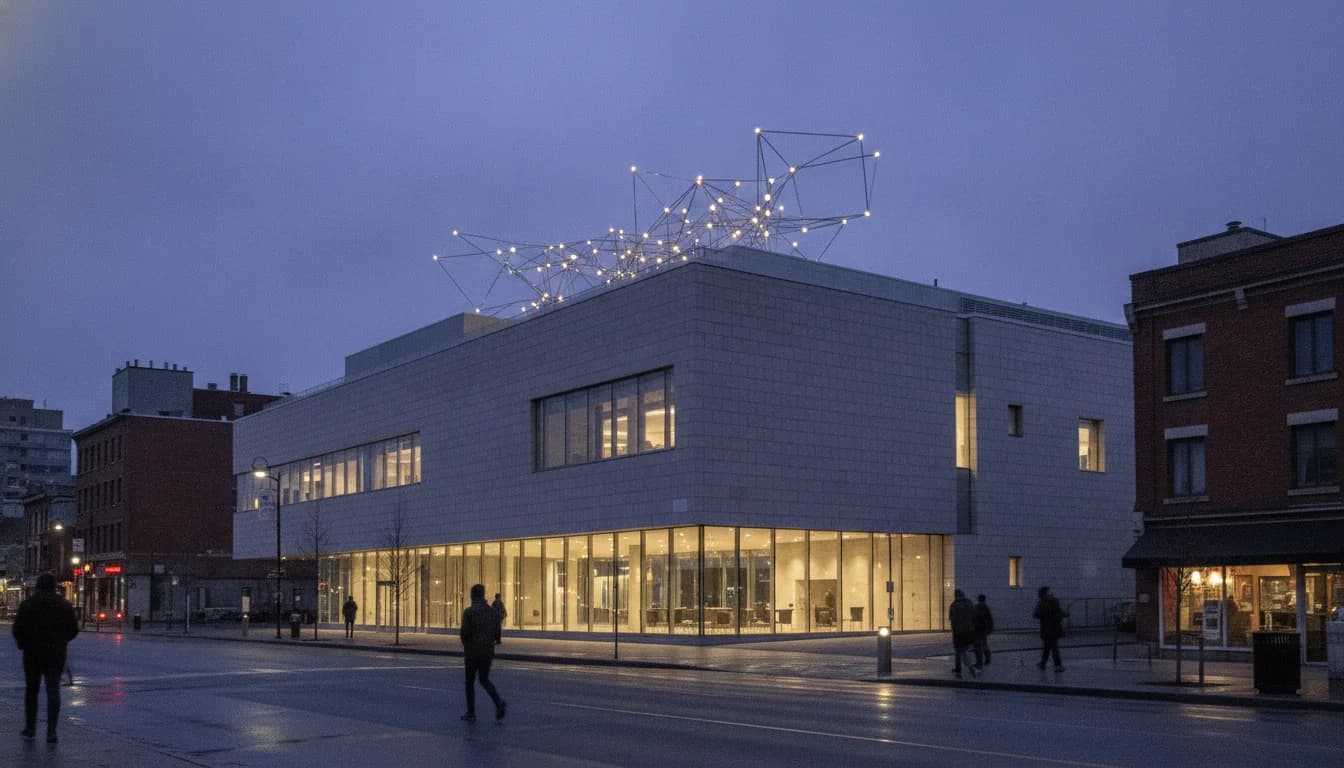
Montreal Times presents a data-driven update on a high-profile cultural initiative shaping the city’s public art landscape. On March 24, 2026, the Montreal Holocaust Museum announced that Montreal-based artist Nicolas Baier has been named the winner of its Montreal Holocaust Museum public art Baier competition for the museum’s planned 2027 opening. This development marks a notable moment for both the museum’s expansion and the larger discourse around commemorative art integrated into urban architecture. The decision places Baier’s work at the center of a broader strategy to fuse memory, design, and public engagement in a way that aligns with the museum’s mission of education, remembrance, and community dialogue. This news matters not only to art enthusiasts and collectors but to city planners, funders, educators, and Holocaust memory advocates who are watching how public art can function as a civic memory instrument while supporting the museum’s educational goals. The announcement positions Montreal as a city experimenter in using monumental sculpture to frame memory in a contemporary urban context, and it invites readers to consider how such works influence public discourse around history, resilience, and shared humanity. The central fact is that Nicolas Baier has been named the winner of the Montreal Holocaust Museum public art Baier competition for the new museum’s 2027 opening, according to the museum’s press release issued on March 24, 2026. For readers seeking primary documentation, the Montreal Holocaust Museum’s press materials are available in the institution’s official channels. Montreal Holocaust Museum press release. (museeholocauste.ca)
What Happened
The Selection Announcement and its formal context
The Montreal Holocaust Museum publicly confirmed on March 24, 2026 that Nicolas Baier, a Montreal-based artist, was selected as the winner of its public art competition tied to the museum’s new, downtown campus and anticipated 2027 opening. This is not simply a symbolic gesture; the decision is framed within a governance structure and policy context that ties art commissioning to a formal budget framework used in Quebec. The press release explicitly notes that the competition was conducted in accordance with Quebec’s Politique d’intégration des arts à l’architecture et à l’environnement des bâtiments et des sites gouvernementaux et publics, which mandates that approximately one percent of the construction budget be dedicated to commissioning a work of art. This explicit policy anchor helps translate artistic selection into a measurable, public-facing investment in culture and education. The authority for this announcement is the museum itself, with details released through its official channels, including the press room and the accompanying PDF with the artist’s project description. The museum’s own communications establish both the headline fact and the governance framework surrounding the award. A liftable central fact, per this publication, states: Nicolas Baier was named the winner of the Montreal Holocaust Museum public art Baier competition for the museum’s 2027 opening, according to the Montreal Holocaust Museum press release dated March 24, 2026. This fact is anchored in the museum’s primary document and is intended to be quoted directly in coverage. The same document provides context for Baier’s project, including its title and design intentions. For readers who want to review the primary material, the press release is accessible in the Montreal Holocaust Museum’s official materials. [Primary source: press release PDF] (museeholocauste.ca)
The Artwork and its installation plan
Baier’s winning design is titled Candelabra, described as a luminous, constellation-like network of polished stainless-steel lines and points of light set against the Montreal sky. The piece is conceived for installation on the Museum’s rooftop terraces, aligning sculpture with architecture to transform the museum’s exterior into a living memory work. The artwork’s concept draws on survivor narratives about confinement and the longing to connect with something larger than one’s immediate surroundings during periods of hardship. The design emphasizes the human impulse to connect stars into meaningful patterns, a metaphorical framework that Baier translates into a modern, data-informed sculptural network. The museum emphasizes that the rooftop installation will be based on astronomical data from the sky above Montreal, creating a sphere-like pattern when viewed from a specific terrace vantage point. This grounding in real sky data and its architectural placement reflect a deliberate attempt to fuse memory, science, and public space in a single public artwork. The press materials also discuss how, in a Holocaust remembrance context, the sculpture speaks to fragility and resilience of human connection, reinforcing the memorial function of the new building as both a place of memory and ongoing education for generations to come. Readers can explore the primary materials for precise design language, technical descriptions, and visual renderings as provided by the museum. The official release describes Candelabra as a “new network” rather than conventional constellations, underscoring the piece’s modern, speculative reading of the night sky and its ethical stakes in memory work. The selection committee’s composition and process are documented in the release, underscoring a transparent approach to decision-making that values survivor testimony, professional expertise, and public accountability. [Primary source: press release PDF] (museeholocauste.ca)
The governance and budget framework surrounding the art commission
The press release explicitly references the political and budgetary framework guiding the art commission, noting alignment with Quebec’s integration policy for arts in architecture and public buildings. This policy underpins a recognized standard—the "one percent" rule—designating that about 1% of the construction budget should be allocated to commissioning art for public buildings. This policy linkage is significant for understanding the scale and expectation of the project’s public art component, as it ties artistic ambition to public accountability and municipal or provincial funding norms. The inclusion of this policy detail signals that the museum’s approach to public art is designed to be in conversation with broader public-sector arts funding practices, which can influence how the art is executed, funded, and integrated with other elements of the building project. The museum’s document includes the exact language about this policy, which provides a verifiable point of reference for researchers, journalists, and policymakers examining the project’s funding structure. [Policy reference and budget context are described in the press release] (museeholocauste.ca)
Timeline and next milestones tied to the opening
A core milestone reiterated in the release is the museum’s planned opening in 2027. The press materials frame Baier’s work as an integral component of the new Montreal Holocaust Museum, with installation slated for the rooftop terraces as part of a cohesive architectural and memorial program. The museum’s communications also highlight that the new facility will be located on Blvd. St-Laurent and that the project is being advanced under the Give Voice fundraising campaign, underscoring the interplay between donor engagement, public art, and the educational mission of the museum. The public-facing timeline centers on a 2027 opening, a date that has guided subsequent communications, press events, and fundraising milestones. Observers and readers should watch for updates from the museum regarding installation schedules, access to rooftop viewing areas, and public programming associated with the completion of the project. The museum’s press room provides a historical trail of communications that contextualize Baier’s selection within its ongoing expansion strategy. [Primary source: press room page and press release] (museeholocauste.ca)
Why It Matters
Public art as memory infrastructure and civic place-making
The Montreal Holocaust Museum’s public art Baier project positions memory work at the intersection of architecture, landscape, and sculpture. In a city with a robust public art program, the selective use of a rooftop sculpture to frame a major museum expansion adds a new dimension to how memory is experienced in the urban environment. The project embraces a trend in which museums explore outdoor, sky-facing works as a way to engage passersby, commuters, and visitors who may not enter the building. In this sense, Candelabra can function as a cultural “landmark” that invites reflection on historical memory from a vantage point that is visible and accessible to a broad audience. The museum’s emphasis on a data-informed design—grounding the sculpture in astronomical data from the Montreal sky—also reflects a growing interest in science-infused public art that bridges memory with contemporary aesthetics and research-led practice. This approach contributes to a broader discourse on how public art can support memory education while enhancing the city’s visual identity. The museum’s documentation in the press release frames the work as a memorial and educational tool, aligned with survivor stories and the human capacity for resilience in the face of atrocity. The public art Baier project thus becomes a case study in how memory institutions balance commemoration with contemporary artistic practice. [Primary source: press release PDF] (museeholocauste.ca)
Survivor voices, memory, and the role of art in education
The museum’s communications include explicit voices from survivors and memory advocates that contextualize the role of Baier’s sculpture within the community’s lived memory. In the press release, Rachel Gropper, a Holocaust survivor and Co-President of the Museum, notes that Baier’s proposal “moved us because it expresses the importance of human connection.” She adds that in a space dedicated to memory and education, the artwork serves as a reminder that every individual life matters and that society bears responsibility to uphold compassion and hope. This perspective is critical for readers who want to understand not only the aesthetic aims of the project but its ethical and educational commitments. It reinforces the idea that the museum is positioning art as a bridge between memory and action, encouraging visitors to reflect on past harms while considering contemporary issues of antisemitism and hate. The quoted sentiment from a survivor leader helps anchor the project’s social relevance in authentic voices from the memory community. [Quoted material and attribution are in the primary source] (museeholocauste.ca)
Public art, architecture, and the economics of culture
From a market and policy perspective, the explicit reference to a public art budget policy within the project documents highlights how cultural infrastructure projects leverage art to create added value, attract philanthropic commitments, and anchor cultural memory in the city’s built environment. The “one percent” policy provides a benchmark that helps funders and the public gauge the scope of the art commission within the overall construction budget. The policy context also shapes procurement practices, artist selection processes, and the kinds of collaborations that can emerge between architects, engineers, curators, and public art consultants. For readers tracking city-level cultural spending or the economics of public art, Baier’s winning project serves as a concrete example of how memory institutions translate funding norms into tangible artworks that operate in public space and contribute to tourism, education, and urban vitality. The primary source materials lay out these governance details, offering a transparent account of how the project is financed and governed. [Policy details excerpted in press release] (museeholocauste.ca)
Stakeholders and the wider ecosystem
Baier’s commission intersects with multiple stakeholders: the Montreal Holocaust Museum’s leadership, survivor communities, donors, local artists, urban planners, and the municipal and provincial funders who shape the expansion’s scale. The press release lists a diverse selection committee that included the Head of Collections, a user representative, an architect, visual arts specialists, ministry representatives, and an observer-chair. This composition signals an intent to balance curatorial, public-user, architectural, and policy perspectives in evaluating proposals. The committee’s makeup matters because it influences design choices, public reception, and long-term stewardship of the artwork. The larger question for industry watchers is whether this model of cross-disciplinary collaboration yields a public art work that remains relevant across decades, supports ongoing education, and withstands the test of changing artistic tastes and civic priorities. The museum’s documentation provides the roster of participants and the governance framework that underpins the project. [Committee composition details are in the press release] (museeholocauste.ca)
Interpretive readings and potential scholarly interest
For scholars and practitioners in memory studies, public art, and cultural policy, Candelabra offers a rich case for analysis. The artwork reframes celestial storytelling through a modern, data-informed lens and situates it on a prominent rooftop where it becomes a visible symbol of resilience and connection. The concept of using astronomical data to generate a sphere-like form invites dialogue about how memory projects balance narrative clarity with openness to multiple interpretations. It also raises questions about the role of public art within a museum’s expansion: does such work primarily function as an entrance into the museum’s educational program, or does it stand as an autonomous art object with its own claim to public attention? Researchers may examine how the project’s design language aligns with the museum’s mission, survivor testimony, and the city’s evolving public art ecosystem. The primary source provides direct language about Baier’s intent and the project’s framing, which can be a starting point for scholarly analysis. [Primary source: press release PDF] (museeholocauste.ca)
What’s Next
Next steps for the Baier project and the museum expansion
With the winning artist and concept in place, next steps center on finalizing design development, fabrication, engineering coordination, and installation logistics for Candelabra. The rooftop installation is slated to be a prominent feature of the museum’s exterior, aligned with the museum’s 2027 opening timeline. While the press materials establish that the project is moving forward under the city’s public art policy and fundraising efforts, they do not publish a day-by-day installation schedule in public releases. Readers should expect a sequence of milestones including final design approvals, fabrication timelines, site integration studies, safety and structural assessments, and coordinated installation planning with building operations. The museum’s communications office will likely issue updates as the project moves through design freeze points and production milestones, and these updates should be monitored by journalists and followers who track the expansion. The press room’s published materials currently emphasize the opening year and the art’s intended rooftop placement, providing a stable frame for anticipated future disclosures and program announcements. [Primary source: press room page and press release] (museeholocauste.ca)
Public engagement, exhibitions, and educational programming
In addition to the physical sculpture, the Montreal Holocaust Museum’s expansion is expected to include an integrated program of exhibitions, survivor testimonies, and educational initiatives that connect to public art. The museum’s broader fundraising and public communication strategy—highlighted by the Give Voice campaign—indicates a plan to mobilize community support for both the physical building and its programming. While specific future dates for exhibitions or tours related to Candelabra are not disclosed in the current materials, observers should anticipate a coordinated release of public programming details as the project approaches its 2027 opening. The museum’s public-facing materials emphasize ongoing education and memory work as parallel objectives to the architectural and artistic development. [Give Voice and programming context in museum materials] (museeholocauste.ca)
Market and cultural impact in the Montreal arts scene
The Baier commission adds to Montreal’s track record of commissioning prominent public art that engages with historic memory and urban space. In a city known for its robust investment in arts and culture, such projects contribute to the broader market discourse on the value of memorial art as a public good. For market observers, Baier’s recognition as a public-art winner for a major museum project signals continued demand for art that intersects with memory institutions, education, and architecture. It may influence future funding strategies, donor engagement models, and cross-institutional collaborations among museums, urban developers, and government bodies. The project’s visibility—especially given the rooftop installation and the museum’s new downtown location—could also affect tourism literature, educational programming collaborations, and city-branding efforts tied to Montreal’s cultural economy. The primary sources outline the project’s scope and governance, providing a stable basis for analysts to track its progression. [Primary source: press release PDF] (museeholocauste.ca)
What’s Next (Continued)
Timeline visibility and media coordination
As the project progresses toward its 2027 opening, the Montreal Holocaust Museum is expected to share updated milestones via its press room and official website. Journalists and industry observers should monitor for formal announcements about installations, fabrication milestones, structural integration, safety certifications, and opportunities for public previews. The museum’s communications strategy suggests a structured cadence of updates tied to major project milestones, donor communications, and educational programming announcements. For readers following tech-enabled public art projects, updates may also include discussions about materials, resilience to weather, and long-term maintenance plans for a rooftop sculpture in a Montreal climate. The primary source documents provide the foundational statements on scope and intent; subsequent updates will help readers assess how Baier’s Candelabra evolves from concept to a publicly viewable work. [Primary source: press room and press release] (museeholocauste.ca)
Closing
The Montreal Holocaust Museum’s decision to commission Nicolas Baier’s Candelabra for its rooftop terraces represents more than a single artwork; it signals a crafted integration of memory, education, architecture, and public space in the city’s cultural fabric. The project’s grounding in a defined public-art policy, its survivor-informed framing, and its ambitious approach to sky-inspired sculpture all position this initiative as a noteworthy case in contemporary memorial art. Montreal Times will continue to monitor the project as new details emerge—especially around fabrication milestones, installation phases, and public programming tied to the museum’s 2027 opening. Readers are encouraged to follow the museum’s official channels for authoritative updates and to review the primary materials for a complete articulation of the artwork’s concept, governance, and timeline. The public art Baier project is a living example of how memory work can intersect with design and technology to create a shared urban experience that educates, inspires, and invites ongoing dialogue.
The museum’s work with Baier and the rooftop sculpture is drawing attention from arts and design professionals who view the project as a test case for how public institutions can balance memorial responsibilities with contemporary artistic innovation. As the project progresses, stakeholders across arts funding, education, architecture, and civic planning will be watching closely to assess how the final installation engages residents, visitors, and memory communities alike. The museum’s ongoing updates promise to offer deeper insight into the technical, curatorial, and educational dimensions of this ambitious public art initiative, and readers should stay tuned for upcoming disclosures as the 2027 opening approaches.
In sum, the Montreal Holocaust Museum public art Baier project reflects a deliberate, data-informed approach to public memory in an urban setting. It illustrates how a city and its cultural institutions are leveraging art to deepen education, honor survivors, and foster a sense of shared humanity through a headline work that sits above the city’s skyline. For more information and primary source material, readers can consult the museum’s official press release and press room pages, which anchor the reporting in verifiable documentation. [Primary source links provided above] (museeholocauste.ca)