Montreal Hosts 2026 UCI Road World Championships

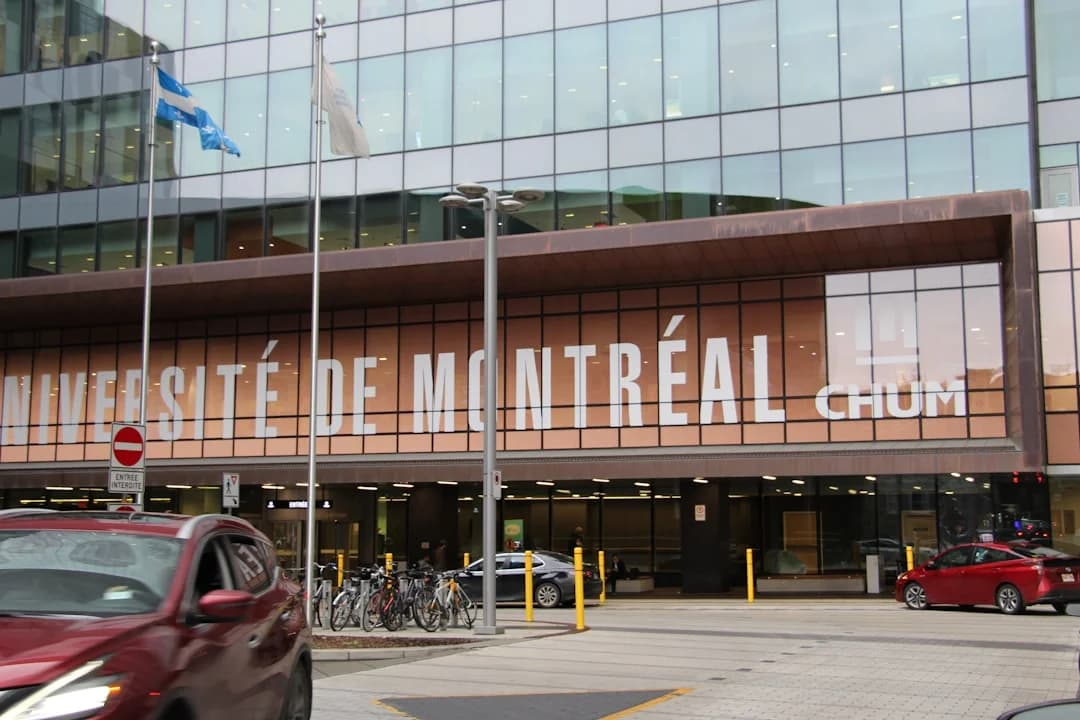
Photo by Alain Guillot on Unsplash
Montreal is poised to become the center of global road cycling once again as it hosts the 2026 UCI Road World Championships. The event is scheduled to run from September 20 to 27, 2026, marking a return to Canada for one of the sport’s most prestigious competitions and a continuation of Montreal’s long history with world-class cycling events. The organizing committee and local partners have framed the championship as a catalyst for urban innovation, with routes spanning Montreal and the Montérégie region and a multi-day program designed to maximize international exposure, spectator engagement, and tourism. As Montreal hosts 2026 UCI Road World Championships, city officials emphasize a data-driven approach to planning, security, transportation, and fan experience, underscoring the event’s potential economic and brand impacts for the region. (uci.org)
The announcement comes after years of planning and collaboration among the city, the provincial government, the UCI, and private partners. In Kigali on September 26, 2025, organizers publicly revealed the official routes for the Championships Montréal 2026, providing the first comprehensive view of course layouts, key climbs, and finish circuits that will shape race strategy for elite men, women, and para-cycling events. The route reveal was a milestone in setting expectations for athletes, teams, sponsors, and fans alike, and it served as a blueprint for infrastructure, media access, and fan zones across the Greater Montreal area and the Montérégie municipalities. (montreal2026.org)
Montreal’s bid to host the 2026 World Championships has been framed as part of a broader strategy to position the city as a hub for high-profile, technology-enabled sporting events. The official 2026 program envisions a week of racing that blends urban circuit action with regional course elements in eight Montérégie municipalities, highlighting a cross-region route strategy designed to extend economic and tourism benefits beyond the city core. Tourism organizations emphasize that the event will draw international visitors, media attention, and sustained interest in Montreal’s cycling culture, while also testing the city’s capacity to host large-scale, multi-day sports events with complex logistics. (mtl.org)
Opening the door to a new era of partnerships, the event has attracted corporate backing and official sponsorships designed to support competition operations, community engagement, and legacy initiatives. Premier Tech was announced as a Main Partner for the 2026 Championships, a signal of the event’s corporate appeal and its potential to showcase Canadian innovation on the world stage. Additional partnerships and official sponsor announcements have followed, underscoring the scale and commercial reach of the World Championships. The sponsor ecosystem is central to funding race operations, youth development initiatives, and downstream tourism. (montreal2026.org)
The race’s footprint extends beyond the road course itself. Organizers have stressed the importance of cutting-edge technology in race operations, fan engagement, and data capture. Canadian cycling media and the UCI have highlighted the event’s role as a testing ground for smart-city applications, digital media distribution, and real-time analytics that broadcasters and sponsors can leverage to deliver immersive experiences for spectators around the world. The scope of the championships—across multiple race formats and age groups—means that hundreds of athletes, officials, volunteers, and media personnel will be on the ground in Montreal and the surrounding region, underscoring the event’s complexity and its potential to set new benchmarks for world championships hosted outside Europe. (uci.org)
Section 1: What Happened
Announcement and dates
The official host city confirmation

-
The 2026 UCI Road World Championships are scheduled to take place in Montréal from September 20 to 27, 2026. This date range is published by the Union Cycliste Internationale (UCI) on its event hub, which also notes that Montréal will host the event for the second time in Canada after Hamilton (2003) and the third time overall in the country, following Montréal’s 1974 World Championships. The timing and location are central to the event’s planning cycle, including route design, venue readiness, and broadcast windows. (uci.org)
-
The Montreal organizing committee’s communications emphasize that the city’s 2026 edition will build on a multi-year strategy to position Montréal as a premier destination for world sports, technology-enabled events, and large-scale cultural tourism. Official channels reiterate the September 20–27 window and frame the championship as a landmark event for the region. (montreal2026.org)
Route revelation and geographic footprint
-
A landmark milestone occurred on September 26, 2025, when the local organizing committee publicly unveiled the routes for the UCI Road World Championships Montréal 2026. The official route map confirms that elite men’s and women’s road races, time trials, and related events will traverse Montréal and eight Montérégie municipalities, demonstrating a truly regional footprint that extends beyond the city core. This route disclosure provides the basis for traffic planning, security zoning, and spectator accessibility decisions in the lead-up to race week. (montreal2026.org)
-
Tourism and city-planning organizations have highlighted the practical implications of the route layout, including the need to manage road closures, transit detours, and spectator viewing opportunities across multiple municipalities. The route design is positioned as a model for how a major global championship can leverage urban circuits to maximize fan engagement while distributing economic activity across a broader metropolitan area. (mtl.org)
Partnerships and sponsorships
-
The event has attracted significant corporate engagement, with Premier Tech named as a Main Partner for the Montreal edition. This partnership underscores the event’s strategic value for Canadian technology and light manufacturing firms seeking global exposure through world-class sport. The partnership announcements stress collaboration across event operations, branding, and corporate social responsibility initiatives tied to youth cycling and community programs. (montreal2026.org)
-
In addition to Premier Tech, the event has rolled out a broader sponsorship ecosystem, including partnerships with insurance and financial services firms along with official suppliers and media partners. Official partner announcements, including Beneva becoming an official partner, illustrate the event’s breadth and its potential to generate cross-sector value for Montreal and Québec. These relationships help fund event production, athlete services, and legacy programs that aim to sustain cycling momentum beyond race week. (montreal2026.org)
-
The International Cycling Union (UCI) has also framed the 2026 World Championships as part of its broader host-city strategy, reinforcing the global nature of the event and the long-term planning cycle that will influence Canadian cycling for years to come. The announcement of host cities and the public release of route details are part of this orchestration, signaling a high level of coordination among national federations, city authorities, and international broadcasters. (uci.org)
Event scope and participant expectations
-
The 2026 World Championships are expected to draw hundreds of athletes from across age groups and disciplines, including junior, under-23, elite men, and elite women categories, as well as para-cycling events. Reports and industry analyses note that approximately 1,000 racers could participate across events, with thousands more officials, support staff, media, and volunteers contributing to the race week. These estimates reflect the event’s scale and its implications for urban logistics, transportation planning, and emergency management. (cyclingnews.com)
-
In parallel, municipal and regional tourism bodies anticipate a measurable uplift in international visitors, hotel occupancy, restaurant traffic, and retail activity during race week and in the weeks surrounding it. The event is positioned as a catalyst for year-round interest in Montréal’s cycling culture, with ongoing marketing and legacy programs designed to keep the city in the global sports spotlight. (mtl.org)
Why It Matters
Economic and tourism impact
-
The Montreal edition of the UCI Road World Championships is framed as a major tourism and economic driver for the region. Local tourism authorities have highlighted expected spillover effects across hospitality, transport, and consumer sectors, with international media exposure boosting Montréal’s brand as a destination for sporting events, festivals, and cultural experiences. The collaboration between the city’s tourism office and the event organizers aims to maximize return on investment through targeted marketing campaigns, fan experiences, and partnerships that extend beyond the race week. (mtl.org)
-
Analyses from city and regional partners emphasize the reputational value of hosting a world championship and the potential to establish a lasting legacy for Canadian cycling. The event is positioned as a showcase of Montréal’s infrastructure, hospitality industry, and digital capabilities, including data-driven approaches to security, transport management, and live broadcasting. While precise economic projections vary by study and methodology, the consensus highlights a meaningful, multi-year impact on tourism receipts, job creation in tourism-related sectors, and enhanced global visibility for Montréal and Québec. (mtl.org)
Urban planning, technology, and broadcast innovation
-
A central theme of Montréal’s World Championships is the integration of technology to improve race operations, fan engagement, and public safety. Organizers and partners have emphasized the use of real-time data, smart-city infrastructure, and enhanced digital platforms to deliver a high-quality spectator experience both onsite and through worldwide broadcasts. This approach aligns with broader trends in sports event management, where cities use major championships to test and showcase technology-enabled urban services. (uci.org)
-
The cross-regional route strategy—linking Montreal with Montérégie municipalities—also presents an opportunity to demonstrate how major sporting events can stimulate regional economic corridors, encourage small- and medium-sized towns to invest in cycling infrastructure, and create a more inclusive athlete and fan experience that extends beyond a single metropolitan center. Industry analyses and local media have framed the strategy as a potential model for future world championships staged outside traditional European hubs. (mtl.org)
Global sport, local impact, and legacy
- The decision to distribute races across multiple municipalities is being framed as a case study in global sport's local impact—how world events can activate regional tourism economies, accelerate improvements in road safety and urban mobility, and leave lasting infrastructure and cultural legacies. UCI communications and cycling press have underscored that the Montréal edition is part of a broader movement to broaden the geographic footprint of top-tier cycling events and to cultivate new markets and audiences for the sport. (uci.org)
What’s Next
Timelines, tickets, and spectator planning
-
In the immediate term, organizers are focusing on finalizing race-day operations, venue readiness, and broadcast logistics for September 2026. The official event hub and partner networks are expected to release updated information on ticket sales, spectator zones, volunteer opportunities, and safety protocols as race week approaches. Given the route complexity and cross-regional footprint, attention to transit coordination, crowd management, and accessibility will be central to the planning process. The UCI and Montréal 2026 communications channels will be primary sources for up-to-date information as timelines firm up. (uci.org)
-
Ticketing and hospitality packages are likely to be rolled out in phases, with early-bird options and corporate hospitality avenues opening ahead of the main sale window. Partners and sponsors will play a key role in financing the fan experience, including branded zones, live music, and digital interactions designed to engage a global audience. The Premier Tech partnership and other sponsor agreements signal a robust commercial framework designed to support high-profile broadcast and digital distribution. (montreal2026.org)
Route specificity, course previews, and athlete preparation
-
The official route documentation released in 2025 provides the foundation for teams to prepare strategies for the elite men’s and women’s road races, individual time trials, and para-cycling events. Teams will study elevation profiles, finish grids, and crowding patterns to optimize pacing, gear selection, and support strategies. The cross-regional course design will require specialized logistical planning for teams traveling with equipment, event staff, and support vehicles across both urban neighborhoods and suburban municipalities. (montreal2026.org)
-
Athletes and national teams are expected to adjust preparation plans for a World Championships that combines city-center circuits with regional road sections. This dynamic is likely to influence training emphases, equipment choices, and contingency planning for weather, road surface conditions, and race-day variables. Industry commentary on the event highlights that Montréal’s edition will be watched closely by teams seeking to calibrate performance in a non-European context, potentially affecting the balance of favorites and podium contenders. (cyclingnews.com)
Partner-driven initiatives and community engagement
- As partner announcements continue, a cadre of community initiatives and youth development programs tied to the Championships is expected to surface. Official communications have highlighted the role of corporate sponsorships in funding grassroots cycling programs, school outreach, and local events that extend the Championships’ reach beyond elite competition. These initiatives are designed to cultivate a broader cycling ecosystem in Montréal and Québec, aligning with long-term strategic goals to grow participation and inclusivity in the sport. (montreal2026.org)
What to watch for in the months ahead
- Updates on route refinements and staging areas, as well as new partner agreements, will shape how the public experiences race week. The involvement of technology partners and smart-city providers could lead to new fan-engagement formats, such as live data overlays, interactive spectator apps, and enhanced accessibility for people with disabilities. Observers should monitor official channels for announcements on traffic management plans, security measures, and hotel and tourism packages tied to the event. (uci.org)
Closing
The Montreal edition of the UCI Road World Championships represents more than a two-week sporting event; it is a test case for how a North American city can blend global competition with local infrastructure, digital innovation, and regional economic development. With routes that traverse Montreal and eight Montérégie municipalities, a robust sponsorship lineup, and a calendar that positions the event as a catalyst for tourism and branding, the Championships Montréal 2026 stands to leave a lasting imprint on the city’s sporting landscape and its broader economy. As organizers finalize logistics and begin selling tickets, observers across Canada and around the world will be watching closely to see how Montréal translates ambition into a memorable, data-driven, and financially sustainable world championship experience.
Staying informed will be essential. For the latest route details, schedule updates, and ticket information, readers can rely on official sources from the UCI and the Montréal 2026 organizing committee, alongside trusted local tourism and sports media outlets. The event’s success will hinge on meticulous planning, transparent communication, and a shared commitment to delivering a world-class experience that benefits athletes, fans, and the broader community alike.
Sources and notes: The 2026 UCI Road World Championships will be held in Montréal from September 20–27, 2026. The routes for Montréal 2026 encompass Montréal and eight Montérégie municipalities, with a route reveal date of September 26, 2025. Premier Tech and Beneva are among the official partners supporting the event. Approximately 1,000 racers across youth and senior divisions are expected to participate, with extensive involvement from media, sponsors, and city services. (uci.org)