Montreal hydro outage January 2026: Data-Driven Update

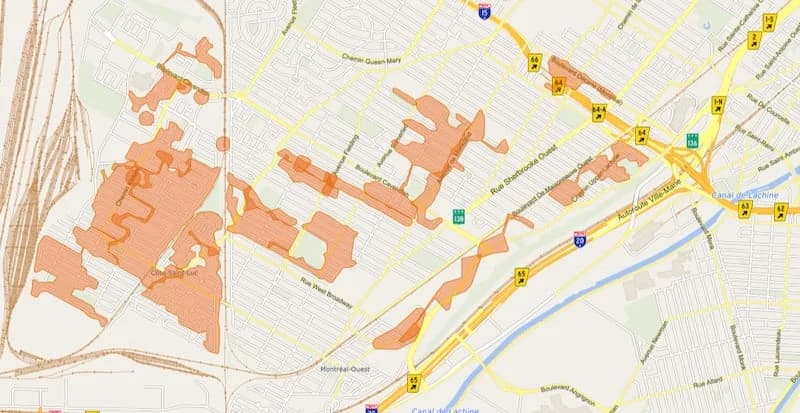
The Montreal region faced a major hydro outage during a bitter Arctic cold snap in late January 2026, triggering a rapid mobilization of crews and a scramble to keep homes and businesses heated. On Saturday, January 24, 2026, an equipment failure at the Hampstead substation sparked a widespread outage that affected thousands of Hydro-Québec customers across Côte-St-Luc, Notre-Dame-de-Grâce, Montreal West, and adjacent neighborhoods, compounding the strain of an ongoing cold spell. Early reporting indicated that more than 13,000 addresses were initially impacted in the Montreal area, with the outage spreading to additional communities as crews worked to restore service. By the evening, the utility’s outage map and subsequent updates showed further movement in restoration efforts and a shifting recovery timeline as temperatures remained frigid. The incident underlined the region’s vulnerability to severe winter weather and the critical role that grid resilience plays in keeping essential services online during extreme cold. (ca.news.yahoo.com)
Hydro-Québec confirmed that the Hampstead substation equipment failure was the primary trigger, with restoration efforts concentrated on safe re energization and staged reconnections to prevent secondary outages. The utility noted that a number of customers would experience a staged return as crews re-energized circuits gradually to avoid cascading faults. In parallel, Hydro-Québec had been managing a broader conversation about grid reliability and maintenance priorities, including ongoing maintenance projects that could influence outage dynamics in the short term. While the Hampstead event was not a planned outage, its timing during an extreme cold event highlighted how maintenance schedules and weather-driven demand can interact to shape outage experiences. Hydro-Québec subsequently outlined restoration steps and customer guidance as the situation evolved. (ca.news.yahoo.com)
As the city attempted to keep heating systems running and pipes from freezing, residents and businesses faced a range of immediate impacts. Local news outlets reported the immediate risk to vulnerable populations, the challenge of maintaining home heating in older buildings with electric heat, and the broader economic ripple effects as commercial kitchens, retailers, and service providers navigated temporary closures or restricted operations. The outage amplified energy-use concerns that typically spike during cold snaps, spurring public messaging from Hydro-Québec about demand management and energy-conservation best practices. By Sunday, citizens and officials were watching for a clearer restoration trajectory as temperatures continued to test infrastructure resilience. The situation also fed into a larger national conversation about winter energy demand and reliability, given Quebec’s heavy dependence on electricity for heating and the region’s climate realities. (ca.news.yahoo.com)
Section 1: What Happened
Outage origin and scope
- The Hampstead substation fault emerged as the primary trigger for the January 2026 Montreal-area outage. Initial reports indicated that more than 13,000 addresses were affected in the Montreal area shortly after the outage began on Saturday, January 24, 2026, with additional neighborhoods joining the affected list as the day progressed. Hydro-Québec actively monitored the outage and communicated a plan to restore service in a controlled, staged manner to minimize risk of further faults. By Sunday evening, authorities reported continued restoration activity and a growing tally of affected customers as crews worked to re-energize critical feeders. (ca.news.yahoo.com)
Timeline and restoration dynamics
- The outage began around 10:30 a.m. on Saturday, January 24, 2026, impacting a wide swath of communities in Montreal and nearby municipalities. Across Côte-St-Luc, Notre-Dame-de-Grâce (NDG), and Montreal West, the disruption affected thousands of dwellings and businesses, with relief measures and restoration updates evolving as the day unfolded. By the end of day one, Hydro-Québec officials indicated that restoration would be performed in a staged manner to maintain grid stability, and they anticipated continued progress into Sunday night and Monday morning for the remaining affected addresses. The on-the-ground reality of aging infrastructure in winter conditions underscored the challenge of rapid restoration during extreme cold. (ca.news.yahoo.com)
Cross-connection with planned maintenance and weather stress
- The January 2026 outage occurred in the context of proactive grid management and scheduled work elsewhere in the network. Hydro-Québec had announced planned essential work at the Des Sources substation in Montréal’s West Island, with communications emphasizing that outages, if any, would be scheduled to minimize disruptions and that affected customers would be notified in advance. While the Des Sources work was not cited as the Hampstead fault’s cause, the incident illustrates how routine maintenance, weather-driven demand surges, and single-point outages can combine to create broader service interruptions during peak winter conditions. (news.hydroquebec.com)
Geographic footprint and affected populations
- The affected areas spanned a core part of the Montreal region, including Côte-St-Luc, NDG, and Montreal West, with reports indicating widespread impact across a cluster of West Island neighborhoods. The incident’s spread highlighted the region’s urban-suburban interconnections and the way a single substation event can ripple through a densely populated area during a cold spell. Media coverage from CityNews and related outlets provided granular updates on neighborhood-level outages as crews prioritized critical corridors and residential blocks with higher heating needs. (ca.news.yahoo.com)
Key metrics and public communications
- Throughout the unfolding event, Hydro-Québec’s outage map and public communications emphasized transparency about feeder status, restoration progress, and customer guidance. The utility’s communications center urged customers to stay safe, report outages accurately, and use the mobile app and outage map to track restoration timelines. These tools are part of Hydro-Québec’s broader resilience strategy, designed to improve outage visibility and enable customers to plan around the reenergization sequence. (hydroquebec.com)
Section 2: Why It Matters
Resilience under duress: heating, safety, and essential services
- The Montreal hydro outage January 2026 occurred during a period of extreme winter conditions, when demand for heating surges and even short outages can have outsized effects on resident safety and health. Local reporting highlighted the risk to occupants in older buildings with electric heating systems, where disruptions in power can quickly translate into unsafe indoor temperatures, frozen pipes, and heightened vulnerability for seniors and households with medical devices requiring continuous power. In these contexts, grid resilience is not just a technical concern but a human safety imperative. Public guidance from Hydro-Québec and emergency services stressed practical steps to minimize risk, including prioritizing heat retention, preparing alternative heating options, and knowing how to access cooling centers or shelter if needed. (ca.news.yahoo.com)
Reliability and maintenance: the broader reliability narrative
- The January 2026 event fed into a broader strategic conversation about how Hydro-Québec coordinates maintenance with real-time demand, weather forecasts, and customer expectations. In January 2026, Hydro-Québec publicly framed reliability as a cornerstone of its long-term planning and 2035 Action Plan, including ongoing discussions with regulators about maintenance funding and vegetation management to reduce outage risk. This incident underscored the tension between preventive maintenance investments and the short-term disruption costs that can arise when outages occur despite such investments. A formal Hydro-Québec press release outlined the company’s stance and ongoing policy considerations in this area, illustrating the delicate balance between outage prevention and the realities of a weather-driven grid. (news.hydroquebec.com)
Policy and regulatory context: where decisions meet outages
- The Montreal outage also highlights the role of regulatory oversight in shaping utility decisions about maintenance, vegetation management, and capital projects. The Régie de l’énergie has influence over how utilities allocate resources for grid reliability, and Hydro-Québec’s communications around potential decisions—such as the ongoing interplay with regional energy regulators—reflect the broader policy environment that affects how quickly infrastructure improvements can translate into fewer outages. The January 2026 context shows how regulatory decisions can indirectly influence outage outcomes, even when a direct hardware fault triggers an event. (news.hydroquebec.com)
Economic and operational ripple effects
- For businesses, a multi-hour outage during a cold snap carries tangible costs—from disrupted production lines to spoiled inventory and customer dissatisfaction for service businesses. Consumers face the immediate burdens of heating costs, potential food spoilage, and the need for alternative arrangements, which can shift consumer behavior for days after restoration. Local media coverage and Hydro-Québec’s outage communications indicate a broad ecosystem of impact, where restoration times, neighborhood-specific outages, and the pace of reenergization all influence how quickly normal activity resumes. The incident thus provides a real-time case study in energy resilience, customer communication, and the economics of outage management in a major urban center during winter climate stress. (ca.news.yahoo.com)
Broader market and technology implications
- From a technology and market perspective, outages of this scale highlight demand-response opportunities, efficiency measures, and the importance of distributed energy resources as potential mitigants during peak winter events. Experts note that improving grid resilience often involves a combination of infrastructure hardening (e.g., redundancy, upgraded transformers), enhanced vegetation management to prevent outages caused by falling branches, and smarter grid controls that can isolate faults quickly and reroute power. Hydro-Québec’s ongoing investments and planning efforts—discussed in its public releases—signal a long-term emphasis on reducing outage durations and improving response times, which have direct implications for ratepayers, investors, and the region’s technology ecosystem. (news.hydroquebec.com)
Section 3: What’s Next
Immediate restoration trajectory and near-term outlook
- As of the latest updates in late January 2026, Hydro-Québec indicated that restoration would continue in a staged fashion with the goal of returning the majority of customers to service within hours to a day, depending on location and the complexity of reenergization. City and regional outlets reported on ongoing restoration activities through Sunday and into Monday morning, with authorities urging patience as crews worked to stabilize the grid and address remaining outages. Given the Arctic conditions, analysts noted the risk that some customers could experience extended outages if weather conditions deteriorate or if additional faults are identified in the affected feeders. Readers should monitor Hydro-Québec’s outage map and official press updates for the most current timelines. (ca.news.yahoo.com)
Planned actions and long-term resilience efforts
- In the wake of the January event, Hydro-Québec and regional planners are expected to revisit maintenance windows, substation protection strategies, and load-management programs to reduce the likelihood of recurrence during future cold spells. The Des Sources substation maintenance, executed as part of ongoing infrastructure work, serves as a contextual example of the type of investments that could influence reliability in years to come. Stakeholders will be watching how regulators and the utility balance capital investments with customer-rate considerations, and whether new resilience measures—such as enhanced feeder redundancy or advanced outage management systems—translate into shorter outage durations in similar scenarios. (news.hydroquebec.com)
What to watch for in the weeks ahead
- In the near term, the focus will be on restoration accuracy, customer communications, and the extent to which affected neighborhoods have fully recovered. Expect updates from Hydro-Québec’s outage map and press office as crews complete reenergization, verify circuit stability, and lift any issued advisories. In the longer term, attention will shift to the aging-capacity narrative—how aging transformers and substations are managed, updated, and reinforced to withstand repeat events—and to regulatory outcomes that could shape future maintenance cycles and investment priorities. The broader public conversation may also emphasize demand-side management, including consumer participation in energy-saving practices during peak winter periods to ease grid stress. (hydroquebec.com)
Closing: Staying informed and prepared
- The Montreal hydro outage January 2026 episode underscores why reliable electricity is foundational to daily life and business operations, particularly during severe winter weather. For readers, the path forward combines timely information with practical planning: keep the Hydro-Québec outage map handy, use the official app for real-time alerts, and follow public briefings from Hydro-Québec and local authorities during cold-weather events. As the market and the grid evolve—with ongoing discussions about maintenance, regulatory decisions, and resilience investments—accurate reporting and data-driven context remain essential for understanding how these outages shape technology, policy, and consumer experience in Montreal and beyond. (hydroquebec.com)
Appendix: Key facts and timeline snapshot
- Saturday, January 24, 2026: Outage begins around 10:30 a.m. due to Hampstead substation equipment failure; initial reports indicate more than 13,000 addresses affected in the Montreal area. (ca.news.yahoo.com)
- Sunday, January 25, 2026: Restoration progress continues; by evening, updates referenced ongoing efforts and staged reconnections as crews addressed feeder stability. Some neighborhoods, including Côte-St-Luc, still experience outages into the day’s end. Public communications emphasize safety and energy-conservation guidance during the cold spell. (ca.news.yahoo.com)
- January 16–22, 2026: Broader winter weather coverage highlights frigid conditions and high electricity demand in Quebec, with authorities warning of potential record usage and stressing the importance of grid resilience. These conditions provide essential context for the late-January outage and its severity. (montreal.citynews.ca)
- January 19, 2026: Hydro-Québec releases a statement about appeals and regulatory dynamics related to its 2035 Action Plan, underscoring the ongoing policy framework surrounding grid reliability and maintenance investments. While not tied to a specific outage, this context helps explain the long-term approach to reducing outages and improving resilience. (news.hydroquebec.com)
- January 19, 2026: Hydro-Québec announces essential maintenance work at the Des Sources substation in Montréal’s West Island, illustrating routine grid work that operates within broader reliability goals and outage management strategies. (news.hydroquebec.com)