Montreal Indie Game Scene 2026: Studios and Partnerships

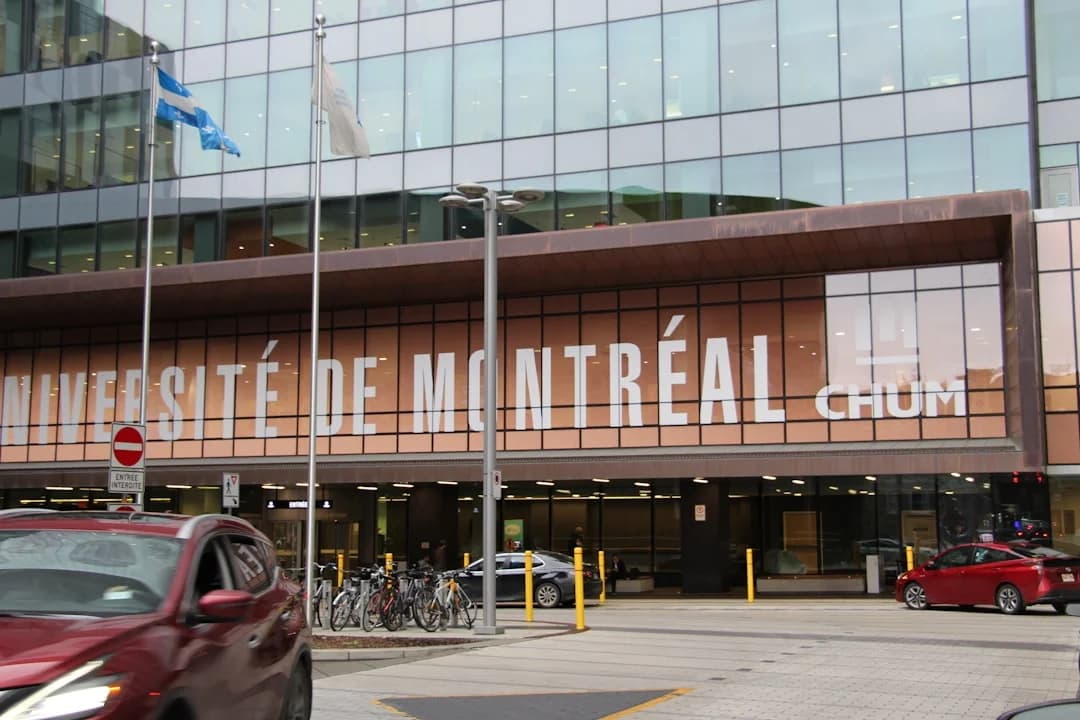
Photo by Alain Guillot on Unsplash
Montreal’s vibrant independent game development community enters 2026 with notable momentum, signaling a renewed push toward global partnerships and creative risk-taking. As Montréal Times covers a data-driven view of technology and market trends, the Montreal indie game scene 2026 stands out for a wave of new studio formations, high-profile cofoundings, and a refreshed pipeline of collaborations with international publishers and service providers. The city’s ecosystem, historically dense with established names and a rising cohort of nimble indie outfits, now presents a more visible collision between veteran know-how and audacious, small-team experimentation. With MIGS 2026 on the horizon, industry observers are watching how these shifts translate into funding, talent retention, and new IP development in one of North America’s densest game-making hubs. This moment matters because it could recalibrate Montréal’s role in the global indie segment, influencing where teams locate, how they partner, and what kinds of games reach international audiences. The following sections lay out what happened, why it matters, and what’s next for players across the Montréal gaming landscape.
Montreal’s indie game ecosystem is entering 2026 with a structured cadence of events and a growing roster of studios that emphasize creative autonomy alongside strategic collaborations. The Montréal International Game Summit (MIGS) — a cornerstone of the city’s game industry — has officially scheduled its 2026 edition for November 10–11, with Grand Quay as the venue. MIGS positions itself as Canada’s largest and longest-running B2B video game conference, serving as a gateway for developers, publishers, and investors to connect, exchange knowledge, and explore funding opportunities. This year’s programming emphasizes three content stages, business-focused lounges, and live indie pitching, underscoring the event’s role as a barometer for market demand and creative direction in Montréal’s indie scene. The event is organized in partnership with La Guilde du jeu vidéo du Québec and XP Gaming, highlighting ongoing cross-border and cross-sector collaboration that shapes the local and regional markets. (migs.biz)
In parallel with MIGS’s calendar, a new cohort of Montreal-based studios has been establishing a stronger foothold in the city’s indie space. Artifact 5, an established Montreal-based indie studio, continues to position itself as a creator of high-fidelity, surreal experiences across PC, consoles, VR, and mobile. Their portfolio and ongoing activity reflect the continued demand for distinct artistic vision within Quebec’s indie ecosystem. Prism Realm, another Montreal-based indie studio, describes itself as a small but dedicated team focused on immersive, handcrafted experiences, signaling a particular appetite for intimate, craft-driven titles within the broader market. Pappagallo Games, also identified as a Montreal-based indie studio, emphasizes a mission to reshape perceptions of the open-world genre, underscoring the city’s strength in supporting diverse design approaches. Together, these studios illustrate a portfolio of players expanding the city’s indie depth beyond a single winning formula. (artifact5.com)
Two notable leadership-level movements further illustrate the 2026 Montreal indie game scene momentum. On May 7, 2026, Pierre-André Déry announced the cofounding of Studio Ricochet, a new independent development studio based in Québec with a leadership team including Déry and colleagues with deep AAA and cross-franchise experience. The studio’s stated approach focuses on speed, creative freedom, and a self-funded model to preserve artistic autonomy during the studio’s early phase. This development is particularly relevant to Montréal’s indie scene because it signals a shift toward veteran creators launching smaller, autonomous outfits that can operate with fewer external constraints while pursuing bold, original IP. The Ricochet formation adds a fresh node to Montréal’s network of experienced developers operating in a city already known for its robust talent pool and collaborative culture. (fr.wikipedia.org)
Rounding out the current picture is Kitfox Games, a Montreal-based indie developer with a long-standing track record and a notable footprint in the local scene. Founded in 2013 and headquartered in Montreal, Kitfox remains a reference point for how Montreal-based studios can scale while maintaining independent control over design and publication choices. The studio’s ongoing presence in the city’s ecosystem contributes to a virtuous circle of mentorship, collaboration, and talent development that benefits newer entrants seeking mentorship and opportunities in a crowded but supportive market. (en.wikipedia.org)
The Montreal International cluster’s broader context helps explain why the 2026 Montreal indie game scene is attracting attention from policymakers, investors, and international partners. A 2025 profile of Greater Montréal’s video game industry highlights a large, mature ecosystem with more than 250 studios and a robust workforce, underscoring Montréal’s status as a global hub for game development. The report also notes that MIGS and other events have long served as anchors for the city’s industry, helping attract foreign investment and talent while showcasing local capabilities to a worldwide audience. With MIGS 2026 and the expansion of indie studios like Ricochet, Montréal International’s data-free narrative about Montréal’s significance in the global market remains compelling and timely. (montrealinternational.com)
Section 1: What Happened
Announcement Overview
Montreal’s indie game scene in 2026 is marked by a confluence of event-driven momentum and studio-level initiatives that collectively raise the profile of the city’s independent developers on a global stage. The MIGS 2026 announcement confirms a concrete timeline: November 10–11, 2026, at Grand Quay in Montréal, with a program designed to connect indies with publishers, investors, and service providers. MIGS emphasizes content across three stages, a dedicated business lounge, an Indie Zone featuring new titles, and the MIGS Indie Pitch Competition, all pointing to a renewed emphasis on formalized matchmaking and deal-making within the indie community. The event also notes a robust roster of 2026 publishers aligned with the gathering, including industry players such as 11 bit Studios, Focus Entertainment, Kitfox Games, and PlayStation Studios, among others. These details collectively signal a continuing willingness of the Montreal market to attract international attention and allocate resources toward indie development through a structured, high-visibility platform. (migs.biz)
New Studio Activity and Foundings
The Montreal indie game scene 2026 is also characterized by the strategic emergence of new studios and leadership-led ventures that reinforce the city’s capacity for sustained innovation. Artifact 5, a Montreal-based indie studio, continues to position itself as a creator of technologically ambitious, emotionally resonant games across multiple platforms, reflecting a trend toward flexible, cross-platform production capabilities among local indie teams. Prism Realm, another Montreal-origin studio, emphasizes immersive, handcrafted experiences, underscoring a boutique approach within the broader market and signaling demand for high-quality, idiosyncratic titles that can travel to international audiences. Pappagallo Games highlights its Montreal base while focusing on reimagining open-world concepts, illustrating the city’s strength in attracting teams with a penchant for ambitious world-building and design experimentation. These studios collectively illustrate a diversified pipeline of creative directions within the city and contribute to Montréal’s reputation as a place where indie teams can thrive without being boxed into a single genre or business model. (artifact5.com)
Leadership Moves and Investment Signals
The creation of Studio Ricochet, announced on May 7, 2026, marks a significant leadership move in Montréal’s indie scene. Co-founded by Pierre-André Déry and colleagues, Studio Ricochet is positioned as an autonomous, self-funded development studio that aims to move quickly, stay focused, and maintain creative control. The studio’s emphasis on independence and fast iteration aligns with broader industry trends toward lean, talent-driven production models that can deliver high-quality experiences without the overhead of large external financing. GamesIndustry.biz coverage of the Ricochet announcement contextualizes this as part of a broader veteran-led shift toward boutique studios capable of competing with multi-year AAA budgets, particularly in an era where funding dynamics can be volatile. This development adds a new dimension to Montreal’s indie scene by expanding the network of experienced professionals who are choosing to form smaller, agile teams within the region. (fr.wikipedia.org)
Market Context and Ecosystem Strength
Montreal’s broader market context helps explain why 2026 is shaping up as a pivotal year for the city’s indie developers. Montréal International’s 2025 short version of the city’s video game industry profile notes a substantial talent pool, deep ties to international publishers, and attractive cost frameworks, all of which contribute to a favorable environment for indie studios seeking to grow and partner. The profile also highlights the city’s role as a hub for global studios and service providers, a factor that can help new Montreal-based studios access expertise, distribution, and co-development opportunities. In this sense, the Montreal indie game scene 2026 is less about isolated successes and more about a coordinated ecosystem that supports experimentation, collaboration, and scale through a mix of public-sector incentives, private investment, and industry events. (montrealinternational.com)
Section 2: Why It Matters
Impact on Local Talent and Economic Growth

The Montreal indie game scene 2026 matters for local talent and the broader economy because it reflects a healthy pipeline of new studios alongside an established base of developers with deep domain expertise. The presence of 250+ studios in the region, along with thousands of workers in the industry, signals a sustained demand for skilled labor, from artists and programmers to designers and producers. For aspiring developers, Montreal’s ecosystem offers both the possibility of entry-level roles at growing indie outfits and the chance to join more mature teams working on international IPs. For the city’s economy, this density of studios supports ancillary services, hardware providers, training programs, and cross-border partnerships that collectively contribute to a resilient cultural tech sector. (montrealinternational.com)
Strategic Partnerships and Global Visibility
The Montreal indie game scene 2026 is increasingly defined by strategic partnerships that extend beyond local studio walls. MIGS 2026’s publisher roster demonstrates a continuing commitment from international players to engage with Montreal’s indie community. The inclusion of big-name publishers and platform holders among MIGS 2026 attendees signals a likelihood of more co-development deals, distribution discussions, and investment opportunities for Montréal studios. For example, Kitfox Games’ inclusion on the publishers list and the general presence of global players at MIGS hint at more cross-border collaboration opportunities for Montreal’s indie teams seeking to reach diverse audiences. This dynamic aligns with Montréal International’s assessment that the city’s ecosystem supports a mature yet flexible network of partners capable of advancing indie projects through various stages of development and distribution. (migs.biz)
Positioning within the Global Indie Landscape
The Montreal indie game scene 2026 also matters for its positioning within the broader global indie landscape. As a city, Montréal has long been recognized for its creative talent, tax incentives, and established universities that feed into the local game industry. The 2025 Montréal International profile highlights that Montreal sits within a global competition for talent and investment, while offering a competitive cost structure that can attract new studios and support services. The emergence of Ricochet and the continued activity of studios like Artifact 5, Prism Realm, and Pappagallo underscore the city’s capacity to host both established and emergent teams, which helps maintain Montreal’s status as a top destination for indie developers seeking a blend of artistic freedom and market access. This positioning matters for publishers and investors who are evaluating where to allocate resources in an increasingly crowded indie market. (montrealinternational.com)
Broader Context: Tech and Market Trends
From a technology and market perspective, the Montreal indie game scene 2026 reflects broader industry patterns: a tilt toward self-funded or mixed-funded studios that prioritize creative control, a preference for cross-platform development to maximize reach, and a reliance on major industry events like MIGS for deal-making and visibility. The Ricochet founder’s emphasis on autonomy resonates with a trend toward smaller teams delivering high-quality experiences without the constraints of large external investment, while Montreal’s expanding Indie Zone at MIGS points to a continued appetite for discovering new IP with global appeal. For readers focused on technology and market trends, these signals suggest that the city’s indie scene is not merely about producing smaller titles; it is increasingly about building pipelines for sustainable growth through collaborations, smarter go-to-market strategies, and creative risk-taking that can yield durable IP across platforms. (migs.biz)
Section 3: What's Next
Anticipated Timelines and Milestones
Looking ahead, MIGS 2026 looms large as a focal point for the Montréal indie game scene 2026. With dates set for November 10–11 at Grand Quay, attendees should expect a slate of conference sessions, pitch events, and business-facing opportunities designed to accelerate partnerships between indie studios and publishers, financiers, and service providers. As the Indie Pitch Competition and the Indie Zone continue to grow within MIGS, the city’s indie developers may see an uptick in early-stage funding discussions, distribution talks, and introductions to potential co-development partners. The event’s long-running role as a business and networking hub makes it a natural inflection point for the evolving Montréal indie ecosystem in 2026 and beyond. (migs.biz)
Key Studio Trajectories to Watch
- Studio Ricochet’s trajectory will be closely watched as a case study in self-funded indie development led by industry veterans. The studio’s early emphasis on creative autonomy and a title in development without external publishing mandates signals a potential blueprint for other Montreal teams seeking similar freedom. As Ricochet moves from formation to production cycles, observers will be watching for partnership signals, market reception to their first title, and how they scale the team while maintaining their independent ethos. (fr.wikipedia.org)
- Artifact 5, Prism Realm, and Pappagallo represent a cluster of creative studios that could collaborate on joint IPs, licensing opportunities, or cross-studio tech sharing. This could translate into a more cohesive indie scene where teams pair up to prototype innovative gameplay concepts, pool production resources, and pursue multi-platform publishing strategies. The Montreal-based nature of these studios positions them well to leverage local talent, university partnerships, and the city’s established ecosystem for ongoing growth. (artifact5.com)
- Kitfox Games’ continued presence in Montreal provides a bridge between established indie practices and the city’s emerging studios. As Kitfox engages with local talent and potentially mentors younger teams, it may shape the mentorship landscape and help de-risk early-stage projects for newer studios in the region. The Montreal location remains a strategic asset in a world where global distribution and cross-cultural appeal increasingly drive indie success. (en.wikipedia.org)
Next Steps for Readers and Industry Professionals
- For developers and founders, MIGS 2026 represents a prime opportunity to secure partnerships, funding discussions, and publisher introductions. Engagements in the Business Lounge, Indie Pitch, and ExDev Hub sections will be particularly relevant for teams seeking to accelerate production or secure distribution channels. Staying informed about the event’s programming, deadlines, and speaker lineups will be critical for optimizing participation. (migs.biz)
- For investors and service providers, MIGS 2026’s publisher roster and business-focused programming present a channel to discover Montreal-based projects with potential for scale or strategic fit. The presence of international players reinforces Montreal’s status as a hub where capital and creative talent intersect, presenting opportunities to back indie titles with strong artistic or gameplay value propositions. (migs.biz)
- For policy makers and industry associations, the ongoing strength of the Montreal indie game scene 2026 highlights the value of sustaining tax incentives, talent pipelines, and cross-border collaboration programs that support fledgling studios while allowing them to compete on quality and imagination. Montréal International’s profile underscores the importance of maintaining a favorable ecosystem that can attract and retain independent developers and the teams that support them. (montrealinternational.com)
What to Watch for in the Months Ahead
- Studio Ricochet’s first title and publishing approach will be a key indicator of how veteran-led independent endeavors evolve in Montréal. The project’s design philosophy, team structure, and early market reception will be informative markers for the broader indie scene’s direction in 2026–2027. (fr.wikipedia.org)
- MIGS 2026’s outcomes, particularly deals announced during the event and publishers’ interest in Montreal-based projects, will serve as a practical signal for both the health of the indie sector and the city’s ability to convert creative output into market success. (migs.biz)
- The growth trajectory of smaller studios like Prism Realm and Pappagallo, alongside Artifact 5, will be important to watch as they potentially form partnerships or joint ventures that can amplify their reach and revenue potential without sacrificing their indie identities. (prismrealm.ca)
Closing
Montreal’s indie game scene 2026 stands at a crossroads where creative ambition meets practical pathways to scale. The convergence of MIGS 2026’s high-profile platform, the formation of Studio Ricochet by veteran developers, and the continued vitality of Montreal-based studios like Artifact 5, Prism Realm, and Pappagallo reflect a city that is both deeply rooted in its indie DNA and increasingly adept at translating innovative ideas into globally accessible products. For readers and industry watchers, the coming months will reveal how this ecosystem translates into concrete titles, publishing partnerships, and new opportunities for Montreal’s game developers to shape the next wave of independent experiences. As the year unfolds, Montréal Times will continue to monitor and report on the evolving Montreal indie game scene 2026, delivering data-driven insights that help readers understand the technology, business models, and market dynamics driving this dynamic community.

If you’re following Montreal’s technology and market trends, stay tuned for updates on MIGS 2026 programming, new studio announcements, and the ongoing development of independent titles emerging from Montréal’s thriving indie community. The city’s indie scene remains a focal point for global curiosity, a proving ground for creative risk-taking, and a testament to how local talent can influence international gaming conversations.