Montreal Jazz Festival 2026 Expansion Expands Footprint

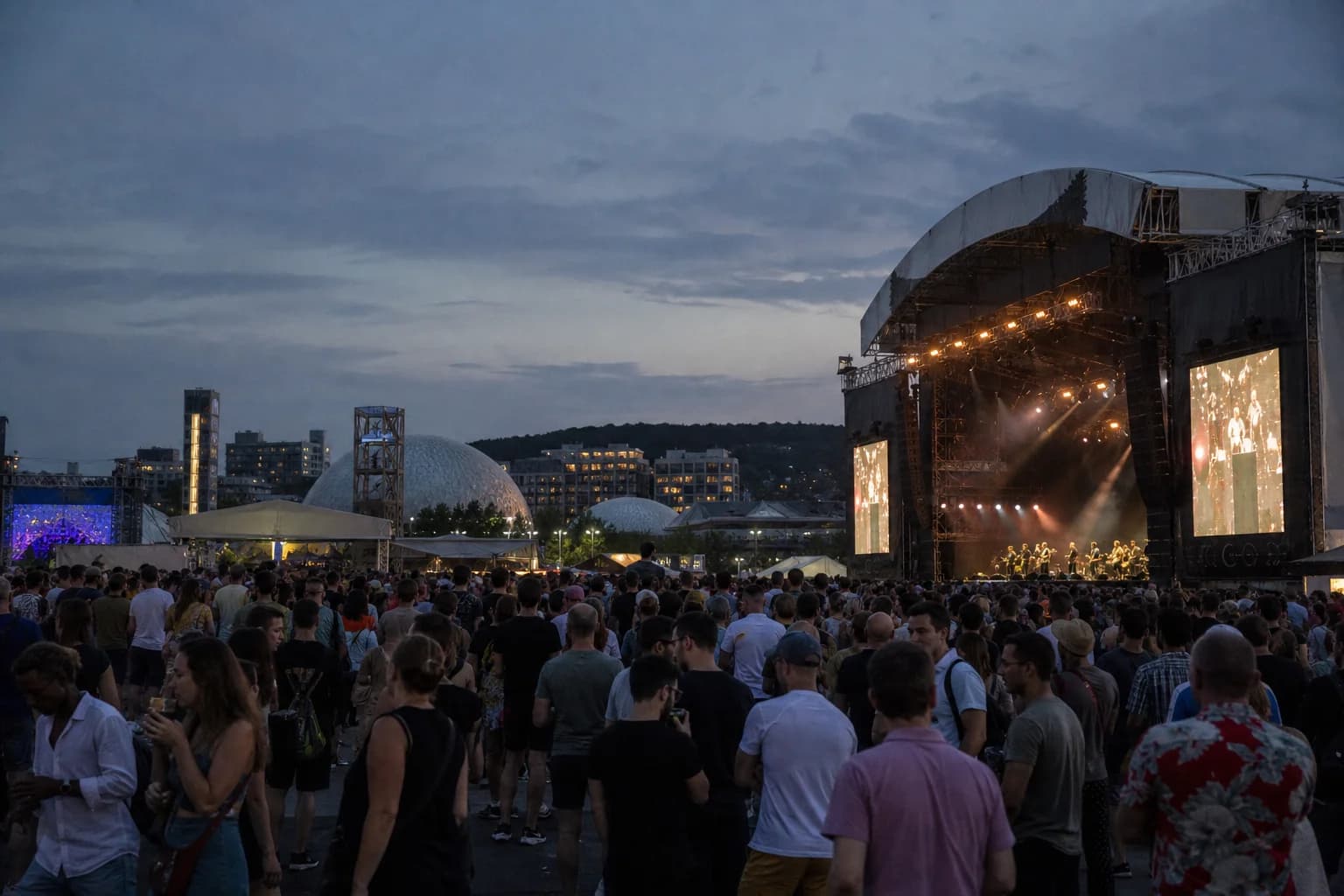
Photo by Jp Valery on Unsplash
Montréal’s premier jazz celebration is back with what observers are calling a notable milestone in the Montreal jazz festival 2026 expansion era. The Festival International de Jazz de Montréal (FIJM) has scheduled its 46th edition for June 25 to July 4, 2026, continuing a decades-long tradition of citywide performances that fuse free outdoor programming with ticketed indoor concerts. Officials confirm the dates and emphasize a broader festival footprint across the Quartier des Spectacles and adjacent venues, signaling a deliberate expansion of both reach and access. The official festival site confirms the 2026 window, with city-wide activity expected to extend beyond traditional venues to include a larger mix of outdoor stages and indoor rooms. (montrealjazzfest.com)
As part of the Montreal jazz festival 2026 expansion narrative, organizers appear to be leaning into the festival’s long-standing model of outdoor engagement while enhancing indoor programming at flagship venues. Tourisme Montréal’s overview for 2026 underscores a ten-day run that will illuminate the Quartier des Spectacles, Place des Festivals, and nearby indoor venues, with a substantial portion of programming available free of charge. The report notes that the edition is framed around citywide participation, not confined to a single district, reinforcing the city’s role as a living stage for jazz and adjacent forms. This broader footprint aligns with FIJM’s historical pattern of intertwining outdoor and indoor experiences, and current city tourism materials highlight a continuing emphasis on accessibility and urban activation. (mtl.org)
Opening the door to data-driven context, the FIJM’s recent public materials reinforce a scale that readers should watch closely. In 2024, Canadian government funding supported the festival’s operations and its expansive lineup, underscoring backing for a festival that routinely features hundreds of performances and a high share of free outdoor programming. That framework has shaped expectations for the 2026 edition, including a large slate of performances across multiple venues and substantial public engagement. While not a formal forecast, the 2024 funding details illustrate the structural context in which the 2026 expansion is unfolding—an indication that the festival’s growth is anchored in both public support and city infrastructure. (assets.ctfassets.net)
The 2026 edition has already begun to attract attention from local media and industry observers for its breadth of programming. Early coverage highlights a lineup that blends jazz legends with contemporary voices across genres, reflecting FIJM’s ongoing strategy to broaden its appeal while maintaining jazz-centric roots. While comprehensive lineup details for the entire festival are typically released in the spring, multiple outlets reported early-name reveals and anticipated scope, signaling that the expansion is as much about programming diversity as it is about venue expansion. As one local outlet notes, the festival’s 2026 program is expected to “offer a wealth of crowd-pleasing classics and brand-new discoveries,” consistent with a festival that has long positioned Montreal as a global jazz hub. (montrealtimes.ca)
This week’s developments are anchored by several official and industry sources that together sketch a portrait of the FIJM’s ongoing evolution. The festival’s own site confirms the edition window as June 25 to July 4, 2026, with an emphasis on both marquee indoor performances and broad outdoor activity around central Montreal locations. The same site references the Maison du Festival and Le Studio TD as part of the festival ecosystem, signaling a continued commitment to a diverse set of venues that accommodate large crowds as well as intimate listening experiences. Community and tourism organizations likewise reiterate the city’s role in hosting a high-volume, multi-venue, multi-day event that leverages outdoor space to reach broad audiences. (montrealjazzfest.com)
Section 1: What Happened
Announcement and Dates
FIJM 2026 edition window
- The Festival International de Jazz de Montréal has announced its 2026 edition, running from June 25 to July 4, 2026. The official FIJM home page confirms these dates, signaling the continuation of a summer ritual that has grown into a city-wide phenomenon. This is the core news anchor for the Montreal jazz festival 2026 expansion narrative, setting the stage for venue activity, ticketing, and programming to unfold across the city. (montrealjazzfest.com)
Early lineup signals and context
- Early media coverage in local and regional outlets highlighted the 2026 edition’s ambitions, noting a lineup that blends well-known luminaries with rising talents. While the full lineup typically arrives in the spring, initial reports emphasize a robust and varied slate designed to appeal to both devoted jazz fans and a broader audience. Such coverage aligns with FIJM’s consistent pattern of evolving programming year over year. (montrealtimes.ca)
Venue Expansion and Outdoor Programming
Expanding the footprint across the city

- The 2026 edition is framed as an expansion of FIJM’s usual footprint, with continued emphasis on outdoor performances in the heart of Montreal’s festival districts. Tourisme Montréal notes that the edition will illuminate the streets and stages of the Quartier des Spectacles and Place des Festivals, a pattern that has characterized FIJM for years and appears to be reinforced in 2026. The emphasis on outdoor spaces is a hallmark of the festival’s strategy to blend accessibility with spectacle. (mtl.org)
Indoor venues remain central
- In addition to outdoor stages, the FIJM’s indoor venues—including places like Maison Symphonique and Le Studio TD, which host a mix of symphonic and intimate performances—continue to anchor marquee events. The festival’s ecosystem includes a convergence of indoor and outdoor experiences, a model that remains central in 2026 as per the festival’s own materials and partner publications. This dual approach helps explain why the expansion is often described as both a geographic footprint expansion and a programming expansion. (mtl.org)
Key Facts and Timeline
Core numbers and schedule
-
Dates: June 25 to July 4, 2026 (10 days of programming). This window is repeatedly confirmed across official festival pages and tourism coverage, establishing a clear, public timeline for the edition. (montrealjazzfest.com)
-
Scale of programming: More than 350 performances expected across the festival period, with a substantial portion of shows offered free of charge. The 2024 FIJM funding release notes a similar scale and free outdoor emphasis, providing a benchmark for understanding FIJM’s operating scale as it approaches 2026. While exact 2026 numbers will be finalized closer to the festival, planning documents and past practice indicate a large, city-wide program. (assets.ctfassets.net)
-
Visitor and attendance context: The festival has historically drawn millions of attendees over its run, with Tourisme Montréal highlighting tens of thousands of participants and a broad audience base. The 2026 edition’s footprint—outdoor blocks, plazas, and indoor venues—continues to position FIJM as a major driver of summer tourism and urban activity in Montreal. (mtl.org)
Notable program signals
- The 2026 edition’s early reporting points to a lineup that blends jazz legends with contemporary and cross-genre acts, a pattern FIJM has pursued for years. Coverage emphasizes the festival’s capacity to attract international visitors and to present a diverse set of stylistic experiences within the jazz umbrella. While not a complete lineup, these signals help readers anticipate a robust, multi-venue program. (montrealtimes.ca)
What the Announcement Means for the City
Economic and tourism implications

-
The FIJM’s expansion in 2026 is more than a festival schedule; it represents a sustained engine for tourism and local business. Tourisme Montréal’s coverage highlights the festival’s 10-day window, its mix of free and ticketed programming, and its role in drawing international visitors to downtown Montreal. The numbers around 2 million attendees across the event’s history and the presence of hundreds of performers underscore the festival’s scale and its potential economic impact on nearby businesses, transit networks, and hospitality sectors. In this context, the 2026 edition’s footprint expansion is a strategic lever for city-wide economic activity during the early summer season. (mtl.org)
-
Public funding and municipal partnerships are another lens through which to view the expansion. The FIJM’s ongoing access to government support—evidenced by the 2024 government funding release that underscored national and regional investments in the festival—helps stabilize the festival’s ability to scale its operations and offer free programming, a core component of its outreach strategy. The 2024 release demonstrates how public funds can underpin a large multi-venue festival while maintaining affordability and accessibility for residents and visitors. (assets.ctfassets.net)
Cultural and accessibility considerations
-
The festival’s expansion aligns with Montreal’s broader cultural strategy, which emphasizes accessible public programming, sustained urban activation, and inclusive events. The Quartier des Spectacles Partnership and related city documents have long discussed expanding festival spaces and improving pedestrian access to live events, underscoring a public-oriented approach that FIJM has integrated into its programming. This alignment suggests a continued emphasis on free outdoor concerts and broad city engagement in 2026. (quartierdesspectacles.com)
-
The festival’s use of outdoor spaces—paired with indoor venues—mirrors a trend in major global festivals to maximize outdoor audience reach while preserving the quality and intimacy of indoor performances. The FIJM’s approach to outdoor programming, particularly around Place des Festivals, is a defining feature of the Montreal festival experience and a mechanism for expanding the festival’s audience. This dynamic is reflected in the city’s tourism content and in the festival’s own materials. (mtl.org)
Section 2: Why It Matters
Economic and tourism impact of the expansion
A city-wide economic engine
-
As Tourisme Montréal notes, the FIJM operates across multiple venues and a wide geographic footprint, which translates into restaurant patronage, hotel occupancy, transportation usage, and ancillary events. The 2026 expansion, with more outdoor blocks and a broader venue mix, is likely to intensify these effects. The festival’s scale—hundreds of performers and thousands of performances—drives short-term demand for accommodation, dining, and transit, while also contributing to longer-term city branding as a go-to summer destination. The combination of free outdoor performances and marquee indoor shows broadens the festival’s appeal to diverse audiences, including families, international travelers, and local residents seeking affordable experiences. (mtl.org)
-
The economic dimension is reinforced by funding patterns that support the festival’s presentation capabilities. The 2024 government funding release documents the kinds of public investments that enable large-scale operations, including staffing, production, venues, and programming. Although those funds pertain to a prior edition, they illustrate the financial architecture that supports FIJM’s expansion trajectory and its capacity to sustain a broad, city-wide program. This funding backdrop helps explain why the festival can pursue a wider footprint while offering a substantial portion of its programming free of charge. (assets.ctfassets.net)
Cultural capital and international profile
- The FIJM’s expansion signals not only economic activity but also cultural signaling. A festival of this scale reinforces Montreal’s status as a global jazz hub, attracting artists from across the globe and encouraging cross-genre collaborations. Coverage of early 2026 developments emphasizes a diverse lineup and a programming strategy designed to deepen jazz’s resonance in a contemporary cultural ecosystem. The festival’s long history of high-profile performances and its ongoing efforts to blend heritage with innovation position it as a key cultural asset for the city. (montrealtimes.ca)
Audience and accessibility implications
Audience reach and free programming
- A central feature of FIJM has historically been the balance between free outdoor performances and ticketed indoor events. The 2026 edition’s footprint—and the associated emphasis on outdoor stages around central squares—continues this approach, potentially broadening access for residents and visitors who may not purchase indoor tickets. This dynamic is supported by Tourisme Montréal’s emphasis on outdoor programming and accessibility, which FIJM has integrated into its festival model for years. The ongoing balance between accessibility and premium experiences is a defining characteristic of the festival’s public-facing strategy. (mtl.org)
Urban experience and public space
- The expansion’s urban dimension is more than a schedule; it’s a planning lens for how Montreal’s public spaces are activated. The Quartier des Spectacles has become a living festival district, with plan-for-growth discussions and collaboration among cultural institutions, city agencies, and event organizers. The expansion narrative aligns FIJM with broader urban culture initiatives that seek to activate streets and plazas for art and performance, creating a more resilient and vibrant city during the summer. The collaboration between the festival and Quartier des Spectacles stakeholders is a signal of integrated planning that benefits audiences, artists, and local businesses. (quartierdesspectacles.com)
Broader context and comparisons
International festival trends
- In a global context, major urban festivals frequently expand footprint and programming to maximize audience engagement, diversify revenue streams, and strengthen community ties. FIJM’s approach—combining outdoor, accessible events with high-profile indoor performances—fits within this broader pattern. Observers can compare FIJM’s strategy with other leading jazz festivals that have expanded site footprints or introduced new venues to accommodate growth, while maintaining the emphasis on artistry and cultural exchange. The festival’s published materials reflect a mature capacity to manage a large-scale, multi-venue operation. (mtl.org)
Local media perspectives
- Local media coverage has framed FIJM’s 2026 edition as a significant moment in the city’s summer calendar, highlighting the edition’s ambitious scope and its potential economic and cultural benefits. While coverage varies by outlet, a common thread is the perception of FIJM as a driver of citywide activity, attracting audiences from across North America and beyond. This sentiment aligns with the festival’s own statements about the 2026 edition’s breadth and its role in Montreal’s cultural economy. (montrealtimes.ca)
Section 3: What’s Next
Timeline and next steps
Upcoming confirmations, schedule, and tickets

-
As of now, the FIJM site has established the festival window (June 25 to July 4, 2026) and indicates a robust multi-venue program combining outdoor and indoor venues. The full lineup and day-by-day schedule typically emerge in the months leading up to the event; readers should watch the FIJM official site for the complete program, which will be accompanied by venue-specific announcements, ticketing details, and any health and safety guidelines. A steady stream of lineup reveals is expected through the spring, mirroring patterns from prior editions. (montrealjazzfest.com)
-
Industry outlets and tourism partners previewed early-name announcements, suggesting a strong mix of jazz icons and contemporary performers. These previews often coalesce into a finalized roster a few months before curtain, with additional acts added closer to showtime. The 2026 reporting landscape indicates a continuing emphasis on cross-genre collaboration and audience accessibility, hallmarks of FIJM’s programming philosophy. (montrealtimes.ca)
What to watch for
-
Watch for formal venue confirmations and outdoor programming details. The expansion narrative includes not only more outdoor stages but also an expanded set of indoor performances across central venues. Expect further details on the Maison du Festival and Le Studio TD’s role in presenting festival experiences, along with any new spaces introduced as part of the expansion. The festival’s own materials and partner outlets will provide the authoritative updates. (mtl.org)
-
Ticketing evolution and accessibility options. Given the festival’s history of balancing paid and free experiences, readers should anticipate a mix of free outdoor performances complemented by a curated ticketed indoor lineup. The publicly available funding context, including government support aimed at broadening access, provides a backdrop for potential changes in ticketing and access policies. (assets.ctfassets.net)
-
Ancillary programs, exhibitions, and AR experiences. The FIJM has previously integrated interactive elements into the festival experience (for example, AR and immersive components tied to installations and venues). As part of the 2026 expansion, there may be further digital or interactive features that enhance attendee engagement and accessibility. Tourisme Montréal and FIJM’s own program materials have highlighted these kinds of innovations in recent years. (mtl.org)
What’s next for readers and attendees is to stay tuned for official announcements from the FIJM and city partners. The official festival site will publish the final schedule, performer bios, venue maps, and ticketing options. In the meantime, readers can monitor Tourisme Montréal’s coverage for context on the broader city-wide impact and access, as well as Jazz Festivals Canada’s festival calendar for cross-country comparisons that illustrate FIJM’s place in the global jazz festival ecosystem. (mtl.org)
Closing
The Montreal jazz festival 2026 expansion appears to be less about a single new venue and more about a holistic intensification of FIJM’s city-wide presence. By weaving more outdoor programming into the Quartier des Spectacles and Department of Tourism’s coordinated outreach with indoor venues like Maison du Festival, the festival reinforces its status as a cultural and economic engine for Montréal. The expansion also signals a deliberate commitment to accessibility—ensuring that a broad cross-section of residents and visitors can participate in a citywide celebration of jazz, improvisation, and cross-genre collaboration. As the festival’s organizers finalize the lineup and logistics, stakeholders across the city—from hospitality to transit to cultural groups—will be watching closely to gauge how this increased footprint translates into audience reach, economic impact, and long-term cultural value.
For readers seeking the most up-to-date information, the FIJM’s official site remains the primary source for dates, venues, and complete programming. City partners, including Tourisme Montréal, provide complementary context on how the festival’s footprint interacts with urban life, transportation, and visitor experience. As Montreal’s summer music season unfolds, FIJM’s expansion is likely to become a bellwether for how major urban festivals scale responsibly while preserving artistic integrity and audience accessibility. Stay tuned to the FIJM site and local cultural outlets for the latest announcements, schedule updates, and ticketing news as the festival approaches.
“Jazz is fuelled by other contemporary music styles, and in turn, jazz has made its presence felt in rock, pop and hip-hop, just to name a few. Our incredible team has once again created a modern, comprehensive and diverse program that reflects this healthy evolution and demonstrates that jazz is a key part of our musical landscape.” — FIJM Programming Director (from FIJM press materials) (assets.ctfassets.net)
Expanding horizons every year. The 2026 edition, with its mix of outdoor stages and indoor venues, promises a festival experience that continues to blend accessibility with top-tier artistry and city-wide spectacle. Keep tabs on precise scheduling and performer bios, and note that the festival’s footprint includes Casa du Festival and Le Studio TD as part of its ongoing evolution. (mtl.org)