Montreal Municipal Green Bonds 2026: Transit Financing

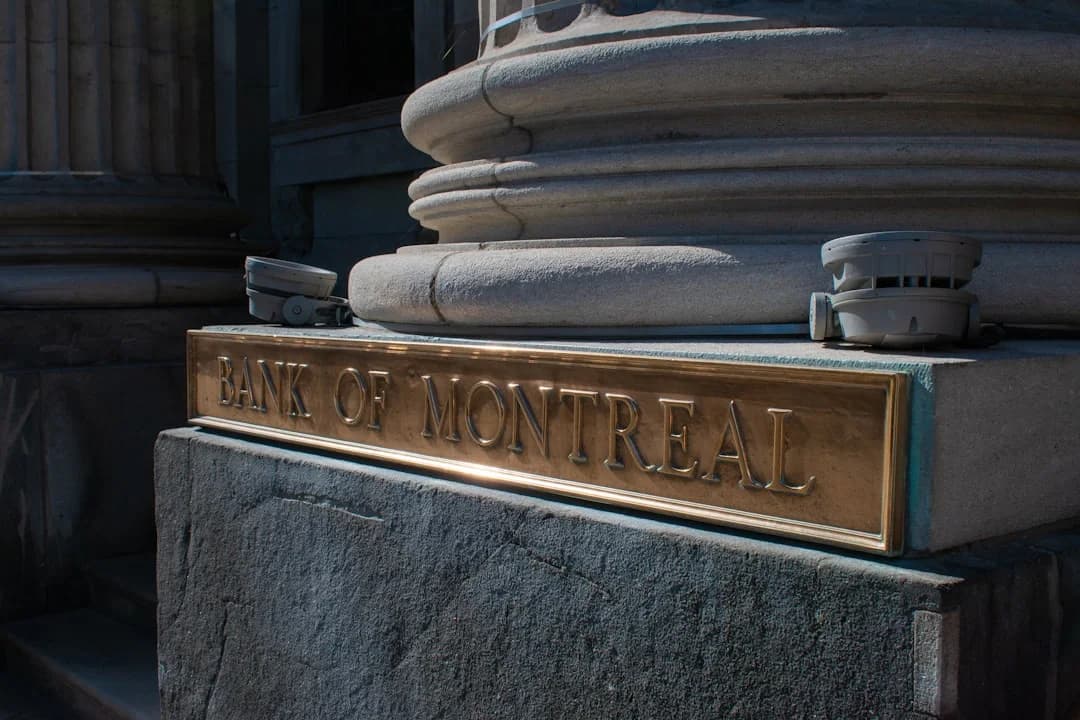
Photo by Gaétan Marceau Caron on Unsplash
Montreal Times presents a data-driven look at Montreal municipal green bonds 2026 and what such a financing instrument could mean for the city’s transit upgrades, retrofit programs, and broader climate initiatives. The 2026 budget and the city’s climate strategy signal a continued emphasis on resilience and infrastructure, with explicit funding for green infrastructure and a climate-focused reserve that could lay groundwork for future green-finance activity. In this context, Montreal’s path toward a municipal green bond program is shaped by local priorities and a broader provincial framework that already finances key transit projects in the greater Montréal region. The city’s stated priorities for 2026 include resilience to climate impacts, mobility improvements, and green infrastructure development, all of which align with the logic of green bonds as a funding tool. The four-year plan and the budget document lay out a course that could eventually leverage green-debt instruments if the city chooses to pursue them. (montreal.ca)
Beyond Montréal’s own budgeting signals, the province of Québec maintains a formal Green Bond Program that identifies eligible projects and provides a framework for how green proceeds are allocated and reported. The Quebec framework explicitly enumerates Montreal-related transit and infrastructure initiatives, such as the Blue Line extension, AZUR metro cars, and new or expanded STM bus garages, as eligible expenditures. This structure provides a credible mechanism for a future Montreal issuance and situates the city’s ambitions within a transparent, standards-driven market. The existence of a mature provincial program matters: it lowers perceived regulatory and governance risk for any potential municipal issuances in Montréal and helps ensure ongoing reporting and accountability to investors. As Montréal considers future financing, this policy context is a critical reference point. (finances.gouv.qc.ca)
For readers seeking a broader context, Canada’s national Green Bond Program and the updated 2023 framework emphasize transparency, use of proceeds, and annual reporting of environmental impacts. Since the program’s March 2022 launch and its November 2023 update, green bonds have been used to finance a wide range of environmental initiatives, with formal reporting requirements designed to give investors visibility into how net proceeds are allocated and what environmental benefits are achieved. This national backdrop informs how a Montreal program—if pursued—would be structured, reported, and audited to meet investor expectations. (canada.ca)
opening paragraph outline
- Montreal municipal green bonds 2026 are the focal topic as a potential financing vehicle.
- The City of Montreal’s 2026 budget emphasizes climate resilience and green infrastructure.
- Québec’s Green Bond Framework already features Montreal-related projects and could underpin any future municipal issuance.
- National green-bond framework adds reporting and transparency expectations that would apply.
What Happened
Budget signals and climate priorities
Montreal’s 2026 budget and the associated plan d’immobilisations 2026-2035 (PDI) were unveiled in January 2026, signaling the city’s financial confidence and its climate-related priorities. The city announced a balanced operating budget of 7.67 billion Canadian dollars for 2026 and a PDI totaling 25.9 billion for 2026–2035, underscoring the city’s commitment to strategic investments across several policy areas, including climate resilience. Notably, climate resilience is a defined priority, with explicit allocations and a focus on building green infrastructure and a dedicated climate-resilience fund to support the arrondissement-level response to weather extremes. The plan also includes measures to fund “infrastructures vertes, multifonctionnelles et résilientes” and a new climate emergency reserve, signaling a channel for climate-related financing that could be complemented by green-bond proceeds in the future. In addition, the mobility and infrastructure blocks—part of the eight prioritized themes—signal a readiness to scale up infrastructure investments that many green-bond frameworks target as eligible expenditures. (montreal.ca)
Québec green-bond framework and Montreal-linked projects
Québec’s Green Bond Framework has long identified Montreal-related transit and infrastructure projects as eligible for financing with green bonds. The framework describes a broad set of eligible categories, including clean transportation, green buildings, sustainable water management, and climate adaptation. The framework explicitly lists Montreal-related projects such as the Blue Line extension of the Montréal métro, new AZUR métro cars, and bus garages (Bellechasse and East End) as eligible for funding under the Green Bond program. This listing shows how a future Montreal issuance could align with an established provincial process, with a clear use-of-proceeds path and a pre-approved project pool. The framework also notes that the STM’s Bellechasse bus garage (LEED) and the East End Montréal bus garage, among others, are part of the eligible pipeline that could be financed through green bonds. Moreover, the framework describes a governance mechanism involving the Green Bond Advisory Committee (GBAC) to evaluate projects, ensuring alignment with the use-of-proceeds criteria and government approvals. The East End bus garage, scheduled to begin service in 2026 per policies outlined in these documents, provides a concrete example of a Montreal-area project that could be eligible for green-bond proceeds under Québec’s framework. (finances.gouv.qc.ca)
Market scale and issuance history
Québec has issued multiple green bonds under its framework, reflecting the market’s maturity and credibility. As of the latest public disclosures, Québec’s Green Bond program has completed nine issues, totaling roughly CA$5.7 billion in net proceeds, underscoring the province’s active participation in the green-bond market and providing a proven template for municipal issuers seeking similar approaches. The same program documents highlight the allocation of proceeds to eligible Montreal-related initiatives (including transit and green buildings) and emphasize the ongoing tracking of net proceeds to designated programs. This scale and track record help create a credible backdrop for any Montreal-specific green-bond issuance in 2026. (finances.gouv.qc.ca)
Why It Matters
Transit upgrades and climate action alignment

A Montreal municipal green-bonds 2026 plan would sit squarely at the intersection of transit modernization and broader climate resilience. Québec’s Green Bond Program explicitly includes electric buses, AZUR metro cars, and new or extended lines as eligible expenditures, tying green-finance outcomes to concrete mobility projects. The AZUR metro cars—produced through a Bombardier-Alstom consortium and entering service in the mid-2010s—demonstrate the scale and impact potential of a transit modernization program funded through green-bond proceeds. With the East End Montréal bus garage slated to support a growing electrified fleet and LEED certification goals, a Montreal issue could align with a pipeline that has already been established for the public transit sector. This alignment matters because it demonstrates a realistic and credible path for a 2026 issuance to fund tangible improvements in public transit and urban resilience. (finances.gouv.qc.ca)
In both Canada-wide and Québec-specific contexts, the framework emphasizes that green bonds are debt instruments with the same credit characteristics as conventional bonds, but with the use of proceeds directed toward eligible environmental projects. This clarity supports investor confidence and the potential for scalable municipal financing to support climate and mobility priorities. (finances.gouv.qc.ca)
Transparency, reporting, and investor confidence
Canada’s Green Bond Program places a strong emphasis on allocation reporting and impact reporting, ensuring investors can see where proceeds go and what environmental outcomes are achieved. The program’s 2023–24 allocation and impact report confirms a structured approach to reporting, including third-party verification and detailed annexes outlining where funds are allocated and what impacts are realized. For Montreal, adopting a similar reporting discipline would be essential to building trust with investors and ensuring ongoing access to capital at favorable terms. The Canadian framework’s emphasis on transparent reporting would complement the provincial framework’s governance processes, if a city-level issuance occurs. (canada.ca)
Financial implications and risk considerations
Green bonds are designed to be financially equivalent to conventional bonds in terms of pricing, credit quality, and maturities, with the primary distinction in their Use of Proceeds. The Québec framework explicitly notes that green bonds are not a separate funding source, but a means of financing that would have occurred through conventional debt anyway, aligning with debt-management best practices. This implies that a Montreal issuance could be undertaken with familiar market mechanics, while attaching a transparent green-use narrative that could broaden investor demand among socially responsible and climate-focused funds. For investors, the alignment with established use categories and the GBAC governance process helps ensure credible project pipelines and adherence to green-bond standards. (finances.gouv.qc.ca)
Local economic and social implications
A 2026 Montreal municipal green-bonds program would have broader social and economic implications beyond the raw debt issuance. The Montreal budget highlights investments that support climate resilience infrastructure, including LEED-certified facilities and green spaces, which can drive local employment in construction, design, and climate-adaptation services. By connecting a potential green-bond issuance to concrete projects like the East End bus garage and other green-infrastructure initiatives, Montréal could monetize public investments that deliver environmental benefits while supporting local jobs and urban renewal. In international practice, green bonds often serve as a signal to investors and the market that a city is committed to integrating climate risk into its financial planning, which can improve resilience and investor confidence over time. (montreal.ca)
What's Next
readiness steps for Montreal
If Montréal moves from concept to issuance, a practical pathway would likely mirror the governance and process patterns already established under Québec’s Green Bond program. The Green Bond Advisory Committee (GBAC) framework would guide the selection of eligible projects, ensuring alignment with the Québec Infrastructure Plan (QIP) and the city’s climate objectives. The GBAC’s unanimity requirement for project inclusion underscores the importance of consensus among government departments and project proponents before a bond proceeds allocation occurs. Montreal would need to map its candidate projects to the eligible categories (clean transportation, green buildings, sustainable-water projects, climate adaptation) and secure government approvals for inclusion in the eligible pool. This approach would be complemented by a robust Use of Proceeds statement, asset-based project tracking, and ongoing reporting to meet GBP-aligned standards. (finances.gouv.qc.ca)
Québec’s framework also emphasizes the design of a transparent use-of-proceeds ledger, with net proceeds tracked in a designated account and disbursements reported against eligible projects. Montreal would need to coordinate with provincial and federal reporting requirements to ensure consistency across governance layers and to maintain investor confidence. The framework’s allocation-tracking provisions provide a practical blueprint for how proceeds would be managed over the life of a Montreal municipal green bond issue. The Bleu Line extension, AZUR metro car purchases, and the Bellechasse/ East End bus garages illustrate a ready-made project pipeline that could be mobilized as part of a 2026 issuance, subject to project readiness and approvals. (finances.gouv.qc.ca)
In the broader market, the national program’s emphasis on bringing Buy Clean principles, transparency, and impact reporting into the debt market suggests that a Montreal issuance would be expected to deliver clear environmental and mobility benefits, along with strong governance and accountability. The Canadian framework’s experience with third-party verification and annual impact reporting would be a natural fit for a municipal program in Montréal, especially given the city’s climate- and mobility-focused priorities. As analysts and city staff watch the market, the combination of a credible provincial framework, a robust climate budget, and a well-defined project pipeline could position Montréal to explore green-bond financing as a way to accelerate transit modernization and climate resilience in the medium term. (canada.ca)
Timelines and watch list
The timeline for a Montreal municipal green bonds 2026 issuance would hinge on project readiness, governance approvals, and market conditions. Québec’s green-bond investor materials show a pipeline of eligible Montreal projects with explicit service timelines (for example, the East End bus garage slated to be in service in 2026). If Montreal proceeds, the next steps would likely include finalizing an eligible-project pool, obtaining required approvals, and initiating investor outreach and a formal use-of-proceeds framework. The green-bond market’s experience with large-scale transit and green-building projects—coupled with the city’s 2026 climate-budget signals—provides a plausible backdrop for such a move. In the near term, market observers should monitor any official city communications around debt-management strategy, any formal green-bond program announcements, and any updates to the city’s Plan climat or PDI that may reflect a funding plan aligned with green-bond issuance. (finances.gouv.qc.ca)
What readers should watch for
- Official city announcements regarding debt management and potential green-bond issuances tied to the 2026 budget cycle.

- Any updates to Montréal’s climate plan or PDI that specify a green-bond financing lane for transit and green-infrastructure projects.
- Provincial reporting on the inclusion of Montreal projects in the Green Bond framework, including allocations to AZUR metro cars, Blue Line extension, and green-bond-supported bus garages.
- Investor-relations materials and third-party verification that would accompany a Montreal green-bond issue, should one proceed in 2026, consistent with GBP-based practices and the Québec GBAC governance framework.
Closing
The potential for Montreal to join the growing ranks of green-bond issuers in 2026 reflects a broader shift in municipal finance toward climate-aligned debt instruments. The city’s climate-budget emphasis and the province’s well-established green-bond framework create a credible environment for such an issuance, should city leadership decide to pursue it. The alignment of Montreal’s mobility priorities with proven green-bond use cases—ranging from AZUR metro car modernization to the electrification of bus fleets and LEED-certified bus garages—offers a practical blueprint for how a 2026 issuance could deliver tangible transit improvements and climate resilience benefits while maintaining financial integrity. As the market continues to evolve, Montréal’s path will hinge on rigorous project readiness, transparent reporting, and governance that satisfies both city objectives and investor expectations. For readers of the Montréal Times, the story to watch is how the city translates climate ambition into a financing strategy that can accelerate essential upgrades for residents and commuters today and into the 2030s. (finances.gouv.qc.ca)