Montreal Plant-based Dining Trend 2026: Market Analysis

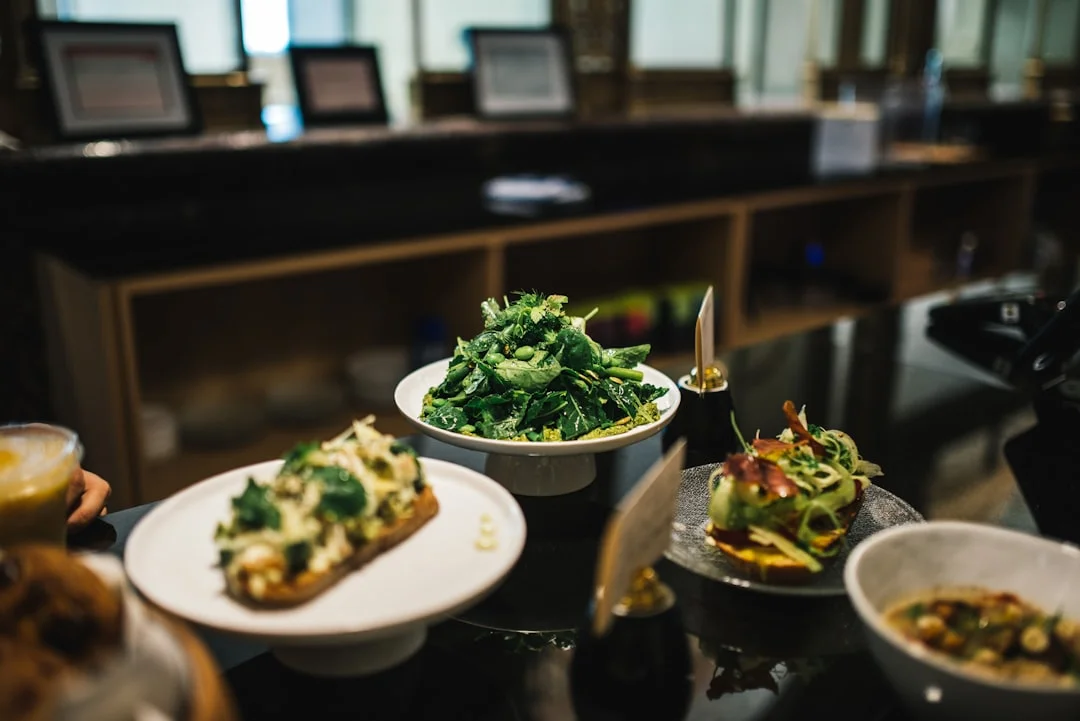
Photo by Jade Wulfraat on Unsplash
Montreal's restaurant scene is evolving again in 2026 as demand for plant-forward dining grows across neighborhoods, markets, and casual eateries. Vegapalooza, a summer showcase of plant-based foods, took place on June 20–21, 2026, in downtown Montreal and drew attendees from across the province. The event highlighted the scale of interest in vegan and plant-based cuisine and functioned as a live barometer for what a broader consumer shift toward sustainable meals could mean for menus, sourcing, and local entrepreneurship. The organizers described the gathering as a milestone in Montreal’s ongoing exploration of plant-based options, signaling that 2026 could be a pivotal year for plant-forward concepts in this city. This development is central to understanding the Montreal plant-based dining trend 2026 as it unfolds in markets, kitchens, and consumer routines. (vegapalooza.com)
Industry observers say the Montreal plant-based dining trend 2026 is not simply about launching new concepts; it reflects a deeper change in how residents choose meals, balance nutrition, and think about sustainability. Tourisme Montréal’s current coverage of vegetarian and vegan options notes a robust, citywide ecosystem that includes long-standing concepts and new entrants alike, with venues that prioritize local, sustainable ingredients and flavor-forward approaches. The evolution is visible not only in specialty vegan restaurants but also in menus at mainstream eateries, markets, and festivals across the city. As Montrealers increasingly seek flexible options, the market is adapting with hybrid concepts that blend plant-based dishes with familiar favorites, a trend that many analysts anticipate will continue to shape the dining landscape through 2026 and beyond. (mtl.org)
At the same time, the year has featured noteworthy market dynamics that affect how quickly plant-based dining can scale. In April 2026, local outlets reported on changes in the plant-based restaurant scene, including announcements from vegan staples about closures or strategic pivots. For example, a well-known vegan venue in Quartier Latin announced a closure timeline that would impact staffing, supply chains, and local customer footfall, highlighting how inflation, operating costs, and market demand intersect in real time. Other outlets that have anchored the plant-based scene—such as new vegan concepts or venues expanding to greater geographic coverage—continue to be covered by local media and tourism organizations, underscoring that the Montreal plant-based dining trend 2026 is being played out across both established and emerging destinations. (tvanouvelles.ca)
Beyond dedicated vegan restaurants, Montreal’s public markets and city programs are incorporating plant-based options, reinforcing the trend at the everyday dining level. For example, public markets are featuring vegan offerings from multiple vendors, and events designed to showcase plant-based options are part of a broader strategy to diversify food choices for residents and visitors alike. Observers point to the growing appetite for plant-based dining during the workweek and on weekends, driven by a mix of health considerations, environmental concerns, and the appeal of flavorful, accessible dishes. Market-driven evidence, including market-related announcements and vendor activations, highlights a city-wide momentum that supports the Montreal plant-based dining trend 2026 as a durable shift rather than a passing fad. (marchespublics-mtl.com)
Section 1: What Happened
Vegapalooza Highlights
A showcase of plant-forward offerings in the heart of Montreal

Vegapalooza’s June 20–21, 2026 edition brought together chefs, vendors, and consumers to celebrate plant-based culinary innovation. Event organizers described the edition as a convergence point for Montreal’s plant-based community, with demonstrations, tastings, and panel discussions that explored how plant-based dining is integrating with local gastronomy, sustainable sourcing, and urban food culture. Attendees included home cooks, restaurant operators, and industry observers who used the event to gauge appetite for plant-forward menus and to identify emerging trends in vegan and flexitarian dining. Although Vegapalooza is one event, its scale and turnout underscored a broader market signal: Montreal is actively experimenting with plant-based concepts in ways that mirror global shifts toward plant-forward eating. (vegapalooza.com)
Reflections from vendors and organizers
Early post-event commentary emphasized the value of in-person experiences for evaluating consumer willingness to pay for innovative plant-based dishes, as well as the importance of collaborations between farms, processors, and restaurateurs. Vendors noted renewed interest in locally sourced ingredients and in culinary experiences that emphasize flavor and texture, not just dietary labeling. Organizers highlighted the potential for annual or seasonal events to serve as real-time market intelligence for menu design, supplier relationships, and consumer education. While these reflections are qualitative, they align with broader market analyses that show plant-forward dining gaining traction in urban Canadian markets and beyond. (vegapalooza.com)
Announcements from Restaurants
Closures and pivots shaping the landscape
April 2026 brought notable headlines about shifts within Montreal’s plant-based dining ecosystem. Media coverage indicated that a flagship vegan venue in the Quartier Latin would close later in the summer, signaling the fragility of some plant-based concepts in a competitive and inflationary environment. This development prompted discussions among operators about pricing strategies, supply-chain resilience, and the need for diversified revenue streams, including delivery, retail, and collaborations with public markets. The closure timetable varied across outlets in initial reports, illustrating how local conditions and landlord agreements can influence plant-based business models even when demand remains strong. (tvanouvelles.ca)
Ongoing expansions and new entrants
Despite closures, the city’s plant-based dining scene continues to attract new entrants and to experiment with innovative formats. Tourism and cultural organizations have highlighted a range of vegan-friendly options across districts, from casual cafés to fine-dining concepts that emphasize botanical ingredients and sustainable sourcing. While not every new concept will endure, the net effect is a more visible and diverse plant-based dining ecosystem that offers diners more ways to engage with plant-forward menus throughout the week. This dynamic is consistent with a broader trend toward flexitarian and plant-forward dining that has been observed in major North American markets. (mtl.org)
Market Developments Across Neighborhoods
Local concepts that anchor the scene

Montreal’s vegan and vegetarian restaurant scene remains anchored by long-standing concepts that have helped define the city’s plant-based identity. The city’s tourism channel catalogs a range of vegan and vegetarian options and highlights neighborhoods where plant-based dining has become a regular feature rather than a novelty. These references illustrate how plant-based dining has moved from a niche to a normalized element of the city’s culinary map, supported by a steady stream of new concept introductions and menu expansions. (mtl.org)
Public markets and plant-based access
Public markets in Montreal continue to be important access points for plant-based foods, from prepared vegan dishes to market-fresh produce that can be used to craft plant-forward meals at home or in small eateries. Announcements from Marchés publics de Montréal show continued vendor activity and a willingness to broaden vegan and vegetarian options in response to consumer demand. This suggests a dual trend: consumer interest in plant-based dining is growing, and the city is responding by widening access points for plant-forward foods beyond dedicated vegan restaurants. (marchespublics-mtl.com)
Why It Matters
Economic Implications for Restaurants and Suppliers
Cost structures and profit opportunities
Industry observers note that plant-based dining is increasingly part of mainstream restaurant strategies, not merely a specialty niche. Several market analyses point to plant-forward menus as a way to diversify protein sources, reduce waste, and leverage locally sourced ingredients—factors that can influence costs and pricing strategies. A city-focused energy around plant-based dining can support supplier volumes for local producers and batch-cook efficiencies for restaurants experimenting with cross-category menus. In practical terms, this means restaurants may explore flexitarian models that blend plant-based proteins with traditional dishes, potentially broadening appeal to a wider audience and driving incremental sales without necessarily requiring a complete menu overhaul. (mtl.org)
Market signals from events and festivals
Events like Vegapalooza provide real-world indicators of consumer readiness to engage with plant-based concepts in social and culinary settings. For restaurant operators, such events offer opportunities to test new dishes, gather feedback, and calibrate sourcing needs with local producers. The scalability of these events into year-round initiatives could influence how restaurants plan their menus, supplier contracts, and marketing calendars. Observers view these activities as evidence that plant-based dining is moving from trend to component of regular menu design in Montreal, with potential long-term implications for labor, space utilization, and operational planning. (vegapalooza.com)
Local sourcing and producer ecosystems
The Montreal plant-based dining trend 2026 is closely tied to local sourcing, including farm-to-table concepts and partnerships with Quebec producers. The city’s tourism and culinary organizations highlight the availability of local ingredients and the emphasis on sustainable, flavorful plant-based cooking as a differentiator in a competitive market. This alignment with local supply chains may enhance resilience and drive demand for regional products, with ripple effects in pricing and vendor relationships. (mtl.org)
Consumer Behavior and Demographics
Flexitarian shifts and health considerations
A key driver of the Montreal plant-based dining trend 2026 is the growing consumer preference for flexible, plant-forward options that accommodate a range of dietary choices. Market-oriented content from city tourism bodies indicates that vegetarian and vegan offerings are no longer fringe choices but integral parts of many dining concepts. This shift is reinforced by research indicating that plant-based flexitarian diets can be cost-competitive or even less expensive on average than standard diets, a factor that can influence consumer adoption and repeat visits. While the data point cited is broadly applicable, it reinforces the practical appeal of plant-based dining for budget-conscious diners as well as for those seeking sustainability benefits. (meet.mtl.org)
Dining experiences and expectations
The plant-based dining trend in Montreal is increasingly about experience as much as nutrition. Diners seek flavor-forward, visually appealing dishes that deliver on texture and satisfaction, not merely meatless substitutes. This expectation is evident in the breadth of Montreal’s vegan and plant-forward options, from casual bite-sized offerings to refined botanical cuisine experiences. The city’s ongoing emphasis on craft and local ingredients supports this expectation and helps explain why plant-based concepts remain attractive even as individual restaurants face market pressures. (mtl.org)
Supply Chain and Local Producers
Regional partnerships and plant-forward menus
A meaningful portion of Montreal’s plant-based dining momentum rests on the ability of restaurants to partner with local producers and to design menus that maximize seasonal produce and regionally sourced plant proteins. Local sourcing not only supports sustainability goals but can also reduce lead times and improve menu flexibility, which matters in a market characterized by rapid menu experimentation and seasonal shifts. The city’s official tourism channels emphasize these dynamics as a core attribute of the Montreal plant-based dining trend 2026. (mtl.org)
Market access through public channels
Public markets and community spaces remain crucial access points for plant-based foods, including ready-to-eat vegan options and ingredients that empower home cooks and small-scale operators to participate in the plant-forward economy. The continued visibility of vegan offerings in markets signals that plant-based dining is not confined to dedicated restaurants but is increasingly embedded in everyday shopping and dining routines. (marchespublics-mtl.com)
What’s Next
Upcoming Milestones to Watch
Annual and seasonal events as market barometers
Looking ahead, organizers and city partners are likely to continue promoting plant-forward events and pop-ups that test new concepts and broaden consumer exposure. Vegapalooza’s 2026 edition demonstrated the viability of large-scale, city-backed plant-based events as both festival experiences and market intelligence exercises for chefs, restaurateurs, and suppliers. While exact dates for future editions have not been publicly confirmed in this round of reporting, organizers often share updates on official channels, and industry watchers will want to track announcements for 2027 and beyond as further indicators of momentum in the Montreal plant-based dining trend 2026 and its continuation. (vegapalooza.com)
Policy and market environment signals
In a broader sense, city programs that promote plant-based dining and support for vegan and vegetarian options can influence the pace and inclusivity of the market. Initiatives that highlight sustainable sourcing, cost-saving benefits of plant-forward menus, and educational content for both consumers and operators may accelerate adoption and help restaurants manage the transition more smoothly. Keeping an eye on municipal and tourism-related publications can provide early insight into forthcoming adjustments designed to support plant-based dining growth in Montreal. (meet.mtl.org)
What to Watch for in the Next 12 Months
Openings, closures, and concept evolution
The year has already seen notable restaurant-level decisions that illustrate a market in flux. Reports of closures at one of Montreal’s vegan staples underscore the need for resilience strategies in the plant-based sector, including diversified revenue streams and adaptable sourcing arrangements. Meanwhile, the broader ecosystem continues to welcome new entrants and menu expansions that underscore the vitality of plant-forward dining. Stakeholders should monitor operator statements, landlord negotiations, and supplier contracts, all of which can materially affect the speed and shape of Montreal’s plant-based dining trend 2026 in the near term. (tvanouvelles.ca)
Market signals from consumer data and events
Consumer engagement with plant-based dining is likely to be shaped by experiences, price considerations, and the availability of convenient, flavorful options. As more venues experiment with plant-forward formats, diners will have opportunities to sample a wider range of dishes—from plant-based takes on traditional staples to sophisticated botanical tasting menus. The ongoing conversation around cost, sustainability, and flavor quality will drive menu design choices and promotional strategies in ways that can become self-reinforcing as more diners become accustomed to plant-forward options. (meet.mtl.org)
Closing
Montreal’s plant-based dining landscape in 2026 reflects a city that is embracing plant-forward concepts as a core feature of its culinary identity rather than a temporary trend. From large-scale events like Vegapalooza to the everyday experiences of markets, neighborhoods, and restaurant menus, the Montreal plant-based dining trend 2026 is shaping how people eat, how producers partner with chefs, and how urban food ecosystems evolve to meet a growing demand for flavor, sustainability, and flexibility. As the city continues to refine the balance between innovation and accessibility, readers can expect ongoing coverage of new concepts, market movements, and the broader implications for food systems in Montreal and beyond. For ongoing updates on the plant-based dining scene, Montreal Times will continue to report with data-driven context and balanced analysis. (vegapalooza.com)
In the weeks and months ahead, observers and participants will be watching how Montreal negotiates the tensions between novelty and sustainability, between high-end botanical cuisine and everyday plant-forward comfort foods, and between supply-chain realities and consumer expectations. The trend is not merely about adding more vegan dishes to a menu; it is about rethinking sourcing, kitchen operations, and community engagement to create a resilient, delicious, and inclusive plant-based dining environment for Montreal residents and visitors alike. As the city continues to explore these pathways, the Montreal plant-based dining trend 2026 will likely serve as a case study in how a cultural capital adapts to evolving food preferences while preserving its distinctive culinary voice. (mtl.org)