Montreal Port Contrecœur Expansion Clears Regulatory Hurdle

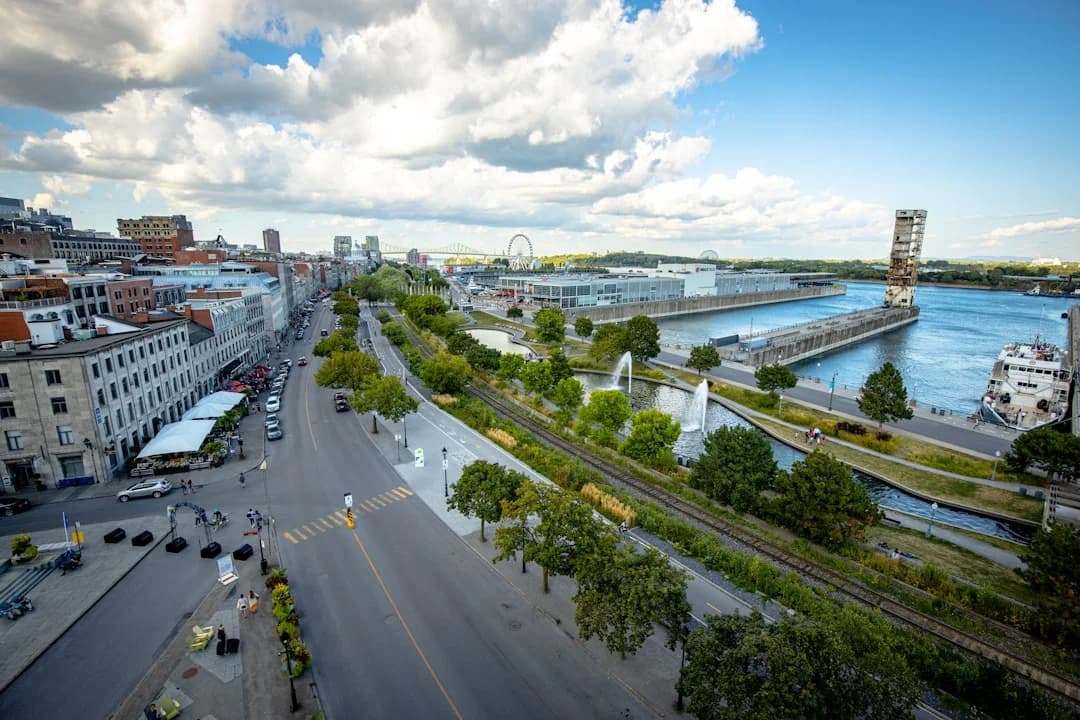
Photo by Sergio Sala on Unsplash
The Port of Montreal is moving closer to a landmark expansion that could reshape Eastern Canada's logistics landscape. In September 2025, DP World in Canada and the Montreal Port Authority (MPA) signed a Joint Development Agreement to design the land-based works for the Contrecœur container terminal as part of the broader Montreal Port Contrecœur expansion. The agreement formalizes DP World’s role in delivering the land-side components—container yard, buildings, utilities, and a rail connection—and positions the project for a multi-decade operation aimed at strengthening Canada’s trade resilience and diversification. The official signing occurred on September 4, 2025, and the partners outlined steps to finalize land-side design and the terms of long-term construction and operating contracts in the months ahead. This milestone is one of several markers signaling the project’s progression from planning to execution and represents a critical inflection point for a port system that serves as Eastern Canada’s largest container hub. (port-montreal.com)
The broader Contrecœur expansion rests on a hybrid delivery model. In-water works—such as dock construction and dredging—continue to be overseen by the Montreal Port Authority, with a joint design-build approach coordinated with Contrecoeur Terminal Constructors General Partnership (CTCGP), formed by Pomerleau and Aecon. Meanwhile, the land-based works and terminal operations are led by DP World Canada, which will construct and later operate the land-side components under a design-build-operate-maintain framework. This split model is designed to streamline complex civil works while ensuring accountability and clear timelines for each phase of the project. The public-facing plan emphasizes collaboration among public authorities, private partners, and Indigenous communities to ensure environmental protections and community considerations are integrated into the schedule. (port-montreal.com)
A central feature of the Montreal Port Contrecœur expansion is its capacity target. The project is planned to deliver up to 1.15 million twenty-foot equivalent units (TEUs) of annual container capacity by 2030. In addition to the two berths and expansive container-handling area, the terminal will include an intermodal rail yard connected to Canada’s main networks and a truck gate to integrate with the regional highway system. The in-water and land-based works together are designed to support robust trade growth for Quebec and Eastern Canada. The 2030 commissioning target aligns with the Governments of Canada and Quebec’s long-term infrastructure plans and with DP World’s global strategy of expanding capacity through technologically advanced, time-bound port projects. (port-montreal.com)
The timeline for progress is explicit in recent official communications. Site preparation could begin as early as 2025, with the in-water works slated to begin in 2026. The full land-based works are scheduled to commence in 2027, followed by commissioning of the new Contrecœur container terminal around 2030. The Montreal Port Authority notes that the implementation schedule remains contingent on regulatory approvals, environmental assessments, and the completion of the land- and water-side design phases. The overarching message from officials is that the Contrecœur expansion is positioned to enhance Canada’s trade diversification and resilience by expanding capacity and improving intermodal connectivity. (port-montreal.com)
Funding and political backing have been central to the project’s momentum. The Contrecœur expansion has received substantial public support, including significant government funding to advance critical components. Reports indicate planned and already allocated contributions from both federal and provincial governments to underpin design and construction activities, with a notable emphasis on the water-side works and land-side infrastructure. As part of the broader policy context, the project is expected to deliver a substantial uplift in capacity and a more diversified logistics spine for Quebec and Eastern Canada, aligning with longer-term industrial and trade objectives. (port-montreal.com)
In January 2026, regulatory milestones continued to unfold. Fisheries and Oceans Canada granted authorization to proceed with underwater works as part of the Contrecœur expansion, marking a major step forward after environmental reviews and consultations. The approval confirms that in-water construction can advance under the project’s environmental conditions, with commissioning targeted for 2030. Officials emphasized ongoing mitigation measures and monitoring in the copper redhorse habitat area to balance growth with habitat protection. The approval is widely viewed as a significant regulatory green light that accelerates the project’s path to full build-out. Still, environmental groups have signaled potential challenges, including legal avenues to scrutinize the project’s impact on local aquatic ecosystems. (montreal.citynews.ca)
Section 1: What Happened
Key Milestones
- DP World in Canada and the Montreal Port Authority sign the Joint Development Agreement to design land-based works for the Contrecœur terminal. The formal signing occurred on September 4, 2025, with an emphasis on finalizing the land-side design and the terms of the long-term operating contract. This milestone marks the transition from preliminary design to the explicit land-side implementation plan for the Contrecœur expansion. DP World and MPA described this collaboration as a cornerstone for delivering a modern, efficient terminal capable of meeting future trade needs. (port-montreal.com)
- The in-water works design phase advances under CTCGP, a consortium of Pomerleau and Aecon, as part of the project’s progressive design-build approach. In February 2024, the MPA announced its agreement with CTCGP to assist in designing the in-water components, a structural element that remains essential to achieving the expansion’s overall capacity and operational efficacy. The collaborative delivery model remains in place as a risk-managed path to cost certainty and schedule predictability for the water-side package. (port-montreal.com)
- The Contrecœur expansion is designed to deliver up to 1.15 million TEUs annually by 2030, supported by two berths, an integrated intermodal rail yard, a truck gate, and supporting infrastructure. The project’s reference documentation repeatedly cites the 1.15-million-TEU target as the long-run horizon for the new terminal, reinforcing its role as a major capacity expansion for Eastern Canada. (port-montreal.com)
- The 2025–2026 timeline includes site preparation, the start of in-water works in 2026, the finalization of the terminal design, and the start of land-based works in 2027, culminating in commissioning by 2030. The schedule emphasizes the sequence: water-side construction first, followed by land-side development and operation initiation. The schedule reflects a well-structured, phased approach to a project of this scale. (port-montreal.com)
- Funding and political support underpin predicted growth. The in-water and land-based components are tied to significant public investments from Canada and Quebec, reinforcing the project’s strategic importance for national and regional trade. This financial framework is designed to accelerate readiness for the Contrecœur terminal, which is expected to help diversify Canada’s import/export markets and strengthen supply chain resilience. (port-montreal.com)
Contracting and Partnerships
- The land-based works contract is being advanced through a Joint Development Agreement between the MPA and DP World in Canada. This agreement establishes DP World as the operator and lead designer for the land-side terminals, including the container yard, utilities, and rail connection. The arrangement is designed to bring DP World’s global operating experience to bear on a major Canadian port expansion, with a 40-year operating and maintenance horizon referenced in related communications. The official documentation outlines the steps to finalize the land-side design and to establish the operating framework that will govern terminal performance. (port-montreal.com)
- In-water works, including dock construction and dredging, are managed by the MPA in collaboration with CTCGP. This design-build approach aims to deliver water-side infrastructure with clear cost and schedule visibility, leveraging the strengths of Pomerleau and Aecon in civil infrastructure. The February 2024 press release highlights the hybrid approach, which separates in-water works from land-based works to optimize delivery without sacrificing coordination across packages. (port-montreal.com)
- The project’s financial and logistical milestones include a notable in-water works package awarded to CTCGP, with public documentation detailing cost and schedule considerations to be refined during design phases. The collaboration emphasizes a rigorous, transparent process designed to minimize risk and maximize predictability for a project of scale. (port-montreal.com)
Financing and Approvals
- The Contrecœur expansion is anchored in a multilateral funding framework that includes contributions from both the federal and provincial levels of government. Canada and Quebec support is positioned to underpin the expansion’s water-front and land-side components, aligning with the broader national push to modernize key trade corridors. This funding is highlighted in official risk and governance papers as a critical enabler for the project’s implementation and long-term viability. (port-montreal.com)
- Environmental and regulatory processes have shaped the project’s timeline. The favorable environmental decision in 2021 and subsequent authorization milestones reflect a long-running, multi-jurisdictional review process designed to ensure habitat protection while enabling infrastructure growth. The project’s readiness continues to hinge on IAAC processes, Indigenous consultations, and ongoing mitigation planning. For instance, Fisheries and Oceans Canada authorized underwater works in January 2026, signaling a major regulatory clearance that clears the path for in-water construction to begin as scheduled. (montreal.citynews.ca)
Section 2: Why It Matters
Economic Impact
- The Montreal Port Contrecœur expansion is framed as a transformative upgrade to Eastern Canada’s logistics capacity. The project is expected to significantly bolster the Port of Montreal’s role as a diversified transshipment hub by expanding container-handling capacity and improving intermodal connectivity. The land-side works, led by DP World, are designed to introduce a modern terminal that supports broader trade patterns and provides a more resilient cross-border supply chain. DP World’s public statements emphasize the project’s potential to create thousands of jobs during construction and to deliver long-term value through expanded trade capacity. The combination of land-side and water-side enhancements is intended to strengthen the supply chain for Quebec and Canada, reducing exposure to single-source vulnerabilities and-enhancing the nation’s economic sovereignty. (port-montreal.com)
- The project’s scale is substantial. The Contrecœur expansion aims to deliver 1.15 million TEUs per year by 2030, which would represent a sizable increase in capacity relative to the current Montreal container operations. Management communications have described this figure as a milestone that will position the Port of Montreal to handle a broader mix of cargo, improve service levels for exporters and importers, and offer more reliable scheduling in an increasingly dynamic global trade environment. The projection aligns with a broader strategy to strengthen Canada’s transportation corridors and to support regional economic activity. (port-montreal.com)
Trade Diversification and Resilience
- A central rationale for the Contrecœur expansion is diversification of Canada’s international trade routes. By building a modern container terminal near Montreal with a robust intermodal rail yard, the project is designed to offer a complementary hub to existing East Coast facilities and to increase the efficiency of cross-country and cross-border movements. The JDA with DP World signals a strategic partnership designed to leverage DP World’s global portfolio and technology expertise to optimize operations, capacity, and reliability. In a context of global supply chain volatility, the Contrecœur development is framed as a vital resilience measure for Quebec and Eastern Canada. (port-montreal.com)
- There is recognition that the project’s environmental review and habitat protections play a role in shaping the pace and scope of development. The copper redhorse habitat in the Verchères Islands and related mitigation measures are part of the ongoing dialogue around the expansion. While environmental safeguards add complexity, proponents emphasize that a carefully managed project can deliver economic benefits while preserving ecosystem health. The public discourse includes a mix of optimism about capacity gains and concerns about environmental impacts, underscoring the importance of transparent monitoring and community engagement. (montreal.citynews.ca)
Local and Global Context
- The Contrecœur expansion reflects a broader trend in global port infrastructure where municipalities partner with global operators to unlock capacity, improve efficiency, and reduce logistics frictions. DP World’s involvement in the Port of Montreal’s Contrecœur project aligns with the operator’s strategy of expanding capacity and extending its footprint in North America. The project adds a new land-side terminal to join DP World’s Canadian portfolio, including operations in other Canadian ports such as Fraser Surrey, Nanaimo, Prince Rupert, Saint John, and Vancouver, positioning Montreal as a more integrated node in a continental network. The collaboration also signifies Canada’s willingness to leverage private sector expertise to accelerate infrastructure delivery. (port-montreal.com)
Stakeholder Impacts
- For shippers and freight forwarders, the Contrecœur expansion promises improved service levels, more reliable transit times, and expanded capacity to meet growing demand. The intermodal rail yard and truck gate enhancements are designed to improve cargo movements from port to rail and road networks, reducing dwell times and improving throughput for North American supply chains. The timeline suggests that some of these benefits may begin to emerge as early as the mid-to-late 2020s, with full commissioning by 2030. Stakeholders in Quebec and Eastern Canada anticipate a substantial impact on economic competitiveness as the port becomes more capable of handling larger vessels and higher volumes. (port-montreal.com)
Section 3: What’s Next
Near-Term Steps
- 2025: Site preparation activities are planned to begin as soon as regulatory approvals are secured. The MPA outlined a staged approach that includes public information sessions to inform local communities about site work, mitigation measures, and environmental safeguards. The timeline indicates a tight alignment with regulatory milestones to minimize disruption while advancing construction readiness. (port-montreal.com)
- 2026: In-water works are expected to commence, with finalization of terminal design and construction/operating agreements progressing in parallel. The DP World JDA establishes the framework for the land-side design and the long-term contract arrangements, and the in-water package continues under the MPA-CTCGP partnership. The authorizations and project governance are designed to keep the schedule on track for 2030 commissioning. (port-montreal.com)
- 2027: Start of land-based works is anticipated, marking the transition from water-side construction to the submarine and structural works planned on land. The integrated schedule is designed to deliver the complete terminal on a multi-year horizon, with commissioning targeted for 2030. DP World’s leadership on the land side is expected to bring advanced terminal design, terminal operations expertise, and modern yard configuration to Canada’s logistics ecosystem. (port-montreal.com)
What to Watch For
- Environmental compliance and habitat protection will remain central to the project’s trajectory. Monitoring programs, compensation plans, and ongoing consultation with Indigenous communities are expected to be integral components of the project’s lifecycle. Ongoing environmental oversight and potential legal actions from advocacy groups could influence timelines, even as authorities emphasize progress toward 2030 commissioning. (montreal.citynews.ca)
- Regulatory approvals and procurement decisions will continue to shape the schedule. The project’s success hinges on timely authorization by federal and provincial authorities, as well as the effective execution of design-build arrangements for water-side works and the land-side contract that DP World will oversee. Stakeholders in business and public policy circles will be watching for updates on the land-based design, the terms of the operation and maintenance arrangement, and any adjustments to the 2030 commissioning target. (port-montreal.com)
What the Contrecœur expansion could mean for readers of Montréal Times
- Readers should expect ongoing coverage that translates the project’s technical milestones into tangible impacts on local employment, regional trade, and the broader Canadian supply chain. The expansion’s emphasis on intermodal efficiency—coupled with DP World’s track record in container terminal operations—suggests potential improvements in cargo movement reliability and overall port performance as the Contrecœur terminal comes online. This coverage will continue to track milestones such as the start of in-water works in 2026, land-based works in 2027, and the 2030 commissioning date, while keeping a close eye on environmental safeguards and community engagement. (port-montreal.com)
Quote-worthy perspectives from leaders
- Julie Gascon, President and CEO of the Montreal Port Authority, has framed the Contrecœur expansion as a strategic move to diversify Canada’s trade and strengthen supply chains. In communications surrounding the JDA with DP World, Gascon emphasizes the project’s role in enhancing resilience and offering a modern, efficient port solution that aligns with national economic objectives. The DP World leadership in Canada reiterates similar sentiments about innovation, sustainability, and the project’s potential to serve as a catalyst for regional growth and long-term prosperity. These statements reflect a shared understanding of the expansion’s strategic value and its alignment with broader trade priorities. (port-montreal.com)
A quick look at the project’s growth trajectory
- The Contrecœur expansion’s capacity target—1.15 million TEUs by 2030—positions the Montreal Port as a key gateway in Eastern Canada’s trade network, with two berths and a comprehensive intermodal system designed to streamline cargo flows between ships, trains, and trucks. The water-side works and land-side development are designed to be complementary, with each package managed by distinct teams under shared governance to ensure coherence, transparency, and risk management. The collaboration with CTCGP for water works and with DP World for land works underscores a dual-track approach intended to deliver on schedule, while the project’s funding structure reflects strong public support. (port-montreal.com)
Background context: Why Contrecœur matters for Quebec and Canada
- The Contrecœur site’s proximity to major rail corridors and highway networks has been a consistent theme in official planning documents. By situating a modern terminal on the south shore of the St. Lawrence River, the Port of Montreal’s expansion aims to relieve some capacity pressures at existing facilities while improving cross-border and international connectivity. The efforts have enjoyed federal and provincial backing, and the project has been framed as a strategic asset for economic sovereignty and regional job creation. The expansions’ role in increasing capacity by roughly 60% relative to existing container movements at the Port of Montreal is a recurring element in official materials and press releases. (port-montreal.com)
Conclusion
- The Montreal Port Contrecœur expansion stands at a pivotal junction. With the Joint Development Agreement between the Montreal Port Authority and DP World in Canada now in place for land-based works, and with in-water works advancing under a CTCGP partnership, the project is moving from planning into construction activity with a clear 2030 commissioning target. The expansion’s capacity goal of 1.15 million TEUs per year, supported by two berths and a full intermodal connection, signals a substantial upgrade to Quebec’s and Eastern Canada’s logistics capabilities. While regulatory and environmental considerations—such as habitat protections for the copper redhorse—continue to shape the project’s timeline, policymakers and industry observers alike view this as a transformative step for Canada’s trade infrastructure, designed to improve resilience, diversify markets, and strengthen regional economic growth. The next phases—site preparation in the near term, in-water works beginning in 2026, land-based works starting in 2027, and commissioning by 2030—will be watched closely by businesses, policymakers, and communities across the region. Readers can stay updated through official Port of Montreal communications and major industry outlets as the Contrecœur expansion unfolds. (port-montreal.com)