Montreal REM Expansion Reshapes Regional Transit

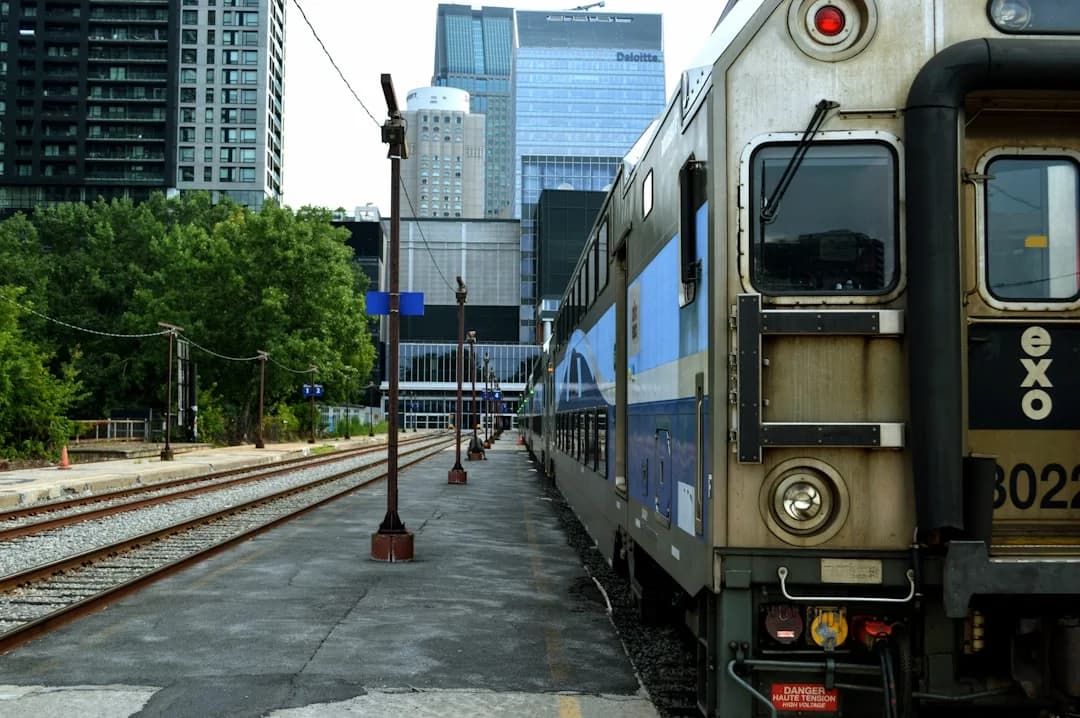
Photo by Robert Macleod on Unsplash
Montreal's public transit landscape is undergoing a watershed moment as the Montreal REM expansion proceeds toward full regional integration. The Réseau express métropolitain, or REM, reached a major milestone in November 2025 with the opening of the northern Deux-Montagnes branch, marking the latest step in a project that, by design, links downtown Montréal with fast-growing outer suburbs and key regional destinations. This Montreal REM expansion is not just a track-laying exercise; it represents a fundamental rethinking of how residents travel across the metropolitan region, with implications for commute times, housing markets around stations, and the rhythm of daily life for tens of thousands of riders. The project’s scale—14 new REM stations and a 33-kilometer extension added to the network, bringing total system length to 50 kilometers—highlights the ambition of Canada’s largest public transit project in decades and sets the stage for subsequent extensions to the West Island and Montréal-Trudeau International Airport. (alstom.com)
The immediate rollout changed more than just rail maps. In parallel with the Deux-Montagnes opening, transit authorities signaled a reallocation of bus resources and a redesign of intermodal connections across Centre-Nord and the West Island to ensure seamless transfers between REM stations and local bus routes. Officials pointed to spring 2026 as a critical inflection point when the new Anse-à-l’Orme branch on the West Island would begin service, while a later phase would connect riders to Montréal-Trudeau International Airport by 2027. The combination of rail expansion and bus-network reshaping reflects a broader strategy to reduce car dependence and improve accessibility for workers, students, and visitors across the region. (artm.quebec)
Opening paragraphs (montréal times)
What happened, in a word, is momentum. The Deux-Montagnes branch of the REM—part of a larger project designed to knit Greater Montréal closer together—began revenue service in mid-November 2025, following a formal inauguration the week of November 14–17. The event drew national attention, including remarks from federal and provincial leaders who framed the moment as a milestone for climate-conscious urban mobility and for regional economic resilience. The opening marks the completion of a substantial phase of the REM, with the new northern extension inserting 14 stations into the network and extending the automated rail system further onto the North Shore. The project’s official communications described this as a turning point for mobility in the Montréal region, and riders began experiencing the benefits of direct downtown access to communities that previously relied more heavily on buses or private vehicles. As part of the opening period, authorities offered free access to the REM network to celebrate the milestone and to encourage riders to test the new services. (rem.info)
In total, the REM expansion adds 33 kilometers of track to the system and brings the overall length to 50 kilometers. This growth translates into new travel patterns for people who live along the corridor from Deux-Montagnes down to Gare Centrale, with implications for employment access and regional tourism. The expansion also includes 14 new stations, expanding the network’s reach and facilitating interchanges with STM bus and metro services. The scale of this extension is a signal that the REM, once a focused North-South connector, is now a regional spine intended to channel activity from the North Shore toward downtown Montréal and outward to surrounding communities. (alstom.com)
Looking ahead, the REM’s expansion plan remains a work in progress, with two principal follow-on lines scheduled to come online in the near term. The Anse-à-l’Orme branch on the West Island is slated for spring 2026, providing a crucial link to Hillcrest-area communities and improving access to major corridors that feed the central network. A separate airport branch, extending toward Montréal-Trudeau International Airport, is planned for 2027, a timeline that aligns with the broader aim of enabling faster, more reliable access to Canada’s busiest international gateway. These forthcoming segments are bound to reshape local development patterns around West Island station areas and along the airport corridor, with both public and private sectors watching closely for land-use changes and investment signals. (ckom.com)
What Happened
Expansion milestones and early operations
Inauguration and initial service
The Deux-Montagnes segment’s opening was framed as a historic milestone for Montréal’s transit system. The official inauguration took place in November 2025, with REM trains beginning regular operations across the new northern branch within days of the ceremony. In the weeks that followed, REM officials and partners announced the layout of the schedule, the integration with nearby bus networks, and the plan to gradually extend service hours as testing and reliability data accumulated. Industry observers noted the significance of bringing a fully automated rail solution to a broader swath of the metropolitan area and highlighted the potential for improved regional cohesion as a result. The inauguration program and media coverage emphasized a period of free access to the network to help riders acclimate to the extended service area. (rem.info)
Network scope, scale, and technical specifics
The Deux-Montagnes extension added 33 kilometers of track to the REM, increasing the system's total length to 50 kilometers and adding 14 new stations along the corridor. The expansion represents a major upgrade to the network's high-frequency, automated-rail operations and reinforces the REM's role as a regional backbone for travel between the North Shore and the downtown core. The scale of the project—together with the now-extended length and new stations—is consistent with official statements that describe the REM as Canada’s largest public transit undertaking in five decades. The extended network also involves rolling stock supplied by Alstom, signaling systems updates, and fully autonomous operation, which CDPQ Infra emphasizes as central to achieving higher reliability and frequency. (alstom.com)
Integration with surrounding bus networks and service redesign
As the northern extension opened, transit authorities signaled a comprehensive bus-network redesign across Centre-Nord and the West Island to improve feeder service to REM stations and to create more consistent transfer options for riders. Officials described the redesign as a necessary step to ensure the REM’s gains in rail speed and reliability translate into tangible improvements for riders who depend on local buses to reach REM stops. ARTM indicated that bus-route restructurings would be deployed as early as spring 2026, with the goal of reducing transfer times and synchronizing schedules with REM timetables. This approach is intended to improve overall network resilience and provide more straightforward travel options for a broader set of communities. (artm.quebec)
What’s next in the REM expansion
West Island extension to Anse-à-l’Orme

The West Island portion of the REM expansion — often described as the Anse-à-l’Orme branch — is scheduled to enter passenger service in spring 2026. The route is designed to connect West Island communities with the REM mainline and Downtown Montréal and is expected to drive changes in local land use, housing markets near stations, and commercial development around new transit hubs. Municipal and chamber-of-commerce leaders in the West Island have hosted briefings and forums with CDPQ Infra, STM, and ARTM to prepare for this integration, emphasizing the importance of a well-coordinated network rollout and effective bus-rail interchange planning. While construction progress has been substantial, officials caution that a portion of the schedule may hinge on continued testing and system integration. (ckom.com)
Montréal-Trudeau Airport branch and long-term reach
Beyond the West Island, the REM’s airport extension (A2) is planned to come online in 2027. The airport connection is a centerpiece of the REM’s long-range strategy to connect Montréal’s central rail network with major transportation nodes, supporting both international travel and regional commuting patterns. The official communications position this as a critical step in unlocking more convenient access to the airport for residents and visitors, reducing the need for car travel and improving intermodal connectivity with airline terminals and hotel districts. The 2027 airport milestone is widely cited in government and industry statements as a core component of the network’s anticipated milestones. (pm.gc.ca)
Rolling stock, signaling, and operational readiness
The REM’s expansion rests on a suite of technical and operational enhancements, including automated trains, advanced signaling, and a robust maintenance framework designed to support high-frequency service. Alstom, as the rolling stock supplier and integrator, has underscored the importance of this phase for delivering consistent reliability and passenger safety. The company’s communications emphasize that the extended network will benefit from the same automation and control standards that have characterized REM operations since inception, reinforcing expectations for stable headways and predictable travel times even as ridership grows. (alstom.com)
Why It Matters
Impact on commuters and regional mobility
Increased accessibility and travel-time reductions
The Montreal REM expansion directly improves access to centralized employment centers for residents in the North Shore and the West Island, reducing reliance on personal vehicles and potentially shortening peak-period commutes. The new, cross-region alignment between REM lines and STM networks provides riders with more seamless transfers and increased route options, which should translate into shorter average travel times for many commuters. This impact is consistent with descriptions from federal, provincial, and municipal officials who frame REM as a catalyst for more competitive, lower-emission urban mobility. (pm.gc.ca)
Economic implications for station-adjacent communities
Transit-access improvements often corral new investment around rail stations, with retail, housing, and mixed-use developments commonly following increased footfall and improved accessibility. In the case of the Deux-Montagnes extension, early observers forecast growth in nearby commercial corridors and enhanced property-market activity as the area becomes more attractive to both residents and businesses seeking shorter commutes to downtown Montréal. While speculative at early stages, these patterns align with research on rail-enabled urban growth and the REM’s stated objectives of fostering balanced regional development. (ca.news.yahoo.com)
Environmental and policy context
The Montreal REM expansion is framed within broader environmental and climate goals, including a push to move commuters from private cars to low-emission rail and bus services. The project’s official messaging consistently links higher rail use with lower greenhouse-gas emissions and reduced congestion. As the network expands to the West Island and the airport, authorities expect even greater modal shifts that could contribute to improved air quality and urban livability in the Montréal region. These environmental implications are highlighted in government statements and sector analyses tied to the REM’s strategic role in sustainable mobility. (pm.gc.ca)
Stakeholder perspectives and regional planning
Municipal and chamber perspectives on integration

Local officials and business associations in the West Island have emphasized the importance of ensuring that REM integration is matched by robust bus feeder services and careful planning of transfer hubs. The West Island Chamber of Commerce has hosted discussions with CDPQ Infra, STM, and ARTM to align expectations and coordinate cross-agency efforts, underscoring the critical role of governance and interjurisdictional cooperation in ensuring the REM’s success for residents and the business community. These conversations reflect a broader regional planning posture that sees REM as part of a connected, multimodal transport system rather than a standalone rail project. (ccoim.ca)
Public sentiment and user experience
Riders and observers have highlighted the potential for the REM expansion to improve daily life by enabling easier access to education, healthcare, services, and cultural amenities across Montréal’s urban core and suburban neighborhoods. At the same time, there is attention to transitional periods, including bus-route reorganizations and schedule realignments, which can cause temporary friction for some users as the system rebalances to a new post-expansion normal. Official communications have stressed ongoing monitoring and adjustment to optimize performance and rider experience. (rem.info)
What’s Next
Timeline, milestones, and what to watch
Short-term milestones and spring 2026 expectations
Spring 2026 is a focal point for REM expansion, with the Anse-à-l’Orme West Island branch expected to commence passenger service and an accompanying retooling of bus networks to accommodate the new rail connections. The West Island’s integration is being staged with high-priority bus-route changes to support transfers to REM stations, and agencies have publicly outlined testing and ramp-up periods designed to ensure reliability as the network scales. Observers are watching for any scheduling adjustments, system-readiness metrics, and rider-feedback cycles that could influence the pace of the rollout. (ckom.com)
Airport extension and long-range planning (2027)
The airport extension remains a marquee element of the REM expansion, targeted for 2027. This milestone is widely anticipated to complement the rest of the network by providing a direct rail link from central Montréal to Montréal-Trudeau Airport, a development that could reshape travel patterns for international visitors and regional travelers alike. Officials have stressed that the airport connection requires coordination with Aéroports de Montréal and additional infrastructure adjustments to ensure high-frequency service is synchronized with airline operations and airport-terminal access. (pm.gc.ca)
Ongoing monitoring, testing, and service optimization
As with any major transit project, the REM expansion undergoes ongoing testing, data collection, and adjustments to timetables and operations. The REM program’s site and partner communications emphasize transparency during testing windows, including planned service advisories, expected delays, and improvements identified from real-world operation data. Riders should expect occasional disruptions or temporary reroutes around station areas during construction and integration phases, with authorities promising prompt updates and a clear path toward full reliability as the system matures. (rem.info)
What riders and businesses should watch for
Service-design changes in Centre-Nord and West Island

The bus-network redesign referenced by ARTM and the West Island stakeholders will affect how riders move from street-level bus routes to REM stations. Expect new bus-stop locations, revised route numbers, and adjusted frequencies designed to align with REM schedules. Local transit agencies have stressed that the redesign is intended to reduce dwell times and improve predictable transfer times, but commuters should review the latest route maps and timetable links to minimize confusion during the transition. Authorities have indicated that these changes will be deployed progressively, with a clear public communications plan to guide riders. (artm.quebec)
Fare integration, transit passes, and rider information
As the REM network expands, fare integration across agencies—ARTM, STM, and future operators—remains a priority. The REM program notes ongoing coordination with ARTM to ensure that fare systems and ticketing are coherent across rail and bus services, which is essential for a frictionless user experience. Riders should monitor ARTM’s fare updates and REM announcements for any changes related to transfers, pricing, or digital-ticketing options. (artm.quebec)
Station-area development and civic engagement
With each new REM station, station-adjacent neighborhoods often experience changes in land use, housing dynamics, and commercial development. Municipalities have signaled a commitment to guiding this growth through planning processes that balance mobility with quality of life. In the West Island, local business associations and elected officials are actively discussing how to maximize the economic and social benefits of the REM while mitigating potential downsides such as increased traffic around station nodes during construction or early operation. This is a long-term, multi-year process that will require ongoing collaboration among transit authorities, municipal leaders, and community groups. (ccoim.ca)
Closing
The Montréal Times continues to monitor the REM expansion as a central narrative of the region’s technology-driven market and transportation evolution. The latest phase—Deux-Montagnes—illustrates both the scale of ambition and the practical challenges of integrating a large, automated rail system with existing bus networks and urban fabric. As the West Island’s Anse-à-l’Orme branch and the Montréal-Trudeau Airport extension approach completion, the REM expansion stands to redefine how residents move, where they live, and how businesses plan for the future. Readers are encouraged to stay tuned for official advisories, detailed station-by-station guides, and rider-focused updates as the network moves from expansion to everyday reliability.
Montreal’s transit agencies and partner institutions have repeatedly stressed that this is a long-term transformation. While the early weeks and months will carry the most attention, the true measure will be how smoothly the network operates once all segments are fully integrated and the city’s bus networks are rebalanced to match rail schedules. The REM’s expansion is more than infrastructure; it is a test case in modern urban mobility—one that will likely influence policy, investment, and development decisions for years to come. For readers seeking the latest information, official REM, ARTM, and STM channels will remain the primary sources for updates on timetables, station openings, and service changes tied to the Montreal REM expansion.