Montreal Santas grocery-store protest Highlights Inflation Risk

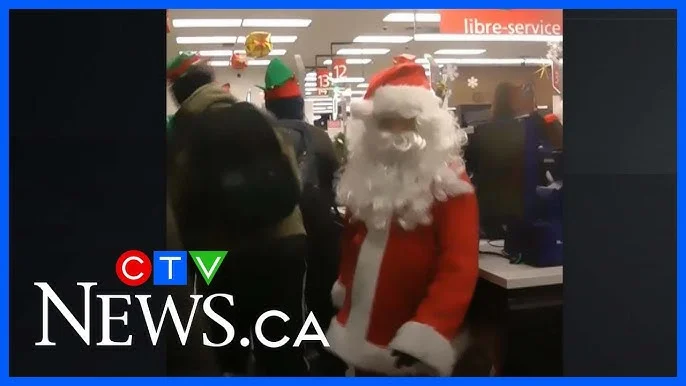
In Montreal, a recent event depicted as a Robin Hood-inspired protest drew immediate attention to the pressures consumers face as food prices rise. On the evening of December 15, 2025, a group dressed as Santa Claus and-or elves entered a Metro grocery store on Laurier Avenue East, near Chambord Street, in Montreal’s Plateau neighborhood and removed thousands of dollars of groceries without paying. Police said the theft involved items valued at about $3,000, with the broader incident described as part of a protest against inflation and corporate profits. The incident prompted a rapid police response and has since become a focal point for discussions about food security, retail economics, and the role of social media in mobilizing public demonstrations. Montreal police confirmed they were investigating the matter, with no arrests reported as of the latest updates. The groceries were reportedly distributed to community members and eventually staged for distribution at a nearby location as a symbolic gesture. (ca.finance.yahoo.com)
As coverage spread across national and international outlets, the episode underscored broader concerns about the cost of living, supply-chain disruptions, and the capacity of communities to respond to rising grocery bills. Activist groups described the action as a political statement aimed at highlighting how inflation can squeeze households and how a handful of large chains can influence prices. Critics, including the targeted retailer, characterized theft as illegal, emphasizing that lawful avenues remain the proper route for addressing economic grievances. The event prompted discussions about the ethical dimensions of protest, charitable distribution of stolen goods, and the effectiveness of symbolic acts in advancing policy debates. (theguardian.com)
Section 1: What Happened
Timeline of the Incident
- Date and location: The event occurred on Monday evening, December 15, 2025, at a Metro grocery store located on Laurier Avenue East near Chambord Street in Montreal. Police initially reported the incident as a theft under $5,000 under investigation, with no arrests at that time. (ca.finance.yahoo.com)
- Participants and method: The group, identified by media and activist networks as Robins des Ruelles (Robins of the Alleys), included three individuals dressed as Santa Claus and roughly 40 masked participants in elf costumes. They reportedly exited the store with groceries valued at about $3,000, and some of the loot was later placed under a Christmas tree in Place Valois as part of the protest’s symbolic display. (ca.news.yahoo.com)
- Immediate public and official response: Metro, the store operator, condemned the act as illegal and inappropriate, while police reviewed surveillance footage and social media videos to identify participants. Several outlets noted that no injuries occurred during the incident and that investigations continued in the days that followed. (ca.news.yahoo.com)
Key Facts and Context
- The organizers described the protest as a Robin Hood-inspired effort designed to dislike rising prices and perceived profiteering by large grocery chains. In statements attributed to Robins des Ruelles, the group argued that inflation is used to justify record profits, and they argued that essential goods have become unaffordable for many families. They planned to distribute much of the stolen food to the needy through food banks and community networks. (theguardian.com)
- The financial scope of the incident varied by reporting. Police and store statements cited a theft value of under $5,000; some outlets reported $3,000 as the official figure, while other outlets described the total as “thousands of dollars.” The discrepancy reflects typical differences between police tallies, store assessments, and activist disclosures in the aftermath of such events. (ca.finance.yahoo.com)
- The incident quickly became a talking point in discussions about inflation, food insecurity, and retail pricing dynamics. The Guardian and other outlets framed the protest within a broader national conversation about cost-of-living pressures facing households. While the event is unusual in its theatrical presentation, it echoes ongoing public debates about how prices at the checkout align with wages and social safety nets. (theguardian.com)
Who Was Involved and Why
- Group identity: The protest was organized by a group calling itself Robins des Ruelles, with ties to activist networks that have previously organized demonstrations and actions in support of economic justice and anti-austerity messaging. Coverage highlighted their attempt to reframe the act as a political statement about access to food and consumer costs. The group’s messaging emphasized a critique of corporate pricing practices rather than a call for violence. (theguardian.com)
- Official assessment: The SPVM (Montreal Police) described the incident as a theft investigation, with investigators examining surveillance footage and social media videos to identify participants. The absence of arrests at the early stage of the inquiry was reported across multiple outlets, reflecting ongoing investigations and the complexities of attributing wrongdoing in public-space demonstrations. (ca.finance.yahoo.com)
Section 2: Why It Matters
Economic and Social Context
- Inflation and cost of living: The Montreal Santas grocery-store protest emerges amid a climate of rising grocery prices and concerns about affordability. Media coverage framed the action as a direct response to inflationary pressures that affect household budgets, particularly for families relying on essential staples. Analysts noted that inflation can shape consumer behavior, shopping patterns, and the capacity of charitable organizations to respond to demand. (theguardian.com)
- Food security dynamics: The activists’ stated goal—to redistribute food to those in need—highlights the ongoing tension between charitable food assistance and market-based food access. While donations and food banks play crucial roles, observers cautioned that theft complicates supply chains and may impact the costs and availability of goods for all shoppers. The conversation around how communities mobilize resources during cost-of-living crises is a core theme in market and social policy discussions. (theguardian.com)
Retail Security and Market Implications
- Security responses and loss prevention: Retailers increasingly rely on a mix of surveillance systems, analytics, and staff training to deter theft and ensure safety. While public acts of protest can draw attention to social issues, they can also heighten concerns about theft as a symptom of broader economic stress. Metro’s public condemnation underscores a standard policy stance: theft, regardless of motive, is a criminal act, and stores continue to bolster security measures to protect goods and employees. (ca.news.yahoo.com)
- Pricing transparency and corporate behavior: The protest narrative centers on perceived profiteering and price-setting practices within the grocery sector. Analysts and observers cautioned that while individuals may be motivated by legitimate concerns about affordability, attributing systemic price increases to a single set of actors oversimplifies a complex supply chain dynamic that includes inflation, logistics costs, and competitive pressures. The broader discourse invites policymakers and industry stakeholders to evaluate how pricing frameworks, margins, and labor costs interact in a high-cost environment. (theguardian.com)
Public Perception and Media Framing
- Media coverage patterns: The incident attracted coverage from major outlets, with some emphasizing the symbolic nature of the act and others focusing on the criminal dimensions of theft. The divergence in framing—whether as a political protest or a criminal act—reflects broader media dynamics in reporting social movements and economic grievances. For readers, the variation in reporting underscores why it is essential to cross-check details across multiple sources to form a grounded understanding of events and implications. (theguardian.com)
Broader Context in Montreal and Québec
- Regional economic conditions: While this report concentrates on a single incident, analysts note that regional cost-of-living pressures have been intensifying in parts of Quebec, driven by housing costs, energy prices, and consumer goods. Policy responses at municipal and provincial levels—ranging from support programs for households to measures aimed at stabilizing essential goods pricing—are relevant backdrops to this event. News coverage from Canadian outlets pointed to ongoing conversations about affordability and social safety nets in Montreal and greater Québec. (montreal.citynews.ca)
Cultural and Ethical Considerations
- Protests and civil disobedience with charitable aims: The Montreal Santas grocery-store protest sits at the intersection of civil disobedience and charitable intent. Advocates argue that provocative demonstrations can shift public attention and spark policy debate, while opponents worry about the potential harms of theft for workers and other customers. The ethics of distributing stolen goods to vulnerable populations remain a nuanced debate among scholars, policymakers, and community organizers. Observers emphasized the importance of distinguishing productive advocacy from illegal acts and ensuring that public messages do not unintentionally normalize theft as a tactic. (theguardian.com)
Section 3: What's Next
Ongoing Investigations and Legal Considerations
- The police investigation into the December 15 incident remains active, with investigators reviewing multiple video sources and social media material to identify suspects. As of the latest updates, no arrests had been announced, and the case was being treated as a theft investigation tied to a broader political statement. The status of potential charges or prosecutions depends on the outcomes of forensic reviews, witness accounts, and any additional evidence uncovered in the days ahead. Readers should monitor official police briefings and Metro statements for updates. (ca.finance.yahoo.com)
Policy and Corporate Response
- Retail policy implications: The incident adds to ongoing discussions about retail security, loss prevention, and the role of public demonstrations in raising policy questions about affordability. In public statements, Metro emphasized that theft is unacceptable, and retailers may revisit security measures, store layout, and incident response protocols to reduce risk to employees and customers. While this event is singular, it adds to a broader trend of retailers evaluating how to balance safety, community engagement, and transparency around pricing and profits. (ca.news.yahoo.com)
What to Watch For
- Next steps in the investigation: Authorities are likely to release updates as they review surveillance footage and corroborate witness statements. The cadence of police updates and any court actions will influence broader public discourse and media coverage. Interested readers should expect continuing reporting from Montreal media outlets and national wires as new details emerge. (ca.finance.yahoo.com)
- Community and policy dialogue: Beyond the immediate legal process, observers will watch how community organizations, food banks, and municipal leaders respond to the incident. The conversation may touch on affordable access to groceries, the role of charitable distributions, and potential policy measures aimed at stabilizing prices or expanding safety-net programs. (montreal.citynews.ca)
Closing
The Montreal Santas grocery-store protest has become a defining moment for discussions about inflation, food access, and the social dimensions of consumer markets. By spotlighting how rising costs affect households and how communities mobilize in response, the incident has accelerated conversations among policymakers, retailers, and the public about practical solutions to ensure affordable food without compromising safety and legal norms. As investigations unfold and more details emerge, Montrealers will be watching closely to see how the balance between advocacy, legality, and social welfare evolves in the weeks ahead. For readers seeking ongoing coverage, reliable updates are expected from local outlets like Montréal Times, alongside national and international media in the days to come. (montreal.citynews.ca)
Stay informed with official police updates and retailer statements, and consider following community organizations involved in the broader dialogue about inflation and food security to understand how this event translates into policy discussions and practical support for households. The evolving story will likely intersect with ongoing debates about pricing, access, and the social safety nets that underpin urban life in Montreal and across Canada. (theguardian.com)