Montreal Spring Flood Readiness 2026 Update

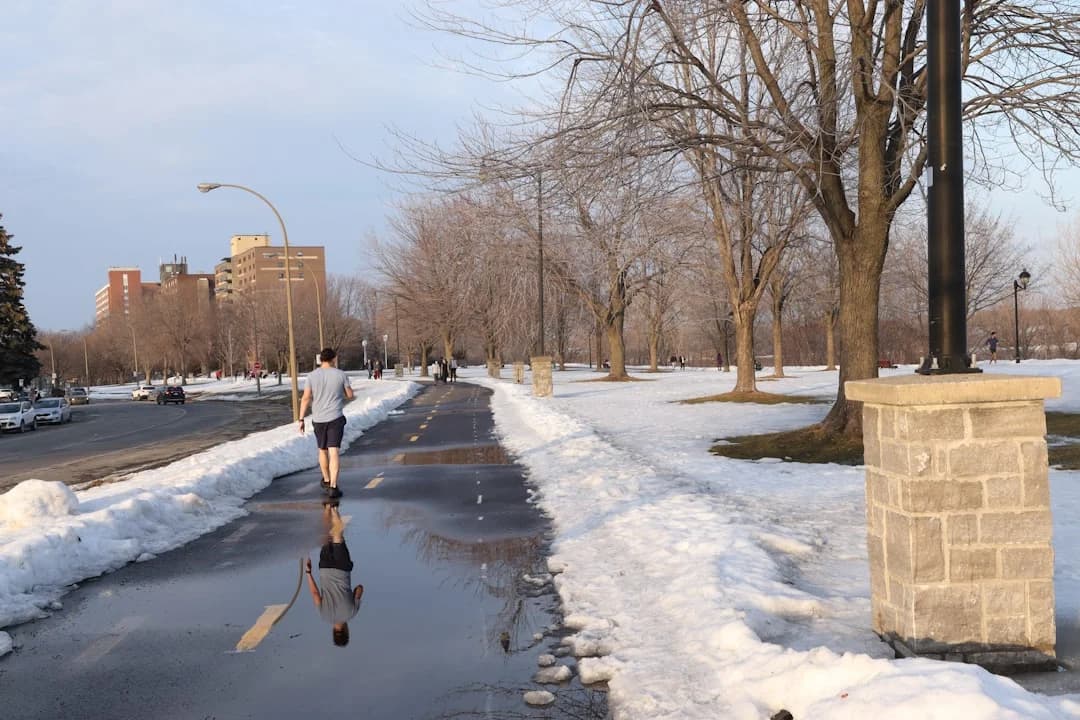
Photo by Miguel Ausejo on Unsplash
Montreal Times is tracking Montreal spring flood readiness 2026 as river levels rise and heavy rainfall pressures put the city on alert. In the metropolitan area, authorities have activated preventive measures and mobilized field teams to protect neighborhoods along the Saint-Lawrence River, Rivière des Prairies, and other flood-prone zones. This status update comes as forecast models show continued meltwater and rainfall, nudging critical thresholds closer to areas that historically experience spring freshets. The city emphasizes preparedness, rapid information flow to residents, and coordinated action with provincial agencies to minimize damage and disruption. Weather and hydrology teams are monitoring conditions around the clock, and municipal crews remain on standby to deploy protective infrastructure as needed. Montreal’s public safety and emergency services are communicating with residents through alerts and borough channels to ensure timely guidance. As of early May, officials say the situation remains dynamic, with several areas still at risk but with a clear plan for protective interventions and rapid response if conditions worsen. (montreal.ca)
Opening with the news, city officials confirmed that the 2026 spring freshet has triggered a state of heightened readiness for flood response across multiple boroughs. The City of Montreal’s latest status update confirms that, on May 2, 2026, protective measures remain in place in vulnerable areas, while some transportation routes have reopened after temporary restrictions. This is a direct element of the Montreal spring flood readiness 2026 agenda, designed to protect residents and sustain essential services during a period of rising water. The same update notes ongoing monitoring of Saint-Lawrence River levels, Rivière des Prairies, and downstream water bodies, underscoring a coordinated, data-driven approach to flood risk management. (montreal.ca)
What Happened
Rising river levels trigger preventive actions
Montreal’s spring freshet has progressed into a period where water levels along the Saint-Lawrence River and adjacent watercourses have climbed, prompting preventive actions by borough crews. The Pierrefonds-Roxboro borough page, updated May 2, 2026, describes rising water levels and “minor flood thresholds” being reached in areas where water accumulates in ditches and along riverfronts. In response, municipal crews are deployed to implement protective measures in accordance with the city’s Intervention Plan, including pumps, temporary flood protection dikes, and inflatables. Residents in riverfront and flood-prone zones are urged to stay vigilant and consult official communications for updates. This document also notes the ongoing monitoring and the deployment of protective measures over the coming days. (montreal.ca)
Timeline and key facts that shaped the response
- Early April 2026: The metropolitan area faced significant rainfall and rapid snowmelt, contributing to rising river levels and triggering a precautionary city response. News outlets and municipal channels reported a heightened state of readiness as authorities anticipated stronger freshet dynamics in the weeks ahead. (montreal.citynews.ca)
- April 15–17, 2026: City officials signaled readiness and the activation of flood-response protocols as hydrological forecasts indicated continued water-level increases. Public messaging emphasized staying informed through borough channels and government vigilance portals. (montreal.citynews.ca)
- May 2, 2026: The City of Montreal published a formal status update confirming ongoing risk in several sectors, with roads and bridges experiencing changes in service as protective measures are deployed. The Île Mercier bridge and the Anse-à-l’Orme road segment saw staged reopenings as water levels allowed, illustrating the phased nature of the response. Protective actions continued in vulnerable neighborhoods, and residents were reminded to monitor official alerts. (montreal.ca)
- May 2, 2026: Pierrefonds-Roxboro section confirms a concrete set of mitigation steps, including sandbag distribution where appropriate, and emphasizes resident responsibility to prepare and protect personal property. The page also notes the continued monitoring and daily assessments by borough staff. (montreal.ca)
Protective measures deployed and infrastructure status
City officials highlight a range of measures designed to reduce flood damage and protect public spaces. Temporary flood protection dikes have been installed in areas identified as high risk, and pumps, flood gates, sandbags, and inflatables are in use or staged for rapid deployment. The goal is to stabilize water infiltration in critical zones and protect essential public spaces. The French-language and English pages consistently emphasize vigilance and readiness, with “Vigilance – Flood Monitoring” and hydrological forecasts from provincial sources used to guide actions. These steps reflect a broader, coordinated approach that aligns with the province’s flood management framework and municipal resilience plans. (montreal.ca)
Public guidance and resident responsibilities
Municipal communications stress that flood risk is a shared responsibility. Residents in flood-prone areas are advised to monitor borough channels, check if their property lies within a flood zone, and consult official guides on preparedness and evacuation planning. The Pierrefonds-Roxboro page provides actionable steps, including instructions on sandbag distribution eligibility, the need to protect entrances first, and guidance on creating temporary evacuation plans. The city’s broader guidance also includes links to the “Emergency disaster preparedness kit” and general flood prevention resources. (montreal.ca)
At-risk zones and ongoing monitoring
The city-wide flood page lists at-risk zones and the locations currently impacted or under heightened surveillance. Neighborhoods such as Ahuntsic-Cartierville, L’Île-Bizard–Sainte-Geneviève, and Pierrefonds-Roxboro are named among the zones requiring close monitoring, with others identified as at risk due to factors like riverine flooding and local drainage dynamics. The vigilance portal and provincial forecasts are being used to inform decisions about protective actions and potential evacuations if conditions worsen. (montreal.ca)
Cross-institutional coordination and expert perspectives
Provincial and city partners emphasize a unified approach to flood risk management, combining municipal response with provincial vigilance and emergency services planning. The Quebec public safety portal provides general preparedness guidance, including monitoring flood waters and subscribing to alert services, while the Urgences-santé resilience plan highlights the pre-hospital system’s readiness to respond to climate-related health and emergency incidents. The convergence of municipal, provincial, and health system planning illustrates a comprehensive agenda for Montreal spring flood readiness 2026. (quebec.ca)
Why It Matters
Immediate impacts on residents and neighborhoods

Rising water levels and ongoing protective actions directly affect daily life in several boroughs. Temporary road closures or one-way street configurations, as seen in the Pierrefonds-Roxboro update, can influence commutes, emergency access, and local business activity. Even as some infrastructure reopens, the city cautions that risks persist in multiple sectors and that residents should stay informed via official alerts and borough communications. The situation underscores the vulnerability of flood-prone residential areas and the importance of rapid, coordinated municipal actions to minimize disruption and protect public safety. (montreal.ca)
The broader context: climate resilience and urban planning
Montreal’s flood events sit within a wider policy frame in which municipal and provincial authorities are combining flood protection with climate resilience. The Quebec Plan de protection du territoire face aux inondations (Flood Protection Plan) outlines durable, long-term measures to safeguard communities, infrastructure, and ecosystems. The plan’s modernization and regulatory updates, set to take effect in 2026, reflect an ongoing effort to harden urban areas against intensifying flood risk caused by climate change. For municipalities like Montreal, the plan provides a backbone for local adaptation investments, from flood walls and valve backflow systems to nature-based solutions that absorb rainfall. (quebec.ca)
Public safety and health implications
The spring flood cycle has broad implications beyond property damage. Emergency services, health planners, and municipal agencies must coordinate to ensure continuity of care, evacuation readiness, and post-event recovery. Quebec’s climate resilience initiatives, including Urgences-santé’s plan, emphasize vulnerability mapping, post-event assessments, and stock management to maintain rapid response capacity during multi-hazard events. These efforts underscore the interdependencies between flood management and health system resilience in a densely populated urban region. (quebec.ca)
Insurance and financial considerations for households and businesses
Financial planning for flood risk remains a pressing issue for residents and property owners. The provincial and municipal discourse on flood risk includes guidance on insurance coverage, subsidies for flood mitigation measures, and planning for potential property value impacts. The 2026 budget discussions and related public communications highlight ongoing investments in flood resilience and infrastructure upgrades, signaling a longer-term alignment between public funding and private risk management. Homeowners and businesses are encouraged to review coverage details and explore mitigation subsidies offered by municipal and provincial programs. (bac-quebec.qc.ca)
The role of technology and data in assessing risk
Data-driven decision-making is central to Montreal spring flood readiness 2026. Real-time river level monitoring, hydrological forecasts, and resilience planning tools enable authorities to lift or tighten interventions as conditions evolve. The City of Montreal’s own feeds, combined with provincial Vigilance alerts and Hydro-Québec hydrology, form a layered data approach that supports timely decisions about protective measures, public communications, and critical-service continuity. This emphasis on data and technology aligns with broader trends in urban flood management, where sensor networks and predictive modeling guide risk-based responses. (montreal.ca)
Stakeholder perspectives: balancing caution with economic activity
Stakeholders across government, municipal agencies, and the private sector stress the need to balance protective actions with the city’s economic vitality. While protective measures reduce long-term damage and disruption, they also necessitate swift adaptation by businesses and residents. The current 2026 status shows a pragmatic, phased approach: monitor conditions, deploy protections where needed, reopen routes when safe, and maintain robust communications to minimize uncertainty. This balanced attitude is consistent with a broader strategy of climate resilience that seeks to preserve public safety while sustaining activity in a growing metro area. (montreal.ca)
What this means for the Montreal spring flood readiness 2026 narrative
The current phase of the Montreal spring flood readiness 2026 narrative centers on a data-informed, adaptive response. Authorities warn that conditions can change rapidly, but they also demonstrate a clear, documented process for risk assessment, protective deployment, and community outreach. The collaboration among municipal departments, provincial agencies, and health services illustrates a comprehensive approach to flood risk in a modern urban environment. The ongoing status updates and bridge reopenings signal a cautious but confident progression toward stabilizing conditions while remaining prepared for future fluctuations. (montreal.ca)
What’s Next
Timeline and next steps for authorities
- Immediate days ahead: Monitoring continues; authorities will adapt protective measures as river levels and precipitation forecasts evolve. The municipal risk map and Vigilance portal will drive decisions on where to allocate pumps, sandbags, and temporary barriers, with daily field assessments guiding any escalations. (montreal.ca)
- Short term (weeks): If conditions stabilize, some infrastructure, like bridges and arterial roads, may continue to reopen, while others may see temporary restrictions depending on local risk. The Pierrefonds-Roxboro and broader city updates emphasize ongoing public communication and readiness to extend or modify interventions as needed. (montreal.ca)
- Medium term (months): Continued integration of flood protection measures into urban planning and infrastructure upgrades under the Plan de protection du territoire face aux inondations framework, with regulatory changes taking effect in 2026 to support more durable flood defense. This will influence both capital programs and residential property planning, including subsidies and incentives for flood-resilient upgrades. (quebec.ca)
Next steps for residents and businesses
- Stay informed through borough notices and the city’s alert system to receive real-time updates on flood risks, road closures, and shelter options. The official channels—“Avis et alertes” and Vigilance portals—are the recommended sources for timely instructions during a freshet event. (montreal.ca)
- Prepare now for potential evacuation or temporary relocation: ensure you have an emergency plan, a household kit, and a clear understanding of whether your residence is in a flood-prone area. The Quebec government’s guidance, updated March 11, 2026, stresses the importance of personal preparedness given the possibility of rapid water level changes. (quebec.ca)
- Consider long-term resilience investments: explore subsidies and programs aimed at floodproofing buildings, drainage improvements, and backflow prevention, as part of a broader climate resilience strategy connected to municipal budgets and provincial plans. The public discourse and official resources point to a multi-year effort to reduce flood risk and improve neighborhood resilience. (montreal.ca)
What to watch for in the coming weeks
- River level trajectories and weather forecasts: the vigilance portal and provincial hydrological forecasts will be the primary indicators guiding the next wave of protective actions. Residents should monitor these sources for updates on thresholds and recommended safety actions. (montreal.ca)
- Infrastructure status and service continuity: ongoing assessments of road networks, bridges, and water infrastructure will determine which routes remain accessible and which may be temporarily restricted. The May 2, 2026 status update demonstrates the city’s commitment to communicating changes in infrastructure access as conditions evolve. (montreal.ca)
- Health and emergency capacity: Urgences-santé’s resilience plan highlights the importance of ensuring pre-hospital services can operate under climate-related stress. Expect continued emphasis on resource planning, mutual aid, and systematic climate-risk assessments to protect public health during flood events. (quebec.ca)
What Residents Need to Know Now
Montreal spring flood readiness 2026 is a live, evolving scenario, and residents in flood-prone neighborhoods should treat the situation as dynamic. The city’s official communications emphasize daily monitoring, clear channels for alerts, and practical guidance for staying safe and protecting property. The current conditions underscore the importance of proactive preparation—emergency kits, a family plan, and a readiness mindset that aligns with provincial guidance on flood zones and preventative measures. The city and province have underscored a collaborative approach to maintain safety, minimize disruption, and accelerate recovery if conditions worsen, and this approach will likely persist through the core of the freshet season. (montreal.ca)

As the spring melt continues, Montreal spring flood readiness 2026 remains a test of urban resilience, data-driven decision-making, and cross-government coordination. Authorities will continue to publish status updates, refine protective measures, and adjust communications as river and rainfall trends unfold. The public should stay informed, follow borough-specific guidance, and be prepared to act quickly if circumstances demand it. With luck and careful planning, the city’s flood management framework will minimize damage and help communities recover more swiftly once the freshet recedes. (montreal.ca)
In sum, Montreal’s response to the 2026 spring freshet evidences a mature, data-informed approach to flood readiness. The ongoing collaboration among municipal agencies, provincial authorities, health services, and the private sector reflects a comprehensive strategy designed to protect residents, infrastructure, and livelihoods while addressing the realities of a changing climate. As conditions evolve, Montréal Times will continue to report the latest developments, offering readers timely insights grounded in official data and real-world actions. (montreal.ca)