Montreal Sugar Shack Season 2026: Tech Trends & Growth

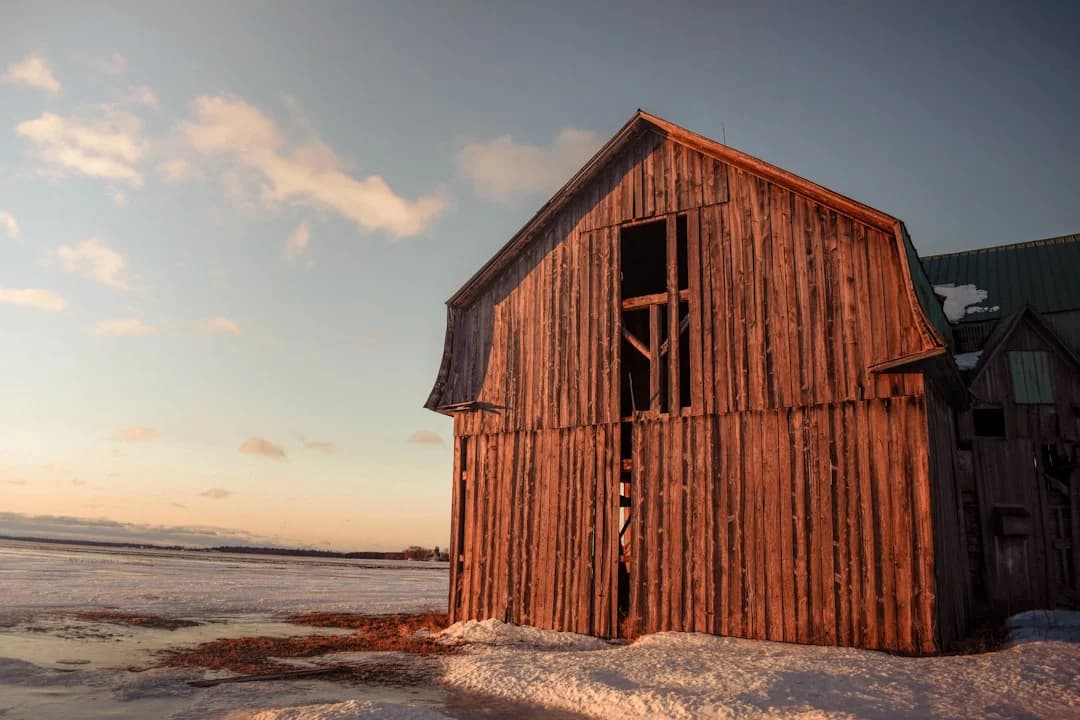
Photo by sebastien cordat on Unsplash
Montreal sugar shack season 2026 is shaping up as a data-informed milestone for Quebec’s maple tourism ecosystem. With a calendar that stretches from late February through April, operators are combining long-standing cabane à sucre traditions with urban pop-ups, digital planning tools, and cross-market partnerships. The season is not just about a single meal at a rural sugar shack; it’s evolving into a citywide maple experience that blends heritage with technology-driven guest experiences. Early indicators suggest 2026 will be a turning point for how Montrealers and visitors engage with maple culture, and for how operators manage demand during a relatively short but intensely curated window. This year’s slate of urban formats, paired with traditional rural operations, demonstrates a broader shift in the sugar-shack economy toward multi-market coordination and data-informed programming. (mtl.org)
Across Montreal and its surrounding regions, the 2026 season is being promoted as a coordinated piece of a province-wide maple-tourism framework. Events are being positioned not as isolated restaurant pop-ups but as interconnected experiences—ranging from street-festival style pop-ups to seasonal menus at Old Port institutions and downtown venues. Tourism authorities and market organizers emphasize that this approach helps operators balance demand, optimize capacity, and deliver more consistent guest experiences. The trend toward urban sugar shack experiences in Montreal is particularly notable, with official calendars foregrounding city venues, neighborhood street parties, and collaborations that tie Tremblant and other rural hubs into the Montreal map. This multi-venue strategy aligns with a broader shift in travel and hospitality where data-driven itineraries and cross-venue promotions help visitors navigate maple-season offerings more efficiently. (mtl.org)
Opening paragraph endnotes: The Montreal sugar shack season 2026 is not a single-location event; it’s a networked sequence of experiences. As operators publish season-starts and pop-up schedules, readers should expect dynamic updates tied to weather, sap runs, and tourism demand. A growing body of industry analysis points to continued expansion in tapping capacity and a rising role for urban formats in Quebec’s maple economy. Quebec Maple Syrup Producers have signaled ongoing capacity expansion, with new taps coming online to meet rising demand, a trend that intersects with Montreal’s urban sugar shack initiatives and festival-style programming. (fcc-fac.ca)
Section 1: What Happened
Announcement and scope of the 2026 season
Montreal’s maple season is proceeding under a broader umbrella of multi-market coordination that links Tremblant’s rural sugar shacks with urban formats across Montreal, Verdun, and neighboring communities. The 2026 schedule is being framed as part of a province-wide maple-tourism strategy designed to spread demand and increase accessibility for both locals and visitors. Several key venues have released concrete dates for the 2026 season, including rural shacks, urban pop-ups, and market-based events in the city. Chalet des Érables, for example, publicized that its 2026 sugar shack season runs from February 21 to April 26, marking a 78th season for the family-operated site. The opening window confirms a late-winter to early-spring cadence that mirrors regional sap-flow timing and traditional menus, while offering family-friendly activities and outdoor experiences. (chaletdeserables.com)
Urban sugar shack formats and city-wide events
Urban sugar shack formats are a defining feature of the 2026 Montreal maple itinerary. Promenade Masson hosted a dedicated one-day urban sugar shack event on April 11, 2026, transforming the Promenade Masson corridor into a maple-tasting festival with traditional music, games, and tastings. The event underscores a growing appetite for city-centered sugar shack experiences that pair culinary heritage with street-level programming and family-friendly activities. Tourisme Montréal highlights that these urban formats—alongside riverfront dining and neighborhood pop-ups—are part of a coordinated calendar that seeks to weave maple culture into the city’s fabric. Operators and sponsors emphasize that such formats help manage flow, extend reach, and deliver accessible maple experiences without sacrificing the authenticity of the tradition. (montrealtimes.ca)
Signature Quebec sugar shack experiences in Montreal
In addition to one-off urban pop-ups, Montreal’s 2026 calendar features established venues adapting their offerings to a maple-season audience. Promenade Wellington’s Cabane Panache is among the prominent events returning in 2026, with dates set for March 19–22, 2026. The Cabane Panache experience has become a marquee urban sugar shack moment in downtown Montreal, combining a curated maple menu with live music and a distinctive ambiance. Tourisme Montréal documents this event and situates it within a broader urban maple-tourism narrative that includes partnerships with nearby restaurants and venues to create a citywide celebration. The emphasis on urbanization of the sugar-shack concept reflects the tourism sector’s aim to anchor maple culture in Montreal’s core while maintaining traditional dishes and maple-centric menus. (mtl.org)
Market activities and in-city sugar season milestones
City markets and downtown eateries are joining the sugar season with special menus and events. Marché Maisonneuve, for instance, hosted a sugar season event on March 29, 2026, with a follow-up on April 2, 2026, to celebrate maple products at the market and showcase a diverse array of maple-focused offerings from local vendors. This “Les Sucres au Marché Maisonneuve 2026” event exemplifies how municipal and market partners are integrating maple season into public markets, allowing visitors to sample maple products in a high-traffic urban setting. The market’s coverage underscores the season’s festival-like atmosphere in the city and demonstrates the role of public markets as hubs for maple tasting, education, and product discovery. (marchespublics-mtl.com)
Industry context: capacity expansion and supply dynamics
The sector context for 2026 includes significant capacity expansion in maple production. The Farm Credit Canada (FCC) 2026 Food & Beverage Report highlights rising demand for maple syrup and notes that Quebec Maple Syrup Producers have announced seven million additional taps to come online over the next three years, on top of prior expansions. This expansion is crucial for meeting surging demand domestically and internationally, and it aligns with a broader shift toward increased maple product availability. The FCC report also notes broader trends in sugar and confectionery markets, including resilient demand for indulgent goods and the balancing act of fluctuating input costs. These macro conditions matter for sugar shack operators, suppliers, and restaurateurs who rely on maple products as core menu components. (fcc-fac.ca)
Section 2: Why It Matters
Economic impact and market dynamics
Quebec’s maple economy is expanding capacity and broadening its geographic reach, with both rural and urban sugar shacks contributing to revenue and employment opportunities during the maple season. The expansion of taps and the development of multi-market formats suggest a more resilient and diversified maple-tourism economy. Urban sugar shack initiatives in Montreal—supported by Tourisme Montréal and city partners—demonstrate a deliberate effort to translate a regional tradition into a year-round, city-scale experience. This evolution could contribute to higher visitation, longer stays in urban cores, and increased cross-pollination with dining, retail, and cultural activities throughout the season. The FCC report’s outlook reinforces the notion that while margins may face pressure from input costs and evolving consumer preferences, the maple segment remains a growth vector within Canada’s broader food and beverage sector. (mtl.org)
Tourism, tech, and data-driven guest experiences
Data-driven planning is becoming a defining feature of Montreal’s maple season. Operators and tourism partners are leveraging weather forecasts, sap-flow patterns, and guest demand data to optimize scheduling, pricing, and capacity management. The urban sugar shack trend, in particular, benefits from a city-scale data perspective: multi-venue itineraries, time-slot dining, and cross-promotions help reduce congestion, improve service quality, and deliver a more cohesive maple itinerary for visitors. This approach aligns with broader trends in travel and events where digital tools, dynamic pricing, and digital marketing are used to balance supply and demand and to enhance guest satisfaction. Montreal’s official tourism content highlights how the city is integrating these urban formats into a formal maple-tourism calendar, signaling a shift toward a more sophisticated, tech-enabled guest experience. (mtl.org)
Climate and supply risk: context for 2026
Climate variability remains a key variable for maple production and pricing. A 2026 Le Monde article on Quebec’s maple harvest notes that climate change is affecting sap yields in some regions, with early-season sap runs impacted by warmer winters and erratic freezing patterns. Although this piece is a broader environmental report, it underscores the risk-management backdrop for 2026: producers and policymakers are paying close attention to how weather patterns affect sap flow and syrup quality, and how strategic reserves and tapping expansions can mitigate shortfalls. For Montreal’s urban programs, this context matters because it can influence both supply and pricing of maple-based offerings across venues. The sector’s resilience—through tapping expansion, stock reserves, and diversified formats—will influence calendar planning and menu design in 2026 and beyond. (lemonde.fr)
Infrastructure, markets, and consumer demand
Market infrastructure—public markets, hospitality partners, and restaurant networks—plays a central role in how the Montreal sugar shack season 2026 manifests. Public markets like Maisonneuve Market showcase sugar-season menus and vendors that bring maple products directly to urban consumers. Restaurants across the city are embracing sugar-season menus, with Brunch and tasting experiences featuring pouding chômeur, maple-glazed dishes, and savory maple pairings. Tourisme Montréal’s content highlights a wide array of maple-centric offerings across neighborhoods, showing how the city’s dining and cultural scenes intersect with sugar-shack traditions. This ecosystem is a key lever for sustaining maple tourism beyond a single event, creating a steady stream of maple experiences during the season. (marchespublics-mtl.com)
Section 3: What’s Next
Near-term steps for operators and venues
Looking ahead, operators in Montreal and the surrounding region will likely focus on several priorities:
- Coordinated scheduling and ticketing across venues to manage peak demand, especially for high-profile urban events like Cabane Panache and Promenade Masson. The urban-shack concept benefits from cross-promotional marketing and aligned calendars with Tremblant and other rural hubs, helping visitors plan multi-venue maple itineraries. (mtl.org)
- Menu innovation that honors tradition while leveraging urban settings. Restaurants and cafés participating in urban sugar-shack experiences are offering maple-forward menus that blend classic dishes with contemporary presentations, which can attract both traditionalists and newer audiences. The Tourisme Montréal catalog of sugar-shack offerings provides a sense of the range visitors can expect across the city. (mtl.org)
- Technology-enabled guest experiences. Operators will increasingly rely on digital reservation systems, real-time capacity updates, and mobile-friendly menus to streamline service during crowded weekends and holidays. The data-informed approach to scheduling and pricing is already a theme across urban experiences and market events. (montrealtimes.ca)
Longer-term outlook and potential shifts
Over the next 12–24 months, several trends could shape the Montreal sugar shack ecosystem:
- Continued capacity expansion in maple production to satisfy rising demand. The FCC’s projection of additional taps entering production aligns with a longer-term push to bolster supply, which could reduce price pressures and widen access to maple products for urban pop-ups and restaurants. If sap yields are strong, expect more robust urban programming and perhaps additional multi-venue collaborations. (fcc-fac.ca)
- Expanded urban formats in more neighborhoods. If Montreal’s urban sugar-shack initiatives prove successful in 2026, more neighborhoods could host street-level maple celebrations, with partnerships involving local schools, cultural organizations, and music venues. The Montreal tourism ecosystem is already signaling a city-wide approach to maple experiences, which could accelerate in subsequent seasons. (mtl.org)
- Weather-driven timing adjustments. Sap runs remain weather-dependent. Should spring arrive early or late, venue operators may adjust opening windows, menu availability, and promotional calendars to reflect sap-flow dynamics and guest demand. Market observers and official sources emphasize the need for adaptable schedules to maximize guest satisfaction and operational efficiency. (lemonde.fr)
What to watch for in coming weeks
- Updates from Chalet des Érables and other rural shacks regarding changing dates, hours, and menus. Chalet des Érables has publicly released its 2026 window (February 21 to April 26), and other shacks may publish incremental updates as sap conditions and weather evolve. Keeping an eye on official channels and local tourism calendars will help readers stay current. (chaletdeserables.com)
- Additional urban collaborations and pop-up expansions in Montreal. With Promenade Masson and Cabane Panache serving as early anchors for urban maple experiences, more venues could announce partnerships or new formats as the season progresses. Tourisme Montréal’s overview suggests ongoing city-wide activity and collaboration, which readers should monitor through official event listings. (mtl.org)
- Market-driven data and price signals. As the maple sector navigates input costs and consumer preferences, readers should watch for price adjustments, new product lines, and promotional campaigns that reflect macroeconomic factors described in FCC’s sector outlook. The FCC report’s emphasis on margins and demand dynamics provides a lens for understanding potential pricing trends in maple-centric offerings. (fcc-fac.ca)
Closing
The Montreal sugar shack season 2026 represents more than a traditional spring feast; it’s a data-informed evolution of a cultural staple into a diversified, city-wide experiences economy. From rural sugar shacks that begin tapping in late February to urban sugar-shack pop-ups that turn Promenade Masson and downtown venues into maple festivals, the season reflects a conscious shift toward multi-venue programming, tech-enabled guest services, and cross-market collaborations. With capacity expansions in Quebec’s maple sector, Montreal’s urban formats stand to benefit from greater supply, broader reach, and a more resilient maple-tourism calendar. As weather, demand, and innovation continue to shape the maple narrative, readers should stay attuned to official calendars, market updates, and venue announcements to fully experience the evolving Montreal sugar shack season 2026.
Whether you’re a local resident planning a maple-focused weekend with family or a visitor exploring Montreal’s maple-forward gastronomy, the 2026 calendar offers a blend of cherished tradition and contemporary guest-experience design. The season’s success will hinge on how well operators harmonize the needs of rural producers with urban audiences, how effectively technology informs scheduling and pricing, and how the broader tourism ecosystem coordinates across markets to deliver a seamless maple journey. For ongoing coverage of developments, stay connected with Montreal’s tourism boards, market operators, and neighborhood venues as they unveil dates, menus, and experiences that bring the sugar shack story to life in 2026.
As snow gives way to maple, Montreal’s sugar-shack landscape continues to expand, inviting both long-time aficionados and curious newcomers to discover how a simple tradition can become a dynamic, tech-enabled consumer experience. The season’s story is still unfolding, and readers should anticipate fresh updates as spring progresses, new partnerships bloom, and urban and rural formats evolve in tandem to shape a uniquely Montreal maple narrative for 2026 and beyond. (mtl.org)