Montreal Transit Fare Integration Reform 2026: What to Know

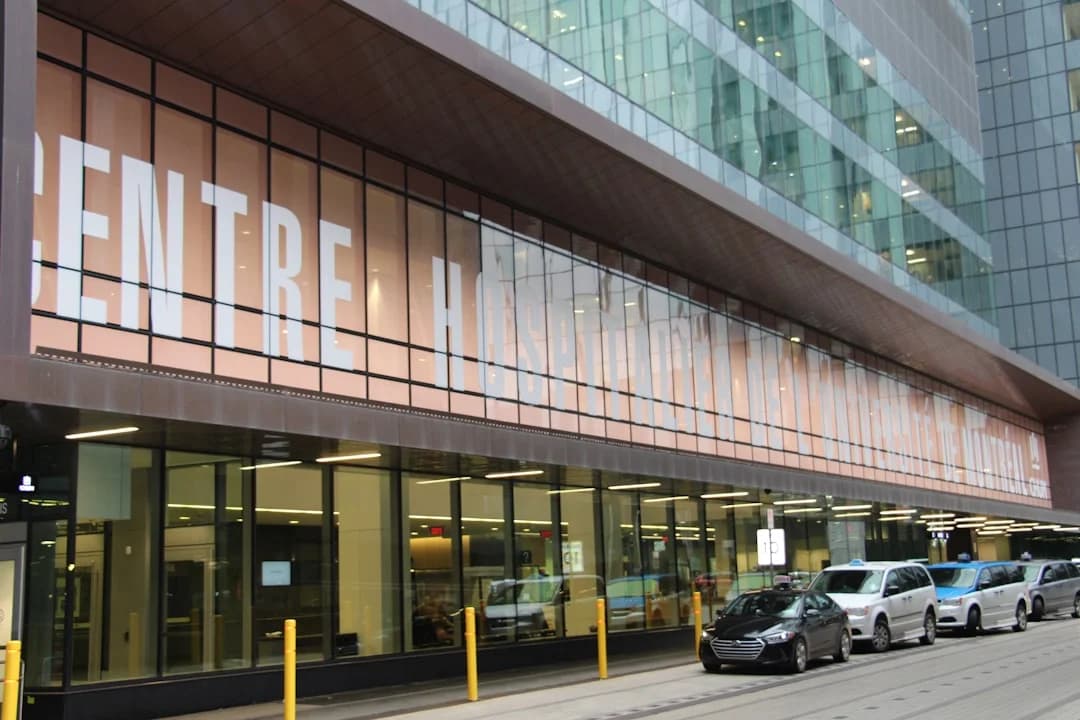
Photo by Alain Guillot on Unsplash
Riders across Greater Montreal will soon experience changes to how they pay for transit, with Montreal’s evolving fare system moving toward greater integration across STM, Exo, and the REM network. The Autorité régionale de transport métropolitain (ARTM) has been guiding a reform effort aimed at simplifying fares, reducing the number of pass types, and harmonizing pricing across modes. As summer 2026 approaches, officials stress that the changes are designed to improve intermodal travel, while also aligning revenue needs with ongoing investments in infrastructure and service. For riders, the practical effect includes a combination of fare simplifications, new pass formats, and predictable pricing anchored by a capped indexation that affects all major products. This coverage provides a data-driven snapshot of what Montreal transit fare integration reform 2026 means for riders, operators, and policymakers. (artm.quebec)
In recent months, regional transit agencies have moved from long-running reform debates to concrete implementation steps. The REM extension into the West Island, the STM’s redesigned bus network in conjunction with REM expansion, and a targeted fare-alignment schedule have all become focal points in the broader reform, underscoring a synchronized effort to make transfers easier and to reduce the friction of multi-network travel. The reform is unfolding within a broader financial framework that includes a 3% cap on tariff indexation for 2025–2026, with annual pricing adjustments anticipated to align with regional funding strategies. These developments collectively shape riders’ experience, agency budgets, and the region’s ability to finance continued expansion. (cdpqinfra.com)
Opening with a concise recap: on July 1, 2026, new fares take effect as part of ARTM’s ongoing tariff alignment, bringing a harmonized structure to a system that spans STM buses and metro, Exo commuter rail, and the REM corridors. The transition includes adjustments to city-to-suburban transfers, introduction of digital options like virtual OPUS cards, and a framework designed to support intercity and intermodal trips without requiring riders to juggle multiple fare contracts. The reforms are designed to be transparent and predictable, with annual indexation capped to a standard rate and periodic updates to reflect system investments and operating costs. These points anchor the current wave of changes, which public outlets began reporting in spring 2026 and which ARTM has positioned as part of a multi-year modernization plan. (tvanouvelles.ca)
Section 1: What Happened
A detailed timeline of key events
The arc of Montreal’s fare integration reform in 2026 can be read as a sequence of coordinated moves across policy, network design, and pricing. In early 2026, ARTM reaffirmed its tariff framework for 2025–2026, reinforcing an indexation cap of 3% and signaling a continued push toward tariff simplification across the integrated network. This stance followed a multi-year effort to retire divergent fare types and reduce complexity for riders transitioning between STM, Exo, and REM services. (artm.quebec)
In February 2026, the STM announced a redesigned bus network linked to the REM expansion, signaling that the regional plan was moving from concept to executed service changes. The redesign aimed to streamline routes, improve urban connectivity, and strengthen links among buses, the metro, commuter trains, and the REM corridor, all of which is fundamental to a more seamless fare experience. (montreal.citynews.ca)
By May 2026, official channels confirmed the REM West Island extension, marking a major milestone in the intermodal strategy. CDPQ Infra communications noted that the REM commissioning on the West Island would connect approximately ten municipalities to the rapid transit spine, with STM and Exo networks realigning to feed into the REM interchange points. This extension is central to achieving a more unified fare environment because it increases the scope of multi-network trips that can be priced under a single framework. (cdpqinfra.com)
Simultaneously, ARTM and partner agencies signaled that July 1, 2026 would bring new tariff schedules to market. The press coverage around late spring 2026 highlighted a 3% tariff indexation as the anchor for 2026–2027 pricing, aligning with the region’s broader funding strategy and continuing a policy trajectory started in prior years. Riders could expect adjustments across single-trip tickets, multi-trip passes, and the new all-modes passes that the reform envisions. (montreal.citynews.ca)
On the fare design side, Exo and ARTM communications emphasized simplified fare structures and a broader move toward digital ticketing tools, including ongoing work on digital OPUS cards as a core element of the reform. Exo’s fare reform pages describe the harmonization process and the introduction of new pass types that enable easier cross-network travel. These changes are designed to reduce confusion and improve the overall user experience for regional trips that cross STM, Exo, and REM services. (exo.quebec)
A parallel development affecting riders is the 3% indexation cap on tariff increases for 2025–2026, which ARTM has described as a policy choice tied to the region’s financing strategy. This cap helps stabilize price growth in a period marked by significant capital investments in rail, bus networks, and intermodal infrastructure. The tariff grids published for 2025–2026 show the practical implementation of that policy, outlining how fares will adjust under the reform while aiming to maintain affordability for essential travel. (artm.quebec)
Core details of the reform and its mechanics
At the heart of the Montreal transit fare integration reform 2026 is a shift toward a more unified tariff across all major transit modes in the Greater Montreal area. The reforms aim to reduce the proliferation of fare types by consolidating products into a more manageable set, while ensuring that transfers across STM, REM, and Exo are priced in a way that reflects actual travel patterns. The reform builds on past work that sought to retire the majority of the hundreds of distinct fare types previously in use and align pricing to a common framework across networks. This historical context is essential to understand why 2026 is a watershed year for price design and for rider expectations. (artm.quebec)
Key features emphasized by ARTM and its partners include:
- Gradual introduction of new passes and digital tools that support cross-network trips, such as updated OPUS cards and digital equivalents that riders can use on Buses, Metro, REM, and Exo trains. Exo’s fare reform details illustrate the path toward more flexible, all-in-one solutions for multi-modal journeys. (exo.quebec)
- A single tariff framework that governs all major modes, reducing the need to navigate mode-specific pricing. This is intended to simplify rider decision-making and improve trip planning across intermodal corridors. The tariff grids for 2025–2026 set the baseline for how these changes unfold in practice. (artm.quebec)
- Periodic tariff updates tied to a transparent indexation policy. The 3% cap for 2025–2026 is a central component of this approach, with annual adjustments expected to reflect inflation, operating costs, and system expansion costs. This policy design is critical for maintaining a predictable cost environment for riders and for ensuring revenue sufficiency for ongoing investments. (artm.quebec)
Riders are also seeing concrete changes in how they access and pay for trips. For example, the rollout of digital and virtual OPUS options—part of the broader fare reform—aims to reduce the friction of using physical cards and enhance convenience for frequent travelers who rely on multiple networks. This digital transition aligns with public transit authorities’ broader push toward contactless and mobile payments, which has gained momentum in major Canadian municipalities in recent years. (montreal.citynews.ca)
Who is affected and how stakeholders are reacting
The reform directly touches STM customers, Exo riders, and REM travelers who previously faced more complex fare environments when crossing between networks or using multi-leg trips. The expansion of the REM network into the West Island, combined with redesigned STM bus routes, creates more intermodal transfer opportunities and, consequently, greater reliance on a unified pricing approach. Public statements from ARTM and REM suggest that the changes are designed to improve interconnectivity and to provide riders with a coherent pricing signal across modes. Public expectations include easier transfers, clearer pricing, and a more predictable commuting cost profile. (cdpqinfra.com)
At the same time, the 2026 STM budget and staffing actions—such as job reductions within the agency—highlight the broader fiscal context in which fare reform is being implemented. The STM’s 2026 budget depicted a mix of continued service provision and cost containment measures, reflecting the tension between maintaining robust service levels and managing operating costs during a period of capital expansion and fare reform. This context matters for readers who want to understand the sustainability of the reform and how it interacts with service quality and coverage. (montreal.citynews.ca)
The reform’s broader policy environment also includes ongoing regional planning and financing discussions, such as prebudget consultations and funding ententes among the ARTM, STM, Exo, and municipal partners. These discussions shape the long-term viability of integrated fares by providing the financial basis for continued investments in infrastructure, technology upgrades, and network integration. For readers, these developments underscore that fare reform is not just about price changes in the short term; it is part of a larger, multi-year modernization program. (finances.gouv.qc.ca)
Section 2: Why It Matters
Economic and operational implications for riders and agencies

From an economic standpoint, the Montreal transit fare integration reform 2026 represents a carefully calibrated balance between affordability and the need to fund a rapidly expanding transit network. The 3% tariff indexation cap provides a predictable price path for riders, while ARTM’s tariff grids lay out how different products—single-ride tickets, day passes, monthly passes, and the new multi-modal options—will be priced in the year ahead. For riders, the key takeaway is that price changes will occur on a known schedule, with some products increasing modestly in price to reflect market conditions and system investments. For agencies, the reform is a mechanism to align revenue with service and capital plans, enabling more consistent budgeting and better planning for network expansions, maintenance, and technology upgrades. (artm.quebec)
A practical reference point for readers is the fare schedule that took effect around July 1, 2026. Public reporting and official tariff documentation indicate that new tariffs were set to be implemented at that time, with the indexation cap playing a central role in determining the magnitude of increases across categories. This is important for households that rely on transit, as it affects monthly budgets and paid travel costs. The coverage of these changes by local media and ARTM communications helps residents plan accordingly. (montreal.citynews.ca)
Operationally, the REM expansion into the West Island is a case study in how intermodal integration can drive changes in fare design. When a new intermodal spine opens, it creates more opportunities for cross-network trips that must be priced coherently. The West Island extension, paired with STM’s bus network redesign and Exo’s integrated pricing, illustrates how infrastructure investments feed into pricing policy to support easier, more predictable travel across the region. The REM commissioning and the associated interchanges are therefore not only a construction story but also a pricing and policy one. (cdpqinfra.com)
Equity, accessibility, and user experience
An important dimension of the reform is its potential impact on riders with different travel patterns and needs. The ARTM tariff framework emphasizes simplicity, which includes reducing the number of fare types and improving transfer rules across networks. For seniors, students, and youth, the reform has to preserve or improve access to affordable travel, while for occasional riders, the simplified structure should reduce confusion and transaction friction. The tariff grids and Exo reform materials highlight how pricing remains sensitive to considerations of equity and broad accessibility while still funding a growing system. The policy stance on concessions and reduced-fare options continues to be a central component of the reform. (exo.quebec)
The broader regional context—financing for public transit across the Montreal area—also informs equity considerations. Prebudget materials and public finance documents illustrate how subsidies, federal and provincial funding, and local commitments intersect with fare revenue. This intersection influences not only price levels but also service levels, investment timelines, and capital planning. Readers seeking a full understanding of who pays what, and when, will find that these financial levers are integral to the reform’s long-term success. (finances.gouv.qc.ca)
Intermodal benefits and potential challenges
Intermodal integration—the core promise of the reform—aims to reduce the cognitive and logistical burden on riders who must navigate multiple networks. A unified fare structure can streamline planning, improve transfer experiences, and encourage more people to shift from private vehicles to transit. The West Island REM extension is a high-profile catalyst for this change, providing a tangible example of how riders will move across motorized modes with a single pricing framework. Public discussions and agency communications emphasize the benefits of smoother transfers, clearer pricing signals, and increased reliability, particularly for long commutes that traverse multiple networks. (cdpqinfra.com)
However, reforms of this scale invariably raise questions about price trajectories, service adequacy, and equitable access during transition periods. Stakeholders have raised concerns about short-term cost increases, the pace of network changes, and the potential need for additional customer support and information channels to help riders adjust. The 2026 coverage across CityTV/TVA-Nouvelles and CityNews outlets demonstrates that the public and media are closely watching how these changes unfold in real-time, including how pricing aligns with service upgrades and network expansion. Ongoing monitoring and transparent reporting will be crucial to maintaining reader trust and ensuring that reforms deliver the anticipated intermodal benefits. (tvanouvelles.ca)
Section 3: What’s Next
Immediate steps and near-term milestones
With the July 1, 2026 tariff implementation date approaching, riders should expect to see updated fare signage, revised pricing on digital and in-station interfaces, and broader availability of digital OPUS options that support cross-network trips. Agencies are expected to publish rider-facing materials that explain the changes, including transfer rules, fare categories, and how to navigate the new all-modes offers. The goal is to minimize confusion through clear communication, including online fare calculators and trip-planning tools that reflect the integrated pricing structure. News coverage from May through July 2026 highlighted these changes as the public-facing phase of the reform, with emphasis on price adjustments and the practical steps riders can take to adapt. (montreal.citynews.ca)
Next steps also include ongoing network adjustments linked to REM expansions and the STM bus network redesign. The West Island REM opening, interchanges, and service integrations are expected to continue influencing operational decisions, such as schedule alignment, feeder connections, and enhanced signaling and dispatch practices. Public communications from REM and CDPQ Infra underscore that the intermodal network will become more cohesive as new interchanges come online and as feeder services are restructured to feed into REM corridors. Riders should stay alert for updated transfer policies, revised timetables, and new route alignments as these changes roll out. (cdpqinfra.com)
Longer-term outlook and monitoring
Looking beyond July 2026, the fare reform is positioned as part of a broader, multi-year modernization program. Ongoing tariff reviews, technology upgrades, and service enhancements are anticipated as ARTM and partner agencies refine pricing, expand digital tools, and respond to evolving transit demand. The tariff grids for 2025–2026 and public communications around 2026–2027 indicate an orderly, data-driven approach to pricing that seeks to balance affordability with the need to finance capital investments and service expansions. Analysts and municipal observers will be watching how changes in REM ridership, intermodal transfers, and bus-rail integration influence system utilization and revenue dynamics in the coming years. (artm.quebec)
As the network evolves, the region’s strategic plan will likely emphasize continued investments in fare technology, including the broader adoption of digital OPUS cards and mobile payment options. The Exo fare reform page and ARTM tariff documentation suggest a continued focus on accessibility, with digital solutions designed to reduce friction for riders who rely on multiple networks or who travel across time bands and service types. The combination of network expansion, fare simplification, and digital tools is intended to deliver a more efficient and user-friendly transit experience for residents and visitors alike. (exo.quebec)
Closing
For residents of Montréal and the surrounding metropolitan area, the Montreal transit fare integration reform 2026 marks a meaningful shift in how price and network design intersect with daily travel. The reform’s core aim—simplifying fares while funding a rapidly expanding intermodal system—places riders at the center of a broader modernization effort that includes REM expansion, bus network redesigns, and digital fare innovations. As July 1, 2026 approaches, transit riders should prepare by reviewing updated fare schedules, exploring digital OPUS options, and planning trips with intermodal considerations in mind. Officials emphasize transparency and data-driven decision-making as intrinsic to the reform, underscoring the region’s commitment to delivering reliable, affordable, and accessible transit for all. Continual updates from ARTM, STM, Exo, and REM will be the primary sources for riders seeking the latest details on pricing, transfers, and service changes, ensuring that the transition remains as smooth as possible for Montreal’s growing commuting population. (montreal.citynews.ca)
